
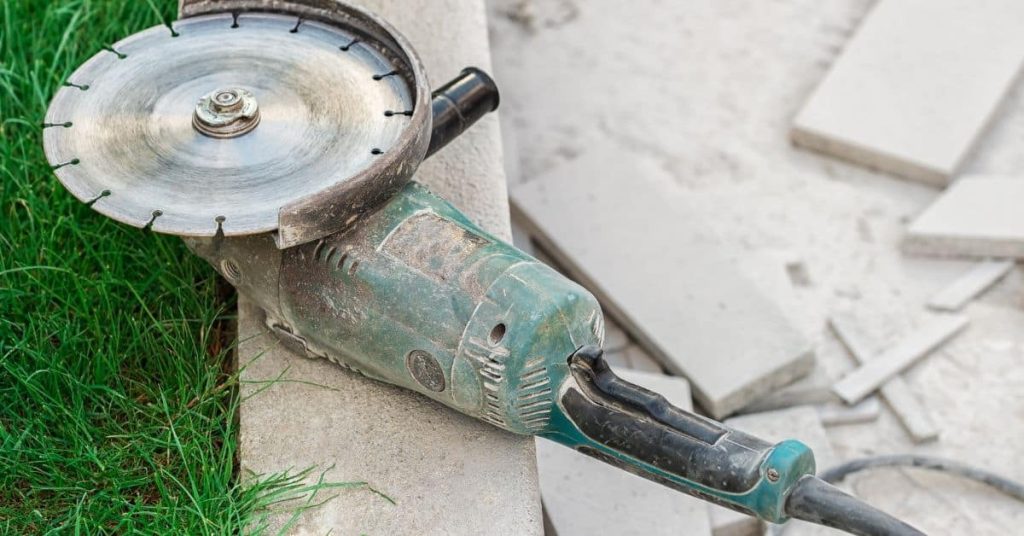
Introduction
Dry cutting creates concrete dust that must be controlled, while wet cutting uses water to suppress dust. This article gives a practical, hands-on look at how each method works in real spots around the house. You’ll see what to check on equipment and what to expect when cutting indoors vs outdoors.
We’ll cover how to choose between dry and wet methods, what equipment is typically used, and practical indoor dust-control techniques. Expect plain-English tips on protecting your lungs and eyes, keeping the work area clean, and verifying manufacturer instructions and local rules before you start. If you’re unsure about conditions or approvals, check the label guidance and local requirements, and lean on safe ranges and common-sense steps you can verify on site.
Key takeaways
- Plan indoor layout early; seal off work area and establish dust containment boundaries.
- Choose flush-cut saws with dust shrouds; pair with HEPA-filter vacs.
- Dry cutting requires constant dust control; monitor airflow to prevent spread.
- Wet cutting minimizes dust but requires water supply management and drainage.
- PPE must cover respirators, eye protection, hearing, skin exposure; follow manufacturer.
- Inspect blades for damage; replace worn segments to reduce kickback.
Table of Contents
- Introduction
- Key takeaways
- Why Dust Control Matters for Indoor Concrete Cutting
- Types of Flush Cut Concrete Saws and When to Use Them
- Diamond Blades and Blade Selection for Flush Cuts
- Wet Cutting Vs Dry Cutting — Pros, Cons, and Practical Trade-Offs
- Dust Control Methods and Equipment for Indoor Projects
- Protecting Indoor Spaces — Step-by-Step Site Prep and Workflow
- Safety, Emergency Procedures, and Compliance on Indoor Cutting Jobs
- Costs, Maintenance, and Common Mistakes to Avoid
- Conclusion
- FAQ
Why Dust Control Matters for Indoor Concrete Cutting
Dust control in enclosed spaces is about more than cleanliness. Silica dust and concrete particulates pose health and regulatory considerations that affect workers and occupants alike. Understanding the risks helps justify a formal dust control plan from day one.
Dust can migrate through spaces, settle on HVAC components, and cause staining or corrosion on finishes. Poor air quality can lead to finish defects and long-term liability for the contractor. Planning around risk timing and indoor conditions reduces surprises during the cut sequence.
Health risks and silica exposure
Concrete dust contains respirable crystalline silica, a known health hazard. When inhaled, it can cause both acute and chronic health effects.
Acute effects include irritation to the nose, throat, and lungs, leading to coughing, wheezing, and shortness of breath. Prolonged exposure results in chronic issues like lung cancer, silicosis (a progressive, disabling, and often fatal lung disease), and autoimmune disorders.
OSHA and NIOSH recommend keeping silica dust levels below 50 µg/m³ (25 µg/m³ for general industry). Minimizing airborne particulate concentrations is crucial to protect workers’ health.
Regulatory and environmental considerations
Indoor concrete cutting requires careful consideration of regulatory requirements and environmental impacts. Permits may be needed for dust control measures, and workplace limits on silica exposure must be adhered to.
Proper disposal of collected dust is essential due to its hazardous nature. It should be handled as hazardous waste, following local regulations.
Environmentally, concrete dust can settle on nearby surfaces, affecting air quality and potentially causing corrosion or staining. HVAC systems may also become clogged with dust, reducing their efficiency and effectiveness.
These factors influence the choice of dust control methods and the development of a comprehensive control plan to protect both workers and the indoor environment.
Types of Flush Cut Concrete Saws and When to Use Them
Handheld flush cut saws offer portability for small areas and tight corners. Electric floor/power-cut flush saws balance depth capability with steady operation, while hydraulic models excel in heavier work and stricter containment needs. Each type serves different job scales and access challenges.
Indoor use depends on dust control, noise, and ventilation requirements, with dry or wet cutting chosen based on space and occupancy. When choosing, verify depth capabilities, blade compatibility, and emission/ lubrication considerations on manufacturer instructions. Practical selection matches thickness, rebar presence, and precision needs to the saw’s strengths.
Handheld flush cut saws — best for confined precision work
Handheld flush cut saws are your go-to when space is tight and precision matters. They’re lightweight, easy to maneuver, and perfect for small renovations or repairs.
These saws excel in narrow spaces where larger models won’t fit. They’re great for cutting along walls, around pipes, or in other confined areas.
However, they have their limitations. They can’t cut as deep as heavier-duty saws and may struggle with thicker concrete. Prolonged use can also lead to overheating.
Check manufacturer specs for blade compatibility and maximum cutting depth before you start. Safety first, always wear appropriate PPE.
Electric models — preferred for indoor wet cutting and zero emissions
For indoor jobs, electric flush cut saws are your best bet. They’re quieter than their hydraulic counterparts and produce no exhaust fumes.
Wet cutting is ideal indoors to control dust. Electric models integrate easily with water delivery systems, keeping silica dust to a minimum.
However, they require proper ventilation as the water mist can create humidity. Also, ensure you have adequate electrical supply and consider using extension cords rated for the saw’s amperage.
Always check manufacturer specs for RPM, torque, and compatibility with flush-cut blades before use.
Hydraulic and high-torque units — for heavy commercial jobs
When you’ve got thick or dense concrete to cut, reach for hydraulic flush cut saws. They pack a punch with their high torque and can handle tough jobs.
These are typically used in commercial settings where depth and power matter more than noise levels. They’re great for cutting through reinforced concrete or thick slabs.
However, they’re heavier, noisier, and produce exhaust fumes. They’re not ideal for indoor use without proper ventilation and safety measures.
Before using, check manufacturer specs for motor/hydraulic specifications, emissions, and oil-free operation. Always follow safety guidelines, including PPE and dust control strategies.
Diamond Blades and Blade Selection for Flush Cuts
Flush-cut blade families include continuous rim, segmented, and turbo variants, each suited to specific flush applications against walls or embedded features. Core reinforcement in the concrete influences blade depth and handling, affecting snag risk and feed rate. Blade choice also impacts dust generation through bond and grit interactions.
Always check blade ratings with the manufacturer and ensure the blade matches your material and saw. Practical guidelines connect blade type to material, arbor setup, and any dust-control features needed for indoor work. Verify compatibility before every cut to protect performance and safety.
Flush-cut blade design and side-loading considerations
When it comes to flush cuts, you’re not just slicing through concrete. You’re cutting right up against steel reinforcement – that’s where the real strength of your diamond blade comes into play.
Reinforced cores are a must for flush-cut blades. These cores are beefed up to handle the extra stress of cutting through rebar and other steel reinforcements. Check the blade’s label or manufacturer instructions to ensure you’re getting reinforced cores.
Now, let’s talk about segment placement. Flush-cut blades have segments placed differently than standard blades. They’re positioned to take on side loading – that’s when your blade is cutting at an angle, not straight on. This is unique to flush cuts and can wear out a regular blade in no time.
Side loading puts pressure on the sides of your blade. That’s why you need segments that can handle this kind of stress. Check the blade’s design – it should have segments that wrap around the sides, ready to take on that side loading. Don’t skimp on quality here; a good flush-cut blade will save you time and money in the long run.
Choosing bond/grit for concrete, reinforced concrete, and abrasive mixes
The bond (hardness) and grit (coarseness) of your diamond blade’s segments are crucial. They affect wear life and cutting speed.
For plain concrete: Use medium bond and coarse grit (e.g., 14/16). This combo gives fast cuts with good wear.
For reinforced concrete: Opt for high bond, fine grit (e.g., 30/32) blades. They last longer on tough surfaces and resist clogging from rebar dust.
Abrasive mixes (like sand-gravel): Go with medium to low bond, coarse grit (e.g., 18/20). These blades handle aggregate better, reducing glazing and improving cut quality.
Always check blade specs for material compatibility. Consult the manufacturer’s guidelines or ask your supplier if unsure.
Rebar contact and mixed-material cutting tips
When you hit rebar or cut through mixed materials, the right blade makes all the difference. It’s about durability and preventing damage to your tool.
- Segmented blades: These have gaps between segments for better heat dissipation. Use when hitting rebar or other tough spots. Avoid on soft materials like foam as they can tear.
- Tungsten carbide-tipped (TC) blades: TC tips are hard and durable, great for hitting rebar or other metals. Look for a high number of tips for better performance. Not ideal for soft materials due to their hardness.
- Diamond-impregnated blades: These have diamond particles embedded in the blade’s surface. Good for mixed materials and tough spots, but not as durable as TC or segmented blades on rebar.
- Water-cooled blades: For long cuts or hitting tough spots like rebar, water-cooled blades keep temperatures down, extending blade life. Check your tool can handle the flow rate.
- Side-loading blades: These have a side-exiting arbor that lets you cut flush against walls. Use when cutting into rebar or other tough materials near surfaces. Not suitable for wet cuts due to water entry risk.
Using the wrong blade on rebar can cause it to overheat and fail, ruining your cut and possibly damaging your tool. Expect to pay around $20-$50 per blade, depending on type and quality.
Pro tip: Always check the manufacturer’s recommendations for your specific tool when choosing blades. Store blades safely to prevent damage, and always inspect them before use.
Wet Cutting Vs Dry Cutting — Pros, Cons, and Practical Trade-Offs
Wet cutting generally reduces dust by using water to suppress airborne particles. Dry cutting relies on containment and dust collection to keep particles from spreading. Choose based on how well you can manage water and water-related concerns in the space.
Mobility, setup, and containment differ between methods, with indoor environments demanding careful planning around ventilation, barriers, and PPE. Consider how each method interacts with HVAC, filtration, and occupancy when making a choice. Use a practical decision framework to match the method to the space and cleanliness goals.
Wet cutting: how it controls dust and its indoor implications
Wet cutting is like having a built-in dust buster. Here’s why:
Water suppresses dust at the source by binding with concrete particles, preventing them from becoming airborne. It’s like tiny dust magnets in action.
Indoor use means plumbing and containment. You’ll need a water source nearby and a way to contain the slurry – that’s the mix of water and concrete dust. A vacuum system or a portable tank works well.
Dry cutting: when portability matters and how to mitigate dust
Dry cutting’s big plus? No water needed. That makes it great for remote sites or quick jobs where setup time is tight.
Portable tools mean easy mobility. Battery or electric models are lightweight and don’t need hoses trailing behind.
But dry doesn’t mean dust-free. You’ll need a dust extraction system to keep particles at bay. A good shroud and proper ventilation are musts. Wear a respirator too, for your safety.
Choosing the method: a simple decision framework
Here’s a quick checklist to help you pick wet or dry:
Space and drainage: Wet needs more room for setup, and a way to drain slurry. Dry’s your friend in tight spots with no drainage.
Ventilation and noise: Wet’s quieter but can raise humidity. Dry needs good ventilation, but it won’t affect indoor humidity as much.
Timeline and regulations: If time’s tight or rules are strict (like silica dust regs), dry might be your best bet. But if you’ve got time and space for setup, wet could be the way to go.
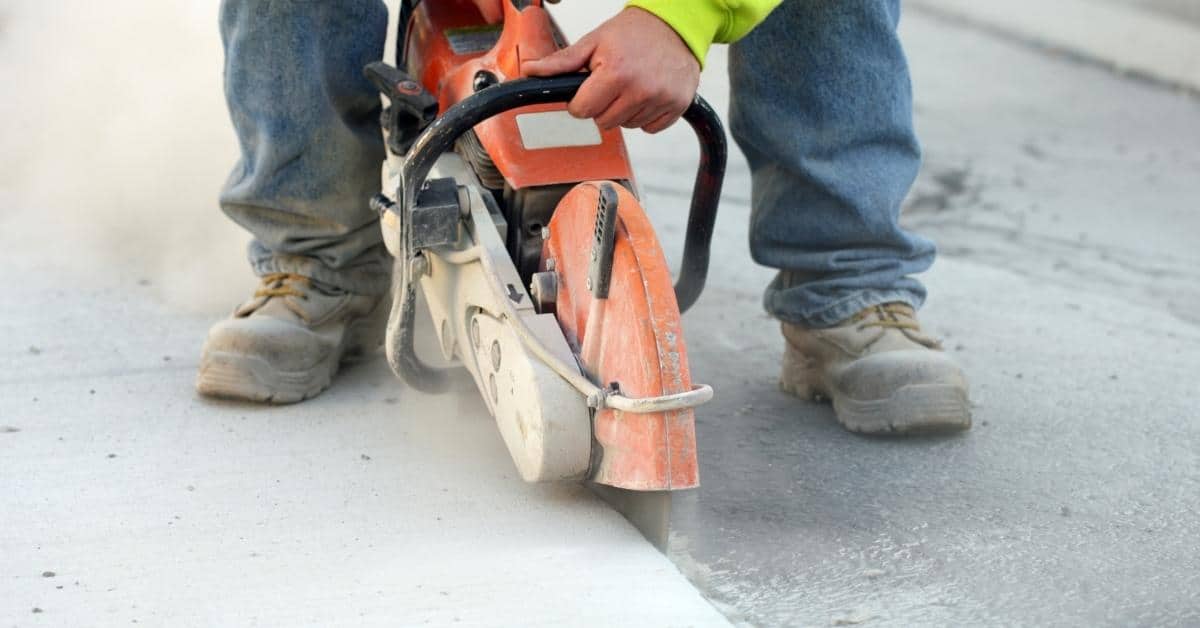
Dust Control Methods and Equipment for Indoor Projects
A practical controls hierarchy helps prioritize actions: start with wet suppression, add HEPA-filtered vacuums, then local exhaust ventilation or encapsulation as needed. Concrete scenarios show how to mix methods for maximum dust capture. Tailor the plan to the room size and occupancy.
When shopping, check wet-cut setups for splash risk, HEPA certifications, and LEV ducting as part of equipment criteria. Verify capture efficiency and certification status, and schedule air quality checks before moving on. Include protection measures for surfaces and careful moisture management to sustain effectiveness.
Wet suppression setups and slurry handling
When cutting indoors, wet suppression is your first line of defense against dust. It works by continuously or intermittently applying water to the blade, preventing concrete particles from becoming airborne.
Water Feed Options: Choose between drip systems for light duty work and continuous feed for heavier cuts. Electric models often come with built-in water tanks or can be connected to an external supply.
Slurry Containment: Use containment methods like dams or troughs around the cut line to prevent slurry from migrating into other areas. Seal any gaps with tape to ensure effective containment.
Disposal and Filtration: Collect and dispose of slurry responsibly, following local regulations. Consider using a filtration system to remove contaminants before disposal if required.
Dust extraction, HEPA vacuums, and filtered local exhaust
For serious dust control, use a combination of dust extraction and HEPA filtration. This involves connecting your saw to a vacuum or extractor with true HEPA filters.
Vacuum Selection: Choose a vacuum with a powerful motor and high airflow rate. Ensure it’s fitted with a true HEPA filter (Class H13 or H14) for effective dust capture.
Hose Sizing and Capture Positioning: Use a hose large enough to handle the volume of dust generated. Position the capture nozzle close to the blade, following the direction of cut to maximize efficiency.
Local Exhaust Ventilation (LEV): For larger projects or confined spaces, consider using LEV with filtered exhaust fans. Ensure ducting is properly sealed and maintained at low static pressure for optimal performance.
Containment strategies: barriers, anterooms, and negative pressure
For comprehensive dust control, implement containment strategies to isolate work areas from occupied spaces.
Barriers: Construct temporary barriers using plastic sheeting or similar materials. Seal any gaps with tape to prevent dust leakage.
Anterooms: Create an airlock or anteroom between the work area and occupied spaces. This helps trap dust and prevents it from spreading into other areas.
Negative Pressure: Use filtered exhaust fans to create negative pressure in the work area, drawing dust towards the fan instead of allowing it to spread. Monitor airflow regularly to ensure containment remains effective.
Protecting Indoor Spaces — Step-by-Step Site Prep and Workflow
Start with clear pre-job communication and tenant notification, designating a point of contact and outlining disruption. Align with the occupied schedule to minimize impact. Confirm restrictions and access during the work window.
Assess HVAC and air handling to determine isolation or modification needs. Define a controlled work zone with barriers, floor protections, and clear signage. Outline the dust-control strategy and the on-site sequence from protection to cleanup and air clearance.
Step-by-Step Process
Follow this clear, numbered sequence to protect indoor spaces during concrete sawcutting.
- Preparation and safety checks: Inspect the area for any hazards. Ensure all tools are in working order. Inform occupants about the work schedule.
- Set up barriers: Delineate a controlled work zone using dust barriers, floor protection, and signage to limit movement.
- Main work: Cut with containment. Use wet cutting or mobile dust collectors to control dust during sawing. Keep doors and windows closed.
- Interim inspections: Regularly check the work area for any signs of excessive dust buildup or damage to finishes.
- Final cleanup and air clearance verification: Clean up the work area thoroughly. Conduct final air clearance tests before re-occupancy.
Pre-job planning and tools/materials checklist
Use this checklist before starting any indoor concrete sawcutting job to ensure you have everything needed.
- Barrier materials: Dust barriers, floor protection, drop cloths. Check for any tears or damage.
- Negative-pressure fans: Ensure they’re in working order and suitable for the job size.
- HEPA vacuums: Test before use to ensure they’re capturing dust effectively.
- Wastewater containment: Have appropriate containers ready for slurry collection.
- PPE: Check safety glasses, gloves, ear protection, and respiratory masks.
- Documentation templates: Prepare pre-job checklists, daily logs, touchpoint approvals, and final air-quality verification forms.
Quick rule: Always double-check your equipment before starting any job to avoid delays and ensure safety.
Setup and execution: sealing, ventilation, and in-process monitoring
Proper setup is crucial for controlling dust during concrete sawcutting. Seal penetration points to prevent dust from escaping into other areas.
Isolate the HVAC system by closing vents or using dampers to control airflow. Position capture devices like HEPA vacuums and air scrubbers near the cutting area to collect dust at the source.
Monitor airborne dust during cutting. Use a dust monitor if available, or visually inspect the work area for excessive dust buildup. If dust levels are too high, adjust your setup or slow down the cutting process.
Cleanup, verification, and post-job air clearance
Thorough cleanup is essential to ensure a safe working environment after concrete sawcutting.
For wet cutting, use squeegees and mops to remove slurry. For dry cutting, use HEPA vacuums to collect dust. Conduct final passes with the vacuum to ensure all dust has been removed.
Perform surface wipe tests using a damp cloth to check for any remaining dust. If the cloth turns black or gray, continue cleaning until no visible dust remains.
Air clearance verification is crucial before re-occupancy. Use an air-quality monitor to test for acceptable dust levels. Follow local regulations and guidelines for air quality standards.
Safety, Emergency Procedures, and Compliance on Indoor Cutting Jobs
Choose PPE appropriate to the dust hazard, including respirators and eye protection, plus hearing protection and the right form of disposable or reusable gear. Fit-testing and training should be documented and up to date. Select PPE based on expected exposure and duration of work.
Plan for exposure monitoring, permits, and recordkeeping to meet project and regulatory expectations. Establish roles and communication chains before work begins to ensure quick response in an emergency. Include clear steps for spill response and dust-related incidents.
PPE, Monitoring, and Exposure Controls
Protecting yourself and your crew is priority one. Here’s what you need:
Respirators: Use NIOSH-certified respirators with P100 filters for indoor dust control. Fit-test before use.
Eye/Face Protection: Wear safety glasses or goggles to protect your eyes from debris and dust. Consider face shields for added protection.
Area Monitoring: Use real-time dust monitors or sampling methods to keep exposure levels below the acceptable action level (e.g., 15 mg/m³ for silica).
Emergency Response and Spill Containment
Know how to handle emergencies. Here’s what to do:
Dust Releases: Evacuate the area, contain the dust with wet cloths or barriers, and use HEPA vacuums for cleanup.
Slurry Spills: Contain the spill using absorbent materials, clean up immediately, and dispose of waste properly. Follow your site-specific spill response plan.
Exposure Incidents: Evacuate exposed workers to a safe area, provide medical attention if needed, and follow up with a healthcare professional.
Recordkeeping, Permits, and Contractor Coordination
Keep records to stay compliant. Here’s what you need:
Permits: Obtain any necessary permits (e.g., air quality permits) before starting work.
Records: Keep exposure monitoring results, control measures used, and disposal records for at least 30 days after the project ends.
Coordination: Communicate with building managers about your plans, and coordinate with authorities (e.g., fire department) if needed. Ensure all contractors follow your safety plan.
Costs, Maintenance, and Common Mistakes to Avoid
Outline a cost framework that covers upfront equipment, ongoing consumables, labor, and decontamination. Costs vary with project size, blade type, and indoor vs. outdoor use, so use quotes to refine planning. Keep the focus on total project impact rather than single-item prices.
Routine maintenance tasks influence performance and safety, including blade tension, alignment checks, and dust-control system upkeep. Avoid common mistakes like skipping maintenance, using inappropriate blades, or neglecting occupied-space dust controls. Use a pre-job and post-job checklist to stay on track.
Cost factors and lifecycle considerations
The cost of concrete sawcutting varies greatly depending on your project’s size, scope, and duration. Here are key factors to consider:
Equipment Purchase vs Rental: Buying is economical for frequent users, while renting suits occasional projects or tight budgets.
Consumables: Blades and filter bags wear out over time. Estimate their replacement based on project duration and blade type (dry vs. wet).
Disposal Costs: Dry cutting generates silica dust, requiring proper disposal. Wet cutting produces slurry, needing safe handling and disposal.
Maintenance, blade care, and equipment checks
Regular maintenance keeps your saw running smoothly and extends blade life. Here’s what to check:
- Daily Blade Inspection: Check for nicks, cracks, or excessive wear. Replace blades as needed.
- Cooling/Water Lines: Ensure they’re clear and functioning properly to prevent overheating or clogging.
- Filter Changes: Regularly replace dust collection filter bags to maintain suction power.
- Lubrication: Keep moving parts lubricated according to the manufacturer’s schedule.
- Storage Practices: Store blades and equipment properly to prevent damage from moisture, extreme temperatures, or impact.
Common operator mistakes and how to prevent them
Avoid these common pitfalls for a smoother job:
- Wrong Blade Choice: Using inappropriate blades for the material can lead to slow cutting, excessive wear, or blade failure.
- Poor Capture Positioning: Incorrect dust shroud placement reduces capture efficiency, exposing workers and the environment to silica dust.
- Inadequate Containment: Skimping on containment measures can lead to dust migration into occupied spaces, posing health risks.
- Improper Disposal of Silica Dust: Inhaling or improperly disposing of silica dust can cause serious health issues. Follow local regulations for safe disposal.
Regularly review your setup and workflow to avoid these mistakes. If a problem arises, troubleshoot promptly to minimize downtime and ensure safety.
Conclusion
Protect indoor spaces by planning your cut, choosing the right method, and sticking to proven controls so you finish cleanly without compromising safety or the concrete look.
Before you start, verify the plan in plain language: set up your containment and dust control, select the proper flush cut saw and blade for the job, test a small area first, lay out a clear workflow with minimal door openings, wear eye and respiratory protection, and have a simple cleanup and emergency plan ready. Do the cut in stages, keep the dust control running, check for leaks or gaps in containment, and document any adjustments as you go.
Two or three common mistakes to avoid are cutting dry in a sealed space without containment, skipping a test cut or small-area trial to confirm dust controls and blade performance, and letting dust or water run into living areas or HVAC runs. Safety rules are simple: never bypass dust control systems, always seal off the work area before starting, and treat every blade change or tool adjustment like a potential spark source—disconnect power and recheck guards. If something doesn’t feel right, pause and reassess before proceeding.
If the project is complex, the space is tight, or you’re unsure about containment or compliance, call a professional. When in doubt, prioritize safety and avoid costly damage to finishes or systems. With a solid plan, disciplined workflow, and the right gear, you can finish with professional results and minimal disruption.
FAQ
What are effective dry cutting methods and equipment for indoor dust control?
Use a small, portable dry-cut saw with a well-sealed guard and a connection to a high-quality vacuum system. Keep dust containment barriers in place and run the vacuum continuously while cutting. Check the saw label and manufacturer instructions for compatible dust collection accessories.
What are the best wet cutting methods and equipment for indoors?
Use a wet-cutting setup with a purpose-built saw and a continuous water feed to suppress dust. Ensure the water line and reservoir are secure, and that the floor is protected from runoff. Follow the tool’s guidance on water flow rates and containment to avoid overspray.
What PPE should I wear for indoor concrete cutting?
Wear a properly fitted respirator for dust, eye protection, hearing protection, gloves, and sturdy footwear. Use a dust-collecting hood or enclosure when possible. Inspect PPE for damage and replace any worn parts before starting.
How effective are dust suppressants and absorbers, and how should I use them?
Dust suppressants and absorbers can reduce airborne particles if used as directed. Apply products per the label, watch for residue on surfaces, and avoid mixing incompatible chemicals. Always pair suppressants with good containment and ventilation practices.