
Introduction
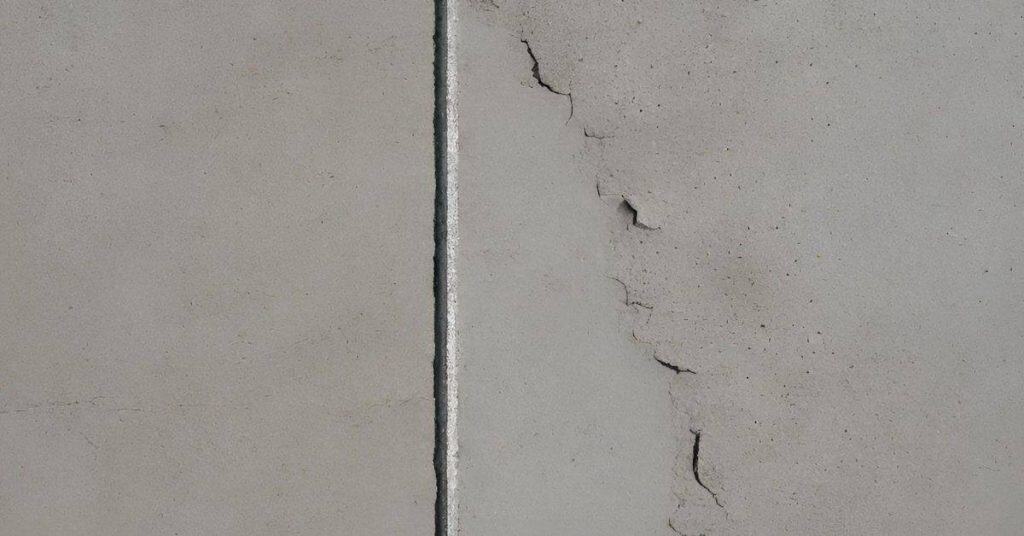
Concrete etching gone wrong means a surface that has been over-etched or uneven, requiring neutralizing and surface recovery.
This intro covers surface preparation before etching, how to apply the corrective solution, and what comes after. Always follow the product label and your local rules for handling chemicals.
After etching, neutralize the surface as directed by the manufacturer and rinse thoroughly before moving on. Then focus on cleanup and disposal, protecting nearby areas and choosing safe, compliant methods. If unsure about steps or requirements, check the label, instructions, or local codes and adjust accordingly.
Key takeaways
- Inspect surface for moisture, cracks, and loose particles before etching begins.
- Test small area after neutralizer to gauge reaction and avoid over-etching.
- Follow manufacturer instructions for neutralizers; never mix concentrates without guidance.
- Use proper personal protective equipment and ventilate work area during processing.
- Rinse and neutralize evenly; work in passes to prevent streaks.
- Dispose of residual liquids according to local rules and container labeling.
Table of Contents
- Introduction
- Key takeaways
- Immediate Steps and Safety When Etching Fails
- Assessing the Damage: Tests and Visual Checkpoints
- Neutralizers Explained and Effectiveness Comparison
- Surface Preparation Before Neutralization
- Neutralization Application Methods and Safe Mixing Guidance
- Post-Neutralization Recovery: Rinse, Clean Tools, and Prepare for Repairs
- Disposal, Storage, and Environmental Compliance
- Project Planning, Costs, and Common Mistakes to Avoid
- Conclusion
- FAQ
Immediate Steps and Safety When Etching Fails
Etching mishaps require fast hazard recognition and containment. Start with a quick hazards assessment to identify chemicals, fumes, and any skin or eye exposure risks. If risks are present, pause the project and notify nearby crew.
Have the right PPE ready—gloves, eye protection, and a respirator if fumes are possible—and locate an eyewash or shower and spill kit. Contain the area, shut down ventilation if it’s safe, and ensure fresh air exchange to limit exposure. Follow a simple triage: flush exposed skin/eyes with water, change contaminated clothing, and move the person to a safe area while monitoring symptoms. Document what happened and decide who coordinates cleanup and neutralization before resuming work.
Personal protective equipment and ventilation
Safety first. Gear up before tackling any etching mishap.
- Gloves: Chemical-resistant, not just work gloves. $10-$20 a pair.
- Eye protection: Goggles or face shield. Protect eyes from splashes and fumes. $5-$15.
- Respirator: If fumes are present, use a respirator with P100 filters. $20-$40 plus filters.
- Ventilation: Use fans to blow fumes away from work area. Portable job site fans, $30-$50 each.
- Optional – Air scrubber: Rental option for heavy fume situations. Around $100/day.
Containment and isolating the affected zone
Stop etching, halt work in the area. Contain the mess before it spreads.
Runoff: Use absorbents or containment booms to catch any runoff. $20-$50 per pack.
Tracking: Lay down plastic sheeting at zone entrances. Prevents tracking chemicals elsewhere. $10-$30 per roll.
Nearby surfaces/drains: Protect with more plastic sheeting or cardboard. Keep chemicals off nearby areas and drains until cleanup.
Assessing the Damage: Tests and Visual Checkpoints
Start with visual checks for gloss loss, dull patches, pitting, or roughness to gauge etching severity. Look for uneven patterns or areas that stand out compared to the surrounding concrete. Note all trouble spots for later mapping.
Use quick tests to judge depth and residue: a simple water absorption check, a drag test with a gloved finger for smoothness, and a light brushing to see residue after cleaning. Check pH readiness before neutralization using a simple test patch or strips. Record results by area and flag zones that may require professional input.
Visual checkpoints and pH/residue spot checks
Before you start any treatment, use this checklist to assess your concrete’s condition.
- Gloss loss: Check for areas where the gloss is missing or reduced. This could indicate etching.
- Dull or frosted patches: Look for areas that appear dull or have a frosty texture. These are signs of etching.
- Pitting: Inspect for small holes or pits in the surface. Deep pitting may require professional assessment.
- Roughness: Feel the surface with gloved hands to check for roughness, which could be due to etching.
- Uniformity of etching: Check if the etching is uniform across the floor or if there are isolated patches.
- pH test (acidic residue): Use pH test strips on a small, hidden area. If it reads below 7, acidic residue may be present.
- Wipe test (alkaline residue): Wipe the surface with a damp cloth. If it feels slimy or leaves a residue, alkaline residue might be present.
- Discoloration: Check for any discoloration, which could indicate laitance or old sealers.
- Flaky laitance: Gently brush the surface. If it flakes off easily, there’s likely laitance present.
Quick rule: Always perform these checks before starting any treatment to avoid making issues worse.
Salvage vs. replacement decision factors
Use this checklist to decide whether you can salvage your concrete or need to replace it.
- Etch depth: Measure the depth of etching. If it’s more than 1/8 inch, replacement might be necessary.
- Cracking: Check for cracks. Hairline cracks can often be repaired, but wider ones may require replacement.
- Efflorescence: Look for white, powdery deposits on the surface. This could indicate moisture-related issues that might need professional assessment.
- Moisture content: Perform a simple water absorption test. If the concrete absorbs too much water, it may be too damaged to salvage.
- Structural integrity: Check for any signs of structural damage, such as delamination or crumbling. If present, replacement is likely needed.
- Final finish goals: Consider what you want the final surface to look like. Some treatments may not be able to achieve your desired finish.
- Budget: Replacement can be costly. Consider if it’s more affordable to salvage and treat the concrete instead.
- Time constraints: Replacement takes time. If you need a quick solution, salvaging might be better.
Quick rule: Always consider both the condition of your concrete and your personal goals and resources when making this decision.
Neutralizers Explained and Effectiveness Comparison
Explain what each neutralizer does: acids or acid-neutralizing products stop ongoing etching, while baking soda approaches raise pH to halt acid activity. Separate the chemistry from everything left on the surface as residue. This helps decide if you need surface cleanup in addition to neutralization.
Residue profiles matter: laitance, calcium carbonate, and organic films affect bonding. Describe how different neutralizers interact with these residues and how rinsing or buffering steps influence readiness for the next coat. Include practical outcomes like pH shifts and appearance changes to set expectations.
How neutralizers chemically work
The job of a neutralizer is to balance the pH of your concrete surface, making it neither too acidic nor too alkaline. This is crucial before applying any sealers or coatings.
Acidic residues from etching lower the pH, while alkaline residues raise it. Neutralizers work by reacting with these residues and converting them into a neutral state (around 7 on the pH scale).
Citric/sour acids and acid-neutralizing products reduce surface acidity, stopping ongoing etching. Meanwhile, baking soda-based solutions raise the pH to halt acid activity.
Choosing between DIY and commercial neutralizers
When selecting a neutralizer, consider your concrete’s condition. For light etching, DIY solutions like baking soda or vinegar might suffice. But for heavy etching, opt for commercial products designed for the job.
Think about environmental impact too. DIY solutions are often eco-friendlier but may require proper disposal of acidic residues. Commercial products usually come with clear disposal instructions.
Ease of use is another factor. DIY solutions can be messy and time-consuming, while commercial products often have clear application guidelines and better penetration depths.
Always follow manufacturer guidance for the best results. If unsure, test a small area first to ensure compatibility with your concrete’s type and condition.
Surface Preparation Before Neutralization
Clear, clean baseline is essential so neutralizers work predictably. This reduces the chance of unexpected reactions after neutralization. A thorough clean is the foundation for a solid recovery.
Identify contaminants such as grease, cured films, laitance, dust, and old coatings. Assess the surface by sight and feel, and check porosity or moisture to gauge cleaning difficulty. Plan degreasing and mechanical cleaning, then rinse and verify cleanliness before moving on.
Degreasing and removing surface laitance
Before neutralizing, you must remove all oils, greases, and loose material from the concrete surface. These contaminants can interfere with neutralizers and cause unpredictable reactions.
Degreasers: Use a detergent-based degreaser or a low-tox solvent to break down grease and oil. Apply it liberally, let it soak for 10-15 minutes, then scrub.
For surface laitance – that loose, powdery layer on fresh concrete – use a stiff-bristled broom or a light wire brush to remove it mechanically. Be careful not to damage the surface.
Preliminary testing and coverage estimation
Before applying neutralizer across your entire surface, perform a small-area test. This helps confirm your chosen neutralizer works as expected and calculates how much product you need.
Choose an inconspicuous spot or a small section of the affected area. Apply the neutralizer according to its instructions, then observe for any adverse reactions. If it performs well, estimate your total area needing treatment.
Coverage: Calculate coverage based on the test area’s size and the time taken for the neutralizer to work. For example, if a 1 sq ft test area took 30 minutes to neutralize, a 20 sq ft area would take approximately 600 minutes (or about 10 hours). Adjust your estimate based on any variations in surface condition.
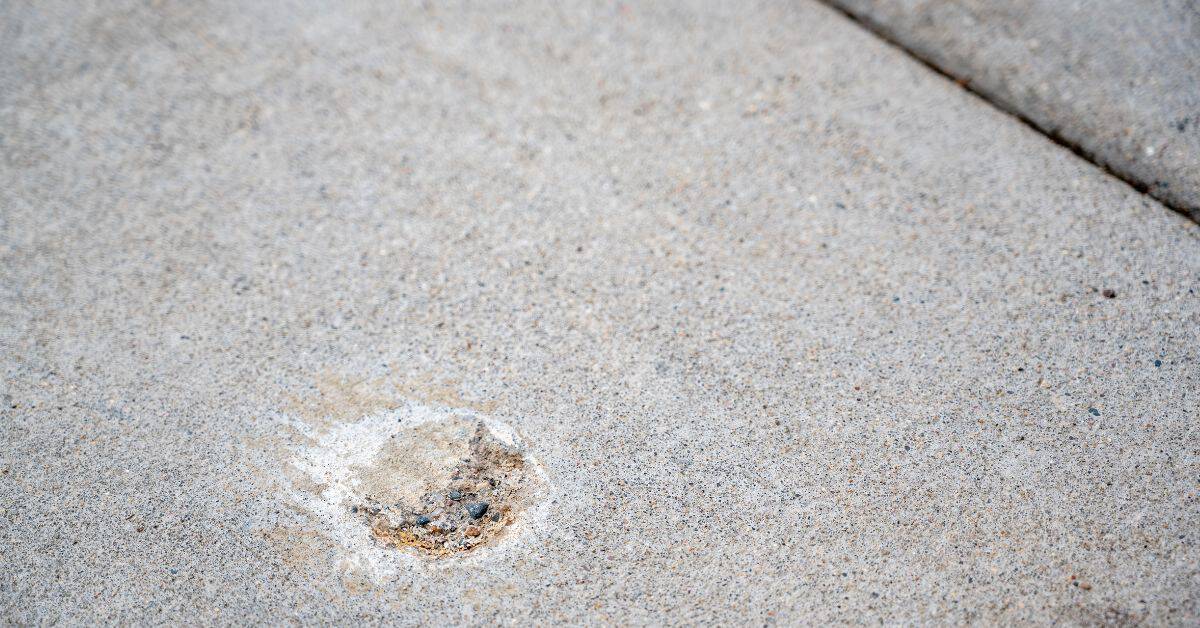
Neutralization Application Methods and Safe Mixing Guidance
Put safety first with PPE, ventilation, and careful handling of acids and neutralizers. Have a spill plan and know how to protect skin and eyes. This keeps the work area safer for everyone on site.
Always verify dilution instructions on the product label and look for any color or pH targets that confirm neutralization. Use a sequence that favors even coverage: apply, then rinse, then recheck before proceeding to the next area. Keep dwell times reasonable and avoid overly thick films that trap moisture or create slick spots.
Dilution checks and safe-range guidance
Always follow the manufacturer’s dilution ratio on the product label. If unsure, test a conservative lower concentration on a hidden area first.
Neutralizers are typically diluted with water at ratios like 1:4 or 1:8. But each product is different, so always check.
Consult the product’s Safety Data Sheet (SDS) for safety details and proper handling procedures.
Application techniques: spray, scrub, and dwell time
Apply neutralizer using a low-pressure sprayer, mop with agitation, or hand-scrub. Each method has its pros and cons:
Spraying is quick but may leave residue in hard-to-reach areas. It’s best for large surfaces.
Mopping ensures even coverage but can be labor-intensive. It’s good for medium to large areas with even surfaces.
Hand-scrubbing is ideal for small, intricate areas or where thorough agitation is needed. It’s time-consuming but effective.
Dwell time varies by method and surface condition. Generally, allow 15-30 minutes for sp