
Introduction
Alkali–carbonate reaction is a chemical reaction in concrete that happens when alkalis in cement react with carbonate rock in the aggregate. It can cause slow cracking and changes in stiffness over time. This article explains what to watch for and how you might address it in a DIY setting.
ACR differs from ASR in the materials involved and how the damage appears, so don’t assume one equals the other. Look for cracking patterns that aren’t typical for ASR and for any changes in surface hardness or detachment of small surface flakes. For mitigation, follow practical steps like using proper cement and aggregate choices when rebuilding, controlling moisture exposure, and consulting product labels or local guidance for acceptable repair methods.
Key takeaways
- Understand Alkali–Carbonate Reaction basics: reacts with carbonate minerals in aggregates.
- ACR differs from ASR: silica in aggregates drives expansive gel formation, not carbonate.
- Symptom cues: map cracking patterns, alkali-aggregate reaction zones, and efflorescence hints.
- Containment steps: limit moisture, isolate affected areas, and avoid drilling into pockets—wear PPE.
- Testing: rely on field tests and confirmatory lab analyses per manufacturer guidance.
- Prevention strategies: specify compatible aggregates, control alkali content, and ensure proper curing.
Table of Contents
- Introduction
- Key takeaways
- Definition and Key Characteristics of Alkali-Carbonate Reaction (ACR)
- How ACR Differs from Alkali-Silica Reaction (ASR)
- Causes and Chemical Mechanisms of ACR
- Field Manifestations, Symptoms, and Visual Checkpoints
- Testing and Diagnostic Methods for ACR
- Mitigation, Prevention, and Remediation Strategies
- Specifications, Standards, and Material Specs Explained
- Costs, Safety, Long-Term Effects, and Lessons from Case Studies
- Conclusion
- FAQ
Definition and Key Characteristics of Alkali-Carbonate Reaction (ACR)
Alkali–Carbonate Reaction (ACR) is a reaction between certain carbonate aggregates and alkali in the concrete pore solution. It involves reactive carbonate rocks, such as dolomitic or calcitic limestone, and enough alkali to initiate swelling. In concrete, the reaction typically progresses under sustained exposure, and certain environmental and mix conditions can promote it, leading to slow expansion and cracking in affected zones.
Look for distinctive cracking patterns and gradual expansion, and be mindful that ACR can resemble other alkali reactions but has carbonate chemistry and different reaction products. Diagnostics rely on petrographic analysis and targeted lab tests, plus comparisons with known ACR cases; if you’re unsure, consult a materials professional. Practical checks you can do on site include inspecting aggregate type, observing color or texture cues, and noting whether cracking follows aggregate boundaries.
What is ACR?
Alkali-Carbonate Reaction (ACR) is a chemical reaction that occurs when alkalis in concrete’s pore solution react with specific minerals found in certain carbonate aggregates. The key players here are the reactive carbonate aggregates, like dolomitic or calcitic limestones, and the alkalis present in the cement paste.
The reaction goes something like this: alkalis from the cement mix attack the calcium and magnesium carbonates in the aggregate. This causes a series of chemical changes that lead to the formation of new minerals, mainly calcium hydroxides and magnesium hydroxides. These new minerals take up more space than their predecessors, leading to expansion and potential cracking.
Think of it like a tiny, slow-motion explosion happening inside your concrete. It’s not as fast or dramatic as some other alkali-aggregate reactions, but given enough time, it can cause significant damage.
Geological and aggregate contexts where ACR occurs
ACR is most likely to occur when concrete contains aggregates sourced from specific types of carbonate rocks. These are typically limestones, but can also include dolostones (dolomitic limestones). The key minerals here are calcite (calcium carbonate) and dolomite (magnesium calcium carbonate).
These rocks often form in marine environments, so you’ll find them in sedimentary basins around the world. However, not all limestones are reactive. ACR-prone aggregates usually come from rocks that have undergone specific geological processes, like contact metamorphism or certain types of weathering.
In the aggregate itself, look for fine-grained, even-textured stones. These often indicate a high proportion of reactive minerals. But remember, the only way to be sure is through proper testing.
How ACR Differs from Alkali-Silica Reaction (ASR)
The chemical basis of ACR centers on carbonate minerals reacting with alkali, while ASR involves reactive silica phases in aggregates. Carbonate reactions produce different gel forms and reaction products compared with silica-based systems. This chemistry drives distinct diagnostic challenges on site.
Aggregate phases differ as well: carbonate rocks with calcite or dolomite are typical for ACR, whereas ASR involves reactive siliceous grains. Prevalence varies by region and source, with ASR more commonly reported in places with abundant reactive silica aggregates. Diagnostic signs and lab tests should be chosen to reflect carbonate mineralogy rather than attempting silica-focused ASR tests on carbonate rocks.
Chemical and mineralogical differences
The key difference between Alkali-Carbonate Reaction (ACR) and Alkali-Silica Reaction (ASR) lies in their chemical basis and the reactive minerals involved.
ACR: This reaction occurs when alkaline pore solutions in concrete react with carbonate minerals, typically calcite or dolomite, found in certain aggregates. The reaction produces a gel that can expand over time, leading to damage.
ASR: In contrast, ASR involves the reaction of alkaline pore solutions with reactive silica phases present in some aggregates, such as opal or chert. This results in the formation of a silica gel that also expands and causes distress.
Differences in damage patterns and progression
The way concrete deteriorates due to ACR often differs from ASR, both in terms of crack patterns and the timing of expansion.
ACR: Cracks tend to be wider and more irregular. Expansion occurs relatively quickly after concrete placement, sometimes within months or years. The reaction can also cause a whitish efflorescence on the surface due to the carbonate nature of the aggregates.
ASR: ASR typically results in narrower, map-cracking patterns. Expansion is usually slower and may not become apparent until many years after construction. The aggregates often exhibit a distinctive gel or ‘sandblasted’ appearance.
Common misdiagnoses and diagnostic pitfalls
Misdiagnosing ACR as ASR, or vice versa, can lead to inappropriate mitigation strategies. Here are some common mistakes to avoid:
- Over-reliance on visual inspection: While cracks and efflorescence can provide clues, they’re not definitive. Always consider aggregate source and local geology.
- Using ASR tests for ACR aggregates: Standard ASR tests may not accurately identify reactive carbonate minerals. Targeted characterization is key.
- Ignoring the timing of expansion: Quick expansion after placement might indicate ACR, while slower expansion could suggest ASR.
- Not considering aggregate variability: Even within a single source, aggregates can vary in their reactivity to alkalis. Always test representative samples.
To avoid these pitfalls, consider the context, consult with experts if needed, and always verify suspicions with appropriate laboratory tests.
Causes and Chemical Mechanisms of ACR
Carbonate rocks become reactive when they host silica-bearing inclusions or other mineral forms that can interact with alkali. Look for common silica-bearing forms like inclusions in dolostone or limestone that set the stage for ACR. The mineralogy, not just the bulk carbonate, matters for reactivity.
Pore solution chemistry provides the alkali environment, driven by cementitious materials and any supplementary cementitious materials used. Mechanistic steps include dissolution of reactive silica, alkali attack, gel formation, microcracking, and gradual expansion. Time scales and moisture conditions influence how quickly these processes develop.
Reactive carbonate minerals and alkali sources
ACR starts with reactive silica phases found in carbonate rocks like dolostone and limestone. These include:
- Silica-bearing inclusions
- Chert
- Opal
Alkali sources come from cementitious systems. Cement itself contributes to alkali loading, as do supplementary cementitious materials (SCMs) like fly ash or slag.
OH− concentration in the pore solution is crucial. It’s high in fresh concrete but drops over time due to hydration and carbonation.
Environmental and mix factors that enable ACR
Moisture is key for ACR. Concrete needs to stay wet long enough for the reaction to start and progress.
Temperature also plays a role. Warmer conditions speed up chemical reactions, including ACR.
Cement composition matters. High alkali cements increase the risk of ACR. SCMs can mitigate this risk by diluting the alkali content and slowing down hydration.
Field Manifestations, Symptoms, and Visual Checkpoints
Crack patterns related to ACR often show map-like or interconnected networks that align with aggregate grains rather than joints alone. Cracking may follow the grain structure and can appear in patches rather than uniform expansion. Field signs need careful interpretation alongside other indicators.
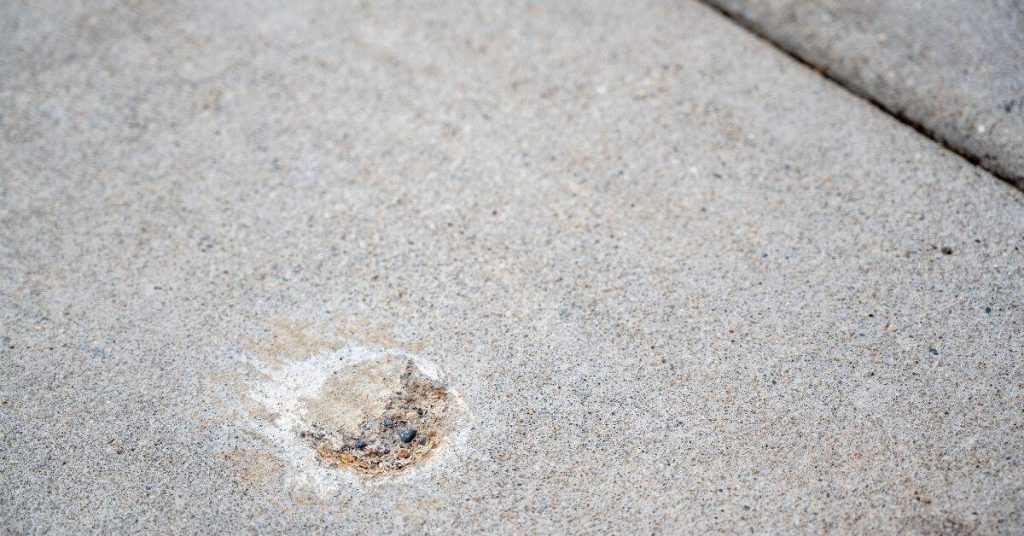
Surface observations include chalky or pale efflorescence, dusting, or localized spalling near openings or edges where moisture concentrates. Look for honeycombing near slabs or deck edges and differential weathering that mirrors carbonate-rich zones. These cues guide further testing.
Surface symptoms and visual clues
Use this checklist to identify visible signs of Alkali-Carbonate Reaction (ACR) on your concrete surfaces. Early detection helps prevent costly repairs.
- Map-cracking: Interconnecting cracks forming a grid pattern; skip checking and you might miss widespread distress.
- Crack spacing: Cracks aligning with aggregate grain size; ignore this and you may overlook ACR-related damage.
- Joint following cracks: Cracks tracing along joints; neglecting these could lead to underestimating ACR’s extent.
- Edge cracks: Cracks near edges or corners; miss these and you might not spot high-stress zones affected by ACR.
- Random cracking: Irregular cracks with no clear pattern; overlook these and you may misdiagnose the problem.
- Pale/white efflorescence: Powdery deposits on surface, often white or pale; ignore this and you might miss ongoing chemical activity.
- Dusting/spalling near openings: Fine particles or small pieces breaking off around doors, windows; overlook this and you may not notice ACR’s impact on vulnerable areas.
- Honeycombing under slabs/deck edges: Hollow-sounding areas beneath concrete slabs or decks; miss these and you might fail to detect early-stage ACR damage.
Quick rule: If you spot any of these symptoms, don’t wait – inspect further and consider professional help.
Internal features and petrographic indicators
Use this checklist to identify internal signs of Alkali-Carbonate Reaction (ACR) in concrete thin sections. Early detection helps prevent structural issues.
- Void formation: Empty spaces within the cement paste; miss these and you might not notice ACR’s impact on concrete’s integrity.
- Crystalline products: Small, distinct crystals forming within voids or cracks; ignore these and you may overlook active ACR processes.
- Cracking around aggregates: Cracks initiating at the interface between aggregate and paste; skip checking and you might misdiagnose distress as mere aging.
- Discolored areas: Dark or discolored patches within concrete; overlook these and you may miss signs of ongoing chemical reactions.
- Moisture-filled voids: Water or dampness trapped within internal spaces; ignore this and you might not detect moisture-related ACR damage.
- Altered paste texture: Changes in cement paste’s usual appearance; miss these and you may fail to notice ACR’s impact on concrete’s strength.
Quick rule: If you observe any of these internal signs, act promptly – further inspection and potential mitigation are crucial.

Testing and Diagnostic Methods for ACR
Field sampling should cover pavements, shoulders, and available source aggregates, with preserved specimens and traceable handling. Gather composite samples to reflect the actual exposure and distribution of carbonate aggregates. Document distress patterns in parallel with sample collection.
Laboratory work should include petrography, mineralogical analysis, and pore solution chemistry to identify carbonate minerals and possible reaction products. Discrimination tests may compare carbonate-aggregate reactions with parallel ASR-oriented tests, emphasizing appropriate control conditions and alkali dosages. Interpret results by integrating field observations with lab findings to assess ACR presence and implications.
Field inspection, sampling, and documentation protocol
Before you start digging, follow this checklist to ensure reliable lab diagnosis.
- Pavement cores: Take samples from areas with visible distress. Aim for 5-10 cores per site.
- Shoulder sections: Excavate small sections where cracks or other symptoms are present. Keep them moist and wrapped until testing.
- Source aggregates: Collect representative samples from the original source, if possible. Bag and label each sample clearly.
- Cementitious materials: Obtain samples of the concrete mix used. Seal in airtight bags to preserve moisture content.
- Photograph: Document visual distress patterns before sampling. Include scale for reference.
- Map cracks: Sketch or use a grid system to map crack networks. This helps correlate symptoms with substrate exposure.
- Non-destructive tests: Conduct resistivity and moisture content tests to guide lab priorities. Record results on-site.
- Chain-of-custody: Maintain a clear chain-of-custody record for each sample. This ensures uncontaminated specimens reach the lab.
Quick rule: Always prioritize representative sampling to get accurate lab results.
Laboratory analyses: petrography, chemical, and expansion tests
Lab analysis helps confirm ACR presence and severity. Here’s what key methods reveal:
Petrography using thin sections under polarized light helps identify reactive carbonate minerals and their interaction with the cement paste.
X-ray diffraction (XRD) and scanning electron microscopy with energy-dispersive X-ray spectroscopy (SEM-EDS) determine mineralogy and reaction products, providing direct evidence of ACR.
Chemical analysis of pore solution measures alkali concentration, which is crucial for understanding ACR progression. Expansion tests under controlled conditions mimic field conditions to observe ACR’s effects on concrete specimens.
Criteria for distinguishing ACR vs ASR in lab results
To confirm ACR rather than ASR, look for these diagnostic signatures in test data:
1. Reactive carbonate minerals: Petrography and XRD should reveal the presence of reactive carbonates like calcite or dolomite.
2. Alkali concentration: High alkali content (Na2O + K2O > 3%) in pore solution indicates ACR potential, but it’s not diagnostic alone.
3. Expansion behavior: Expansion tests should show significant expansion (>0.1% strain) at early ages (6-12 months) for ACR, unlike ASR which expands later and more slowly.
If results are ambiguous or inconclusive, consult an expert in alkali-aggregate reactions to interpret data accurately.
Mitigation, Prevention, and Remediation Strategies
Prevention for new concrete hinges on aligning material choices and mix design to minimize carbonate reactivity. This includes selecting non-reactive aggregates when possible and managing alkali content through mix design changes and SCMs. Consider environmental controls to reduce moisture ingress during curing and service life.
For existing structures, remediation options range from surface sealers and pore-blocking treatments to targeted injections or deeper repairs, chosen by extent and accessibility. Each approach has trade-offs in durability, downtime, and compatibility with coatings. Weigh long-term performance against install complexity and cost.
Materials selection and mix design guidelines
Choosing the right materials is key to preventing alkali-carbonate reaction (ACR). Here’s what you need to consider:
- Low-alkali cement: Use Type II or Type V cements with alkali content below 0.6%. This reduces the risk of ACR.
- Aggregate selection: Avoid reactive carbonate aggregates like calcite, dolomite, and magnesite. Opt for siliceous or non-reactive carbonate aggregates.
- Supplementary cementitious materials (SCMs): Use fly ash, slag, or silica fume to lower the alkali content in the mix and improve durability.
- Water-cement ratio: Keep it low (around 0.45) to minimize porosity and reduce moisture ingress.
- Avoid high-lime cements: High lime content can increase the risk of ACR, so stick to moderate or low-line cements.
Tools and materials checklist for investigation and mitigation
Before you start investigating or mitigating ACR, make sure you have the right tools and supplies:
- Visual inspection tools: Flashlight, mirror, magnifying glass to check for cracks, stains, and other symptoms.
- Sampling equipment: Chipping hammer, core drill bits, sample bags to collect concrete samples.
- Protective gear: Safety glasses, gloves, hard hat, ear protection for sampling and repair work.
- Lab test requests: Forms to request petrographic analysis, chemical tests, and expansion tests from a certified lab.
- Moisture meter: To check moisture content in concrete before and after repairs.
- Surface prep tools: Wire brush, scraper, vacuum to clean surfaces for repair work.
- Tape measure: To ensure accurate measurements for repairs and overlays.
- Level: To check the surface level before applying overlays or coatings.
Quick rule: Always wear appropriate PPE when handling concrete, especially during sampling and repair work.
Repair and remediation approaches for existing ACR-affected concrete
If you’ve found ACR in your concrete, here are some repair and remediation options to consider:
Minor damage (surface cracks, staining): Use pore-blocking sealers or overlays to prevent moisture ingress and further damage. These are quick, non-invasive solutions.
Moderate damage (cracking, delamination): Consider partial-depth repairs using epoxy-based grouts or mortars. This involves removing damaged concrete, cleaning the surface, applying primer, and filling with repair material.
Severe damage (structural cracks, spalling): Full-depth repairs or even removal and replacement of affected concrete may be necessary. Consult a structural engineer before proceeding with major repairs.
Monitoring: If the damage is minimal and not structurally significant, you might choose to monitor it instead of repairing immediately. Regular inspections can help track progress and determine when repair is needed.
Specifications, Standards, and Material Specs Explained
Clarify ACR distinctions in contract language so the spec addresses carbonate reactivity specifically and avoids conflating with ASR. Emphasize the need for carbonate-appropriate assessment and mitigation strategies. Use clear criteria to guide material selection and QA/QC procedures.
Outline standards, test methods, and guidance documents relevant to alkali content, aggregate reactivity, and mitigation requirements. Include templates for cementitious alkali limits, aggregate screening, and SCM usage, plus responsibilities for source certification and verification testing during construction.
Existing guidance and standards to reference
The first step in managing Alkali-Carbonate Reaction (ACR) risk is knowing where to look for help. Here are some key resources:
National Standards: ASTM C157, “Standard Test Method for Potential Alkali Reactivity of Aggregates (Chemical Methods)” and ASTM C289, “Standard Practice for Chemical Analysis of Hydraulic Cement” are crucial. Also, check ACI 233R-06, “Guide to Durable Concrete.”
Regional Standards: Some states have their own guidelines. For instance, California has BIA (Bearing and Isolation) Technical Bulletins. Always check local regulations.
How to write project specifications to avoid ACR
Writing specs that minimize ACR risk involves clear, concise language and targeted testing. Avoid these common mistakes:
- Vague Alkali Limits: Clearly state alkali limits for cementitious materials (e.g., 0.6% Na2O eq.).
- Unspecified Aggregate Sources: Require aggregate sources to be certified non-reactive and specify testing methods.
- Lack of SCM Requirements: Mandate use of Supplementary Cementitious Materials (SCMs) like fly ash or slag to reduce alkali content.
- No Verification Steps: Include periodic re-testing during project execution to ensure materials meet specs.
By including these details, you’ll significantly reduce ACR risk in your project.
Costs, Safety, Long-Term Effects, and Lessons from Case Studies
Weigh upfront prevention costs against remediation and replacement expenses over the structure’s life. Consider materials, coatings, downtime, and ongoing monitoring when choosing a path for prevention or repair. Build a practical budget and schedule around the chosen strategy.
Safety considerations for handling cementitious materials and repairs are essential. Use appropriate PPE, manage dust, and follow proper storage and handling practices for reactive aggregates. Document lessons from real-world cases to inform DIY decisions and contractor guidance.
Cost comparison: prevention versus remediation and lifecycle implications
Preventing Alkali-Carbonate Reaction (ACR) is cheaper than fixing it. But, you’ve got to weigh upfront costs with long-term savings.
Testing: Upfront, expect to spend $500-$2,000 on petrographic and expansion tests. Prevention’s cheaper if you catch ACR early.
Materials & Coatings: Preventive measures like protective coatings add $1-$3 per sq ft. Remediation can cost up to $15 per sq ft. Downtime, labor, and replacement cycles also factor in.
ROI depends on your situation. Prevention might pay off in 5-10 years; remediation could take longer due to recurring costs.
Safety concerns when handling reactive materials and during repair work
Wrong material choices can cause safety issues. Here’s what you need to know.
- PPE: Wear gloves, goggles, and a dust mask. Avoid skin/eye contact with reactive aggregates.
- Dust Control: Use wet cutting and grinding. Ventilate work areas.
- Waste Handling: Segregate ACR-affected waste. Follow local disposal guidelines.
- Contractor Safety: Ensure contractors follow safety protocols, especially when sampling or repairing.
- Storage & Handling: Keep cementitious mixes covered and moist. Avoid freezing/thawing cycles.
Case studies and common diagnostic mistakes with lessons learned
Learn from others’ mistakes to avoid costly missteps.
- Misidentifying ACR as ASR: Wrong diagnosis led to ineffective repairs. Always test for both.
- Ignoring Early Signs: Cracks and stiffness changes were dismissed, leading to severe deterioration.
- Inadequate Monitoring: Insufficient long-term checks resulted in reoccurring issues.
Key takeaways: Test early, monitor regularly, and don’t ignore signs of distress. Always consult professionals if unsure.
Conclusion
Dealing with alkali–carbonate reaction is about protecting the structure now and for the long haul. It matters for safety, durability, and how the finished look holds up over time.
Inspect for signs such as cracking, discolored patches, or damp areas, then confirm with the appropriate tests and compare your materials against the project specs before you make any repairs. Plan the work in stages, start with a small, non-critical area, and document what you find so you don’t guess your way through a repair.
Common mistakes are ignoring moisture, using incompatible materials, and skipping proper testing or documentation. Always wear the right PPE, keep the work area dry and well ventilated, and never assume a quick patch solves an underlying chemical issue. If you’re unsure about test results or needed remediation methods, pause and get a second opinion before you proceed.
Call a qualified professional when the area is large, the signs are extensive, or you’re unsure about testing or mitigation steps. Stay practical, stay safe, and you’ll protect both the look and the life of the structure.
FAQ
What is Alkali-Carbonate Reaction (ACR) in simple terms?
ACR is a chemical reaction inside concrete where alkalis react with certain carbonate rocks in the aggregate. It can cause cracking and some loss of strength over time. Check the aggregate label or manufacturer instructions if you’re unsure what your concrete used.
How does ACR differ from Alkali-Silica Reaction (ASR)?
ACR involves carbonate rocks, not silica, as the reactive component. ASR is typically more common and can cause more widespread cracking. Look at the aggregate source or testing results to tell them apart.
What are the signs or symptoms that indicate ACR in a structure?
Look for map cracking or random cracks in non-load bearing areas, sometimes with powdery or chalky residues. Cracks may trend across slabs, walls, or joints, but not always in a single neat pattern. If you see cracking with porous or discolored aggregate, investigate further.
What tests or checks can I use to assess ACR on a DIY project?
Rely on the concrete’s source documentation, lab reports, or field tests recommended by the material supplier. Use plain visual checks and compare to symptoms described by the manufacturer. For any formal assessment, follow the supplier’s instructions and local rules, and consider professional testing if needed.