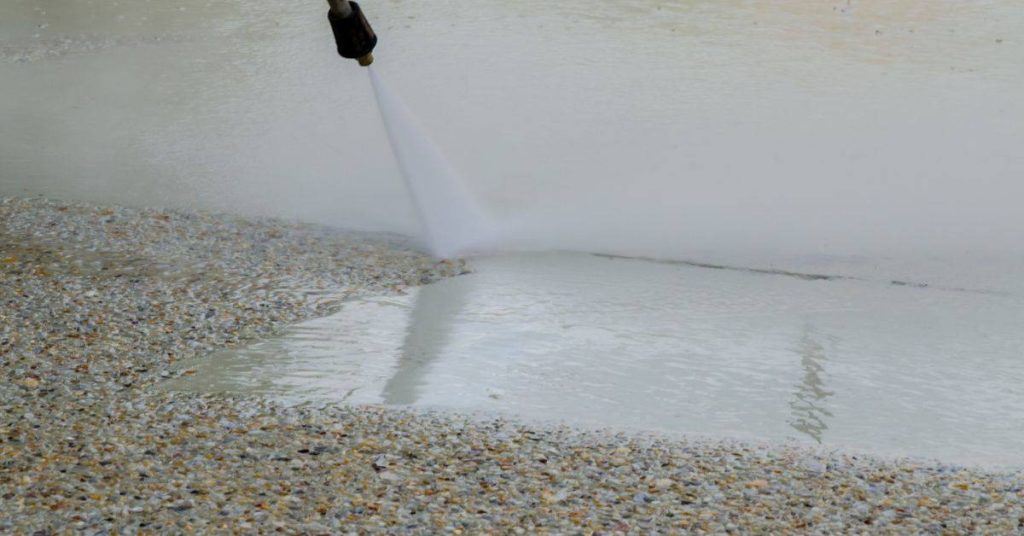
Pressure washing exposed aggregate concrete surface

Concrete Etch Alternatives: When Degreasing and Profiling Beat Acid Washing

Introduction

Concrete etch alternatives are practical cleaning and mechanical methods—like degreasing and surface profiling—that replace acid washing when you need safer, more controlled prep. As a DIYer, think of degreasing to remove oils and contaminants and of profiling (grinding, shot blasting, or scarifying) to roughen the slab so coatings will stick; check product labels and manufacturer instructions for the required concrete surface profile and any substrate specs.

For indoor work you’ll prioritize low-dust methods and ventilation, and outdoors you can be more aggressive but must manage runoff and weather. If you’re unsure what profile or prep a coating needs, stop and check the coating manufacturer’s instructions or local standards before you start.

Key takeaways

  • Know Concrete Surface Profile (CSP) guidelines to match intended finishing textures.
  • Differentiate acid etching, degreasing, and profiling by surface readiness outcomes.
  • Indoor and outdoor prep require doorways, containment, and ventilation considerations.
  • Degreasing needs proper cleaners, mechanical scrubbing, and verification of cleanliness.
  • Profiling creates mechanical key; verify surface roughness with acceptable ranges.
  • Safety: follow PPE, ventilation, and waste disposal rules; never mix chemicals.
Table of Contents

What “Etch Alternatives” Are and When to Choose Them

Degreasing and profiling are non-acid surface-prep strategies: degreasing targets oil and grease with cleaning chemistries and mechanical scrubbing, while profiling creates a mechanical texture or “key” by removing weak material. Acid washing (etching) uses acid to chemically roughen but won’t reliably remove heavy organics and can open pores when that isn’t wanted.

Use degreasing when visible oil/grease, hydrocarbon stains, or fresh concrete curing residues interfere with adhesion; use profiling when you need a defined surface texture without chemicals, or when coatings require a particular mechanical profile. Check product labels or manufacturer instructions for compatibility, test small patches, and avoid over-roughening by matching the method to the coating’s required profile and substrate condition.

When alternatives outperform acid washing

Acid washing isn’t always the best choice. It depends on what you’re dealing with and what you need in the end.

Oil or grease contamination: Degreasing is your friend here. Acid won’t touch these, it just eats away at the concrete.

New pours or coated slabs: Profiling might be better. You don’t want to damage that fresh surface or remove the coating.

Open pores not desired: Profiling can give you a defined texture without opening up those pores, unlike acid washing.

Common materials and contaminants addressed

The stuff on your concrete matters. It dictates what you should use to prep it.

  • Oils & Grease: Degreasing is the way to go. Solvent or detergent cleaners, then mechanical scrubbing and rinsing.
  • Curing Compounds: Profiling can handle these. Mechanical grinding or polishing should do the trick.
  • Laitance (concrete skim): Profiling again. Bead blasting can help here, but be careful not to over-roughen.
  • Dust & Debris: A simple sweep and vacuum might suffice before profiling or degreasing.
  • Existing Sealers: Check the type first. Some can be removed with strippers, others need mechanical removal (profiling).

Back to top ↑

Degreasing: Methods, Best Practices, and Limitations

Degreasing is a cleaning step to remove organics—oils, grease, tars—that interfere with coatings; it’s not intended to create a mechanical profile. You can approach it chemically (solvent, alkaline cleaners) or mechanically (scrubbing, floor machines, pressure washing) depending on the soil and site constraints.

Apply cleaners to fully cover the stain area, allow appropriate contact time per product instructions, then rinse and dry thoroughly; pre-wetting in some cases helps spread cleaners but verify with the product data sheet. Prioritize ventilation, compatible PPE, and confirm the degreasing step won’t leave residues that block primers—if adhesion is in doubt, do a small adhesion test and proceed to profiling only if cleaning alone is insufficient.

Types of degreasers and application methods

Degreasers come in three main types: water-based, alkaline, and solvent-based. Each has its uses.

Water-based: These are eco-friendly but may not tackle heavy grease. Spray them on, let it dwell for 10-15 minutes, then scrub or pressure wash off.

Alkaline: These are strong cleaners, great for heavy grease and oil. Apply by spray or brush, let sit for 20-30 minutes, then rinse with water. Be careful, they can damage skin and eyes.

Solvent-based: These are harsh but effective on tough grime. Use sparingly due to fumes. Apply by spray or brush, let sit for 15-30 minutes, then wipe off with a clean cloth. Never use on hot surfaces!

Visual checkpoints and simple performance tests

Before applying any coating, ensure your concrete is properly degreased. Here’s a quick checklist:

  • No visible film: Wipe with a clean cloth to check for residue.
  • Water beading: Splash some water on the surface. If it beads up and doesn’t spread, your surface is likely degreased.
  • Adhesion test: Apply a small amount of coating, let it sit for recommended time, then scrape off with a razor blade. If it comes off easily, you’re good to go.
  • Tape test: Stick a piece of painter’s tape on the surface, press down firmly, then pull off quickly. No residue means your surface is clean.

Quick rule: If in doubt, re-clean and retest. Better safe than sorry!

Back to top ↑

Profiling Methods and How They Create the Right Surface

Profiling is mechanical surface modification to produce a textured surface that bonding systems can grip; it removes weak surface laitance, old coatings, and some contaminants while setting a measurable profile. Common methods include diamond grinding to produce controlled removal and a smooth-to-medium profile, shot blasting to create an anchor pattern quickly, and scarifying for aggressive texturing on thick or heavily contaminated slabs.

Each method changes the surface appearance and roughness differently, so pick the tool to match the target CSP and coating requirements and to avoid exposing weak aggregate or creating high spots. Verify uniformity visually and with adhesion or profile measurement tests, control dust or collect debris, and consider noise, equipment access, and cleanup when choosing the method.

Mechanical profiling techniques and use-cases

Each mechanical profiling method has its strengths, suited to different job situations. Here’s when to use them:

Grinding: Ideal for thin overlays or toppings. It provides a smooth finish with minimal dust. Trade-off: Slower process.

Shot blasting: Great for large slabs and heavy coatings. Faster cleaning, but generates more dust. Trade-off: Less material removal.

Scarifying: Perfect for rough surfaces or removing thick contaminants. Creates a rough texture. Trade-off: More noise, requires debris handling.

CSP and surface profile requirements for coatings

The Concrete Surface Profile (CSP) measures roughness, guiding coating adhesion. ICRI recommends CSP 2-4 for most coatings.

Check your coating manufacturer’s guidelines for specific needs. A higher CSP means rougher surface, better for heavy-duty coatings. Lower CSP is smoother, suitable for thin coats or sealers.

Remember: The goal is a uniform profile to ensure even adhesion and performance of the final coating.

Back to top ↑

Acid Washing: When It Helps and Why It Can Fail

Acid washing uses an acidic solution to chemically etch concrete, remove light surface contaminants, and open a micro-roughness that can improve bond in some cases. It can be effective on thin laitance or mineral films but does not reliably remove oil or deeply embedded contaminants and may alter surface chemistry.

Problems arise from over-etching, uneven application, exposing weak material or salts, and improper neutralization or rinsing that leaves residues or traps moisture; always test a small area and consult product or coating manufacturer guidance. Use proper PPE and neutralization procedures, and switch to mechanical profiling or degreasing when acid performance is questionable or when open pores are undesirable for the intended finish.

Appropriate use-cases for acid etching

Acid etching is a useful tool when you need to lightly clean and profile sound, uncoated concrete. It’s great for preparing surfaces before applying coatings or overlays.

Here are some ideal scenarios:

  • Dedicated coating projects needing a fresh profile
  • Slabs with minimal curing compound interference
  • Floors requiring a uniform micro-roughness

However, acid etching should be avoided when dealing with weak or damaged concrete. It can exacerbate existing problems.

Risks, limitations, and surface chemistry concerns

While acid etching has its benefits, it also comes with risks. Here are some to consider:

Over-etching can lead to roughness variance and expose weak laitance or salts. This can weaken the surface and cause efflorescence.

Incomplete neutralization and rinsing can leave residue behind, affecting the bond of subsequent coatings. Contaminants may also re-emulsify during the process.

Moisture entrapment is another concern. If not properly dried, trapped moisture can cause issues with your finish.

Back to top ↑

smooth concrete wall surface with slight texture

Decision Framework: Choosing Degreasing, Profiling, or Acid Washing

Start with a substrate analysis: note visible contaminants, porosity, moisture condition, and any existing sealers or coatings, then identify the contaminant type (organic, curing compound, laitance, salts). Match the treatment to the problem—degreasing for organics, profiling for mechanical key, and acid wash for light mineral films—while keeping coating maker instructions and job specs in view.

Factor in environmental, safety, and scheduling constraints such as ventilation, waste handling, and project timeline before selecting a method. Confirm the choice with a small test patch, moisture and adhesion checks, and a go/no-go criterion; if the test fails, escalate to a different method or consult the coating rep or design professional.

Site assessment checklist

Before starting any prep work, use this checklist to assess your site’s conditions.

  • Contamination type: Identify if it’s grease/oil, curing compounds, laitance, or efflorescence. Wrong identification may lead to ineffective cleaning.
  • Surface hardness: Check if the surface is hard or soft. Soft surfaces might require different treatment.
  • Moisture condition: Assess if the substrate is dry, damp, or wet. Moisture affects cleaning and coating adhesion.
  • Existing coatings: Identify any existing paint, sealers, or other coatings. Some may need removal before prep work.
  • Access considerations: Check if equipment can reach all areas. Inaccessible spots might not get properly prepped.
  • Porosity and texture: Evaluate the substrate’s porosity and texture. This affects how well it accepts or rejects contaminants.
  • Temperature and humidity: Note current conditions. These affect cleaning, coating application, and curing.
  • Substrate condition: Check for cracks, delamination, or other defects. Repair as needed before prep work.
  • Coating system requirements: Review the manufacturer’s guidelines for surface prep. Following these ensures best results.

Quick rule: A thorough site assessment helps avoid costly mistakes and rework.

Tools and materials checklist

Gather the right tools and materials for your job to ensure efficient and effective prep work.

  • Degreasers: Choose a cleaner compatible with your contaminant type. Using the wrong degreaser can cause damage or ineffectiveness.
  • Scrubbers: Select brushes, pads, or power washers suitable for your surface. Wrong scrubbers may scratch or damage surfaces.
  • Grinders and sanders: If profiling, choose the right tool for your surface type. Using wrong tools can cause excessive dust or damage.
  • Blast media: Select appropriate media for profiling (if applicable). Wrong media can cause excessive damage or ineffectiveness.
  • PPE: Ensure you have proper safety gear. Skipping PPE puts your health at risk.
  • Acid wash solution: If using, ensure it’s compatible with your substrate and coatings. Wrong acid can cause damage or ineffectiveness.
  • Rinsing equipment: Have adequate water supply and drainage for rinsing. Inadequate rinsing leaves residues that hinder coating adhesion.
  • Drying equipment: Plan for drying, if needed (e.g., heaters, fans). Moisture can cause coating failure.
  • Coatings and sealers: Have these ready for application after prep work. Delaying application may allow contaminants to redeposit or moisture to reappear.

Quick rule: Having the right tools and materials ensures a smooth, efficient job.

Matching method to coating type and installer capabilities

The best prep method depends on your coating type and installer’s skills. Here’s how they match:

Thin-film coatings (e.g., paints): These usually require minimal prep – often just degreasing or light profiling to remove loose material. Over-prepping can damage the surface.

Epoxy and other high-performance coatings: These need thorough cleaning, often with degreasers, and sometimes profiling to create a mechanical key. Inadequate prep leads to poor adhesion or coating failure.

Cementitious overlays (e.g., microtoppings): These require profiling to ensure good mechanical bond. Without proper profiling, the overlay may delaminate over time.

Installer capabilities: Consider your installer’s experience and equipment availability. Using inexperienced installers or inadequate equipment can lead to poor results.

Back to top ↑

Material Specs and Standards Explained

Consult industry guidance such as ICRI surface preparation recommendations and the relevant ASTM and ACI documents to understand CSP classifications, acceptable cleanliness levels, and testing protocols. Project specifications and coating manufacturer data sheets both matter—read them side-by-side to reconcile profile, moisture, and alkalinity limits that affect adhesion and warranty conditions.

Use the standards to set measurable targets: determine acceptable CSP range, choose contaminant tests (oil, salts, dust), and plan adhesion or pull-off tests to verify readiness. Record test results and deviations, and when in doubt about interpretation, check the product technical data sheet or involve a coating representative or engineer.

Which standards to consult and why

The first step is knowing which standards to look up. Here’s what you need:

ICRI Guidelines: These cover surface preparation and CSP (Concrete Surface Profile) classifications. You’ll find them useful for understanding acceptable profiles and cleaning criteria.

ASTM Standards: Look for those related to concrete surface prep and adhesion testing. They’ll help you understand the right methods for preparing your surface and ensuring good coating adhesion.

ACI Documents: These focus on concrete restoration and coatings compatibility. They’re crucial for understanding how different cleaning and profiling methods affect your substrate’s long-term performance with coatings.

Reconciling job specs and manufacturer requirements

You might find differences between your project specs and the coating manufacturer’s instructions. Here’s how to resolve them:

First, document the discrepancies. Note down where they differ and why.

Next, test and verify. Conduct surface profile measurements, residual contaminant tests, moisture assessments, etc., as recommended by both specs. This helps you understand which is more suitable for your job.

If there’s a significant conflict, initiate an informed change order. Consult with design professionals or coating reps to make changes that won’t void warranties and maintain long-term performance.

Back to top ↑

Safety, Environmental, and Disposal Considerations

PPE, ventilation, and spill control are primary concerns whether you’re using chemical cleaners, acids, or dust-generating profiling equipment; follow label and SDS instructions for each product. For mechanical profiling plan dust capture or wet methods, use respiratory protection, and control noise and debris to limit exposure and cross-contamination.

Handle chemical wastes and rinse water in line with local regulations—label containers, separate hazardous materials, and arrange proper disposal or recycling rather than dumping to drains. Keep a spill kit on site, document permits or manifests as required, and when unsure check local environmental authorities or the product SDS for disposal guidance.

Personal protection and exposure controls

Safety on the job site starts with protecting yourself. Here’s what you need:

  • Eye/face protection: Wear safety glasses or a face shield to protect your eyes from chemical splashes and dust.
  • Respiratory protection: Use a respirator when working with chemicals or during mechanical profiling to avoid inhaling fumes or dust. Follow the manufacturer’s instructions for proper use, maintenance, and storage.
  • Skin protection: Wear gloves suitable for the task – chemical-resistant gloves for handling cleaners or acids, and work gloves for handling tools.
  • Ventilation: Use local exhaust ventilation (LEV) when working with chemicals to remove fumes from your workspace. For mechanical profiling, use general ventilation to keep dust levels low.

Waste handling and environmental precautions

Proper waste management is crucial for protecting the environment. Here’s how:

  • Containment: Use spill kits, absorbents, and secondary containment to prevent chemicals from entering soil or water sources.
  • Disposal paths: Consult your local environmental authority for proper disposal of rinse water, spent blast media, and acidic wastes. They can provide guidance on recycling options, hazardous waste treatment facilities, or curbside disposal.
  • Labeling and separation: Label all containers clearly with the contents and date. Keep incompatible chemicals separated to prevent reactions that could cause spills or explosions.
  • Container integrity: Ensure containers are in good condition before use, and never exceed their rated capacity. Inspect containers regularly for leaks or damage.

Back to top ↑

Cost, Durability, Common Mistakes, and Troubleshooting

Cost drivers include labor, equipment rental, consumables, and ongoing maintenance; degreasing is typically lower upfront but may require repeat work, while profiling needs more equipment and labor but often yields longer-lasting adhesion. The durability of a coating depends chiefly on correct prep—insufficient cleaning or wrong profile leads to premature failure regardless of material cost.

Common mistakes are skipping tests, leaving residues after cleaning, over- or under-profiling, and ignoring moisture or compatibility limits; watch for early signs of failure like bubbling or flaking and run adhesion tests if problems appear. When rework is needed, document failures, select a prep method that addresses the root cause, and re-test small areas before full-scale reapplication.

Cost and lifecycle considerations

The upfront cost of preparing concrete for coatings varies by method. Degreasing is the cheapest, requiring only cleaning agents and labor. Profiling adds shotblasting or grinding equipment rental. Acid etching involves acid costs and disposal fees.

Labor: Degreasing takes 1-2 hours per 100 sq ft. Profiling doubles that. Acid etching can take 3-4 hours due to safety precautions.

Equipment: Profiling needs shotblasting or grinding equipment, around $500-$800/day. Acid etching requires PPE and ventilation, about $200-$400 in supplies.

Long-term maintenance: Proper prep extends coating lifespan. Poor prep leads to early failure, costing more in reapplication or replacement.

Common mistakes and remedies

Avoid these common pitfalls for successful concrete coatings:

  • Insufficient cleaning: Dirt, grease, or moisture reduce adhesion. Spot clean before reapplying coating.
  • Wrong profile: Not enough profile leads to poor adhesion. Too much can cause coating failure. Consult manufacturer for ideal profile depth.
  • Moisture entrapment: Trapped moisture causes delamination. Ensure surface is dry before application and consider using a moisture barrier primer.
  • Improper cleaning steps: Skipping neutralization after acid etching can cause coating failure. Always rinse and neutralize.

Regularly test adhesion with pull-off tests. Consult manufacturers if issues persist.

Back to top ↑

Conclusion

Takeaway: pick the least aggressive approach that delivers a durable, clean surface, and always put safety and future appearance first. When in doubt, choose a plan that prioritizes proper degreasing, profiling, or only light acid washing, and test your method on a small area before full work.

Proceed with a simple, practical checklist: inspect the surface for oil or heavy grime, decide whether degreasing, profiling, or a light wash will work, and then test a patch first; follow the chosen method’s steps in the correct order, use the right PPE and ventilation, and clean up thoroughly and neutralize if required; record what you did and what worked, and avoid skipping cure or dry times to prevent problems down the line.

Common mistakes to avoid include applying aggressive cleaners or acidic wash without testing, skipping surface profiling or not adequately cleaning the pores, and rushing the process without safety measures or proper disposal. Remember: Safety first, follow the product instructions, ventilate and protect adjacent surfaces, and never mix chemicals or skip testing. If you see unpredictable staining, flaky concrete, or abnormal odors, pause and reassess before proceeding.

When to call in a pro: if the surface is exposed to heavy contamination, you’re unsure about profiling or acid washing requirements, or the project scope involves large areas, intricate edges, or structural concerns. A professional can confirm the right method, avoid costly mistakes, and keep you on schedule. Stay practical, stay steady, and you’ll land a durable, clean, and looks-right finish.

Back to top ↑

FAQ

How do Concrete Surface Profile (CSP) concepts influence choosing degreasing, profiling, or acid washing?

CSP is a way to describe how rough the surface ends up after prep. For DIY, think of it as the grip the new concrete coating will have. If you need a strong bond, profiling methods may be best; if you only need to remove contaminants, degreasing might be enough. Check the product label or manufacturer guidelines for their recommended CSP targets.

What standards or specs should I look for when prepping a substrate?

Look for the manufacturer instructions for the coating you plan to apply and any local rules about surface prep. Check for clear guidance on acceptable surface cleanliness, roughness, and moisture conditions. When in doubt, verify with the product datasheet and follow their prep steps exactly.

Are there different prep techniques for indoor versus outdoor concrete?

Yes. Indoor jobs tend to prioritize low dust and control of moisture and fumes. Outdoor prep may face weather and dust from the environment. Use the technique that fits the space, and always vent fumes and wear proper protection. If a method isn’t listed for indoor or outdoor use, check the label or manufacturer instructions before proceeding.

What are the most common surface prep mistakes and how can I avoid them?

Rushing cleaning, skipping moisture checks, or not testing the surface before coating are common mistakes. Always inspect the surface after degreasing or profiling to confirm it’s clean and dry to the touch. If you’re unsure, test a small area first and follow the product instructions.

Back to top ↑

More about this topic