Stacked precast concrete hollow core slabs on dirt ground

Concrete Crazing vs Cracking: How to Tell the Difference on New Slabs

Introduction

Crazing is a fine, spiderweb-like network of tiny surface cracks on a new slab. Cracking refers to larger, more obvious breaks that can run through the slab. They behave differently in the field and require different checks.

Crazing is usually tied to rapid surface drying, finishing practices, or the way the surface was treated, while cracking can come from shrinkage, overloading, settling, or joints. To tell them apart, look at the crack: crazing tends to be hairline and shallow, while real cracks are wider and may cut deeper or follow a pattern. If you’re unsure, check the material labels or follow the project instructions and local guidance for your area.

Key takeaways

  • Crazing are fine surface cracks from plastic shrinkage; cracks are structural breaks.
  • Visual: crazing forms a web-like network; cracks form larger, isolated lines with depth.
  • Causes: crazing from plastic shrinkage evaporation; cracking from shrinkage, overload, settlement.
  • Risk: cosmetic only vs structural—beware unseen cracks; consult a pro if unsure.
  • Immediate actions: keep surface moist, avoid heavy loads, document with photos for records.
  • Prevention/repair: DIY fixes limited; consult a pro for structural cracks; use proper curing.
Table of Contents

TL;DR — Quick Answer and Reading Guide

On new slabs, crazing typically reads as a fine, spiderweb or map-like network that stays cosmetic, while structural cracking tends to be wider, irregular, and potentially linked to movement or overload. The visual cues and how the lines form tell you a lot about urgency and risk without crawling into the details of every joint or reinforcement.

This quick guide points you to the sections that cover visual identification, immediate steps, and prevention. You’ll find a simple decision tree and a practical reading path: identify crazing, identify structural cracks, take immediate steps, and apply prevention measures. Use the diagnostic checklist to quickly decide when to seal, when to monitor, and when to call in a professional for assessment or repairs.

Quick identification cheat-sheet

Crazing and cracking can look different on new concrete slabs. Here’s a quick guide to help you tell them apart.

Crazing: Looks like fine, random hairline cracks forming a spiderweb pattern across the surface. These are usually harmless and cosmetic in nature, caused by shrinkage during curing.

Cracking: Appears as single or multiple wider, irregular lines that may run deep into the slab. These could be structural issues due to overload, movement, or other factors and require immediate attention.

Who should read which section

This guide is designed to help both homeowners and professionals identify and address issues with new concrete slabs. Here’s who should focus on what sections:

Homeowners: Skim the ‘Quick identification cheat-sheet’ for immediate visual cues, then dive into ‘Immediate steps to take on a new slab’ and ‘Prevention tips’ to keep your concrete in top shape.

Builders & Inspectors: Familiarize yourself with the ‘Visual-diagnostic checklist’ for thorough identification. Use the ‘Practical decision tree’ to assess risk, and consult ‘When to call a pro’ before taking any major actions.

Back to top ↑

Visual and Physical Signs: How to Spot Crazing Vs Cracking

On new slabs, crazing tends to appear as a fine, uniform network that is shallow and relatively even across the surface; cracks, by contrast, are irregular, longer, and may cross joints or run along edges, sometimes showing a distinct depth when probed with a tool or fingernail. The pattern and edge behavior tell you what you’re dealing with without specialized equipment.

Try quick field checks with a fingernail or a thin coin at a few spots to gauge depth and width. If you can catch a groove easily, it leans toward a real crack; if you cannot, or the lines stay a uniform, hairline network, crazing is the likeliest scenario. When in doubt, document patterns and seek a professional judgment if movement or moisture intrusion accompanies the signs.

Surface patterns and texture differences

Crazing on new slabs appears as a dense, hairline network resembling a spiderweb or map. It’s uniform, shallow, and usually covers the entire surface within days to weeks after pouring.

Cracks, on the other hand, are linear breaks that can radiate, widen, or separate the slab. They’re often longer, deeper, and may follow control joints or run through the slab at irregular angles.

The surface texture also differs. Crazing leaves a smooth to slightly rough, powdery-feeling top with no open slots. Cracks often leave a noticeable edge or gap where the concrete has separated.

Depth and movement checks

To check depth without equipment, use a fingernail or thin coin to lightly test at a few points. If you can catch the edge and feel a groove, it’s likely a crack. If not, or if it only forms a fine network, it’s more likely crazing.

Run a screwdriver or coin along suspected cracks to see if they widen at joints or seams. Monitor over days and weeks for any movement or spreading.

If cracks are wide (pencil width or more), spreading, changing direction, or following joints, it may indicate deeper structural issues that need professional attention.

Typical timing and locations on new pours

Crazing typically appears within days to weeks of pouring as the concrete dries and cures. It often shows up first on the surface, especially in finishes or areas where bleeding has occurred.

Cracks, however, can appear later due to settling, loading, or other factors. Check corners, edges, and atop inadequately compacted subgrade for early signs of cracking.

Control joints are designed to control where cracks form. If you see cracks running through these joints, it’s usually not a cause for concern. But if they’re running across joints or through the slab at irregular angles, it may indicate a problem.

Back to top ↑

Root Causes: Why Crazing Occurs and Why Slabs Crack

Crazing is usually tied to surface phenomena like curing and plastic shrinkage, where the top layer dries and tightens faster than the underlying mass; cracks fall into broader categories that include shrinkage, settlement, overload, thermal effects, freeze–thaw cycles, and reinforcement issues that push the concrete apart. The surface pattern helps distinguish these scenarios at a glance.

Think of the main crack families as cause-and-effect: shrinkage happens during curing, settlement as the slab settles, and overload or poor jointing leading to movement; thermal cracking follows temperature swings, freeze–thaw cycles provoke repeated expansion and contraction, and corrosion of steel can generate internal pressure that spawns cracks. Each category has its own diagnostic cues, like timing near form removal, location near joints, or pattern shifts with moisture conditions, which you should compare against the observed signs.

Primary causes of crazing

Crazing is a superficial network of hairline fractures that appear on the surface of concrete slabs. It’s primarily caused by rapid drying of the concrete’s surface, a process known as plastic shrinkage.

Over-finishing the slab’s surface can also contribute to crazing. High water content at the surface during finishing can lead to a weak top layer that develops cracks as it dries and hardens.

Environmental conditions play a significant role too. Hot, dry winds or high temperatures can accelerate surface drying, increasing the likelihood of crazing.

Key takeaway: Crazing is mostly a cosmetic issue caused by surface-related factors.

Common causes of structural cracking

Structural cracks are deeper and can compromise the integrity of your concrete slab. Here are some common causes:

Shrinkage: As concrete cures, it loses volume. If this shrinkage is restrained, it can cause cracks to form through the thickness of the slab.

Poor subgrade compaction: Inadequate preparation of the base beneath your slab can lead to settlement over time, causing cracks to appear at the surface.

Improper jointing: Without proper control joints, concrete slabs are more likely to crack as they shrink and move. Excessive loads or thermal movement can also cause cracking if joints aren’t properly placed.

Corroding reinforcement: Rust from corroding steel reinforcement inside the slab can put pressure on the surrounding concrete, causing cracks to form at the surface.

Interactions and mixed cases

Crazing and structural cracking don’t always exist independently. Sometimes, crazing can coexist with or even mask real cracks, making it difficult to determine the true extent of damage.

Multiple factors can also work together to produce both surface and structural failures. For example, improper curing that leads to crazing combined with settlement due to poor subgrade compaction could result in a slab with both surface cracks and deeper structural cracks.

Key takeaway: It’s crucial to consider the interplay between different factors when diagnosing concrete issues. What might seem like harmless crazing could be a sign of more serious problems beneath the surface.

Back to top ↑

Risk Assessment: Cosmetic Vs Structural—and When to Worry

Start with clear distinctions: cosmetic crazing stays superficial with no movement, while structural cracks show signs of widening, displacement, or direction changes that indicate deeper issues. Quick questions help you screen: does the crack widen over time, and is there misalignment or shifting near joints?

Build a practical checklist that uses simple thresholds and context, acknowledging that location, slab age, and loads matter. If a crack remains hairline and non-displacing, treat it as cosmetic but document it; if it widens or travels across joints or shows movement, bring in a structural professional for evaluation and potential reinforcement or underpinning options.

Triage rules: when it’s likely cosmetic

If you spot cracks on your new concrete slab, don’t panic. Some are just minor and won’t cause major issues. Here’s how to tell if a crack is likely just cosmetic:

Look for these signs:

Crazing: Fine hairline cracks in a dense spiderweb pattern, limited to the top surface.
– No change over time: The crack hasn’t widened or changed since you first noticed it.
– No displacement: There’s no visible movement, misalignment, or leaning of slabs.

If these signs are present, monitor the crack. Take photos with a ruler every few months to track any changes. If nothing changes after a year, consider it cosmetic and seal it to prevent water intrusion.

Red flags that imply structural concern

Some cracks are more serious and need immediate attention. Here’s what to look for:

If you notice any of these, act fast:

– Crack widening: The crack is getting wider over time.
– Horizontal displacement: There’s movement or misalignment in the slab.
– Separation at joints: Joints between slabs are opening up.
– Cracks through reinforcement: Cracks go through the rebar, compromising the slab’s strength.
– Interior foundation impacts: Cracks on interior walls or floors may indicate foundation issues.

If you see any of these red flags, document the cracks with photos and measurements. Then, call a structural professional for an inspection. They can determine if reinforcement, slab repair, underpinning, or replacement is needed.

Safety, water ingress and freeze-thaw implications

Different types of cracks can create various problems. Here’s what to watch out for:

Safety hazards:

– Trip hazards: Wide or uneven cracks can cause people to trip and fall.
– Water penetration: Cracks allow water to enter, accelerating deterioration and potentially leading to mold growth.

Freeze-thaw damage potential:

In cold climates, water that enters cracks can freeze and thaw, causing further cracking and damage. To mitigate this, ensure your concrete is properly sealed and consider filling larger cracks with a flexible sealant designed for freeze-thaw resistance.
Back to top ↑

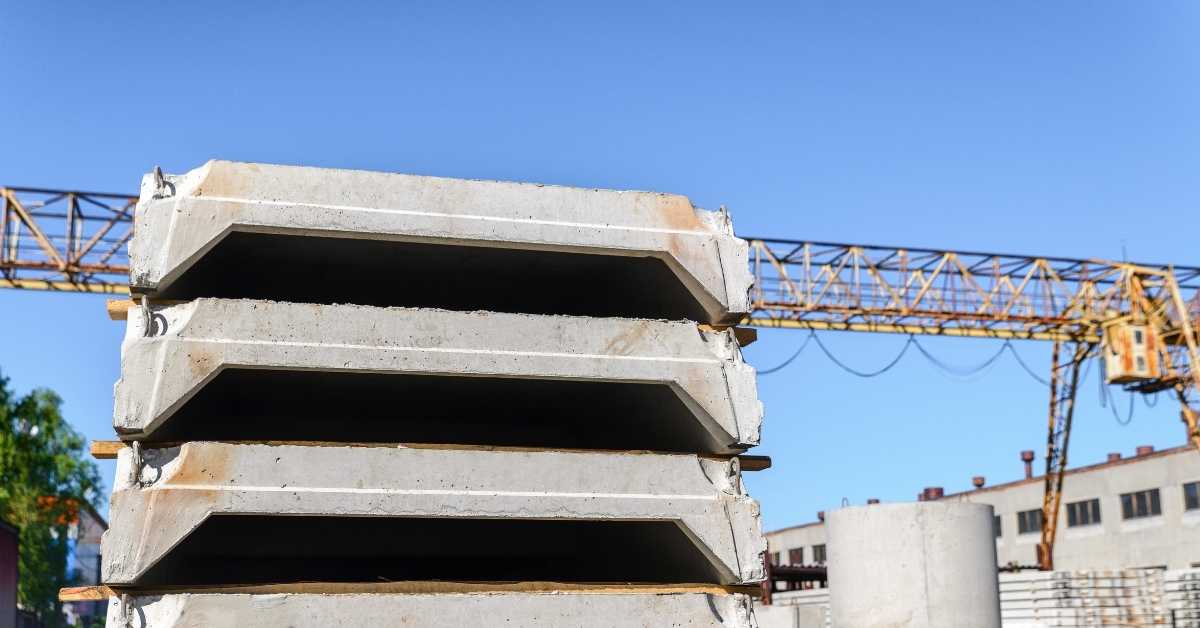
Stacked precast concrete slabs at construction site under clear sky

Immediate Actions and Short-Term Protection for New Slabs

First, identify and remove trip hazards while keeping the area safe; mark any unstable zones and establish a temporary barrier if needed. This protects both people and the slab as you plan the next steps.

Next, control moisture and avoid aggressive cleaning that can drive shrinkage; cover with breathable curing blankets or approved plastic to regulate evaporation, and remove standing water promptly. Keep traffic light and distribute any unavoidable loads with plywood mats to minimize stress on the surface while you arrange professional assessment.

Quick protective measures

Cover your new slab with breathable plastic or commercial curing blankets. This regulates moisture loss and prevents rapid drying, which can cause cracks.

Divert runoff: Ensure water doesn’t pool on the surface. Use temporary barriers to direct it away from the slab.

Avoid loads: Keep vehicles and heavy equipment off the fresh concrete. If access is unavoidable, use plywood mats or boards to distribute weight evenly.

Temporarily seal lines: For surface crazing, apply a thin layer of compatible sealer to keep water out. This helps prevent further damage until professional assessment.

What to avoid doing

Here are some mistakes to steer clear of when dealing with new concrete slabs:

  • Overworking the surface: Avoid walking on or working the slab too much. This can cause micro-damage and exacerbate existing issues.
  • Incompatible sealers/paints: Don’t apply any sealers, paints, or other coatings until the concrete has fully cured (at least 28 days). Incompatible products can trap moisture and cause damage.
  • Loading the slab: Keep heavy loads off the fresh concrete. This includes vehicles, equipment, and concentrated weights from storage items.
  • Invasive repairs: Before performing any repairs, ensure you’ve diagnosed the depth and cause of the problem. Invasive repairs without proper diagnosis can lead to further damage.

Remember, patience is key when it comes to concrete. Avoid rushing into actions that could potentially harm your new slab.

Back to top ↑

Repair Options: DIY Fixes Vs Professional Solutions

Match the repair approach to the defect type: surface treatments and sealers for crazing, and deeper structural repairs or replacement for cracks that show movement or span joints. Use the observed pattern and movement as your guide for choosing DIY vs pro help.

Be mindful of the limits of DIY methods: proper surface prep, product compatibility, curing requirements, and the risk of trapping moisture or aggravating the issue if applied incorrectly. For deeper cracks, professionals offer injections, epoxy or polyurethane treatments, stitching, or reinforcement, and in severe cases, slab replacement may be necessary after careful evaluation.

Surface repairs and cosmetic restoration

When your concrete’s got crazing – those tiny cracks on the surface – you’ve got a few options. First up, let’s talk about resurfacing.

Resurfacing is like giving your concrete a facelift. It’s best when the base is solid but the top layer’s shot. Check if the base compaction’s good before you start. You can use products like microtoppings or overlayments to create a new, smooth surface.

Topical sealers are another option. They don’t fix cracks, but they’ll stop moisture getting in and making them worse. Use them when the crazing’s minor and you just want to protect your concrete.

Light patching can help with small cracks too. But remember, it’s a band-aid, not a cure. If the base is weak or the cracks are big, you’ll need more than a quick fix. Always check the cause of the problem before you start tinkering.

Structural repair methods and when to call a pro

When it comes to structural repairs, DIY fixes can be tricky. Here are some professional solutions and signs that you need an engineer or contractor:

Injection Grouting & Stitching: These methods involve injecting grout or resin into cracks to stabilize the structure. It’s a job for pros as it requires specialist equipment and knowledge of soil conditions.

Underpinning (Grout or Foam): This involves strengthening foundations by injecting grout or foam beneath the slab. It’s risky, so always consult an engineer first to check base compaction and ensure it’s safe.

Slab Replacement: If your slab is beyond repair, replacement might be needed. This is a big job that requires heavy machinery and professional expertise. Don’t attempt this yourself as you could cause further damage or injury.

Always remember, if you’re unsure about any structural repairs, it’s better to be safe than sorry. Call in a pro for diagnosis and permanent repair. They have the tools, knowledge, and experience to get the job done right.

Monitoring and follow-up after repair

Alright, listen up. You’ve patched that crack or fixed that lean, now it’s time to keep an eye on things. Here’s what you need to do:

Document your repairs. Take before and after photos, note down the date, method used, and any special considerations. This helps track progress and spot trends.

Set a monitoring schedule. Check your repair every few weeks for the first couple of months, then once every season thereafter. Here’s what to look for:

Movement: Any new cracks or shifts in the structure could mean more issues are brewing. If you see anything more than hairline cracks, it’s time to re-evaluate.

Water intrusion: Check around your repair for any signs of water getting in. This can cause further damage and compromise your fix.

Base compaction: If you’ve done any underpinning or foundation work, make sure the base remains compacted. Any settling could indicate a problem.

If you’re unsure about anything, don’t hesitate to consult a pro. It’s better to catch issues early than let them turn into major problems down the road.

Back to top ↑

Prevention Checklist for New Slab Pours and Finishing

Cover the full pour with actionable practices that span mix design, placement, finishing timing, curing, and jointing. Focus on controlling shrinkage and surface stress from the outset by aligning materials and workmanship with the intended use and environment.

Plan joint spacing and reinforcement early, manage bleed water, and use appropriate curing regimes to reduce surface stress; ensure proper subgrade prep and drainage to prevent settlement. Keep a running checklist for batching accuracy, slump, air content, and temperature, and schedule preventive maintenance to minimize future crazing and cracking.

Mix, finishing, and curing guidelines to reduce crazing

Use this checklist during your concrete slab pour to minimize the risk of crazing – those hairline cracks that can ruin an otherwise perfect finish.

  • Check water-cement ratio: Too much water weakens the mix, leading to crazing. Aim for a range of 0.45 to 0.60 (check manufacturer’s guidelines).
  • Inspect aggregates: Ensure aggregates are clean and free from coatings or dirt that could interfere with bonding.
  • Monitor concrete temperature: Ideal placement temperature is between 50°F to 70°F (10°C to 21°C).
  • Check slump test: A slump of 3 to 6 inches indicates a good, workable mix. Too much slump can lead to segregation and crazing.
  • Finish promptly: After initial set (when imprint of foot disappears), strike off, bullfloat, and power trowel within 15-30 minutes to avoid plastic settlement.
  • Check surface moisture: Before final finishing, ensure surface is moist but not wet. Excess water can lead to crazing during final curing.
  • Use proper curing compounds: Apply a liquid membrane or cure-and-seal compound after final troweling to prevent rapid moisture loss and crazing.
  • Cover and keep moist: Cover the slab with plastic sheeting, keeping it consistently moist for at least 7 days. This allows concrete to gain strength gradually without drying too quickly.

Quick rule: Keep your concrete slab consistently moist during the first week after pouring to prevent rapid moisture loss and crazing.

Subgrade, compaction, joints, and reinforcement planning

Use this checklist before you pour your slab to ensure a strong, durable foundation. Follow these steps to prevent costly cracks and structural issues.

  • Check subgrade compaction: Properly compacted soil prevents settling and shifting. Use a nuclear density gauge or sand cone test to confirm at least 90% Procter density.
  • Inspect base material: Ensure the base is clean, free of debris, and well-graded. A good base promotes proper slab support and drainage.
  • Verify moisture content: Check soil moisture to ensure it’s within acceptable limits (usually 5-10%). Excessive moisture can lead to settlement and cracking.
  • Plan control joints: Control joints direct and limit random cracks. Consult local standards or an engineer for specific spacing, but typically they’re placed every 24″ to 36″.
  • Check joint depth: Ensure control joints are deep enough (usually 1/4 to 1/3 of slab thickness) to effectively direct cracks.
  • Position reinforcement correctly: Reinforcement should be centered within the slab and properly spaced. Check manufacturer instructions for specific spacing, but it’s typically 6″ to 12″ on center.
  • Verify rebar size: Use appropriate rebar size based on slab thickness and loading conditions. Consult local standards or an engineer if unsure.
  • Check wire mesh placement: If using wire mesh, ensure it’s properly placed within the middle third of the slab to provide maximum support.

Quick rule: Always consult local building codes and standards or an engineer if you’re unsure about any aspect of your subgrade, compaction, jointing, or reinforcement planning. Better safe than sorry!

Scheduling and weather planning

Before you start any slab pour, use this checklist to ensure you’re scheduling your work at the right time and considering weather conditions.

  • Check daily forecast: Look for extreme temperatures (over 90°F/32°C or below freezing) or high winds. Adjust your schedule if necessary.
  • Plan pours in the morning: This allows concrete to cool gradually throughout the day, promoting even curing.
  • Check humidity levels: Low humidity can cause rapid evaporation and lead to crazing. Consider using additives or misting if humidity is below 50%.
  • Avoid pouring in direct sunlight: Direct heat can speed up setting time, making it difficult to finish the slab properly.
  • Monitor wind conditions: High winds can cause rapid evaporation and create an uneven surface. If winds are over 10 mph (16 km/h), consider rescheduling or using windbreaks.
  • Check local weather patterns: Know the typical weather for your area at this time of year to avoid surprises.
  • Consider curing time: Plan your pour so that you have enough time for proper curing. This is typically 7 days, but can vary based on conditions.
  • Check manufacturer’s guidelines: Some concrete mixes may have specific temperature or weather requirements. Always check the product label.

Quick rule: If in doubt, wait it out. It’s better to reschedule a pour than risk expensive rework due to poor conditions.

Back to top ↑

Tools, Inspection Checklist, Documentation, and Cost Considerations

Put together a DIY-friendly toolbox for slab inspections that includes basic measurement tools, light, a camera with timestamps, and safety gear; this setup helps you capture clear evidence of any changes. Use it to run a consistent inspection every time you visit the slab.

Develop a simple documentation routine: photos with scale, notes on width and pattern, and a trend log to track movement over time; this supports decisions about DIY repairs vs professional assessment and informs any cost-conscious planning. Factor in material costs, tool reuse, and expected repair lifespan when weighing options and future maintenance needs.

Tools and materials checklist

Before you start inspecting or repairing your new concrete slab, make sure you have the right tools and materials on hand.

  • Camera or smartphone: To document cracks and crazing.
  • Tape measure: To measure crack width and length.
  • Straightedge: To check for level and alignment.
  • Screwdriver/magnet: To detect reinforcement (rebar) in the slab.
  • Chalk: To mark cracks and crazing patterns.
  • Utility knife: To clean out crack surfaces for repair.
  • Concrete sealant: To prevent water ingress and protect from freeze-thaw cycles.
  • Concrete filler: To fill cracks and crazing before sealing.

Quick rule: Always buy products compatible with concrete to ensure effective repairs.

Inspection and documentation protocol

Proper inspection and documentation are crucial for understanding the problem, making informed decisions, and supporting any future claims or quotes.

  • Photograph cracks: From multiple angles to show pattern, width, and depth. Use a scale in each photo.
  • Measure crack width: At the widest point using a ruler/caliper for accuracy.
  • Record location: Note where the crack is on the slab for easy reference later.
  • Date stamp photos: To track progress and changes over time.
  • Note environmental conditions: Temperature, humidity, and weather can affect concrete performance.
  • Check for patterns: Cracks following a pattern may indicate underlying structural issues.

Quick rule: Regular documentation helps track changes and supports any future repairs or claims.

What affects repair cost and longevity

Several factors influence the cost of repairing concrete crazing and cracking, as well as the lifespan of your repairs.

  • Extent and depth of damage: The more severe the damage, the higher the repair cost.
  • Access to the area: Difficult access can increase labor costs.
  • Need for structural work: Repairs involving reinforcement or underpinning are more expensive and complex.
  • Local labor rates: Labor costs vary by location, affecting your repair bill.
  • Material costs: Different sealants and fillers have varying prices. Always choose quality products.

Quick rule: For major repairs, consider getting multiple professional assessments to compare quotes and ensure you’re making the best decision for your slab’s longevity.

Back to top ↑

Conclusion

Your new slab is worth protecting. By distinguishing crazing from cracking and acting on the right steps, you keep surfaces safe, durable, and looking right while avoiding costly damage.

Now proceed with a simple, one-pass approach: inspect a small test area first to confirm whether signs are cosmetic or structural, check for moisture and movement, apply and cure any immediate protection per your plan, document findings and costs, and then follow the repair or prevention steps in a measured sequence before finishing or loading it.

Common mistakes to avoid are pushing through a repair without confirming the cause, skipping safety gear or testing in a low-stakes spot, and using remedies that aren’t compatible with your slab or finish. Always prioritize safety: wear eye and skin protection, control moisture carefully, and never apply fixes that could trap water or create new cracks. If the signs suggest structural concerns, or you’re unsure about the cause, call a professional rather than guessing, and use proper sequencing to protect the slab as you work toward a durable, long-lasting result.

Back to top ↑

FAQ

What is crazing, and what is cracking in concrete?

Crazing are fine, spiderweb-like hairline cracks on the surface. Cracking are larger, deeper splits that can go through the slab. Both show on the surface, but they tell different stories about what’s happening below.

What causes crazing cracks on a new slab?

Crazing usually comes from finishing too soon, rapid surface drying, or a glaze left on the surface. It can also happen if the mix had too much fines or if the slab was finished with a slick trowel pass. It’s mostly cosmetic if the depth is shallow and the slab is sound beneath.

What causes cracking in concrete slabs (shrinkage, overloading, etc.)?

Cracking can come from shrinkage as the concrete dries, from temperature changes, from improper jointing, or from overloading the slab after it cures. It can also occur if reinforcement is inadequate or the soil underneath settles. Depth and pattern help tell you whether it’s structural or cosmetic.

How can I tell if a crack is cosmetic or structural?

Look at depth, width, and length. Structural cracks are wider than a hairline, run across joints, or keep growing. Cosmetic cracks stay where they formed and don’t show settlement or displacement.

Back to top ↑

More about this topic