

Introduction
This article explains how to apply stucco over foam board and why mesh weight matters. You’ll learn about choosing the right mesh and what to watch for to keep the wall flat. We’ll keep it practical and hands-on, with steps you can check on the job site.
Start by confirming your foam board and base coat are compatible with stucco mesh. Check the mesh weight recommendations on the product label and follow the manufacturer’s guidance for lath and fasteners. Keep the surface as flat as possible by using a straightedge, addressing any dips before you apply the base coat, and avoiding over-tagring corners.
Key takeaways
- Verify foam board compatibility and mesh type per manufacturer instructions locally.
- Match mesh weight to wind load expectations and stucco thickness limits.
- Practice straight, continuous mesh embedment over taped joints to avoid voids.
- Inspect for wave signs early; adjust lath alignment and substrate securement.
- Use proper mixing, application sequence, and back-beading to minimize porosity.
- Safety: wear PPE, follow fall protection and proper ladder use when scaffolding.
Table of Contents
- Introduction
- Key takeaways
- Quick Primer: What “Stucco over Foam” Systems Are and Why Mesh Matters
- Mesh Basics — Materials, Construction, and Terminology
- Choosing Mesh Weight: Guidelines and Decision Factors
- Key Specs and Numbers That Matter (Without a Datasheet)
- Preventing ‘Wavy Wall’ Syndrome — Root Causes and Design Fixes
- Application Techniques That Minimize Waves and Ensure Good Embedment
- Troubleshooting, Inspection, and Repair Options
- Tools, Materials Checklist, and Visual Checkpoints for DIY and Contractors
- Conclusion
- FAQ
Quick Primer: What “Stucco over Foam” Systems Are and Why Mesh Matters
Stucco over foam systems pair a foam substrate with a cementitious finish to create a weathered exterior. The base coat, reinforcements, and finish must work together to resist cracking and weathering. Mesh is the backbone that controls movement and keeps the surface flat over time.
Understand the difference between adhered EIFS-style assemblies and traditional cementitious stucco over foam. Each approach has its own rules for attachment, embedment, and finish readiness. Check your project’s specs to confirm the exact system type you are working with.
Foam Substrate Types and Compatibility
The first step in a stucco over foam system is choosing the right foam board. There are three common types:
- Extruded Polystyrene (XPS): Rigid, closed-cell structure with high compressive strength.
- Expanded Polystyrene (EPS): Less rigid, open-cell structure with lower compressive strength.
- Polyisocyanurate (Polyiso): High R-value, but less common in residential applications.
Key compatibility issues include:
- Compressive strength: Ensure the foam can handle the weight and pressure of the stucco system.
- Surface texture: Smooth surfaces need better adhesion; textured surfaces may require additional mesh for reinforcement.
- Adhesive/fastener choices: Different foams may require specific adhesives or fasteners to ensure a strong bond.
System Attachment Methods: Adhered vs Mechanically Fastened
The way your foam substrate is attached to the wall affects how it moves and, consequently, your mesh choice and fastening pattern.
Adhered Systems (EIFS-style): Foam is glued directly to the wall. This method allows for a continuous barrier but can lead to movement issues if not done correctly.
Mechanically Fastened Systems: Foam is attached using screws or nails. This method allows for more movement but requires proper mesh and fastening pattern to prevent ‘wavy wall’ syndrome.
In both cases, understanding the foam’s movement characteristics is key to choosing the right mesh weight and installation method.
Mesh Basics — Materials, Construction, and Terminology
Mesh serves as reinforcement, helping to control crack paths and improve impact resistance. It is typically woven or laid as multiple layers within the base coat. The right mesh works with your coating and substrate for a durable finish.
Common materials include fiberglass and alkali-resistant variants. Learn the meaning of terms like weave, weight, and embedment so you can compare options without guessing. Always verify terminology on the product label or data sheet.
Mesh weave, openness, and strand thickness explained
The mesh’s weave matters. Tighter weaves embed better into the base coat, giving you a stronger bond.
Strand thickness affects visibility. Thicker strands show less through the finish layer, giving a flatter look.
Openness refers to how much space is between strands. More open meshes let more base coat pass through, improving embedment but reducing impact resistance.
Alkali-resistance, coatings, and trade names
Cement in stucco is alkaline. Without protection, mesh can corrode over time.
Look for ‘alkali-resistant’ or ‘AR’ on product labels. This means the mesh has a protective coating.
Some common AR meshes include ‘Fibermesh’, ‘Tuff Mesh’, and ‘Stucco Wrap’. Each has its own coating system, but all resist alkalinity.
Choosing Mesh Weight: Guidelines and Decision Factors
Think of mesh weight as a reinforcement level for the job. Lighter grades suit smaller repairs and flatter surfaces, while heavier mesh provides added stiffness and crack control in rougher conditions. Use a decision framework to match the setting with the reinforcement goal.
Always consult the manufacturer guidance for exact products and installation specifics. If in doubt, reference the product data sheet or technical instructions and confirm suitability for your substrate and climate. Local rules may also influence the choice, so check them as well.
Site and Climatic Factors That Drive Heavier Mesh
The mesh you choose should stand up to the forces your wall will face. Here’s what to consider:
Wind Exposure: High winds can put extra stress on your stucco. In exposed sites, opt for heavier mesh.
Thermal Cycling & Freeze-Thaw: Extreme temperature changes cause expansion and contraction. Heavier mesh helps prevent cracking in these conditions.
Impact Zones: Areas prone to impact (like near doorways or walkways) need heavier mesh for extra durability.
Substrate and Structural Factors
The strength of your substrate and structure can dictate the mesh you’ll need. Here’s why:
Thin Foam: Thinner foam substrates need heavier mesh for support. They can’t bear as much weight on their own.
Long Spans & Offsets: Wide unsupported spans or offsets in your framing may require additional reinforcement. Heavier mesh helps distribute stress evenly.
Remember, it’s not just about the foam. The strength of your underlying structure matters too. Always consider both when choosing a mesh.
Key Specs and Numbers That Matter (Without a Datasheet)
Focus on the aspects that drive performance: material type, alkali resistance, embedded length, and compatibility notes with the base coat. These are the items that affect long-term durability and surface flatness. Look for clear statements on endurance and bonding in the documentation.
If terms or requirements are unclear, ask the manufacturer for test reports or a performance summary. Do not guess the values; verify by reading the labeled data or a formal evaluation document. Keep a record of what you verify for future reference.
What to verify on a mesh or base-coat datasheet
The datasheet’s your friend. Here’s what to check:
Material Type: Ensure it’s compatible with your foam board and stucco system.
Recommended Uses: Make sure it’s suited for your specific application – exterior, interior, or both.
Minimum Embedment Instructions: Follow these to ensure proper adhesion and strength. Too little embedment can lead to delamination.
Installation Limits: Check temperature and moisture limits. Installing in freezing temps or high humidity can cause issues.
Which standards and certifications to ask about
Don’t rely on guesswork. Ask suppliers for these:
Industry Standards: Like ASTM or ACI. These ensure products meet minimum quality and performance levels.
Third-Party Evaluation Reports: From organizations like ICC. They verify a product’s compliance with standards.
If they can’t provide these, consider it a red flag. Safety and performance shouldn’t be a gamble on your home.
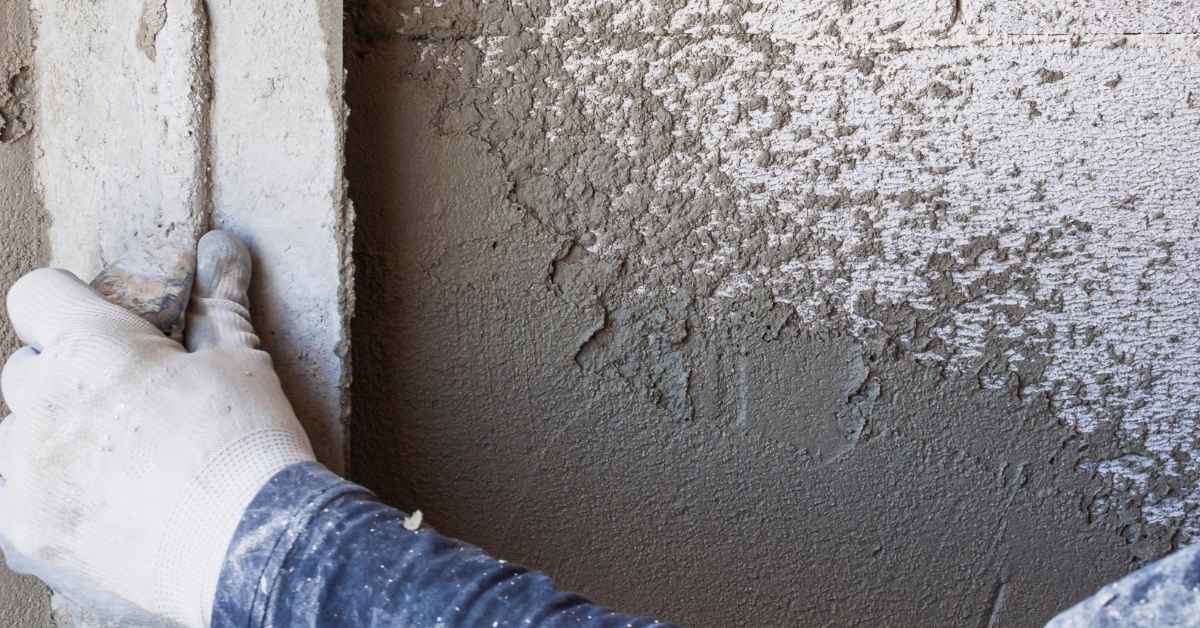
Preventing ‘Wavy Wall’ Syndrome — Root Causes and Design Fixes
The main culprits are substrate movement, loose or insufficient adhesion, and under-embedment of mesh. Inadequate base-coat application can also lead to surface waviness. Identifying these causes helps you plan effective fixes before finishing.
Apply prevention strategies that match the project needs: secure the substrate, maintain proper embedment, and follow a consistent base-coat thickness. Ensure the jointing and reinforcement are compatible with the chosen system. Verify recommendations in the project instructions.
Substrate Fastening, Adhesive Use, and Mechanical Anchors
Properly securing your foam substrate is crucial to prevent ‘wavy wall’ syndrome. Here’s how:
Fastening Density: Aim for 12-16 fasteners per square yard (10-14 per sq.m). Use a combination of screws and nails, ensuring they’re long enough to penetrate the studs.
Adhesive Supplementation: While fasteners are key, using adhesive can help distribute stress evenly. Apply it in a ‘stipple’ pattern for maximum coverage.
Mechanical Anchors: For thin foam or long spans, supplement with mechanical anchors like Z-clips or hat channels. They provide extra support where needed most.
Control Joints, Movement Joints, and Termination Details
Properly placed joints help absorb movement and prevent waviness. Here’s how to detail them:
Control Joints: Install these every 4-6 feet (1.2-1.8m) vertically and every 8-10 feet (2.4-3m) horizontally. They should be deep enough to reach the foam substrate.
Movement Joints: Place these at corners, openings, and transitions. They allow for expansion and contraction due to temperature changes.
Termination Details: At windows, doors, and other openings, use termination bars or L-angle flashing to prevent stucco from cracking or peeling off.
Application Techniques That Minimize Waves and Ensure Good Embedment
Use a methodical approach to base coat and mesh embedding, keeping a steady hand and even coverage. Work in sections to maintain uniform thickness and control. Take care to avoid air voids and dry spots that can cause waviness.
Follow manufacturer wet-embed instructions to the letter, including cure times and layering order. Feather edges smoothly to blend transitions and maintain flatness. When in doubt, recheck instructions on the label or data sheet before proceeding.
Embedding mesh: pressure, overlap, and orientation tips
Press the mesh into the wet base coat using a mesh embed roller. Apply even pressure to ensure full contact with the foam board.
Overlap mesh strips by at least 2 inches (5 cm) to create a strong bond between them. Follow your manufacturer’s guidelines for specific overlap requirements.
Align mesh strips to control crack lines. Stagger joints of adjacent rows to avoid creating weak points in the stucco system.
Achieving consistent base-coat thickness and finish readiness
Use scratch/level guides or screeds to maintain a consistent base-coat thickness. These tools help create a smooth, even surface for embedding the mesh.
For thin spots, use a trowel to spread additional base coat material evenly. Be sure not to over-trowel, as this can lead to an uneven finish and increased risk of waviness.
Ensure your base-coat mix is ready for application by checking the manufacturer’s recommended slump test. This helps guarantee proper adhesion and workability during embedding.
Troubleshooting, Inspection, and Repair Options
Develop a practical diagnostic checklist to distinguish cosmetic waves from structural issues. Look for signs of substrate movement, loose edges, or poor adhesion during inspection. Document findings to guide repair decisions.
Plan repairs from simple skim fixes to partial system replacement as needed. Include triggers for calling a structural or EIFS specialist and follow up with documented recommendations from the manufacturer or building codes. Verify the proper procedure before starting any repair work.
Minor cosmetic waves: quick fixes and when they’re acceptable
Use this checklist if your walls have minor, isolated waviness. It’s a quick way to check for easy fixes.
- Check adhesion: Gently push on the wavy area. If it feels solid and doesn’t move, adhesion is likely good.
- Look for loose mesh: Inspect behind any visible waves. Loose mesh can cause waviness.
- Check base-coat thickness: Measure the coat’s thickness at the wave and a flat area. If it’s uneven, that could be causing the wave.
- Feel for hollow spots: Gently knock on the wall. Hollow spots indicate possible voids behind the stucco.
- Inspect control joints: Make sure they’re properly spaced and filled. Improper spacing can cause waviness.
- Check for moisture: Wavy areas might be due to trapped moisture. Use a moisture meter if unsure.
- Look at termination details: Incorrect termination can lead to waviness near corners and edges.
- Safety check: Ensure no one is living in or using the affected area while repairs are made.
Quick rule: If waves are minor, stable, and pass these checks, sanding or skim-coating might be all you need. But keep an eye on them; minor issues can worsen over time.
Severe or recurring waviness: diagnosis and remedial measures
Use this checklist if your walls have severe, persistent, or spreading waviness. It helps diagnose the root cause and plan repairs.
- Check for structural movement: Look for cracks at corners, around windows, or near the foundation. Movement could be causing waves.
- Inspect foam board: Check for damage, delamination, or signs of moisture intrusion on the foam board substrate.
- Check anchors: Ensure mechanical anchors are secure and properly spaced. Loose or missing anchors can cause waviness.
- Look at control joints: Make sure they’re functioning correctly. If not, waves might be due to restricted movement.
- Inspect termination details: Incorrect termination can lead to severe waviness near corners and edges.
- Check for moisture: Severe or recurring waviness could indicate a long-term moisture problem. Use a moisture meter if unsure.
- Document findings: Take photos, notes, and measurements. This will help with warranty claims or contractor negotiations.
- Consult a specialist: If you find structural movement, consider consulting a structural engineer or EIFS specialist.
Quick rule: Severe or recurring waviness usually requires more than just spot repairs. You might need to reinforce the substrate, add more anchors, or even remove and rebuild parts of the system.
Tools, Materials Checklist, and Visual Checkpoints for DIY and Contractors
Convert your setup into a concise checklist of essential tools, materials, PPE, and optional testing gear. Include items that help you verify embedment, adhesion, and surface uniformity. Use visual checkpoints to confirm correct installation at each stage.
Tailor the list to your project scale and system type, and cross-check against the product instructions. If a tool or material requirement is unclear, consult the manufacturer instructions or a local building authority for guidance. Keep the checklist handy on the job to stay organized.
Essential tools and consumables
Before you start, make sure you have all the necessary tools and materials to ensure a smooth installation.
- Stucco mixer: To blend your stucco mix evenly. Follow manufacturer’s recommendations for type and size.
- Trowels (3-4 sizes): For applying, embedding mesh, and finishing the surface. Match sizes to job requirements.
- Floats: To smooth out the base coat and finish layer. Choose floats with appropriate size and texture.
- Stucco fasteners: To secure mesh to foam board. Use recommended type and spacing.
- Sealants: For sealing joints, edges, and penetrations. Match sealant type to job requirements.
- Tape measure: To ensure accurate measurements for cutting mesh and determining application depths.
- Level or laser level: To set and maintain straight lines at screeds and edges.
- Mesh (weight as per design): Choose the correct mesh weight to match your base coat thickness and foam board type.
Quick rule: Always follow manufacturer’s recommendations for tools and materials to ensure a successful installation.
Visual checkpoints during and after install
Regularly inspect your work throughout the process to catch any issues early and maintain quality.
- Mesh embedment: Check that mesh is fully embedded in the base coat. Incomplete embedment can lead to delamination and cracking.
- Absence of tenting: Ensure there are no air pockets or ‘tents’ forming under the surface. These can cause unevenness and weak spots.
- Straight edges at screeds: Verify that all edges and corners are straight and even. Uneven screeds can result in wavy walls.
- Consistent finish texture: Inspect the surface for uniform texture. Inconsistencies may indicate improper mixing, application, or curing.
- Curing progress: Monitor the stucco’s curing process. Check for consistent hardening and drying.
- Joint alignment: Ensure control and movement joints are properly aligned and filled. Misaligned joints can lead to cracking.
- No visible fasteners: Confirm that all fasteners are covered by the base coat. Exposed fasteners can rust and cause discoloration or cracking.
Quick rule: If you notice any issues, stop work immediately to assess and address them before proceeding.
Conclusion
aragraph>In the end, the key move is to pick the right mesh weight for the foam system and then guard against waves by building a solid embedment path from the base out. When you respect the workflow, you get a durable, even finish that looks right and lasts.
aragraph>
Start with a small test patch to validate foam compatibility and mesh weight, confirm the foam board type and thickness, then verify your chosen mesh will embed properly with the expected scratch coat. Move in a practical order: prep the surface, apply the scratch or base coat, place the mesh flush and centered, press it in evenly, and then allow proper cure time. Keep a straightedge or string line handy to check for waviness and straight joints as you go, and inspect corners, edges, and transitions before moving to finish coats. Protect work from rain and temperature swings during cure, and always wear proper PPE during mixing and troweling.
aragraph>
Avoid these common missteps: using the wrong mesh weight for the system, skipping surface prep or primer, skipping or rushing embedment, or pushing coats too thick or too soon. Don’t let foam flex or dents go unchecked, and never ignore cure times or water exposure. Safety rules matter: test on a small area first, work in good light, keep tools clean, and don’t overload a trowel or coat beyond its recommended thickness.
If the project spans large areas, complex details, or you hit stubborn waviness despite careful steps, consider bringing in a pro. A hands-on evaluation can prevent hidden failures and costly repairs later. Stay patient, follow the check-in points, and you’ll finish with a solid, professional-looking result you can be proud of.
FAQ
How do I choose the right mesh weight for foam board stucco?
Mesh weight affects strength and crack resistance. Check the manufacturer instructions and product label for the recommended range for foam-board applications. If in doubt, choose a mid-range option and confirm with local guidelines or the installer’s guide.
What factors should I verify before embedding the mesh in the stucco coat?
Ensure the mesh is properly embedded with a continuous, even coat. Look for full coverage without gaps or fishmooks along edges, and confirm the mesh lies flat against the foam without wrinkles.
What are the common causes of a “wavy wall” and how can I prevent them?
Waves usually come from improper lath/mesh spacing, insufficient keying, or uneven substrate. Follow the manufacturer’s spacing recommendations, use proper scratch coats to bond the mesh, and check the substrate for flatness before applying stucco.
What should I inspect during curing and weather planning to avoid future issues?
Keep to the curing window specified by product instructions and avoid extreme temperatures or direct sun if not advised. Cover or shield the surface as needed and check for changes in temperature, moisture, or wind that could affect bonding and finishing.