

- Table of Contents
- Key Takeaways
- Introduction
- Criteria for Evaluation
- Overview of Jointers
- Details on Early-Entry Saws
- Comparative Analysis of Features
- Situations Favoring Jointers or Saws
- Common Questions About Control-Joint Tools
- Conclusion
- FAQ
Key Takeaways
- Material Compatibility: Choose tools that match your concrete mix; jointers are best for fresh concrete, while early-entry saws work well in varied curing conditions.
- Ease of Use: Jointers are lighter and ideal for small projects, while early-entry saws are efficient for larger tasks but require more setup.
- Cost Consideration: Jointers are generally cheaper, but early-entry saws may save time on larger projects, justifying their higher cost.
- Safety Features: Prioritize tools with safety features like blade guards and ergonomic handles to reduce accident risks.
Introduction
Choosing the right control-joint tool is essential for achieving quality results in your concrete projects. This comparison focuses on two popular options: jointers and early-entry saws, both of which serve to create control joints that help manage cracking and enhance surface durability. Jointers are typically used with fresh concrete and are known for their ease of handling, making them suitable for smaller projects. In contrast, early-entry saws allow for deeper cuts and are designed for use shortly after pouring, offering efficiency for larger tasks. Understanding the strengths and limitations of each tool will help you make an informed decision based on your specific needs.
Criteria for Evaluation
Choosing the right control-joint tool involves understanding key factors that affect performance and usability. Here are the main criteria to help you decide between jointers and early-entry saws.
Material Compatibility: Ensure the tool matches your concrete mix and aggregate type. Jointers excel with fresh concrete, while early-entry saws suit various curing conditions.
Depth of Cut: Match the tool’s cutting depth with your slab thickness and application needs. Jointers make shallower cuts; saws reach deeper joints.
Ease of Use: Consider user-friendliness. Jointers are lighter and easier to handle, ideal for small projects. Early-entry saws, though requiring more setup, are efficient for larger tasks.
Speed of Operation: Time is vital in DIY projects. Early-entry saws cut faster, especially on large surfaces, whereas jointers might be slower for extensive work.
Cost: Budget matters. Compare purchase, maintenance, and rental costs. Jointers are typically cheaper, but saws, despite higher upfront costs, may save time on large projects.
Durability and Maintenance: Evaluate tool longevity and required upkeep. Durable tools offer better value; frequent repairs add costs. Look for models with positive durability reviews.
Safety Features: Prioritize safety. Look for blade guards, ergonomic handles, and automatic shut-off. Enhanced safety features reduce accident risks.
By evaluating these criteria, you can choose the best control-joint tool for your DIY project, ensuring efficiency, safety, and quality results.
Overview of Jointers
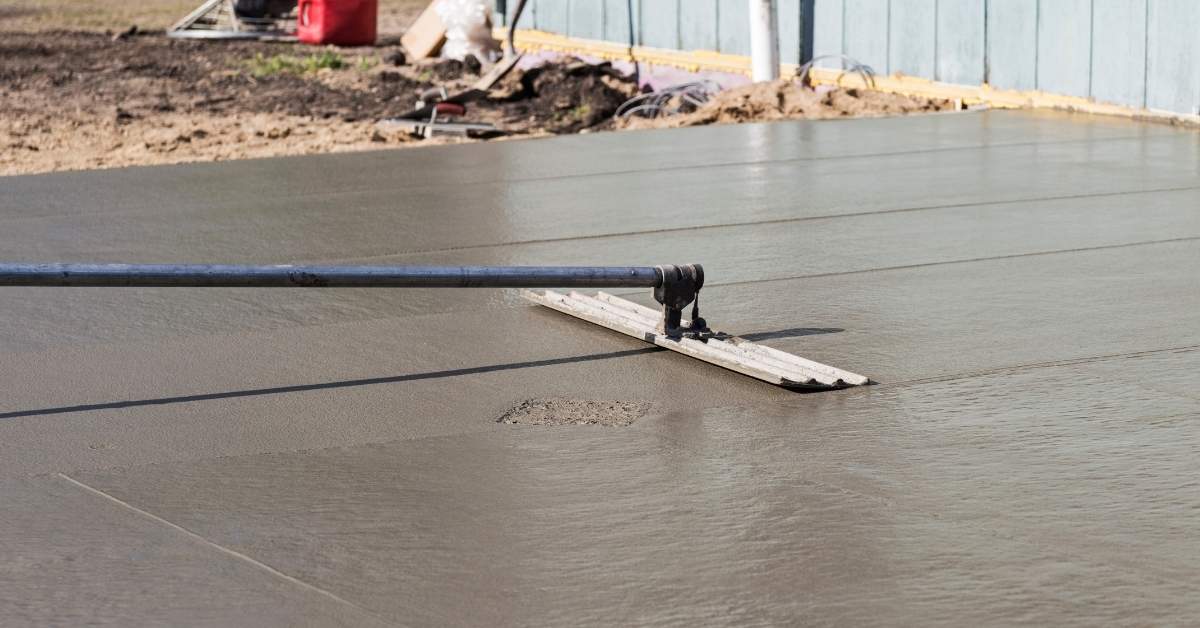
Jointers are key tools for creating control joints in concrete, helping manage cracking and increasing surface durability. Knowing how jointers function and their main features aids in selecting the right tool for your project.
A jointer, also called a concrete jointer or groover, makes grooves in freshly poured concrete. These grooves guide the inevitable cracking as concrete cures, reducing surface damage. Jointers vary in size and shape to fit specific joint widths and depths.
Typically made from strong materials like steel or aluminum, jointers withstand the demands of concrete work. The blade is usually angled for a clean, precise groove. Consistent pressure and a steady pace are vital for uniform joints.
Jointers come in two main types: manual and powered. Manual jointers need physical effort, suitable for smaller projects or DIY enthusiasts. Powered jointers are perfect for larger jobs, offering speed and efficiency, greatly reducing the time needed for extensive surfaces.
When choosing a jointer, consider the joint width and depth, project size, and budget. A well-selected jointer can improve the quality and lifespan of your concrete work.
- Blade Material: Look for high-quality steel or carbide blades for durability and sharpness.
- Handle Design: Ergonomic handles enhance comfort and control, reducing fatigue during long use.
- Adjustability: Some jointers offer depth adjustment for flexibility with different projects.
Timing is crucial when using jointers. Joints should be made within the first few hours after pouring, while the concrete is still workable, ensuring cleaner edges and better crack control.
For larger areas, powered jointers can significantly reduce time, with operators typically completing 50 to 100 feet of joints per hour, depending on surface size and.
Details on Early-Entry Saws
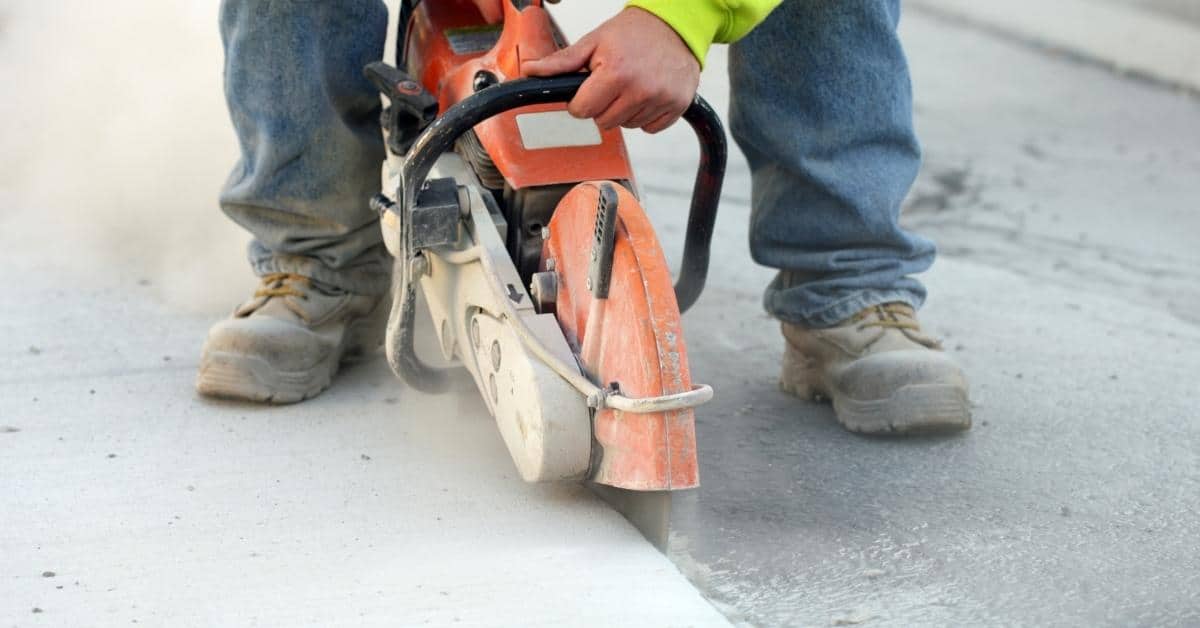
Early-entry saws are specialized tools for cutting control joints in concrete soon after pouring. This section explores their features, benefits, and operational considerations.
These saws help minimize random cracking in fresh concrete. By cutting while the concrete is still in a plastic state, they ensure effective joint placement without harming the surface integrity.
Typically, early-entry saws use a diamond blade for precision and durability. The blades are crafted to cut through soft concrete without damaging the surrounding area, a critical factor for the finish and longevity of the concrete.
Timing is crucial when using an early-entry saw. Cuts should ideally occur when the concrete reaches a specific hardness, generally 1 to 4 hours post-pour, depending on the mix and environmental conditions. This ensures the joints function properly without causing surface issues.
Cut depth is another important consideration. Most saws offer adjustable depths to meet project needs, with a depth of about one-quarter of the slab thickness being optimal.
Features like adjustable handles for comfort, lightweight designs for portability, and dust control systems for cleanliness enhance the effectiveness of early-entry saws. These features benefit both the operator and the worksite.
Considerations for Using Early-Entry Saws:
- Concrete Mix: Ensure it suits early cutting; avoid high water content.
- Environmental Conditions: Monitor temperature and humidity as they affect curing time.
- Blade Maintenance: Inspect regularly and replace as needed for efficiency.
- Safety Gear: Use eye and hearing protection to prevent hazards.
Early-entry saws perform best in temperatures between 50°F to 90°F. Outside this range, adjustments may be needed for curing times. Generally, a cut depth of 1 to 2 inches is recommended for standard slabs.
Maintaining the saw is vital; regularly check coolant levels and ensure blade alignment to avoid uneven cuts and extend the equipment’s lifespan.
Comparative Analysis of Features
Explore the key features of jointers and early-entry saws to decide which control-joint tool suits your needs best. This analysis highlights their advantages and disadvantages.
Design and Portability: Jointers are compact and lightweight, easy to transport and maneuver. Their simple design allows quick setup. Early-entry saws are bulkier, built for demanding tasks, and often include wheels or handles for easier movement.
Cut Quality: Jointers deliver clean, precise cuts essential for aesthetic finishes, with blades that minimize chipping. Early-entry saws, though fast, may not match this finish quality unless well-maintained.
Depth of Cut: Jointers offer adjustable cutting depths, adding flexibility for various projects. Early-entry saws typically have fixed depths, suitable for standard joints but less versatile.
Ease of Use: Jointers are user-friendly, ideal for beginners and experts alike. Early-entry saws also prioritize ease but require more skill, particularly in managing speed and depth.
Maintenance: Jointers need less upkeep, with simple blade sharpening and cleaning. Early-entry saws, though durable, require more frequent maintenance due to complex systems.
Cost: Jointers are often more affordable, appealing to DIYers and small projects. Early-entry saws, while pricier, offer durability and efficiency for larger tasks, justifying the cost.
Operational Efficiency: Consider these factors:
- Speed of Operation: Early-entry saws cut faster, ideal for large projects.
- Power Source: Jointers use standard electricity; early-entry saws may use gas or electric, offering site flexibility.
- Noise Levels: Jointers are quieter, suitable for residential areas; early-entry saws are noisier, requiring hearing protection.
Safety Features: Prioritize safety with these features:
- Blade Guards: Ensure both tools have effective blade guards to prevent accidents.
- Emergency Shut-off: Models with an emergency shut-off switch offer immediate power disconnection.
- Stable Base: A stable base minimizes vibrations and enhances control.
Jointers typically handle cuts up to 24 inches wide, while early-entry saws are better for expansive concrete projects. Knowing these details helps you choose the right tool for your needs.
Situations Favoring Jointers or Saws
Choosing between jointers and early-entry saws depends on your project’s specific conditions. Knowing where each tool excels helps make an informed decision.
Jointers are often favored in residential projects or smaller jobs where precision and detail are crucial. They are particularly effective in these situations:
- Small to Medium Projects: Ideal for driveways, sidewalks, and patios where control joints need precise placement.
- Curved or Intricate Designs: Allow flexibility for curves and detailed patterns in concrete surfaces.
- Low Traffic Areas: Best for spaces not immediately subjected to heavy machinery or high foot traffic.
- Weather Conditions: Preferred in cooler temperatures to avoid premature concrete hardening.
- Type of Concrete Mix: Fast-setting concrete benefits from early-entry saws for quicker joint placement.
- Skill Level: Jointers offer more control for less experienced users, while saws require more expertise.
- Budget Constraints: More economical for smaller projects; saws may save time on larger jobs.
- Surface Finish Requirements: Jointers create cleaner lines; saws might need additional finishing.
- Joint Width Preferences: Create narrower joints, necessary for certain aesthetic or structural needs.
- Access to Work Area: Easier to maneuver in tight spaces, ideal for limited access projects.
- Health and Safety Considerations: Produce less dust and noise, suitable for residential or noise-sensitive areas.
Early-entry saws are designed for efficiency and speed, making them suitable for larger projects or time-critical situations. They excel in these scenarios:
- Large Commercial Projects: Perfect for parking lots and large slabs where quick joint placement prevents cracking.
- High Traffic Areas: Effective for locations with heavy loads soon after pouring, allowing early joint installation.
- Time-Sensitive Jobs: Ideal for tight deadlines, operable shortly after concrete sets.
Recognizing each tool’s strengths helps select the best option for your project’s unique requirements. Typically, jointers are used within the first few hours after pouring, while early-entry saws can be utilized as early as 1-2 hours post-pour, depending on conditions. Understanding these nuances allows for better planning and execution in your concrete projects.
Jointers are preferred for meticulous detail, while early-entry saws excel when speed is crucial. Knowing these distinctions aids in planning the right approach for your concrete work.
Common Questions About Control-Joint Tools
We answer frequently asked questions about control-joint tools to help you make informed decisions for your DIY projects. Understanding these queries can clarify the differences and applications of jointers and early-entry saws.
- What is a control joint? It’s a planned crack in concrete that manages shrinkage and movement.
- When should I use a jointer? Use it for creating joints in freshly placed concrete, especially in smaller areas.
- What are the benefits of early-entry saws? They allow for precise cuts and reduce the risk of cracking by cutting the concrete before it fully sets.
- Can I use both tools on the same project? Yes, using both can be beneficial depending on the project’s specific needs.
- How deep should control joints be? Typically, they should be 1/4 the thickness of the slab for effective stress relief.
- What materials can I use for control joints? Common materials include concrete, asphalt, and wood for specific applications.
- How do I maintain my control-joint tools? Regular cleaning and proper storage will extend their life.
- What is the ideal width for control joints? They are typically 1/8 to 1/4 inch wide to manage stress while minimizing material loss.
- How can I ensure proper alignment when using a jointer? Use a straightedge or guide to maintain straight cuts, ensuring uniformity across the joint.
- What safety precautions should I take? Always wear protective gear, including gloves and eye protection, when operating control-joint tools.
- How can I tell when concrete is ready for cutting? Concrete is usually ready when it reaches a hardness that allows for a clean cut, typically 1 to 4 hours after pouring, depending on conditions.
When planning your control joint installation, timing is crucial. Joints should typically be placed within the first few hours of pouring concrete, as this is when the material is still workable yet firm enough to. hold the joint’s shape..
Consider environmental conditions; for example, warmer temperatures may speed up curing, requiring earlier cuts to prevent cracking. Remember, the depth and width of your joints significantly affect their effectiveness.

Conclusion
In conclusion, selecting the right control-joint tool, whether a jointer or an early-entry saw, is essential for achieving optimal results in your concrete projects. Key actions involve assessing material compatibility, depth of cut, ease of use, speed of operation, cost, durability, and safety features.
However, challenges such as ensuring the right timing for cuts and selecting the appropriate tool for varying project sizes can complicate decision-making. Additionally, understanding the specific requirements of your concrete mix and environmental conditions is crucial for successful application.
By thoroughly evaluating these factors, you can enhance the efficiency, safety, and quality of your work. Choose wisely to ensure that your concrete joints are not only functional but also contribute to the longevity of your surfaces.
Take the next step in your DIY project by carefully considering your options and investing in the right tools for your needs!
FAQ
What factors should I consider when choosing between jointers and early-entry saws?When selecting a tool, consider material compatibility, depth of cut, ease of use, speed of operation, cost, durability, and safety features. These criteria will help you determine which tool best suits your project needs and budget.
How do jointers and early-entry saws differ in terms of operation?Jointers are typically used for shallower cuts in fresh concrete, making them ideal for smaller projects, while early-entry saws are designed for deeper cuts shortly after. pouring, allowing for faster operation on larger surfaces.. Each tool has its specific use case based on project requirements.
What maintenance is required for early-entry saws?Regular maintenance includes checking coolant levels, ensuring blade alignment, and inspecting the blade for wear. Proper upkeep is essential for efficient operation and to extend the lifespan of the saw.
When is the best time to use a jointer?Jointers should be used within the first few hours after pouring concrete while it is still workable. This timing ensures clean edges and effective crack control, enhancing the durability of the surface.