

Introduction
Cold-weather concrete without guesswork means treating temperature, timing, and insulation as controllable variables rather than luck. In plain terms: if the mix, forms, and the freshly poured concrete can be kept from freezing until it gains strength, the job can proceed; when you can’t guarantee that, delay the pour. Check product labels, manufacturer instructions, and local rules for specific temperature limits and set-time guidance.
Practical prep includes warming materials, insulating forms and finished surfaces, and planning short pours with quick protection steps so hydration isn’t interrupted. You can also use approved admixtures and temporary heat sources, but always follow the manufacturer’s directions and keep an eye on safety and ventilation when running heaters. If conditions or logistics won’t let you protect the concrete until it reaches sufficient strength, postpone the pour until you can meet those protections.
Key takeaways
- Verify local temperatures and forecasts before pour; build contingency plans.
- Pre-pour site prep: protect grade, drains, and access for heaters safely.
- Adjust mix cautiously per manufacturer guidance; avoid superheating or rapid hydration.
- Use insulation blankets and formwork protection to minimize heat loss.
- Monitor concrete temperature and set times; have heaters and enclosures ready.
- Do not pour if frost risk is high; delayed pours reduce cracking risk.
Table of Contents
- Introduction
- Key takeaways
- Why Cold Weather Changes Everything for Concrete
- Pre-Pour Planning and Site Preparation for Winter Pours
- Mix Design and Material Adjustments for Cold Weather
- Insulation, Blankets, and Formwork Protection
- Heaters, Enclosures, and Active Protection Strategies
- Pouring, Placement, and Finishing Techniques in Cold Weather
- Curing, Monitoring, and Acceptance Testing After the Pour
- When to Delay the Pour, Costs, Common Mistakes, and Compliance
- Conclusion
- FAQ
Why Cold Weather Changes Everything for Concrete
Hydration is a chemical process that generates heat as cement reacts with water, but freezing water stops that reaction and can form ice that creates voids or causes cracking. When ice forms within the paste or at the paste–aggregate interface, strength development stalls and the risk of surface and internal damage rises.
The commonly cited 40°F guidance is a planning threshold—check product labels or the cement manufacturer instructions for exact limits—because both daytime highs and overnight lows control the concrete’s net thermal balance. Multiple consecutive cold days compound the problem: even if a single day stays marginal, repeating low temperatures reduces cumulative heat available for curing and increases the need for insulation, heating, or delaying the pour.
Lowest-temperature guideline and when work is ‘cold weather concreting’
The industry standard for cold weather concreting starts at around 40°F (4°C). If air temperatures dip below this mark, you’re in ‘cold weather’ territory. But always check your project specs and local building codes for exact limits.
Remember, it’s not just about the daily highs. Overnight lows can freeze concrete before it sets properly. So, consider multiple consecutive cold days too.
Bottom line: If temps are consistently below 40°F (4°C), you’re looking at cold weather concreting.
How cold slows hydration and raises freeze risk
Cold temps slow down the heat of hydration. This means your concrete takes longer to set and gain strength.
Here’s where it gets tricky: as temperatures drop, bleed water can freeze before it evaporates or gets absorbed. This turns fresh paste into a slushy mess, stalling strength development or even causing cracks.
Key takeaway: Cold temps slow down hydration and raise the risk of freezing damage.
Temperature vs. strength development (what to monitor)
To keep your concrete on track, monitor these temperatures:
- Air temperature: Keep it above 40°F (4°C) during the pour and curing.
- Concrete surface temperature: Aim for a consistent rise to around 70°F (21°C) over 24 hours.
- Substrate temperature: Ensure it’s above freezing before you pour.
Record temps every few hours during the first day, then daily until concrete reaches its design strength. This helps you assess risk and compliance with your project specs.
Pre-Pour Planning and Site Preparation for Winter Pours
Arrange scheduling and site access so deliveries, placement crews, and heat sources are all coordinated to avoid hold-ups that expose fresh concrete to cold air. Confirm delivery windows with the supplier and stage a warm-up zone for crews and equipment to minimize waiting time on cold substrates.
Prepare the subgrade, forms, and embedded items in advance: assess drainage, pre-warm or cover forms, and verify release agents and form finish will perform at low temperatures per product data sheets. Make a protection and contingency plan that names who makes the go/no-go call, what temperatures or weather triggers will delay the pour, and how you’ll power heaters or enclosures if conditions change.
Scheduling, batching, and transport coordination
Planning ahead is key to a smooth pour in cold weather. Call your concrete supplier well in advance to schedule delivery windows that minimize transit time.
Sequence your trucks to arrive one after the other, not all at once. This keeps the concrete moving and reduces wait times on-site. Warm mixes take longer to set, so plan accordingly.
Staging is crucial. Designate a warm-up zone for materials and equipment near the pour site. Keep everything close to reduce transit time and heat loss.
Preparing the slab base, forms, and rebar in cold conditions
Clear snow and ice from the subgrade before you start. Moisture can freeze and cause issues later.
Preheat or insulate your base and forms to keep them above freezing. This could be with heaters, insulated blankets, or even space heaters inside forms. Never pour on frozen ground.
Ensure rebar and embedded items are frost-free. Pre-warm them if necessary. Keep everything dry until the moment of placement to prevent flash setting.
Permits, local regulations, and documentation
Check with your local building department for cold-weather construction rules. Some areas require additional approvals or testing in cold conditions.
Document everything – substrate temperatures, air temps, form temps, protection methods used, and acceptance tests. This protects you from disputes later on.
Verify that all permits are up-to-date and that you’re following local regulations for safety, waste disposal, and environmental protection.
Mix Design and Material Adjustments for Cold Weather
Cold weather shifts priorities toward maintaining workability and early-age strength without harming long-term durability, so set mix targets for slump and air content and confirm allowable ranges with the concrete supplier. Consider admixtures and SCMs that improve early strength or workability, but always verify dosage and compatibility on the product technical data sheet or with the supplier.
Control material temperatures by heating mixing water and, if practical, warming aggregates or keeping them under cover; maintain a consistent water temperature at the batch plant or jobsite to avoid erratic set times. Implement a simple QC routine—measure mix temperature, slump, and air content at batching and spot-check early strength as agreed—and be ready to adjust admixture dosages based on those readings rather than guessing.
Admixtures and supplementary materials (what to use and why)
The right admixtures and supplementary cementitious materials (SCMs) can boost early strength, improve workability, and enhance durability in cold weather concreting. Here’s what you need to know:
- Accelerators: Speed up setting time. Use when quick hardening is needed. Specify dosages with the producer to avoid over-acceleration.
- Plasticizers (Water Reducers): Improve workability, allowing for lower water content. Consult spec or producer for dosages and ensure they’re compatible with other admixtures.
- Air-Entraining Agents: Introduce tiny air bubbles to improve freeze-thaw durability. Use in all cold weather mixes. Overuse can lead to weak concrete.
- Fly Ash (Class F): A pozzolanic SCM, it improves long-term strength and reduces heat of hydration. Blend with cement as per spec for optimal results.
- Slag (Ground Granulated Blast-furnace Slag): Another pozzolanic SCM, it enhances durability and sulfate resistance. Consult spec or producer for blending ratios.
Managing batch and ingredient temperatures
Temperature control is crucial in cold weather concreting to maintain workability and setting times. Here’s how:
Water Temperature: Keep water above 50°F (10°C). Warm it if needed, but avoid overheating as it can cause rapid setting.
Aggregate Temperature: Heat aggregates if they’re below 40°F (4°C) to prevent heat loss during mixing. Use heated storage or on-site heaters.
Check project documents for mix-placement temperature targets. Aim for a final mix temperature of at least 50°F (10°C).
Avoiding excessive site water additions and proper on-site adjustments
Adding extra water at the site to improve workability is a common mistake that weakens concrete. Here’s what to avoid:
- Excess Water: Adding too much water reduces strength by up to 50%. Avoid it.
- Undocumented Admixtures: Don’t add admixtures without approval from the engineer or producer. They can cause unpredictable results.
- Improper Adjustments: Extend set time with approved retarders, not water. Modify SCM percentages as per spec, not on a whim.
Instead of adding extra water, use approved admixtures or request plant adjustments for better workability.
Insulation, Blankets, and Formwork Protection
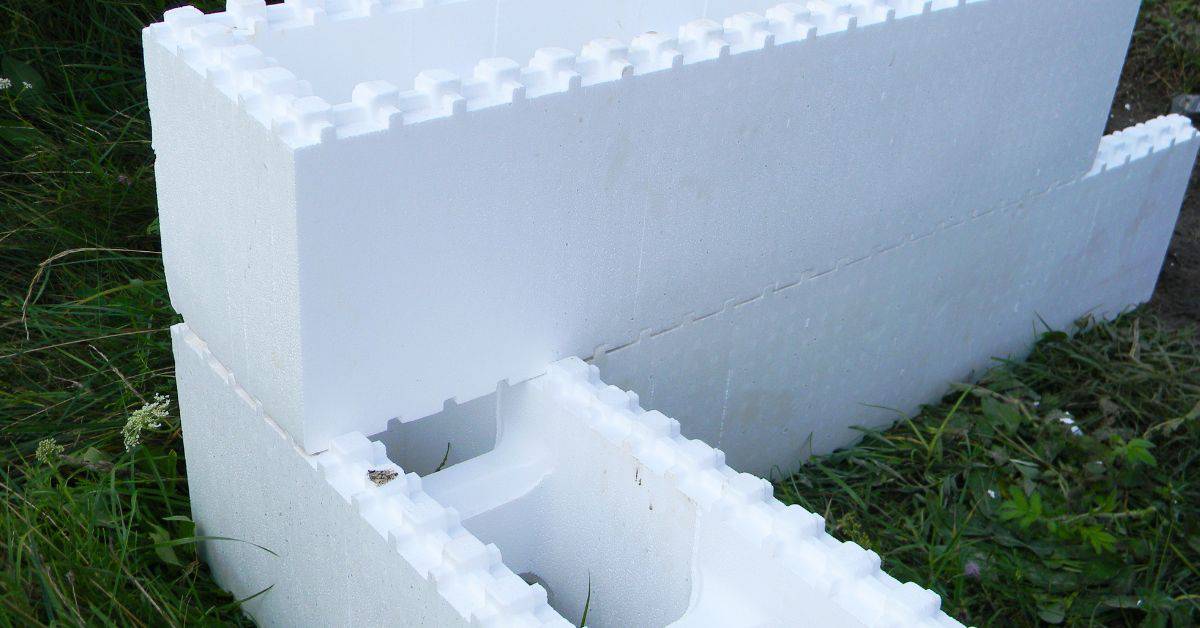
Passive protection like thermal blankets, insulated form panels, and skirted enclosures reduce heat loss and are often the first line of defense for preserving curing temperatures. Choose the type of passive protection based on ambient conditions, expected cure duration, and whether the pour will need reusable materials or one-off coverings.
Plan deployment so blankets are sized, layered, and fastened to seal edges and block drafts; inspect for damage, moisture, and gaps frequently during the protection period. Integrate passive measures with any active heating strategy—know when blankets alone suffice and when they must be paired with heaters—and follow safe handling and storage practices to keep coverage intact throughout the cure.
Types of insulation and application timing
Thermal blankets, fleece covers, and rigid insulation are your go-to options for cold weather concreting. Each has its uses:
Thermal Blankets: Reusable, lightweight, and easy to install. They’re ideal for small to medium pours, like slabs and driveways.
Fleece Covers: Similar to blankets but made of fleece material. They trap heat well but aren’t as durable. Use them when you need extra heat retention on smaller projects.
Rigid Insulation: Stiffer, more robust, and great for large pours or vertical surfaces like walls. Install immediately after finishing to retain heat and prevent rapid cooling.
Insulated forms, heated enclosures, and windbreaks
For larger pours or vertical surfaces, consider these options:
Insulated Formwork: Use for walls, columns, or other vertical structures. They keep the concrete warm during curing and help maintain uniform temperature.
Temporary Tents/Skirting: Ideal for large pours like foundations. They create a heated enclosure, protecting the concrete from wind and drafts. Combine with heaters for best results.
Windbreaks: For exposed sites, use windbreaks to shield the pour from cold winds. Combine with other insulation methods for maximum protection.
Visual checkpoints and inspection after covering
After installing insulation, perform a quick visual inspection to ensure it’s working properly. Do this within the first hour:
- Surface Frost: Check for frost or ice on the surface. If present, re-insulate immediately to prevent freezing.
- Water Pooling: Look for pooled water under the blanket. This can cause uneven curing and weaken the concrete. Remove excess water if found.
- Secure Blanket: Ensure the blanket is securely fastened, with no gaps or tears that could let in cold air.
- Formwork Integrity: Check formwork for any cracks or leaks. Repair immediately to prevent heat loss.
- Rebar Exposure: Ensure rebar is fully covered by the blanket. Exposed rebar can cause rapid cooling and freezing.
- Heat Distribution: Check for even heat distribution across the pour. Adjust insulation if necessary to ensure uniform curing.
- Moisture Content: Ensure the concrete isn’t too wet or dry. Adjust as needed to maintain optimal moisture content.
- Accessibility: Make sure the area is safe and accessible for workers during breaks.
Quick rule: If you find any issues, address them immediately to prevent delays or weakening of the concrete.
Heaters, Enclosures, and Active Protection Strategies
Active systems—direct-fired, indirect-fired, electric, and hydronic heaters—each have pros and cons for efficiency, ventilation needs, and temp control; select the type that fits your enclosure, fuel availability, and site safety constraints. Size and place heaters to avoid cold spots and large thermal gradients; refer to manufacturer guidance for heat output and safe clearances rather than estimating by eye.
Use temporary enclosures, windbreaks, and sealed skirted walls to retain heat and improve heater efficiency, and monitor temps with reliable thermometers or data loggers inside the enclosure and at the concrete surface. Follow fuel handling, ventilation, and electrical safety rules, and set operational procedures for sequencing heat sources and switching modes as conditions change.
Heater types, pros/cons, and practical selection criteria
Choosing the right heater for your cold-weather pour is crucial. Here are the main types:
Indirect-fired heaters use a separate combustion chamber to heat air, which is then blown into the enclosure. They’re clean and efficient but require proper ventilation.
Direct-fired heaters burn fuel directly in the workspace. They’re powerful but produce water vapor and CO, so they need good exhausting.
Electric heaters are simple to use, don’t produce emissions, but can be expensive to run. Consider fuel availability, exhaust needs, cost, and heat distribution when selecting.
Placement, airflow management, and even heating
Avoid hot or cold spots by positioning heaters evenly. Place them near the ground for better heat distribution.
Use reflectors to direct heat towards the concrete. Keep them away from forms to prevent finish issues.
Manage airflow with temporary barriers or tenting. Reduce drafts but don’t seal too tightly, as you need some air exchange for safety and efficiency.
Consider using hydronic systems for even heat distribution, though they’re more complex to set up.
Safety, ventilation, and CO/exhaust monitoring
Safety is paramount when using combustion heaters. Install CO detectors to monitor carbon monoxide levels.
Route exhaust properly to prevent CO buildup. Follow fire codes for fuel storage and handling. Keep fuels away from heat sources and open flames.
Use proper PPE when working with combustion heaters, including safety glasses and gloves. Regularly inspect equipment for leaks or damage.
Monitor interior vs. surface temps to avoid overheating. Adjust heat output as needed to maintain target curing temperatures safely.
Pouring, Placement, and Finishing Techniques in Cold Weather
Create a tight pour plan that limits time between batching and placement to preserve concrete temperature and to avoid cold joints; pre-position tools, crews, and pumps so placement is continuous. Choose placement methods that reduce handling time—pumps or short chutes over long conveyor passes—and keep consolidation consistent to prevent segregation when mixes stiffen faster in the cold.
Match finishing actions to the concrete’s pace: delay power troweling if bleed water is present, avoid overworking surfaces that have stiffened, and form joints promptly to control cracking. Protect finished surfaces immediately with blankets or wind screens and coordinate finishing crew rotation so that warm hands and steady rhythm prevent unnecessary rework.
Minimize delays and maintain continuous placement
Cold weather slows concrete’s setting time. To keep your pour on track:
Use smaller lifts. Larger volumes increase exposure time, risking cold joints. Aim for 4″ to 6″ lifts in cold conditions.
Stagger your pours and coordinate crews:
Start with the most exposed areas first. Once they’re covered, move indoors or to sheltered spots. This keeps concrete from freezing before it sets.
Finishing windows and tool use without overworking the surface
In cold weather, it’s crucial to adjust your finishing timing to preserve bleed-water behavior. This helps maintain a strong surface and prevents excessive troweling that can weaken it.
Check your concrete mix design and local rules for the ideal finishing time in cold conditions. Generally, you’ll want to start finishing around 30-60 minutes after placement, but this can vary.
Use a stiff-bristle broom or sponge float initially to remove excess water and level the surface. Avoid overworking the concrete at this stage as it can lead to excessive bleeding and weaken the surface.
For the final finish, use a trowel. Check your tool’s size; a 3/8″ or 1/2″ trowel is usually suitable for cold weather finishing. Make sure not to over-trowel, as this can cause the surface to become too smooth and lose its desired texture.
Preventing cold joints and staged pours
Cold joints happen when concrete sets before the next batch is poured. They weaken your structure. Here’s how to prevent ’em:
Check base compaction. Make sure your base is solid. If it’s not, compact it properly before pouring.
If you’re doing a staged pour, use these tie-in procedures:
Use bonding agents at the joint between pours. Follow manufacturer instructions for application and drying time. This bonds new concrete to old, stopping cold joints.
If you can’t bond, plan your pour breaks carefully. Pour in sections, letting each set before moving on. Keep the surface moist and covered during breaks to prevent premature setting.
Curing, Monitoring, and Acceptance Testing After the Pour
Develop a post-pour curing plan that maintains both moisture and temperature until the concrete has achieved the required early strength—confirm target durations and methods with the project specifications or product instructions. Use continuous temperature control and moisture maintenance (covers, blankets, or active heat with humidity control) rather than intermittent measures that allow the slab to cool between treatments.
Monitor concrete and ambient temperatures with placed sensors or thermometers and log readings at defined intervals; consider maturity sensors to project in-place strength and coordinate form removal and loading decisions. Record sensor data, test results, and curing conditions so you have traceable evidence to support acceptance testing and to show compliance when inspectors or engineers request verification.
Curing methods: heat, moisture, and coverings
After pouring, it’s crucial to maintain a consistent temperature and moisture level in your concrete. Here are some common curing methods:
Heated enclosures combined with insulation blankets keep the slab warm. Use these when temperatures drop below freezing.
For moderate cold, curing compounds can be applied to seal moisture and protect from wind chill. In mild conditions, wet curing by sprinkling or ponding water works well. Switch to dry curing once the concrete gains strength (usually after 7 days).
Monitoring temperature and maturity for strength verification
Keep a close eye on your concrete’s temperature. It should stay within the range specified by your mix design (usually 50-70°F or 10-21°C).
Use embedded thermometers to monitor internal temps. For continuous logging, install maturity sensors. These track both temperature and time to estimate in-place strength development.
Sample data every 6 hours for the first 24 hours, then daily until the concrete reaches its design strength.
Testing, form removal, and timing decisions
Before stripping forms or applying loads, perform acceptance tests to confirm your concrete’s strength:
1. Field cylinders: Test these at the same time intervals as your maturity sensor readings.
2. Compare field cylinder results with maturity sensor readings. When they match, you can proceed with form removal or loading.
Typically, forms can be removed when concrete reaches 75% of its design strength (around 3-7 days). Safe loading thresholds vary by application but generally occur after 28 days.
When to Delay the Pour, Costs, Common Mistakes, and Compliance
Build a decision framework that ties forecasted temperatures, wind, precipitation, and schedule impacts to clear go/no-go criteria, and assign authority for the final call to a named person on the project team. Compare the expense of heaters, insulation, and extended labor against the risk and cost of a failed pour—document both options so stakeholders can weigh trade-offs before the scheduled date.
Watch for frequent winter mistakes like skipping subgrade protection, underestimating cure time, or relying solely on makeshift heating; avoid warming mix water without checking compatibility with admixtures and cement chemistry. Keep up with local code and project specification requirements, document readings and decisions, and communicate changes promptly to crews, suppliers, and the client so everyone knows the contingency steps if conditions force a delay.
Decision checklist: delay vs. proceed
Use this checklist when you’re unsure whether to pour concrete in cold weather.
- Check temperature trend: If it’s consistently below 40°F (4°C), consider delaying the pour.
- Assess materials: Check if your mix design and admixtures are suitable for cold weather. Add air-entraining agents if needed.
- Evaluate protection available: Ensure you have heaters, insulation blankets, or enclosures ready to use.
- Consider safety: Check wind conditions and ensure proper ventilation for heaters.
- Check moisture content: Excessive moisture can freeze and cause issues. Test the subgrade if unsure.
- Review project deadlines: Consider if delays will impact other tasks or milestones.
- Consult specialists: If unsure, call your concrete supplier or a specialist for advice.
- Check forecasted weather: Ensure no sudden temperature drops or snowfall is expected.
Quick rule: If you’re unsure about any of these factors, it’s better to delay the pour and protect your investment.
Cost implications and budgeting for winter protection
Winter concrete pouring comes with additional costs. Here’s what to consider:
Heating fuel, rentals (heaters, enclosures), and labor are the main cost drivers. Extended curing time also adds to the expense.
Compare these upfront costs with potential expenses from delays, labor downtime, and rework if the pour fails due to inadequate protection.
Example: Spending $500 on heaters might seem steep, but it’s cheaper than a failed pour that requires redoing at $2,000.
Top mistakes to avoid and compliance reminders
Here are common winter concrete mistakes and compliance reminders:
- Skipping moisture protection: Wet subgrades can freeze, causing issues. Always protect against moisture.
- Underestimating cure time: Concrete cures slower in cold weather. Plan accordingly to avoid weak spots.
- Using inadequate insulation: Insufficient protection leads to heat loss and freezing. Use appropriate blankets or enclosures.
- Improper warming of mix: Warm the concrete mix, not just the forms. Cold mix in warm forms can cause thermal shock.
- Neglecting ventilation or safety: Ensure proper airflow and CO monitoring around heaters to prevent safety hazards.
Always follow local building codes, concrete specifications (strength, slump), air-entraining admixtures, curing methods, and document everything for inspections.
Conclusion
When you commit to cold weather concrete, you’re committing to safety, durability, and a good finish. Plan, protect, and monitor carefully so the concrete cures strong and looks right.
Make these checks in order: confirm ground and formwork are solid, verify your mix and materials suit the forecast, arrange insulation or blankets and any heating if needed, set up enclosures and a simple protection plan, pour only when the surface and air temps meet your target, place and finish promptly with proper tools, and monitor cure with simple tests and daily checks until it’s hard enough to protect without damage. If any step isn’t ready, delay the pour and reassess what you need to tighten up before you proceed.
Common mistakes to avoid are rushing the pour in temps that are too low, skipping insulation or proper protection, and neglecting curing and monitoring. Always keep the area safe from slips, keep blankets clean and in place, and follow a conservative curing plan so you don’t trap moisture or heat in the wrong way. If in doubt, back off and verify with a professional when necessary—it saves time, money, and trouble in the long run. Stay practical, stay patient, and you’ll finish with solid results. You’ve got this.
FAQ
What is the lowest temperature you should pour concrete in, and how do I know when I’m safe to pour?
No universal cutoff exists here. Check the concrete supplier’s label, the mix design, and any local guidance for temperature limits. If in doubt, don’t guess—wait and verify with the product instructions and, if needed, postpone the pour.
What pre-pour prep steps are essential in cold weather?
Make sure the site is clean and dry, and that forms and insulation are ready. Have heaters, blankets, and windbreaks in place before you start, and verify all equipment is functioning. Do a quick trouble check on the pour path and access routes to avoid delays after the load arrives.
How should I adjust the mix or additives for cold conditions?
Always follow the mix design and the additive labels. Use only approved cold-weather admixtures and follow the manufacturer’s instructions for dosage and timing. If you’re unsure, ask the supplier or read the datasheet and local guidance before mixing.
What are common mistakes to avoid when pouring concrete in the cold?
Don’t ignore curing and protection. Don’t pour in temperatures well below what the mix design allows without proper protection. Don’t skimp on blankets or heating if the slab will be exposed to cold after placement.