Worker applying drywall joint tape on wall standing on scaffold

Cement Board Seams in Showers: Tape, Thinset, and Where Waterproofing Goes

Introduction

Cement board seams in showers are the joints where panels meet and must be sealed with tape and thinset before waterproofing. This helps keep water from wicking behind the boards and causing damage over time. You’ll want a careful, patch‑and‑press approach that follows the board and tape instructions for best results.

Best practices include choosing the right tape and applying thinset to bed the seam tape firmly, then troweling a second coat for a smooth finish before the waterproof membrane goes on. Compare tape versus thinset methods as manufacturers describe, and pick a waterproofing membrane that fits your shower design and local rules. If in doubt, check product labels and local guidelines to confirm what to use and how to install it safely.

Key takeaways

  • Cement board provides moisture resistance; use appropriate preslope and pan liner compatibility.
  • For seam waterproofing, tape is a surface joiner; thinset seals beneath.
  • Choose waterproof membrane rated for cement board showers and substrate movement.
  • Tape seams first in showers pans, then bed with compatible thinset, per instructions.
  • Inspect corners and fasteners for tight jointing before waterproofing begins.
  • Safety: wear gloves, eye protection, and ventilation when dusting or mixing materials.
Table of Contents

Why Seam Treatment and Waterproofing Matter

The seams where cement board meets tile are a critical line in a shower wall. Proper sealing helps prevent water from getting behind the tile and into the substrate. This is where tape, thinset, and a waterproofing layer must work together as a system.

Poorly sealed seams can lead to water damage, mold, rot, and delamination if not addressed. You should understand the sequence: surface prep, selecting alkali-resistant seam tape, bedding with thinset, and integrating with a membrane or liquid barrier when needed. Check compatibility and cure cues as you go, and verify coverage over the seams before moving on.

How water travels through wall assemblies

Water is relentless. It’ll find any path it can to get behind your tiles and cause trouble.

Seams are like highways for water. They’re the most direct route from your showerhead or walls into your walls.

Fasteners and corners are other common leak paths. But seams? Those are the critical vulnerability points you gotta watch out for.

Performance goals for a sealed shower wall

A successful seam treatment should be like a continuous barrier, keeping water out for good.

It’s not just about stopping leaks now. It’s about lasting durability. You want your seams to stay strong and tight over time.

The bond between the tape, thinset, and cement board has to be rock-solid. That’s how you prevent delamination – when layers start peeling off like a bad sunburn.

Back to top ↑

Types of Waterproofing Materials for Cement Board Seams

At seams you’ll encounter four main product categories: bonded membranes, liquid-applied membranes, peel-and-stick tapes, and cementitious waterproofing. Each sits differently in the wall assembly and offers different trade-offs. Consider how they handle movement, vapor management, and crack bridging in a shower.

Preparation and substrate requirements matter: cement board, mesh reinforcements, and thinset compatibility all influence performance. In a shower, weigh ease of use, cure times, durability, and common failure modes when choosing the system. Make your selection based on the specific project context and manufacturer guidance.

Membrane Sheets and Bonded Systems

Bonded membrane systems are a popular choice for waterproofing cement board seams. They consist of sheet membranes that you apply directly to the seam, often with an adhesive or thinset mortar.

Pros: Full-wall protection, easy to install, and great crack-bridging ability.

Cons: Can be more expensive than other options. They may require additional preparation of the substrate for optimal adhesion.

Bonded membranes are often preferred when you need full-wall waterproofing in addition to seam protection. They’re great for new builds or remodels where you have a clean, dry surface to work with.

Liquid-Applied Membranes and Fabric Reinforcement

Liquid-applied membranes are another effective waterproofing solution. They’re typically applied with a roller or sprayer, and can be used in conjunction with embedded fabric or tape at seams.

Pros: Flexible, great for accommodating movement, and easy to apply around niches and corners.

Cons: Cure times can be longer compared to other options. They may require additional reinforcement to prevent punctures.

When using liquid membranes with fabric or tape, ensure the substrate is clean and free of debris for optimal adhesion. Always follow manufacturer guidelines for application and cure times.

Specialized Seam Tapes and Adhesive Tapes

Cement-board seam tapes are designed specifically to waterproof seams in shower walls. They come in various types, such as alkali-resistant mesh or coated tapes.

Pros: Easy to install, great for quick repairs, and often compatible with thinset mortars.

Cons: May not provide full-wall waterproofing. Some types may require additional reinforcement to prevent delamination.

Unlike standard waterproofing tapes, cement-board seam tapes are designed to withstand the alkaline nature of cement-based products. Always ensure you’re using a tape that’s compatible with your thinset mortar and substrate.

Back to top ↑

Tape Vs Thinset: Function, Selection, and Application Techniques

Tape bridges gaps and reinforces joints to control crack propagation. Thinset bedding then supports the tape and helps create a continuous waterproof layer over the seam. Together they form the primary seam treatment in many systems.

Choose alkali-resistant fiberglass or mesh tape and compatible thinsets, noting any primers or additives that affect adhesion. Follow a careful sequence: clean and dry surface, embed tape along all seams, bed with thinset, and then apply a second coat for full bedding before the waterproofing layer.

Choosing the right tape and thinset combination

When selecting tape and thinset for your shower seams, compatibility is key. Here’s what to look for:

Tape: Opt for alkali-resistant fiberglass or mesh tape. These are designed to withstand the alkaline nature of cement boards and thinsets.

Thinset: Choose a modified or unmodified thinset that’s compatible with your chosen tape and waterproofing membrane. Check product data sheets for recommendations.

Some tapes may require primers or additives to enhance adhesion in shower conditions. Always follow the manufacturer’s guidelines.

Proper tape embedding and thinset application techniques

Embedding tape with thinset and applying a second coat is crucial for a strong, waterproof seam. Here’s how to do it:

1. Apply thinset along the seam using a 6-inch notched trowel. Spread it evenly, creating a smooth bed.

2. Lay the tape into the wet thinset, pressing firmly with a grout float or trowel to remove air pockets and ensure full contact.

3. Feather the edges of the tape with additional thinset using a margin trowel. This ensures a smooth transition from seam to board surface.

4. Apply a second coat of thinset over the tape, filling the seam completely and creating a full bedding. Use a straight edge or level to ensure consistency.

Sealing corners and transitions

Corners and transitions are critical areas that need extra attention:

Inside/Outside Corners: Apply tape along the corner, embedding it with thinset. Use a corner trowel to apply additional thinset into the corner, creating a smooth, continuous bead.

Niches, Benches, and Curb Interfaces: These areas require careful taping and thinsetting. Ensure tape is applied along all edges, embedding it with thinset. Use a straight edge or level to create a smooth, even surface for the waterproofing membrane.

Always check for any voids or gaps after application and before applying the final waterproofing layer.

Back to top ↑

Tools and Materials Checklist

Gather trowels, margin knife, straight edge, mixing paddle, drill with mixer, caulk gun, and a small pry bar for removing old material. Have safety gear like glasses, gloves, dust mask, knee pads, and ventilation planned for the work area.

Stock cement board seam tape, thinset, a waterproofing membrane or coating with its primers, seam sealant, grout, and silicone joint sealants. Include brushes, rollers, squeegees, microfiber cloths, mixing trays, and a moisture meter if you plan moisture checks.

Tools for cutting, mixing, and applying

Before you start any concrete work, make sure you have all the necessary tools. Use this checklist to ensure you’re well-equipped.

  • Concrete Cutting Knife: Check blade sharpness by running it lightly along your thumbnail; it should shave off a small sliver. Dull blades cause uneven cuts and require more effort.
  • Mixing Paddle (for electric drill): Ensure the paddle is securely attached to your drill, and check that the paddle’s size matches your mixer’s capacity for efficient mixing.
  • Margin Trowel: Inspect the trowel’s edge; it should be straight and sharp. A dull edge makes leveling difficult and can lead to uneven surfaces.
  • Notched Trowel (also known as a finishing trowel): Check the notches’ depth; they should match your desired finish (e.g., 3/8″ for smooth finishes). Incorrect notch size results in improper surface texture.
  • Seam Roller: Verify the roller’s width matches the joint width you’re working with. A mismatched roller can cause improper compaction and lead to weak joints.
  • Finishing Tools (e.g., edger, bull float): Inspect these tools for any damage or wear that could affect their performance. Damaged tools result in poor finish quality.

Quick rule: Always check your tools before starting work to avoid costly mistakes and rework.

Materials and consumables

Before you start your tiling project, use this checklist to ensure you have all the necessary materials and consumables on hand. This will help you avoid unexpected trips to the hardware store and keep your project running smoothly.

  • Cement Board: Check for correct size (usually 3′ x 5′) and thickness (1/4″ or 1/2″). Ensure it’s suitable for your tile type and substrate. Missing: Weak substrate support, tile cracking.
  • Seam Tape: Confirm it’s fiberglass mesh tape designed for cement board seams. Check width (usually 2″) and length. Missing: Seam failure, water damage.
  • Thinset Mortar: Verify it’s Type N or Type S (check product data). Ensure it’s fresh and well-mixed. Missing: Poor adhesion, tile delamination.
  • Waterproofing Membrane: Choose between liquid (check for proper consistency) or sheet membrane (confirm size and type). Missing: Water penetration, mold growth.
  • Fasteners: Check for appropriate screws or nails (size and length depend on substrate). Ensure they’re suitable for your cement board. Missing: Cement board detachment, tile popping.
  • Sealants: Confirm you have both a flexible sealant (for grout lines) and a rigid sealant (for corners and edges). Check for proper consistency and color match. Missing: Grout cracking, water intrusion.

Quick rule: Always check product labels and manufacturer instructions to ensure you’re using the right materials for your specific project. This will save you time, money, and potential rework in the long run.
Back to top ↑

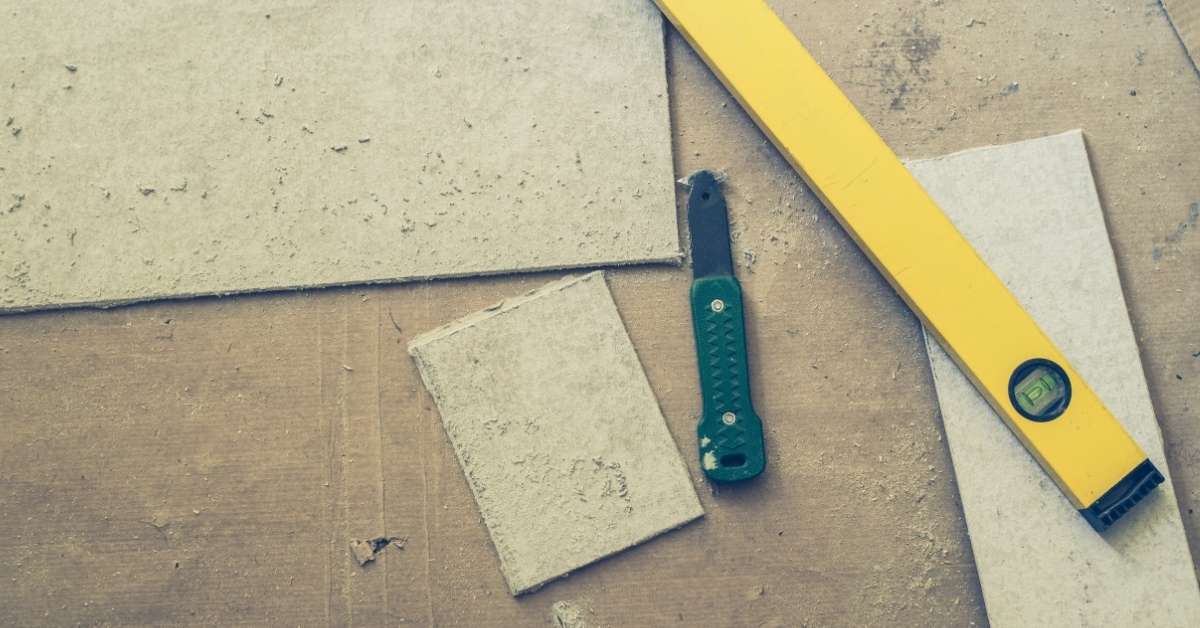
Utility knife level and cement board pieces on floor

Step-by-Step Installation Process for Shower Walls

Start with substrate checks: confirm framing is square and flat, moisture-free, and securely fastened. Remove dust and oil, then plan fastener placement and lippage correction before proceeding. Ensure the area is ready for seam detailing and waterproofing work.

Next, plan seams, apply tape with thinset, and bed the joints. Decide on sheet or liquid membranes and integrate corners, niches, and penetrations with proper flashing. Allow recommended cure times and proceed with the final waterproofing layer according to the manufacturer’s sequence.

Step-by-Step Installation Process

The following is a clear, numbered sequence of practical steps to install shower walls correctly from start to finish.

  1. Preparation and safety checks: Ensure the area is safe, remove any obstacles, wear appropriate PPE. Check framing for plumb and square, ensure substrate is flat within tolerance and moisture-free.
  2. Substrate preparation: Attach cement board securely using corrosion-resistant fasteners, following manufacturer’s layout guidelines. Address any lippage and remove all dust, oil, or loose material.
  3. Seam planning: Choose alkali-resistant fiberglass mesh or tape for cement board seams. Plan staggered joint layout to reduce crack-prone alignment.
  4. Waterproofing strategy: Determine if using sheet membranes or liquid-applied systems. Plan corner and transition details, and how to flash seams, penetrations, and niches.
  5. Installation sequence: Apply primer (if needed), then membranes/tapes. Allow any required set times. Mix thinset according to manufacturer’s instructions, embed tape fully in the first coat, apply second coat for cement board junctions. Cure as required before tiling.
  6. Cutouts and reinforcement: Cut out areas for fixtures, niches, and shelves. Reinforce high-stress corners with fabric or mesh.
  7. Inspection and testing: Conduct a water test or equivalent to verify membrane coverage and seam integrity. Confirm cure times for thinset and waterproofing.
  8. Final steps: Apply grout, caulk, and final sealants before shower use. Ensure all surfaces are clean and dry before starting any work.

Prepare Substrate and Fasten Cement Board Correctly

Proper preparation of the substrate is crucial for a successful cement board installation. Follow these guidelines to ensure your boards are securely fastened.

Check framing: Ensure studs are plumb, level, and 16″ or 24″ on center. Inspect for any damage or rot.

Fastening pattern: Use corrosion-resistant fasteners like stainless steel or galvanized screws. Fasten boards every 6″ along the edges and every 12″ in the field, following manufacturer’s recommendations. Ensure fasteners are countersunk below the board surface.

Leave a 1/8″ to 1/4″ gap between boards for expansion and contraction. Follow manufacturer’s instructions for joint width and staggering pattern to minimize cracking.

Tape, Thinset, and Membrane Application Sequence

The following is the recommended order for applying tape, thinset, and waterproofing membranes to your cement board shower walls.

Embed tape with thinset: Apply thinset to the back of joints or directly to the board. Embed the tape fully into the wet thinset, ensuring no air voids are present. Allow the first coat to set according to manufacturer’s instructions.

Apply waterproofing membrane: Once the thinset has set, apply your chosen waterproofing membrane. This could be a sheet membrane or a liquid-applied system. Follow manufacturer’s guidelines for application and any required set times.

Verify cure times: Always check and follow manufacturer’s recommended cure times for both thinset and waterproofing membranes before proceeding with tiling to ensure optimal performance.

Tile Backer to Tile Transition and Finishing Details

Properly transitioning from the waterproofing membrane to your tile setting is crucial for a durable, leak-free shower.

Drains and flanges: Install drain flanges according to manufacturer’s instructions. Ensure they are level and properly sealed before tiling over them.

Penetrations: Flash any penetrations or niches with the waterproofing membrane, ensuring a continuous barrier. Use specialized seam tapes or liquid-applied membranes for added protection at these critical areas.

Finishing details: Apply thinset to the walls and allow it to set according to manufacturer’s instructions before tiling. Ensure all surfaces are clean, dry, and free of debris before starting any work.

Back to top ↑

Troubleshooting Common Issues and Fixes

Look for ridges along seams, voids under tape, or delamination, and treat mold signs as potential hidden moisture. Do quick checks by feel and moisture cues, and perform simple tests if advised by the product data sheet. Use these as early warning signs for rework.

Identify root causes like dust, loose substrate, improper mix work times, or inadequate tape embedment. Plan a repair workflow: re-clean, re-tape with proper embedment, re-bed with thinset, and reapply the waterproofing as needed. Feather edges to avoid new ridges.

Detecting and repairing adhesion failures

Adhesion failures can lead to delamination of your cement board. Here’s how to spot them:

Visual Check: Look for any bubbling, peeling, or lifting of the membrane.

Tape Pull Test: Gently pull on the tape at the seam. If it lifts easily, you’ve got an adhesion issue.

To fix, remove failed material, clean and prep surface, then re-seat tape using proper embedding technique with thinset.

Addressing uneven seams and thinset ridges

Ridges along seams can cause tiles to crack. Here’s how to fix them:

Feel for Ridges: Run your hand over the seam. If you feel any bumps, that’s a ridge.

To remove, use a utility knife or sandpaper to carefully level the seam. Feather edges to avoid creating new ridges.

Re-apply thinset and tape if necessary, ensuring proper embedment and smooth application.

Preventing and treating moisture-related damage

Moisture can cause mold growth and damage your cement board. Here’s how to deal with it:

Mold Check: Look for black or green spots, often in corners or behind fixtures.

To treat, dry the area thoroughly. Remove any damaged material, clean and prep surface, then re-apply waterproof membrane and thinset.

Prevent future issues with proper ventilation, moisture management, and regular inspections for signs of water intrusion.

Back to top ↑

Inspection, Testing, and Long-Term Maintenance

Set a visual routine to inspect seams and membranes for lifting, cracks, or gaps. Watch for moisture staining or efflorescence that could signal a failed seal. Note any joint movement or tile movement during use.

Use practical water tests and, if needed, moisture meters behind boards to confirm no hidden leaks. Document cure times, adhesion checks, and plan maintenance steps like resealing or re-taping as part of an ongoing plan.

Visual checkpoints after installation

Once you’ve finished installing your cement board, taped the seams, and applied thinset and membrane, it’s time to inspect your work. Here’s a quick checklist to ensure everything looks right.

  • Tape embedment: Check that tape is fully embedded in thinset, with no gaps or wrinkles.
  • Thinset coverage: Ensure thinset covers the entire seam and edges of cement board, with no bare spots.
  • Edge feathering: Verify that thinset tapers evenly along the edges to create a smooth surface for tiling.
  • Membrane thickness: Confirm consistent membrane application across all seams and corners.
  • Tape alignment: Check that tape runs straight and level, with no overlaps or gaps at corners.
  • Grout lines: Ensure grout lines are clean and free of debris before tiling.
  • Membrane edges: Verify membrane extends beyond taped seams to cover entire cement board surface.
  • Fastener heads: Confirm all screw or nail heads are fully set below the surface, with no protrusions.

Quick rule: If anything looks off, recheck your work and make necessary adjustments before tiling.

Functional testing and what to look for over time

After installation and cure time, it’s crucial to test your shower’s waterproofing. Here are some tests and checks to perform periodically.

  • Water exposure: Conduct a limited-immersion or spray test on the shower wall and bench after 72 hours of cure time, following manufacturer guidelines.
  • Moisture meter check: Use a moisture meter behind boards and behind the waterproofing layer to confirm no hidden leaks.
  • Grout wear: Inspect grout lines for cracks or missing pieces that could allow water intrusion.
  • Sealant integrity: Check that sealant around fixtures (e.g., faucets, showerheads) remains intact and flexible.
  • Efflorescence: Look for signs of white, powdery deposits on the surface, which may indicate a moisture issue.
  • Mold or mildew: Inspect for any growth in corners or behind fixtures, indicating trapped moisture.
  • Tile movement: Gently push and pull tiles to ensure they’re securely attached with no movement.
  • Fastener integrity: Check that screws or nails remain tight and haven’t worked loose over time.

Quick rule: If you find any issues, address them promptly to prevent further damage.

Maintenance and renovating old installations

Over time, even the best-installed showers need maintenance. Here’s how to inspect and refresh older installations.

  • Visual inspection: Check for signs of damage, such as cracks, gaps, or delamination.
  • Water test: Perform a water test on the shower wall and bench to ensure waterproofing remains intact.
  • Grout refresh: Re-grout any damaged grout lines, ensuring they’re clean and free of debris before reapplying.
  • Sealant renewal: Replace worn or cracked sealant around fixtures with fresh, flexible sealant.
  • Tape replacement: If tape has lifted or deteriorated, remove it and replace with new tape, thinset, and membrane.
  • Membrane assessment: Inspect the waterproofing membrane for any tears, holes, or signs of deterioration. Spot repair if possible; otherwise, consider full replacement.
  • Tile inspection: Check tiles for cracks or loose installation, repairing as needed.
  • Ventilation check: Ensure proper ventilation to prevent moisture buildup and mold growth.

Quick rule: If damage is widespread or persistent leaks occur, consult a professional for expert assessment and repair.

Back to top ↑

Cost Considerations, Planning Timeline, and Safety Precautions

Outline the major cost drivers such as materials, fasteners, mud, and potential waste. Compare DIY material lists with contractor packages and think about contingencies for mistakes. Plan how waste and disposal may affect overall cost.

Build a practical timeline from teardown to final cure, including permits and inspections. Emphasize PPE, ventilation, and code-check implications. Consider whether liquid or sheet membranes, and whether to hire a pro for niche tasks to avoid re-dos.

What influences cost and how to estimate

Cement board shower installations have several cost components. Let’s break them down.

Materials are the bulk of your spend: cement board, tape, thinset, waterproofing membrane, fasteners, mud, sealants. DIYers often buy these piecemeal, while pros get package deals with less waste.

Labor costs vary by region and pro’s experience. Waterproofing systems range from basic to high-end. Tiles and accessories add to the total.

Get multiple quotes from local suppliers and pros. Check pricing online, but remember delivery fees and taxes.

Timeline planning: DIY vs professional

Planning your timeline is crucial to avoid setbacks. Here’s a basic sequence:

– Teardown (1-2 days)
– Substrate prep & fasteners (1 day)
– Cement board installation (2-3 days)
– Taping, thinset, membrane application (2-4 days)

Add dry-time buffers between layers. Order materials with lead times in mind. Permit and inspection milestones vary by location.

DIYers can take 1-3 weeks longer than pros due to learning curves and part-time work. Plan accordingly.

Safety, ventilation, and PPE

Safety starts with the right gear. Wear a respirator for cutting cement board to control dust. Use chemical-resistant gloves for handling thinset and membranes.

Ventilate work areas. Keep electrical/gas lines clear of water during installation. Follow product safety data sheets for specific guidelines.

Use safe ladder practices. Wear eye protection when using power tools. Prevent mold by keeping surfaces dry post-installation.

Back to top ↑

Conclusion

Protecting the shower walls with proper seam treatment and waterproofing isn’t optional. It affects safety, durability, and how clean the look stays over time.

To move forward, use this practical checklist in plain language: verify the substrate is clean and dry, confirm the waterproofing membrane is in place, apply seams with the correct tape or thinset method, embed the tape securely or bed the seam with thinset, let each layer cure per the product guidance, test the system for leaks after installation, and finish with a thorough inspection before you tile or finish. Keep the steps in the same order you’ll actually perform them, and document any special product notes you rely on.

Common mistakes to avoid are skipping waterproofing altogether or using the wrong material, rushing cure times or skipping the waiting periods, and not testing the finished system for leaks. Always follow safety rules: wear eye protection and gloves, mix and apply products in a well-ventilated area, and never work on damp substrates or while solvents are still releasing fumes. If something doesn’t feel right, stop and recheck the instructions before proceeding.

If the project scope grows or you hit persistent water intrusion, don’t hesitate to call a pro. Planning properly now saves costly fixes later, and you’ll finish with a shower that’s secure, leak-free, and easy to maintain. Stay deliberate, stay safe, and you’ll be rewarded with solid results you can trust.

Back to top ↑

FAQ

What is cement board for shower pans?

Cement board provides a rigid, square surface for tile. It’s not a waterproof layer by itself, so you still need a membrane or sealant over it. Always follow the manufacturer’s instructions for prep and sealing.

Best practices for taping seams in a shower pan?

Put alkali-resistant mesh tape over all joints, then embed with thinset or the manufacturer’s recommended base layer. Press the tape in flat so there are no bubbles, and let the layer cure before applying the next waterproofing step. Check product labels for exact embedment and curing guidance.

Differences between using tape versus thinset for waterproofing?

Tape reinforces joints; thinset locks the tape in place and creates a smoother surface. Many systems use a combination: tape at the seams, then thinset or a membrane over the tape. Look up the instructions for your chosen products and follow them closely.

Selecting the right type of waterproof membrane?

Choose a membrane compatible with cement board and tile, and suitable for shower environments. Read the label for surface prep, cure time, and any special installation steps. If in doubt, compare options with the manufacturer instructions and local guidelines.

Back to top ↑