

Introduction
Caulk is a flexible sealant used where planes meet and may move; grout is a rigid filler for joints and hard-edged work. At a change-of-plane, pros usually choose caulk to allow movement and reduce cracking. Grout stays stiff and can crack if the gap flexes.
For a DIYer, the key is matching the material to movement and to the surfaces you’re sealing. Always check the product label for cure time, flexibility, and any restrictions, and follow the manufacturer’s instructions. If you’re unsure, test a small area first to see how it looks and performs.
Key takeaways
- Do a proper joint movement test before choosing caulk or grout for edges.
- Prepare surfaces clean, dry, and free of dust to ensure bond longevity.
- Use backer rod and sealant depth guidelines per manufacturer to control movement.
- Grout is for solid joints; caulk accommodates expansion and contraction without cracking.
- Verify local codes and product instructions before applying caulk or grout at joints.
- Protect damp or cold conditions; wear PPE and observe curing and skin time.
Table of Contents
- Introduction
- Key takeaways
- Quick Answer — the Pro Rule for Change-of-Plane Joints
- Why Change-of-Plane Joints Move (and Why That Matters)
- Material Properties Compared: Caulk Vs Grout
- Codes, Standards, and Manufacturer Guidance You Must Check
- How Pros Prepare and Install Caulk at Change-of-Plane
- When Pros Grout and How They Mitigate Risks
- On-Site Decision Checklist and Visual Checkpoints for Pros
- Common Failures, Troubleshooting, and Long-Term Maintenance
- Conclusion
- FAQ
Quick Answer — the Pro Rule for Change-of-Plane Joints
For change-of-plane joints, caulk is usually the default choice when movement is expected. Grout may be acceptable in very static joints with minimal deflection or where water containment is not critical.
The high-level logic is that flexible sealants accommodate movement and water management better than rigid grout. Always confirm movement expectations and weather exposure on the label or manufacturer guidance before deciding.
What “change-of-plane” means on a jobsite
On a jobsite, “change-of-plane” refers to any joint where two surfaces meet at an angle. It could be the corner of a wall and floor, or the edge of a countertop meeting a backsplash.
Why it matters: These joints are prone to movement due to settling, temperature changes, or simply walking on the floor above. They also tend to collect water, making them susceptible to leaks if not properly sealed.
The material you choose – caulk or grout – needs to handle this movement and protect against water intrusion.
One-line decision rule pros use
Pros on the jobsite follow a simple, one-line rule for choosing between caulk and grout at change-of-plane joints:
“If it moves or gets wet, use caulk.”
This rule acknowledges two key factors: movement potential (like expansion and contraction) and water exposure. Caulk is more flexible and better at handling these conditions than grout.
Here’s a quick breakdown:
- Movement: Caulk can stretch and compress, making it ideal for joints that move.
- Water exposure: Caulk forms a watertight seal, preventing water from seeping into the joint.
Why Change-of-Plane Joints Move (and Why That Matters)
These joints move from substrate deflection, temperature shifts, and moisture changes. Different materials in the system compound the movement and push the joint to flex or shear.
That movement makes a flexible joint material essential to prevent cracking and leaks. Verify the anticipated movement with product data sheets or jobsite measurements before selecting caulk or grout.
Thermal, moisture, and material-driven movement
Material choices can significantly impact joint movement. Here’s how:
- Temperature swings: As temperatures rise and fall, materials expand and contract. This is especially true for concrete and other rigid surfaces.
- Moisture expansion/contraction: When moisture content changes in a material, it can cause dimensional shifts. This is common with clay-based substrates like some types of concrete and masonry.
- Differing material coefficients: Different materials have unique coefficients of thermal expansion (CTE). When they’re used together, this can lead to differential movement.
- Incorrect material choice: Using a rigid joint material like grout in these situations can lead to cracking, staining, and weak bonds as the joint moves.
Structural and load-induced movement
Floor/ceiling deflection, framing settlement, and live loads can all cause change-of-plane joints to move. Here’s why:
Deflection: When a floor or ceiling deflects under load, it causes the substrate to move. This can happen due to excessive weight or improper support.
Framing settlement: Over time, framing members may settle or shift, leading to changes in the substrate’s plane and causing joint movement.
Live loads: The weight of people, furniture, and other objects can cause localized deflection, moving joints over time.
Tile/substrate differential movement
The tile body, adhesive, and substrate all behave differently under various conditions. This can lead to issues with rigid joints:
Tile body: Tiles themselves may expand or contract at different rates than the substrate due to temperature changes or moisture content.
Adhesive: The adhesive used to install tiles can also behave differently than the tile and substrate, leading to differential movement.
Substrate: As mentioned earlier, substrates like concrete and masonry can expand and contract due to temperature changes and moisture content. Using a rigid joint material in these situations can lead to cracking and other issues as the joint moves.
Material Properties Compared: Caulk Vs Grout
Caulk offers elasticity, better adhesion to some substrates, and water resistance when cured properly. Grout provides hardness, color stability, and abrasion resistance in static joints.
In practice, think about real-world performance at change-of-plane: does the joint need to flex or stay rigid? Check product labels and manufacturer guidance to compare elasticity and longevity for your specific application.
Caulk types and when pros pick each
Pros choose caulks based on their performance in change-of-plane joints. Here are the common caulk families:
Silicone: Flexible, water-resistant, and durable. Pros use it where movement is high.
Polyurethane/Urethane: Tough, abrasion-resistant, but less flexible than silicone. Good for low-movement joints.
Hybrid: Combines silicone’s flexibility with polyurethane’s toughness. Ideal for moderate movement.
Acrylic: Inexpensive, but not suitable for high-movement or wet areas due to poor durability and water resistance.
Grout types and their limitations
Grout types vary, but most are cementitious. Here’s why they’re often unsuitable for high-movement change-of-plane joints:
Cementitious Grout: Hardens like concrete, making it brittle and prone to cracking under movement.
Epoxy Grout: Tougher than cementitious, but still not flexible enough for high movement. Also, it’s more expensive and requires careful handling.
Other types like furane or metallic grouts have similar limitations in terms of flexibility.
What performance attributes to compare on spec sheets
When choosing products, compare these key attributes on spec sheets:
Movement Accommodation: How well the product can stretch and compress without cracking or breaking down.
Adhesion to Tile/Substrate: How well it sticks to both tile and substrate. Poor adhesion leads to delamination.
UV/Water Resistance: How well it withstands sunlight exposure and water contact, preventing degradation.
Cure Behavior: How the product hardens over time, affecting its long-term performance under movement.
Codes, Standards, and Manufacturer Guidance You Must Check
Before deciding, review applicable industry standards and the manufacturer instructions for the products you plan to use. These guidelines influence warranty and long-term performance.
Local building codes or project specs may require specific materials in certain locations. Always verify with the product data sheet, label, or local code authority if unsure.
Tile Industry and Manufacturer Recommendations
The Tile Council of North America (TCNA) provides guidelines that pros follow for movement joints. Check their handbook for joint requirements based on tile size, type, and installation method.
Manufacturer installation instructions are crucial too. They know their product best, so follow their advice on joint materials and sizes.
Why it matters: Using recommended materials ensures your warranty stays valid and longevity is maximized.
Local Building Code, Fire and Hygiene Concerns
Check local codes for any specific joint material requirements. Some areas may have different standards.
In specialized spaces like commercial kitchens or hospitals, fire-rated products might be needed. Always prioritize safety and hygiene.
Why it matters: Compliance keeps your project legal and safe from potential hazards.
Movement Joint Sizing and Placement Principles
Joint width should match expected movement. Too narrow, it cracks. Too wide, it collects dirt.
Pros verify surrounding conditions – like substrate type and wall/floor interaction – before setting joint sizes.
Why it matters: Correct sizing and placement reduces maintenance needs and prevents premature failure.
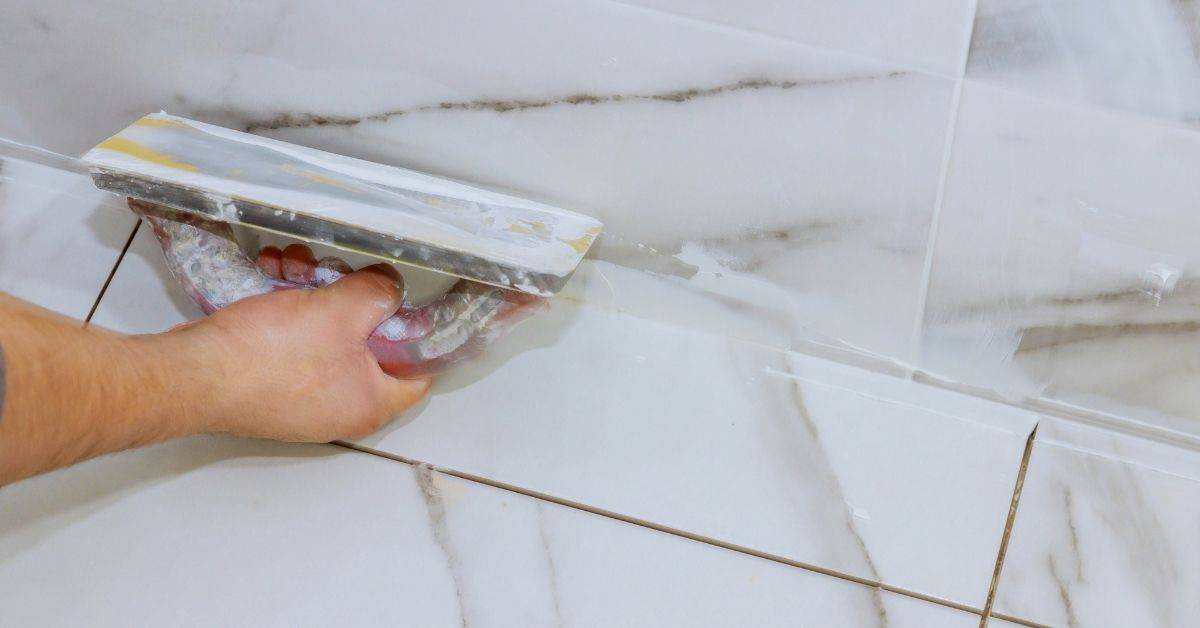
How Pros Prepare and Install Caulk at Change-of-Plane
Professional prep starts with a clean, dry substrate and proper backer material where needed. Use a bond breaker to prevent sticking where you don’t want adhesion.
Select the right caulk for the joint, follow the tooling technique, and observe curing practices that suit weather and substrate. Refer to the manufacturer instructions for surface prep and joint sizing.
Surface prep and inspection checklist
Before applying caulk at change-of-plane joints, use this checklist to ensure your surfaces are clean, sound, and ready for a durable seal.
- Remove all dirt and debris: Use a wire brush or scraper to clear the joint. Vacuum if necessary.
- Check for grease or oil: Wipe with a rag dampened with mineral spirits to remove any contaminants. Let dry.
- Inspect for mold or mildew: Look for black spots. If found, clean with a solution of bleach and water (1 part bleach to 3 parts water).
- Ensure substrate is sound: Gently tap the surface with a hammer. Hollow or dull sounds indicate damage.
- Check for cracks wider than 1/8″ (3mm): These need to be filled with patching compound before caulking.
- Inspect for missing or damaged backer rod: If present, replace or repair before applying new caulk.
- Verify joint width and depth: Measure to ensure they’re within the caulk’s recommended range (usually 1/8″ – 3/4″).
- Check for proper expansion gap: Ensure there’s at least 1/4″ (6mm) between materials to allow for movement.
Quick rule: Always check the caulk label and manufacturer instructions before starting. They provide specific guidelines for your chosen product.
Backer rod, bond breakers, and joint geometry
Before you start caulking at change-of-plane joints, understand these three key players. They control sealant depth and affect performance.
Backer rod is a foam or fiber material inserted into wide joints (over 1/4″) to control sealant depth. It prevents overfilling, which can lead to cracking. Use the right size – check your caulk’s label for recommendations.
Bond breakers, like tape or paint-on solutions, stop caulk from sticking to surfaces it shouldn’t. This helps prevent damage when you remove old caulk during future maintenance. Apply them after surface prep and before caulking.
The joint profile – its width, depth, and shape – impacts how well your caulk performs. Narrower joints (1/8″ to 1/4″) are easier to maintain but may crack under movement. Wider joints need backer rod for support. Check joint geometry before starting; if it’s too wide or deep, consider filling with a suitable material first.
Tooling, finishing, and cure management
Once you’ve prepped your joint and applied caulk, it’s time to tool, finish, and manage the cure. Here’s how pros do it:
Tooling: Use a damp sponge or rubber tool to smooth out the caulk. Work quickly before it sets. Check manufacturer instructions for recommended tools.
Finishing: For a professional look, use your finger or a finishing tool to create a rounded bead. This helps water run off and prevents cracking. Again, follow manufacturer guidelines.
Cure management: Follow these steps for best results:
- Keep the caulk clean and dry during cure time. Check the label for recommended temperatures and humidity levels.
- Protect it from rain, snow, or extreme heat until fully cured. This could take anywhere from a few hours to several days, depending on the product.
- Do not apply paint or other coatings too soon. Check the manufacturer’s recommendations before you do.
When Pros Grout and How They Mitigate Risks
Grout is reserved for joints that are effectively static and do not experience significant movement. Pros limit grout use at change-of-plane where movement is possible or likely.
Where grout is used, extra detailing or reinforcement may be added, and waterproofing strategies are implemented. Always confirm compatibility with the substrate and movement expectations via product data and installation guides.
Situations where grout can be acceptable
Grout is typically not recommended for change-of-plane joints due to its rigid nature. However, there are a few specific situations where pros might consider it.
Low movement areas: If the joint will experience minimal movement, like in a tiled shower floor or wall, grout can be an option.
Protected locations: Grout may work if the joint is protected from direct impact and won’t be subject to frequent stress. Think of a tiled backsplash in a kitchen.
Always consult manufacturer guidance for your specific tile and grout types before proceeding with grout at change-of-plane joints.
Strengthening grout applications and sealing strategies
When pros decide to use grout at a change-of-plane, they take extra steps to minimize cracking risks.
Joint design: They might use smaller grout joints (1/8″ or 3mm) to reduce the area that can crack. A narrower joint also allows for better tooling and finishing.
Supplemental sealants: Pros may apply a flexible sealant like silicone around the perimeter of the grout before it sets. This helps absorb any minor movement and prevents hairline cracks from forming at the edges.
They might also apply a sealer to the grout after it cures to enhance its resistance to moisture and stains, further protecting it from potential damage.
Hybrid approaches (grout with caulk transition)
In some cases, pros blend grout and flexible sealant to balance aesthetics and performance at change-of-plane joints.
Grout in the field: They’ll use grout for the main body of the joint where movement is minimal. This provides a solid, uniform look.
Caulk at intersections: At the edges where the joint meets other surfaces or changes direction, they’ll apply a flexible caulk. This accommodates any slight movement and prevents cracking at these high-stress points.
This hybrid approach allows for a clean, uniform look while still accommodating minor movement. It’s often used in shower pans and other areas with low to moderate joint movement.
On-Site Decision Checklist and Visual Checkpoints for Pros
Use a practical checklist to assess substrate condition, movement potential, and moisture exposure. Visual checkpoints help you decide if a flexible or rigid joint is warranted.
Document findings and compare them to label guidance, standard practices, and jobsite conditions before choosing caulk or grout. Verify any assumptions with manufacturer instructions when in doubt.
Key factors to inspect and document
Use this checklist before starting any concrete work. It helps you understand the site’s conditions and choose the right materials.
- Surface movement: Check for cracks, settlement, or heaving. Use a level to confirm. Skipping this can lead to costly repairs due to unstable surfaces.
- Substrate type: Identify if it’s concrete, wood, metal, or other. Check manufacturer instructions for surface preparation. Wrong substrate prep causes bonding issues and delamination.
- Moisture content: Test the substrate with a moisture meter. It should read below 4% for most adhesives. High moisture leads to bond failure and efflorescence.
- Exposure to water/chemicals: Look for signs of water damage or chemical exposure. Check product labels for compatibility. Incompatibility causes premature degradation and reduced lifespan.
- Alignment: Ensure surfaces are level, plumb, and square using a laser level or traditional tools. Misaligned surfaces lead to uneven wear, tripping hazards, and aesthetic issues.
- Temperature: Check the ambient temperature. Most concretes cure best between 50-90°F (10-32°C). Extreme temperatures affect curing times and strength development.
- Weather protection: Plan for rain, snow, or high winds. Protect the site if needed. Exposure to harsh weather can cause curing issues and reduced strength.
- Accessibility: Ensure you can safely access the work area with tools, materials, and equipment. Inadequate access causes delays, safety hazards, and poor workmanship.
Quick rule: Always document your findings. Photos and notes help track changes over time and aid in future maintenance or repairs.
Client priorities, aesthetics, and maintenance expectations
Before you start mixing concrete, use this checklist to understand your client’s needs. This ensures you deliver a product that meets their expectations for appearance, maintenance, and lifecycle cost.
- Understand desired finish: Check if they want smooth (troweled), textured (broomed), or exposed aggregate. Confirm with them and document.
- Color choice: Ensure the chosen color matches their expectations. Compare a small test patch to their sample.
- Exposure to elements: Check if the concrete will be exposed to de-icing salts, heavy traffic, or other harsh conditions. Adjust mix design accordingly.
- Expected lifespan: Ask about their maintenance plan and expected lifespan. This helps you decide on mix proportions and additives.
- Sealing needs: Confirm if they want the concrete sealed to protect against moisture and stains. If yes, note down the type of sealer preferred.
- Curing method: Check if they prefer wet curing or membrane curing. Ensure you have the necessary materials for their chosen method.
- Expansion joints: Verify if they want expansion joints and where they should be placed to prevent cracking.
- Edging details: Confirm if they want bullnose, square edge, or other special edging. Ensure you have the necessary tools for these details.
Quick rule: Always prioritize client communication and documentation to avoid costly rework due to misunderstandings about aesthetics and maintenance expectations.
Quick diagnostic tests and mock-ups
Before you start your project, use this checklist to validate your material choices. It’s like a quick test drive before committing to the full installation.
- Check substrate flatness: Use a straight edge and level. Substrate should be within 1/8″ per 10′ for concrete, 1/4″ for tile.
- Verify material compatibility: Check manufacturer’s data sheets to ensure your chosen materials work well together (e.g., adhesive with substrate).
- Test sample area: Apply a small patch of your chosen material in an out-of-sight location. Let it cure as per instructions.
- Check moisture levels: Use a calcium chloride test kit to ensure substrate moisture is within safe ranges (usually 75-90% RH).
- Confirm expansion joint placement: Mark out and measure expansion joints. They should be at least every 12′ for concrete, every 8′ for tile.
- Check material color consistency: Ensure your chosen materials match the desired shade by comparing samples in different lighting conditions.
- Test cutting and installation ease: Practice cutting and installing a few pieces. Check for any unexpected issues or difficulties.
- Verify safety measures: Ensure you have proper safety gear (e.g., knee pads, gloves) and tools for the job.
Quick rule: Always test a small area first. It’s cheaper to fix issues there than after full installation.
Common Failures, Troubleshooting, and Long-Term Maintenance
Root causes often include poor prep, incompatible materials, and insufficient sealing against movement. Troubleshooting focuses on correct substrate, primer choice, and compatible sealant or grout type.
Maintenance should address cleaning, inspection, and re-sealing intervals based on exposure. Check product maintenance notes in the label or manufacturer guidance for a safe plan.
Typical mistakes and how to avoid them
To ensure your change-of-plane joints last, steer clear of these common pitfalls.
- Skipping prep: Poor surface preparation leads to failed adhesion. Always clean, prime, and let surfaces dry.
- Wrong material choice: Using the wrong caulk or grout for your joint geometry can cause premature failure. Refer back to our earlier guide on when pros use caulk vs. grout.
- Incorrect joint geometry: Narrow, deep joints trap moisture and dirt, leading to rapid deterioration. Maintain proper joint width-to-depth ratio.
- Neglecting bond breakers: Without bond breakers, removing old caulk or grout becomes a nightmare. Always use them.
By avoiding these mistakes, you’ll save time and money in the long run.
Repair strategies for failed joints
When joints fail, act fast to prevent further damage. Here’s how pros approach repairs:
Step 1: Remove all failed material using a utility knife or oscillating tool. Ensure the joint is clean and dry.
Step 2: Prepare the joint for new material. For caulk, apply a primer; for grout, ensure surfaces are damp but not wet.
Step 3: Reapply the correct product, following our earlier guide on proper installation techniques.
Maintenance schedule and inspection tips
Regular inspections and maintenance extend your joints’ service life. Use this checklist:
- Annually: Inspect all joints for cracks, gaps, or discoloration.
- Every 2 years: Check joint depth; refill with new material if necessary.
- As needed: Clean joints using a mild detergent and soft brush. Rinse thoroughly.
- Before winter: Seal joints to prevent water intrusion.
- After heavy rain or snowmelt: Inspect for signs of water damage.
Quick rule: Inspect and maintain your joints regularly. Catching problems early prevents costly repairs down the line.
Conclusion
Make the choice and install it with the same discipline you’d use on a critical joint: respect movement, follow manufacturer rules, and protect the surface so it looks good and lasts.
Apply a simple, steady check: inspect the joint for movement and material compatibility, review local codes or standards, test a small area, clean and prep the joint properly, choose the right product, apply with the proper technique, cure as directed, then monitor over time. If anything looks off during the process, pause and verify before you proceed.
Common mistakes to avoid are using the wrong material for the joint, skipping the prep or test area, and ignoring movement or manufacturer guidance. Safety rules are simple: test first, protect skin and eyes, work in a dry, well-ventilated area, and never force a product where it won’t perform as advertised. If you see ongoing movement, significant water exposure, or complex details, don’t push ahead alone—call in a pro. When you do it right, you’ll have a durable seal that looks clean and performs under real use. You’ve got this. Stay practical, stay safe, and finish strong.
FAQ
How do I know when to use caulk vs grout at a change-of-plane joint?
Caulk is best for joints that are expected to move or expand and contract with temperature changes. Grout is better for rigid joints that won’t flex much. If you’re unsure, check the manufacturer’s instructions for the specific products you’re using.
Look at the gap size and surface material. Large or highly dynamic joints usually mean caulk; small, stable joints often take grout. When in doubt, ask your supplier or read the product label for movement capability.
What preparation steps make caulk last longer at a change-of-plane joint?
Clean the joint thoroughly and remove any old material. Let the surface dry completely before applying new caulk. Use a compatible primer if the product label calls for it.
Mask the edges to get a clean bead and avoid gaps. Don’t apply over dirty, oily, or dusty surfaces, or over materials that can cause bond failure as they cure.
What should I check before choosing grout for these joints?
Confirm the grout is rated for movement if the joint will flex. For high-traffic or wet areas, choose grout with suitable water resistance and sealing options. Always read the label for recommended uses and surface compatibility.
If the joint is part of a veneer or tile system, verify that the grout and movement tolerance align with the substrate. If unsure, contact the manufacturer or a local pro for guidance.
How can I extend the life of either caulk or grout at these joints?
Use the right sealant or grout for the expected movement and environment. Apply according to the product’s curing and maintenance directions. Regularly inspect for cracking, peeling, or gaps and address promptly.
Keep surfaces clean and dry to prevent bond failure. Re-seal or re-grout whenever the material shows wear beyond simple surface cleaning, following the product’s maintenance schedule. If you see recurring failures, reassess the joint design and movement expectations with a pro.