Crafting with Concrete

All things about crafting with concrete. Concrete is a versatile material that can be used in many different ways.

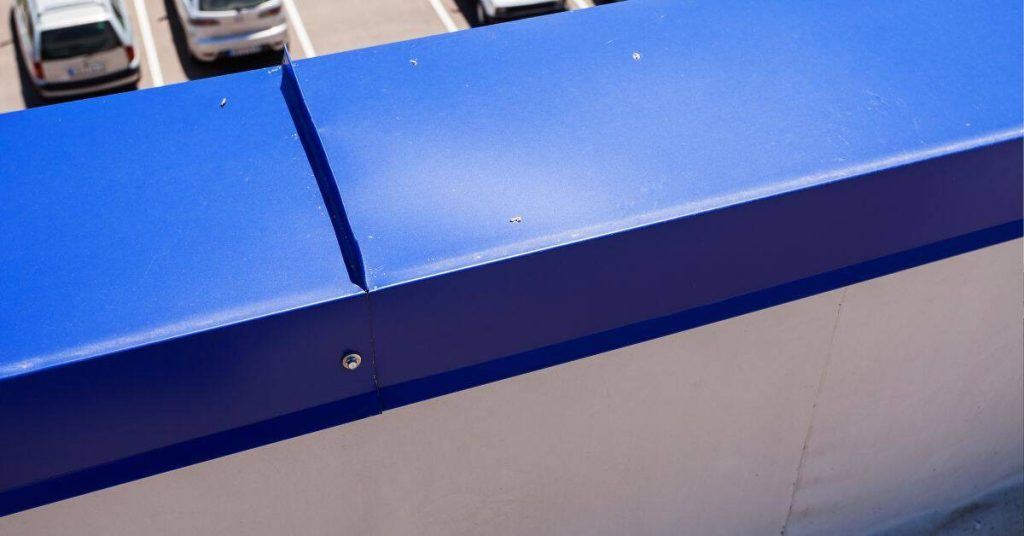
Blue metal coping joint on white concrete wall outdoors

Control Joint Layout for L-Shaped Patios: Re-Entrant Corners and Crack Steering

Introduction Control joints in an L-shaped patio are deliberate gaps that guide where cracks will form in the concrete. This layout helps manage the re-entrant corners and crack patterns so the surface lasts longer. For DIY work, plan joints along straight lines and around corners, but always check local guidelines and product instructions for appropriate […]

Control Joint Layout for L-Shaped Patios: Re-Entrant Corners and Crack Steering Read More »

Hand applying white caulk from a caulking gun onto a surface

How to Seal Form Joints to Stop ‘Fins’: Tape vs Caulk vs Foam Strategies

Introduction Sealing form joints means choosing a method to close gaps in the formwork so fins don’t form. Tape, caulk, and foam are common options, each with its own pros and limits. Look at the product label and the concrete conditions to decide what to use. Tape works best for clean, straight joints, caulk fills

How to Seal Form Joints to Stop ‘Fins’: Tape vs Caulk vs Foam Strategies Read More »

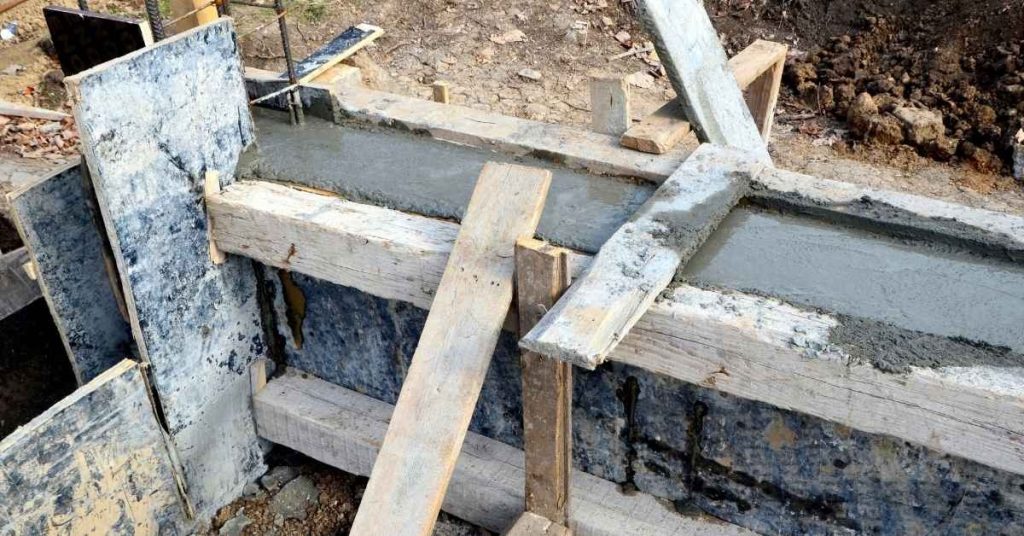
Wooden concrete forms filled with fresh concrete at construction site

Vibration for Small Forms: How to Reduce Bugholes Without Washing Cement Paste to the Face

Introduction Vibration for small forms reduces bugholes by helping the cement paste settle and lock to the form surface without washing off the surface layer. Bugholes stem from air pockets and laitance left on the surface, and proper vibration can minimize them if you don’t overwork the mix. Use a light, targeted approach to keep

Vibration for Small Forms: How to Reduce Bugholes Without Washing Cement Paste to the Face Read More »