Render / Stucco

Render / Stucco covers exterior cement-based finishes that protect walls and make them look good for years.

I write about substrate prep, lath and base coats, mixing, application techniques, control joints, curing, waterproofing details, and patch repairs. You’ll also see guides on diagnosing problems like cracking, hollow spots, moisture damage, and delamination.

If you’re working on an exterior wall finish, start here—prep and detailing matter more than people think.

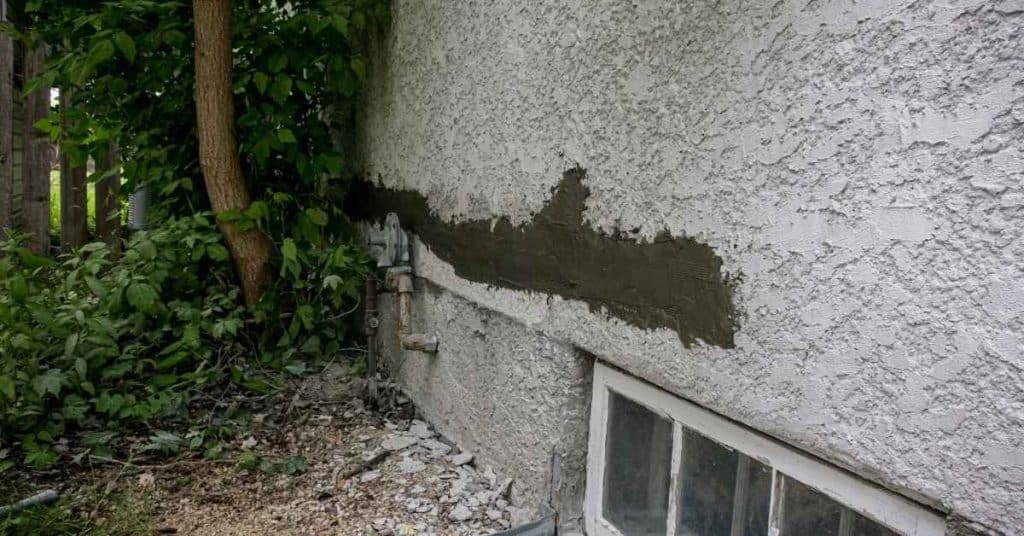
Stucco wall with fresh patch above basement window

How to Patch Stucco Where Lath Is Rusting: Cutback Limits, Fastener Choices, and Rebuild

Introduction This guide shows how to patch stucco when the metal lath under it is rusting. You’ll assess the damage, remove deteriorated material, and prepare the surface for repair. Keep the work conservative and follow safety and building guidance as you go. Cutback limits depend on the substrate and structure, so check manufacturer instructions and […]

How to Patch Stucco Where Lath Is Rusting: Cutback Limits, Fastener Choices, and Rebuild Read More »

Close up of blue painted stucco wall texture

Stucco Patches on Painted Surfaces: Bonding Agents, Scratch Keys, and When to Strip Paint

Introduction This article explains how to patch stucco on painted surfaces, including prep, bonding, and deciding when to strip paint. It covers bonding agents, scratch keys, and the little checks you need to avoid a failed patch. Keep it DIY-friendly with practical steps you can do on a weekend. Start by inspecting the painted area

Stucco Patches on Painted Surfaces: Bonding Agents, Scratch Keys, and When to Strip Paint Read More »

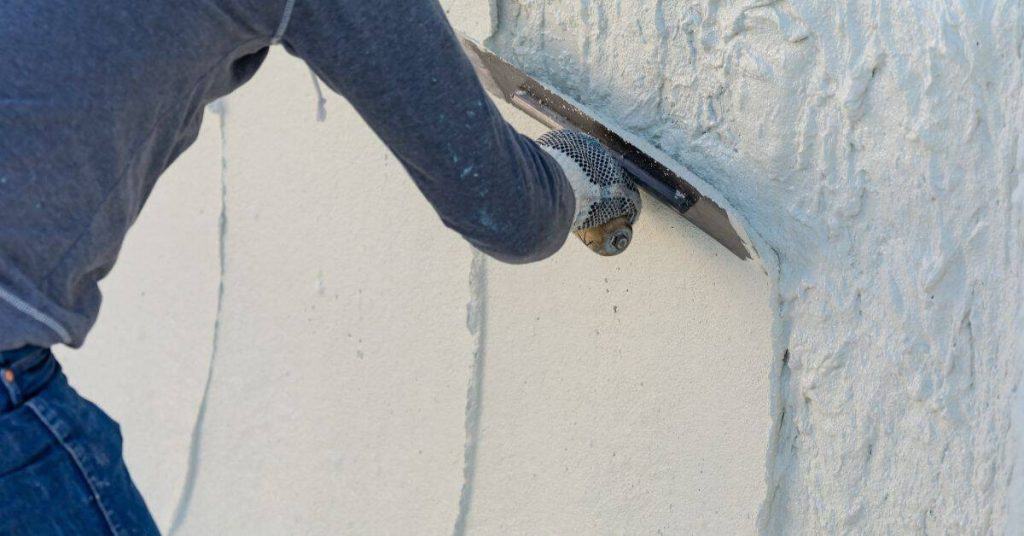
Worker applying stucco texture to exterior wall with trowel

Repairing Stucco Around Exterior Electrical Boxes: Rebuild Steps That Keep the Gasket Dry

Introduction Repairing stucco around exterior electrical boxes is about sealing the gap and protecting the gasket from moisture. This job is hands-on and requires careful prep, clean surfaces, and proper patching to keep water out. Work slowly and check the seal around the box after each step. Start by cleaning the area around the box

Repairing Stucco Around Exterior Electrical Boxes: Rebuild Steps That Keep the Gasket Dry Read More »

blue stucco wall texture with varied surface depth

Sealing Penetrations Through Stucco (Vents, Linesets, Pipes): The ‘Sleeve + Flange’ Method

Introduction Sleeve + flange is a method to seal vents, linesets, or pipes where they pass through stucco. You install a sleeve through the opening, then attach a flange to seal against the wall and weather. This approach helps keep water out and makes future maintenance easier. Start by choosing a sleeve size that fits

Sealing Penetrations Through Stucco (Vents, Linesets, Pipes): The ‘Sleeve + Flange’ Method Read More »

horizontal crack in white stucco wall surface

DIY Stucco Weep Path Maintenance: Keeping Bottom Terminations From Clogging With Dirt

Introduction Weep paths are channels at the bottom of stucco details that drain moisture away. Keeping them clear helps prevent water from backing up into the wall. This article shows a plain‑language, DIY approach to inspecting and cleaning them without tearing the finish. Start by locating the bottom terminations and looking for dirt, debris, or

DIY Stucco Weep Path Maintenance: Keeping Bottom Terminations From Clogging With Dirt Read More »

Worker spraying stucco onto a brick wall

Stucco Screed Beads and Termination Beads: Which Profile Goes Where (and Why It Matters)

Introduction Screed beads and termination beads are edge profiles used to shape and finish stucco at joints and edges. They help keep the finish straight and seal transitions where the stucco meets other surfaces. Check the product label and manufacturer guidance to ensure you’re matching the profile to your job and local rules. Plan where

Stucco Screed Beads and Termination Beads: Which Profile Goes Where (and Why It Matters) Read More »

closeup of red brick wall with mortar joints

Installing Expansion Joints in New Stucco: Simple Layout Rules for DIY Projects

Introduction Expansion joints are gaps that let stucco expand and contract without cracking. In new stucco, plan these joints where movement or stress is likely and at regular intervals. Keep joints clean and avoid sealing them with rigid materials. Where to place joints depends on wall size, substrate, and climate. Check manufacturer guidance and local

Installing Expansion Joints in New Stucco: Simple Layout Rules for DIY Projects Read More »

Hand wearing glove installing fastener into foam board insulation

Stucco Over Foam Board: Choosing Mesh Weights and Avoiding ‘Wavy Wall’ Syndrome

Introduction This article explains how to apply stucco over foam board and why mesh weight matters. You’ll learn about choosing the right mesh and what to watch for to keep the wall flat. We’ll keep it practical and hands-on, with steps you can check on the job site. Start by confirming your foam board and

Stucco Over Foam Board: Choosing Mesh Weights and Avoiding ‘Wavy Wall’ Syndrome Read More »

Close up of foam insulation and stucco edge

How to Repair a Missing Stucco ‘Drip Edge’ at Horizontal Bands (So Water Stops Tracking Back)

Introduction A missing stucco drip edge is the built‑in edge of the stucco that directs moisture away and stops water from tracking back into the wall. Without it, water can wend its way behind the band and cause staining or leaks. To fix it, plan to add proper edging or flashing where the horizontal band

How to Repair a Missing Stucco ‘Drip Edge’ at Horizontal Bands (So Water Stops Tracking Back) Read More »

Hands holding brown color paint swatches over building plans

DIY Stucco Paint Selection by Climate: Hot/Humid vs. Freeze/Thaw vs. Coastal Salt

Introduction DIY stucco paint selection by climate means choosing paints and finishes that tolerate hot and humid, freeze/thaw, or coastal salt conditions. Your climate dictates how well coatings bond, dry, and resist cracking. Think of it as matching the product to your weather and exposure. Start by checking the label for moisture tolerance, temperature range,

DIY Stucco Paint Selection by Climate: Hot/Humid vs. Freeze/Thaw vs. Coastal Salt Read More »