Render / Stucco

Render / Stucco covers exterior cement-based finishes that protect walls and make them look good for years.

I write about substrate prep, lath and base coats, mixing, application techniques, control joints, curing, waterproofing details, and patch repairs. You’ll also see guides on diagnosing problems like cracking, hollow spots, moisture damage, and delamination.

If you’re working on an exterior wall finish, start here—prep and detailing matter more than people think.

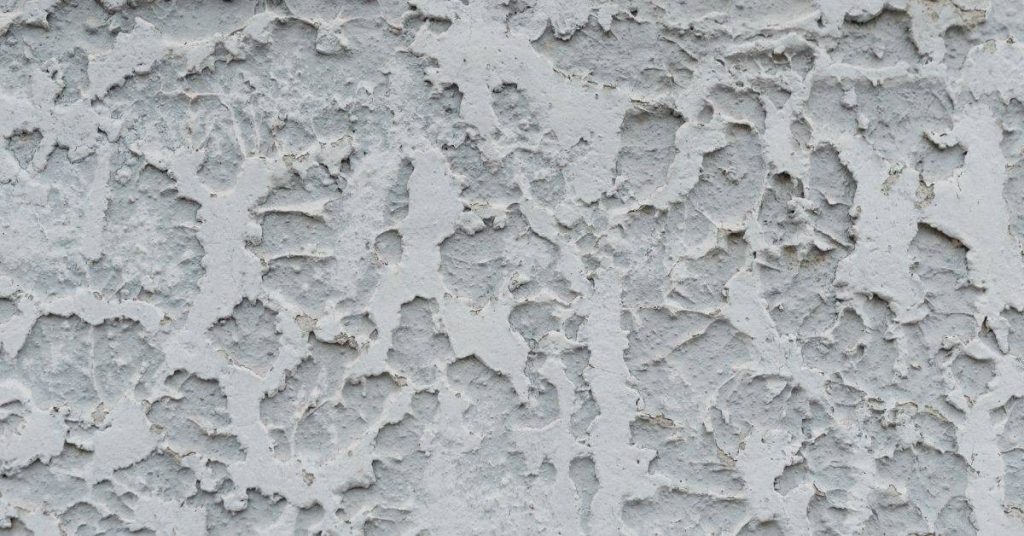
Close-up of blue stucco wall texture with slight indentations

Stucco Texture Repair After Pressure Washing Damage: How to rebuild the finish

Introduction This is the process of rebuilding a damaged stucco texture after pressure washing. You’ll assess the damage, prepare the surface, and re-apply texture to match the rest of the wall. Work in small sections and let your patch dry before finishing. Prepare the area by cleaning loose material and dampening the surface, then apply […]

Stucco Texture Repair After Pressure Washing Damage: How to rebuild the finish Read More »
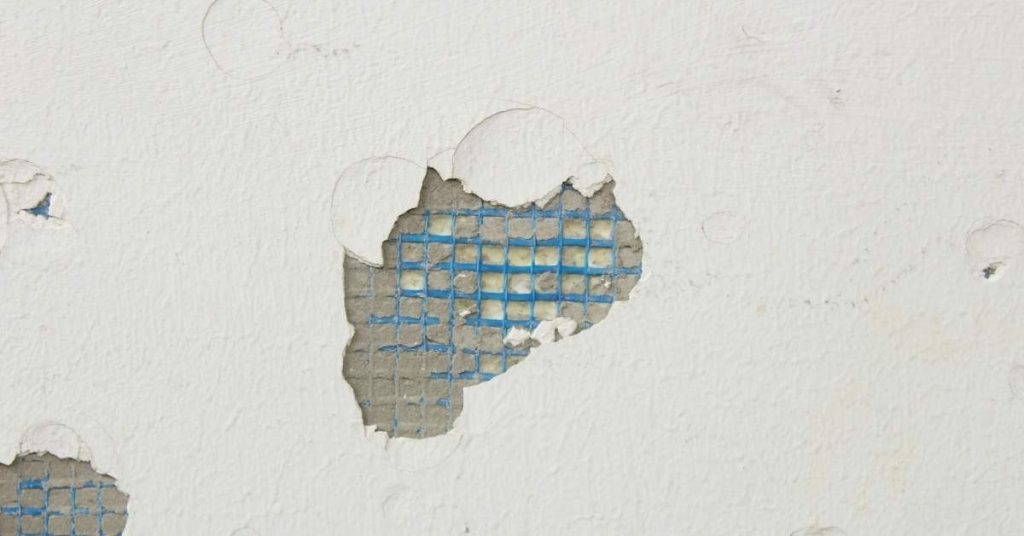
White stucco wall with holes revealing blue reinforcing mesh

How to Repair Stucco After Removing a Satellite Dish: Holes, mesh, and color matching

Introduction This article explains how to repair stucco after removing a satellite dish, focusing on filling holes, embedding mesh, and matching color. You’ll work from the outside in, prep the area, and choose the right patching compound for your surface. Plan for a gradual build up and smooth finish, then check local rules or manufacturer

How to Repair Stucco After Removing a Satellite Dish: Holes, mesh, and color matching Read More »

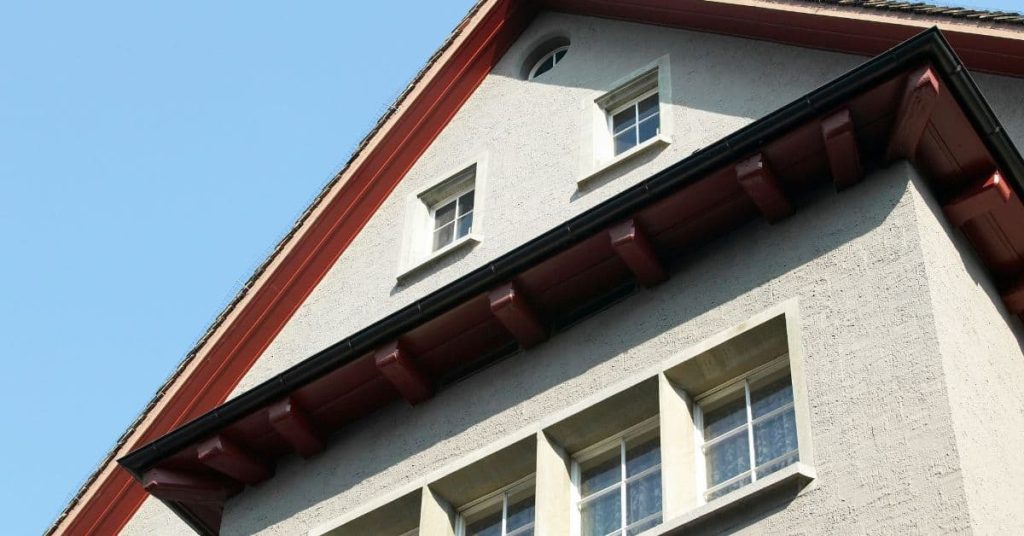
Stucco exterior wall with multiple windows and red trim

Stucco Cracks Around Windows: Common Causes and Better Detailing

Introduction Stucco cracks around windows are gaps in the stucco that show movement or moisture at the opening. They’re often caused by framing shifts, flashing issues, or moisture-related stress near the window edge. There are different crack types to look for, like hairline, spider, or cross-pattern cracks. Moisture behind the stucco worsens damage, and using

Stucco Cracks Around Windows: Common Causes and Better Detailing Read More »

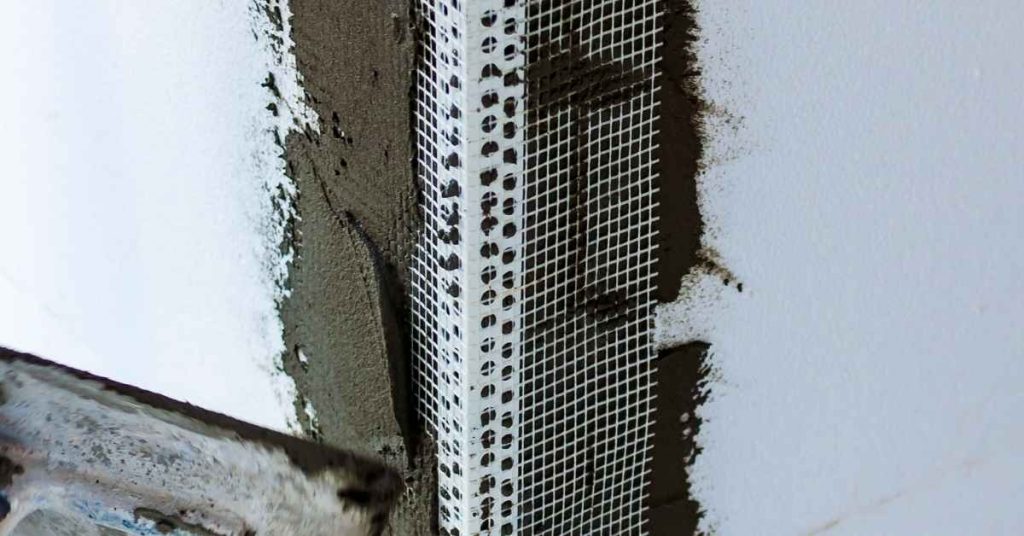
Worker applying plaster over blue fiberglass mesh on wall

Fiberglass Mesh vs Metal Lath: Choosing Reinforcement for Thin Cement Coats

Introduction Fiberglass mesh and metal lath are both used to reinforce thin cement coats. Fiberglass mesh is lightweight and easy to handle, while metal lath provides more rigid support for tougher jobs. Check manufacturer instructions and local rules to confirm suitability for your project, and look for guidance on compatible mixes and application methods. For

Fiberglass Mesh vs Metal Lath: Choosing Reinforcement for Thin Cement Coats Read More »

White mesh embedded in wet stucco on white wall surface

Stucco Over ICF Walls: Mesh, Fasteners, and Crack Control at Openings

Introduction Stucco over ICF walls means applying a cement-based veneer to insulated concrete forms using a proper weather-resistive layer, reinforcement mesh, and secure fasteners so the finish sticks and moves with the wall. This job needs the right mesh type, fastener method, and detailing at windows and doors to control cracking; check the stucco manufacturer’s

Stucco Over ICF Walls: Mesh, Fasteners, and Crack Control at Openings Read More »

Indoor view through window blinds showing green plants outside

EIFS Window Detailing Basics: Backwrapping, Sealant Joints, and Common DIY Failures

Introduction EIFS window detailing is the practical work of wrapping the window opening with the EIFS base and mesh, backwrapping the flange or jamb, and creating sealed, jointed transitions so water and movement stay out. Think of it as three chores: proper substrate prep and flashing, neat backwrap techniques that embed mesh into the basecoat,

EIFS Window Detailing Basics: Backwrapping, Sealant Joints, and Common DIY Failures Read More »

close up of white textured plaster finish surface

Repairing EIFS Impact Damage: Base Coat Build, Mesh, and Finish Matching

Introduction Repairing EIFS impact damage means rebuilding the base coat, reapplying the reinforcing mesh, and matching the textured finish so the patch looks and performs like the existing wall. This is a hands-on job that focuses on cleanup, solid bonding of the base coat, correct embedding of mesh, and careful texture and color matching. Check

Repairing EIFS Impact Damage: Base Coat Build, Mesh, and Finish Matching Read More »

Close-up of rough textured gray stucco wall surface

How to Identify EIFS vs Hard-Coat Stucco: Simple On-Wall Tests

Introduction EIFS is an exterior insulation system with a foam board base and a thin textured finish, while hard-coat stucco is a cement-based, multi-layered plaster bonded to masonry or a lath substrate. In plain jobsite terms: EIFS feels lighter and can have a separation behind the finish, whereas hard-coat stucco is rigid and is trowel-applied

How to Identify EIFS vs Hard-Coat Stucco: Simple On-Wall Tests Read More »