Plaster

Plaster is for cement-based and traditional plastering projects where a smooth or durable surface is the goal.

You’ll find guides on surface prep, bonding, scratch/brown/finish coats, patching, corner details, sanding and finishing, and how to avoid common issues like cracking, poor adhesion, and uneven texture.

If your project is “make this wall look right again,” this is the category to start with.

close-up of textured plaster wall with subtle sheen

Primers for Plaster Before Paint: What Stops Suction and Gives Uniform Sheen

Introduction Primers for plaster before paint are coatings that seal the surface and even out suction so paint goes on smoothly. In plain words, you dampen any dry areas, fill small flaws, and create a uniform base. Choose a primer labeled for plaster and follow the label for surface prep and drying times. Prepare the […]

Primers for Plaster Before Paint: What Stops Suction and Gives Uniform Sheen Read More »

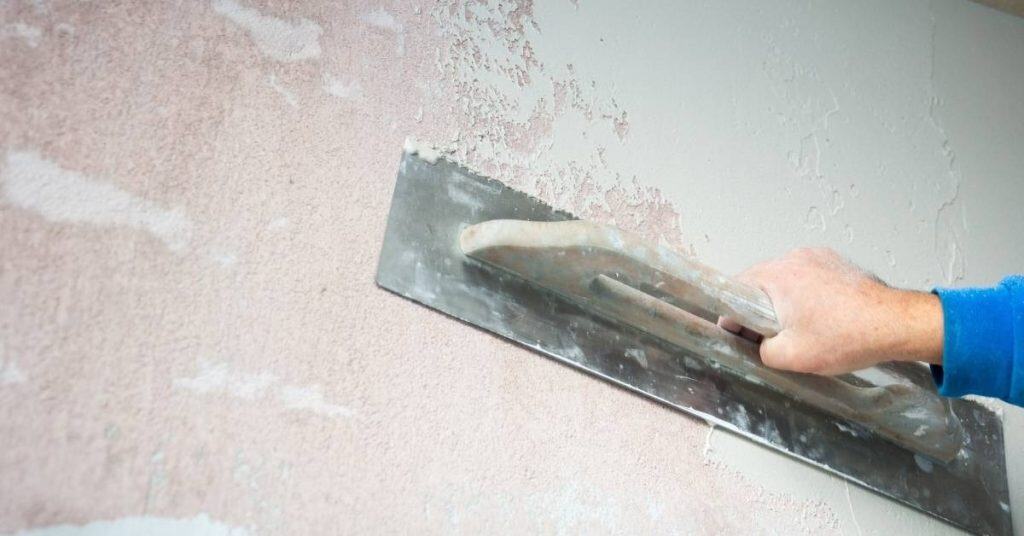
Hand applying plaster smoothly on wall with trowel

Preventing Future Cracks: Adding Movement Control Where Plaster Meets Different Materials

Introduction Movement control at plaster interfaces is the planned allowance for expansion and contraction where plaster meets wood, drywall, or masonry. Cracks often form when the different materials move differently over time, so knowing where to place joints helps. Using proper joints and careful bedded seams can keep transitions stable as conditions change. To manage

Preventing Future Cracks: Adding Movement Control Where Plaster Meets Different Materials Read More »

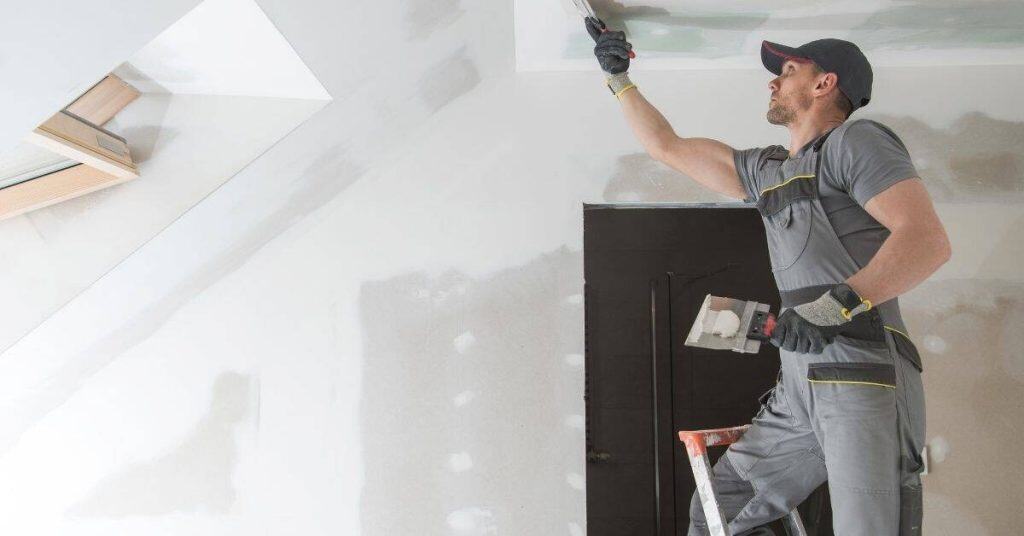
Worker applying plaster patch on ceiling using putty knife

Fixing Nail Pops in Plaster: Why They’re Different from Drywall and How to Lock Them Down

Introduction Nail pops in plaster are protruding fasteners that back out and push the plaster away from the wall surface. They’re different from drywall because plaster walls are typically thinner and thicker, with a different substrate and bond. In plain terms, you’re dealing with a plaster shell that’s moved and needs to be re-secured and

Fixing Nail Pops in Plaster: Why They’re Different from Drywall and How to Lock Them Down Read More »

Close-up of blue plaster wall with rough texture

Matching Old Plaster Texture: Brushing – A Step-by-Step Timeline

Introduction The process of matching old plaster texture by brushing can seem daunting, but breaking it down into a clear timeline makes it manageable. This step-by-step guide walks you through the entire process, from preparation to completion, with approximate time frames for each stage. Whether you’re repairing a small patch or restoring an entire room,

Matching Old Plaster Texture: Brushing – A Step-by-Step Timeline Read More »

Hand using trowel to smooth plaster on wall

Creating Clean Inside Corners in Plaster: Corner Tools Vs Hand Technique

Introduction Creating clean inside corners in plaster means achieving sharp, smooth 90-degree joints on interior walls. Use either corner tools or careful hand technique to control the mud. Check that the edge stays true and adjust as you go. Corner tools can speed up a straight edge, but technique matters for a crisper look. With

Creating Clean Inside Corners in Plaster: Corner Tools Vs Hand Technique Read More »

Worker smoothing plaster wall wearing blue overalls and helmet

Skim Coating over Painted Plaster: How to Test Adhesion Before Committing

Introduction Skim coating over painted plaster requires testing adhesion first to know if the surface will hold the skim. Start by making sure the painted layer is sound, clean, and free of wax, flaking paint, or dust, and plan any necessary surface preparation before you proceed. This quick check helps you decide whether to go

Skim Coating over Painted Plaster: How to Test Adhesion Before Committing Read More »

Worker smoothing plaster on wall with trowel wearing gloves and cap

Hardwall Plaster on Masonry: Achieving a Flat Plane Without “Waves”

Introduction Hardwall plaster on masonry is applying a cement-based coating to brick or block to create a flat, level surface. It means you’re sealing the rough masonry and guiding the plaster down to a true plane. Start by checking the wall for moisture and any loose material, then read the instruction on the product label

Hardwall Plaster on Masonry: Achieving a Flat Plane Without “Waves” Read More »

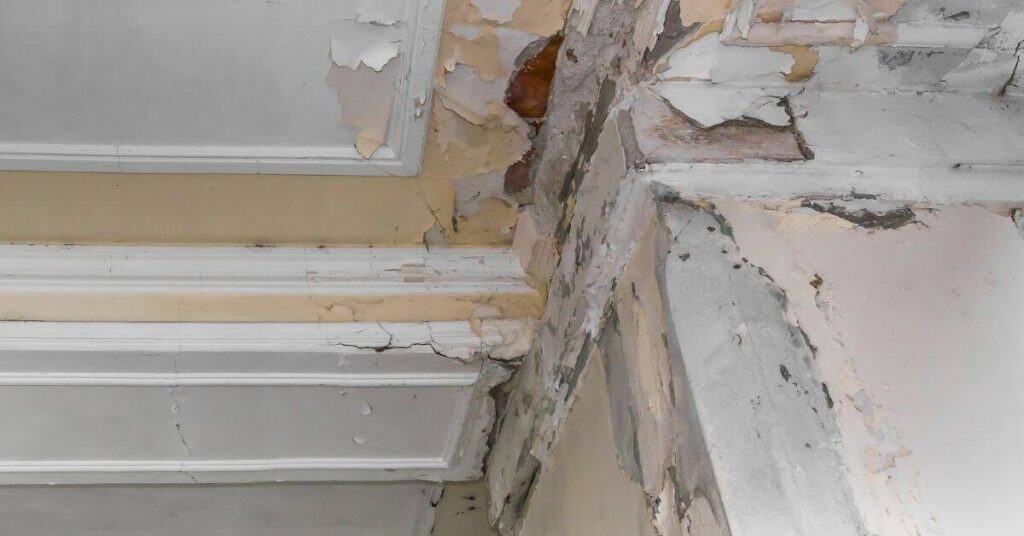
Cracked and peeling plaster near ceiling and crown molding

Repairing Water-Damaged Plaster: Drying Steps and What Must Be Cut Out

Introduction Repairing water-damaged plaster means removing the wet, compromised material and drying the area before patching. You should cut out all obviously damaged plaster and lath, and then dry the wall cavity with ventilation and heat as needed. Stay alert for mold, structural clues, and electrical hazards, and follow safe practices on the job site.

Repairing Water-Damaged Plaster: Drying Steps and What Must Be Cut Out Read More »

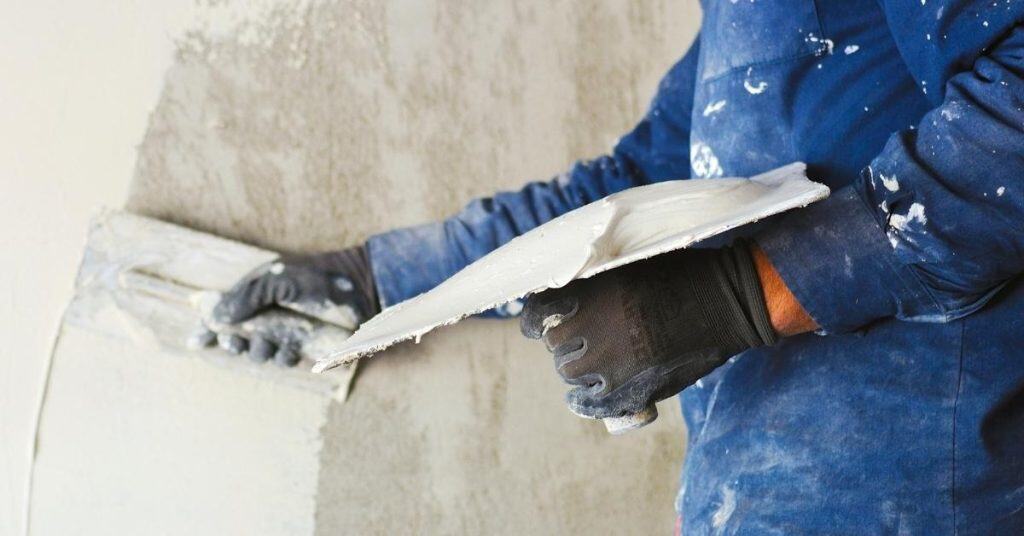
Worker applying plaster to wall with trowel and hawk

Plaster Bonding Agent Application: Coverage Rates and “Tacky Vs Dry” Timing

Introduction Plaster bonding agent application is applying an adhesive coat to help plaster bond, focusing on how much area it covers and when it becomes tacky or dries. In practice, you spread or roll on the bonding agent following the surface you’re working with, pausing long enough for it to tack to the right feel

Plaster Bonding Agent Application: Coverage Rates and “Tacky Vs Dry” Timing Read More »