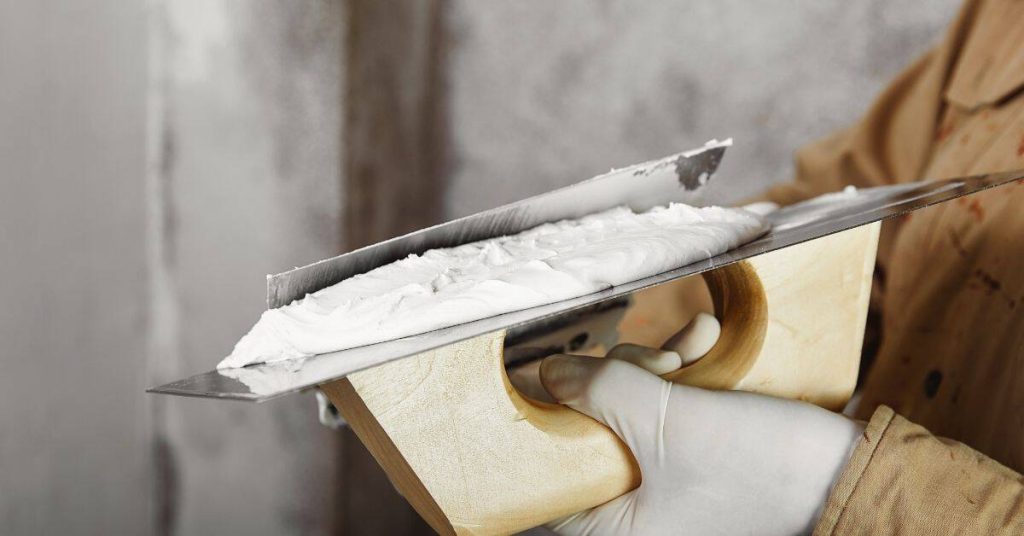
Plaster

Plaster is for cement-based and traditional plastering projects where a smooth or durable surface is the goal.

You’ll find guides on surface prep, bonding, scratch/brown/finish coats, patching, corner details, sanding and finishing, and how to avoid common issues like cracking, poor adhesion, and uneven texture.

If your project is “make this wall look right again,” this is the category to start with.

Man applying plaster near window corner with trowel

How to Fix Plaster Cracks at Door and Window Corners (Reinforcement Choices)

Introduction This guide explains how to reinforce and fix plaster cracks at door and window corners. Key takeaways Identify plaster cracks at door and window corners early; note hairline vs structural. Assess damage and plan: remove loose plaster, check lath backing, choose reinforcement. Replacing damaged lath or backing may be required for solid repair. Apply […]

How to Fix Plaster Cracks at Door and Window Corners (Reinforcement Choices) Read More »
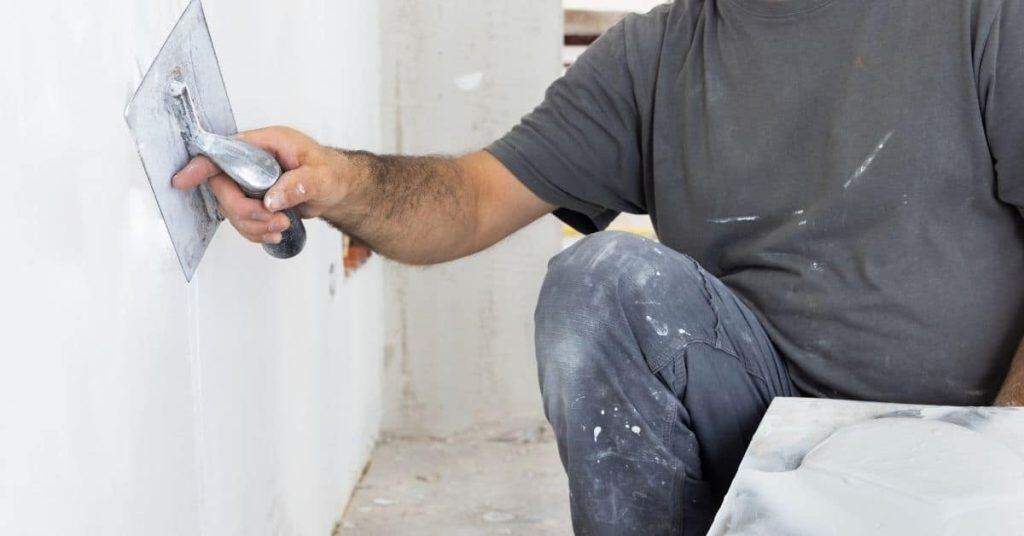
person smoothing white plaster on wall with trowel

How to Repair Cracked Plaster Without It Reappearing (Stabilize First)

Introduction Stabilizing the crack before patching is essential to keep plaster from reappearing. Identify the crack and check for signs of movement, moisture, or loose surrounding plaster before you start. Gather basic hand tools and the patching material you’ll use. Prepare the surface by cleaning away dust and loose material, and gently roughen slick edges

How to Repair Cracked Plaster Without It Reappearing (Stabilize First) Read More »

Hand holding plastering trowel with white mortar

How Long Does Plaster Injection Take? A Step-by-Step Timeline

Introduction The process of injecting adhesive behind loose plaster can be a time-consuming task, but understanding the timeline can help you plan your project more effectively. Here’s a step-by-step breakdown of how long each stage takes. Before we dive in, remember that the duration may vary depending on factors like the size of the affected

How Long Does Plaster Injection Take? A Step-by-Step Timeline Read More »

Worker applying drywall compound on ceiling with putty knife

How Long Does It Take to Reattach Loose Plaster with Washers? A Step-by-Step Timeline

Introduction Reattaching loose plaster with washers is a crucial repair task that requires careful planning and execution. Understanding the time commitment involved in each step helps you allocate your day effectively and ensures you complete the project successfully. This guide walks you through the process, breaking down the timeline so you know exactly how long

How Long Does It Take to Reattach Loose Plaster with Washers? A Step-by-Step Timeline Read More »

Exposed wooden lath behind damaged plaster wall surface

Plaster Keys Explained: How Lath-and-Plaster Actually Stays on the Wall

Introduction The age-old question among DIY enthusiasts is: how does lath and plaster stay on the wall? The answer lies in a simple yet ingenious technique called plaster keys. Let’s dive into this traditional method that has stood the test of time. Key takeaways Understand plaster keys are raised surfaces gripping the underlying lath to

Plaster Keys Explained: How Lath-and-Plaster Actually Stays on the Wall Read More »

Hands wearing gloves applying plaster with a trowel on wall

How Long Does It Take to Tell If Your Wall Is Lime Plaster or Gypsum Plaster?

How long identification takes You can usually form an initial indication in 15–30 minutes if there is a safely accessible, already exposed plaster edge. Allow 30–90 minutes for a documented household assessment: checking safety and context, photographing the wall, inspecting a cross-section, and—only if justified—screening a loose fragment. That is elapsed inspection time, not a

How Long Does It Take to Tell If Your Wall Is Lime Plaster or Gypsum Plaster? Read More »

Hand applying plaster to rough brick wall with trowel

Lime Plaster Vs Gypsum Plaster: Compatibility Rules for Old Houses

Introduction Lime plaster and gypsum plaster are two plaster options for old houses, and their compatibility with the wall is a key difference. Lime plaster lets walls breathe and flex a bit, while gypsum plaster goes on smoother and dries faster. In simple terms, choose lime if you need moisture handling and wall compatibility; choose

Lime Plaster Vs Gypsum Plaster: Compatibility Rules for Old Houses Read More »

Unfinished room with drywall and joint compound applied on seams

Plaster Vs Joint Compound: Which Material Belongs in Which Repair

Introduction Plaster is a cement-based finish applied in a thick coat that hardens into a solid surface. Joint compound is a gypsum-based filler designed for walls and seams. For repairs, choose plaster on traditional, solid surfaces and use joint compound for drywall patches and quick fixes. In practice, match the material to the repair and

Plaster Vs Joint Compound: Which Material Belongs in Which Repair Read More »

Close-up of rough white plaster wall texture

Plaster Dust Control Timeline for Small DIY Jobs

Small-job plaster dust-control timeline For a localized plaster repair in one room, plan containment first, control dust while you work, clean before opening the barrier, and allow time for a final inspection. These are planning estimates, not clearance times: they stop being realistic for multiple rooms, high ceilings, extensive demolition, powered grinding or cutting, poor

Plaster Dust Control Timeline for Small DIY Jobs Read More »