Informative

Informative is where I post general notes and observations from working with concrete and cement-based materials.

These aren’t always step-by-step tutorials. They’re more like field notes: what’s changing in materials, what works in practice, and how to think about common problems before they happen.

If you like the “why” behind the how-to guides, you’ll probably enjoy this section.

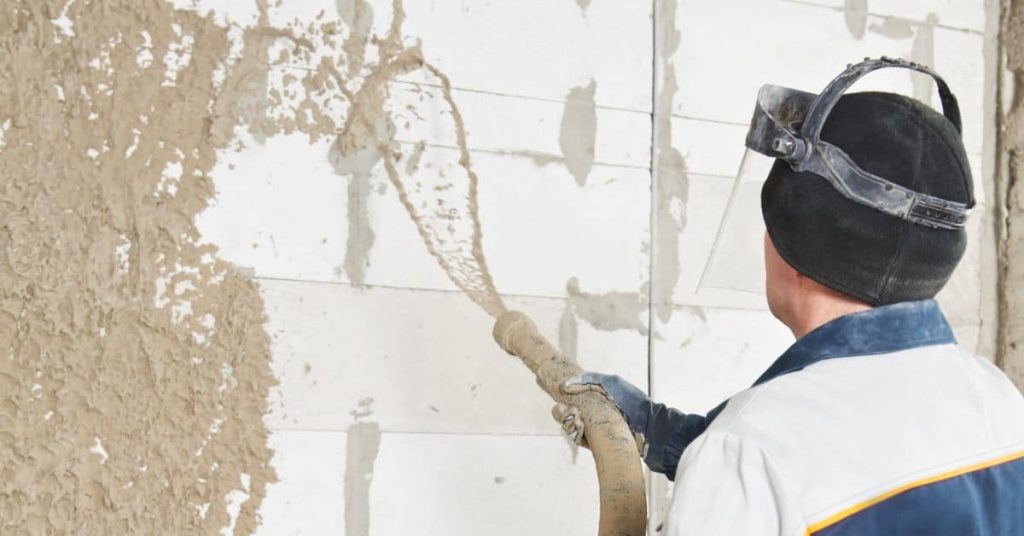
Worker spraying stucco on exterior wall

Cold-weather stucco patching: cure protection and when ‘it’ll be fine’ isn’t true

Introduction Cold-weather stucco patching is repairing damaged stucco surfaces during cold temperatures while ensuring the patch cures properly. This guide explains why curing conditions matter and how to set up the patch so it can harden without cracking. You’ll find practical, hands-on steps for a DIY approach. Cure protection means controlling moisture, warmth, and shelter […]

Cold-weather stucco patching: cure protection and when ‘it’ll be fine’ isn’t true Read More »
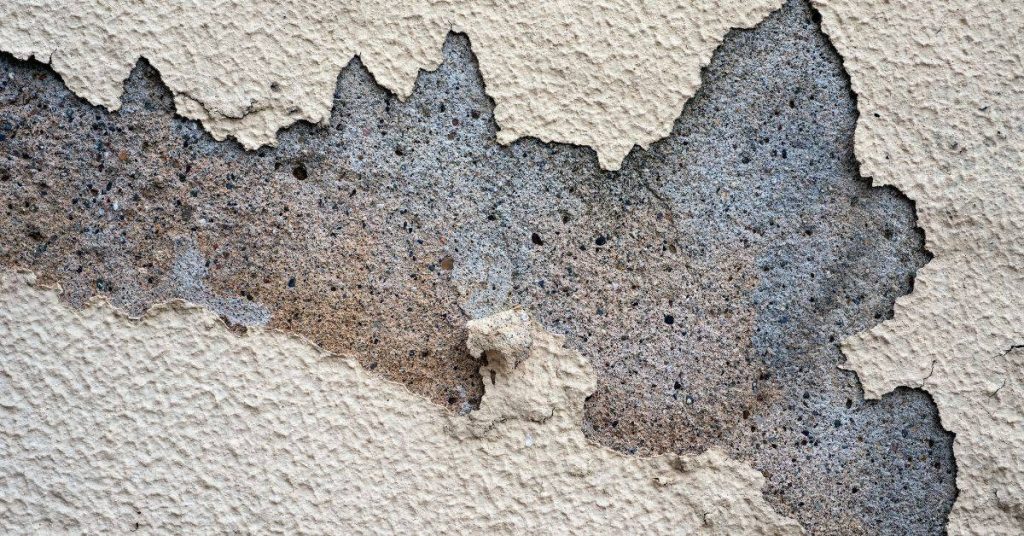
Peeling beige stucco revealing rough concrete underneath

Freeze-thaw damage on stucco base coats: recognizing it early and rebuilding the right way

Introduction Freeze-thaw damage occurs when trapped moisture in stucco base coats freezes and expands, causing cracking and delamination. It can weaken the surface and open pathways for water to enter surrounding layers. Damage often starts on the exterior and can spread if not addressed with proper repairs. Common signs include hairline cracks, chipped or powdery

Freeze-thaw damage on stucco base coats: recognizing it early and rebuilding the right way Read More »

Stucco exterior walls on a house under clear blue sky

Stucco color fade on south walls: UV reality, pigment choices, and repaint intervals

Introduction Stucco color fade on south walls happens when sun exposure and UV light fade the pigment over time. This is common on exterior surfaces that receive strong afternoon sun. Understanding what to expect helps plan when to repaint and what finishes stand up best. Choosing the right paint type and pigment can improve durability

Stucco color fade on south walls: UV reality, pigment choices, and repaint intervals Read More »

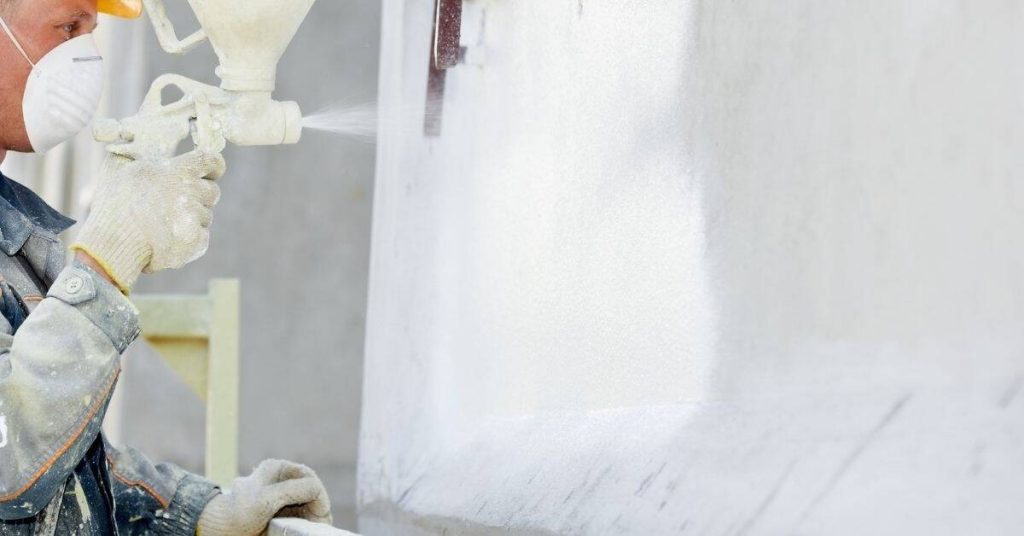
Worker spraying white coating onto stucco wall with spray gun

Breathable vs waterproof stucco coatings: choosing paint that won’t trap moisture

Introduction Breathable coatings let moisture escape from the wall while waterproof coatings block water from entering. In practice, choosing between them for stucco means balancing moisture movement with the need for surface protection. Always follow the product label and consider how your climate and surface condition will interact with the coating. Temperature changes can affect

Breathable vs waterproof stucco coatings: choosing paint that won’t trap moisture Read More »

Hand scraping delaminated stucco from wall with scraper

Stucco delamination from paint layers: how to test adhesion before you repaint

Introduction Delamination in stucco paint means the coating is no longer firmly attached to the underlying surface. Testing adhesion before repainting shows whether the surface is ready to be prepped and primed. A quick check helps you plan the cleaning, scraping, and sealing steps. To test adhesion, use a simple peel or lift test on

Stucco delamination from paint layers: how to test adhesion before you repaint Read More »

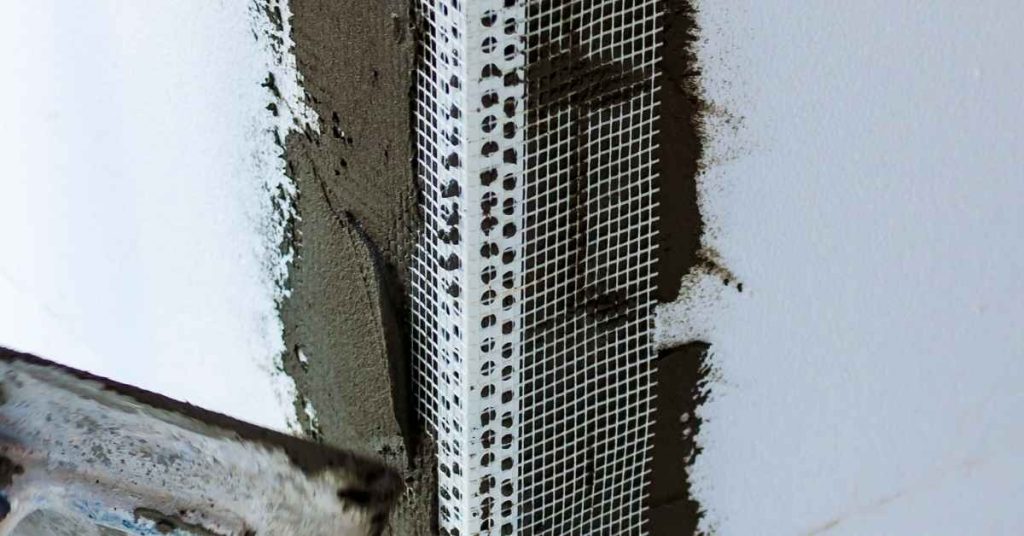
Stucco corner with reinforcing mesh being applied

Cracks at stucco corners: stress points, mesh placement, and how to keep them from returning

Introduction Cracks at stucco corners are stress-related failures at the joints where surfaces meet. They form when the wall moves or settles and the outer layer can’t flex enough. Addressing them starts with understanding where the stress concentrates and how the mesh supports the patch. Repair technique should reinforce corners with proper mesh at joints

Cracks at stucco corners: stress points, mesh placement, and how to keep them from returning Read More »

Exterior stucco wall with scaffolding set up for repair

Patching stucco after plumbing repairs: backing methods that prevent a soft spot

Introduction Backing methods for patching stucco after plumbing repairs provide support under the patch to keep it solid. They help prevent sagging or settling as the repair dries and cures. Choose a backing that fits behind the stucco and works with the existing wall. Place the backing so it sits behind the new stucco and

Patching stucco after plumbing repairs: backing methods that prevent a soft spot Read More »

Close-up of stucco edge with foam insulation and sealant

Bottom edge stucco moisture wicking: diagnosing capillary rise and fixing the drainage plane

Introduction Bottom-edge stucco moisture wicking occurs when capillary rise pulls moisture from the foundation into the lower stucco courses. This guide helps you spot the signs and understand why the drainage plane matters. Look for damp patches, staining, softening, or peeling where the stucco meets the foundation, and check for poor drainage or blocked weep

Bottom edge stucco moisture wicking: diagnosing capillary rise and fixing the drainage plane Read More »

Two-story stucco house exterior with windows and garage door

Stucco termite inspection gaps: keeping clearances without leaving raw edges

Introduction Stucco Gap Inspection and Repair To minimize termite access, keep gaps around stucco clear while preventing exposed raw edges. Inspect edges, corners, and joints where stucco meets other materials regularly. Focus on these areas: Stucco-to-stucco joints Stucco-to-frame connections Stucco-to-foundation interfaces Upon discovering gaps, repair them neatly using suitable flashing or backer materials and compatible

Stucco termite inspection gaps: keeping clearances without leaving raw edges Read More »

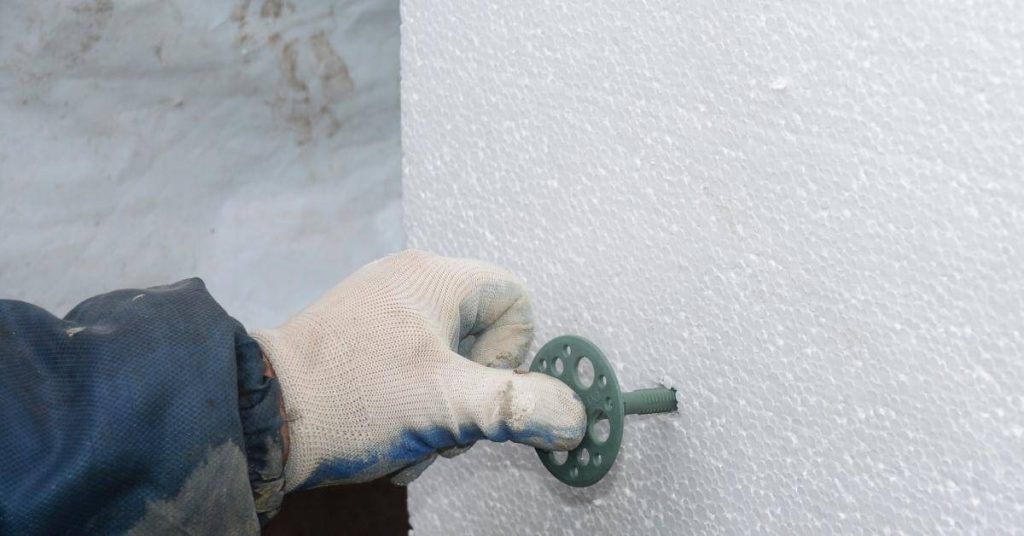
Hand with glove pushing plastic anchor into foam board insulation

Anchors that work in stucco over foam vs stucco over wood sheathing

Introduction Anchors that work in stucco over foam versus stucco over wood sheathing are fasteners chosen for different backing materials used in exterior walls. Foam-backed stucco requires considerations for how the anchor transfers load and how the insulation is protected, while wood sheathing provides a solid, continuous surface for grip. This introduction sets up what

Anchors that work in stucco over foam vs stucco over wood sheathing Read More »