Informative

Informative is where I post general notes and observations from working with concrete and cement-based materials.

These aren’t always step-by-step tutorials. They’re more like field notes: what’s changing in materials, what works in practice, and how to think about common problems before they happen.

If you like the “why” behind the how-to guides, you’ll probably enjoy this section.

Cordless drill and scattered wood screws on wooden surface

Stabilising small plaster areas over wood lath: when spot washers are enough

Introduction Spot washers can stabilise small plaster areas over wood lath. This article explains a practical, hands‑on approach for assessing and addressing those loose patches. Keep the work simple and focused on local repairs rather than rebuilding whole walls. Evaluate the wall condition first to decide if spot washers alone will hold or if additional […]

Stabilising small plaster areas over wood lath: when spot washers are enough Read More »

Hand holding trowel and hawk with plaster compound

Planning a plaster skim job: sample walls, staging rooms, and avoiding scope creep

Introduction Planning a plaster skim job is outlining which walls to skim, choosing sample walls to test finishes, and setting up staging areas to keep the work organized. It helps prevent scope creep by defining what work is in scope and what isn’t. Start by walking the space and noting surface condition, then map a

Planning a plaster skim job: sample walls, staging rooms, and avoiding scope creep Read More »

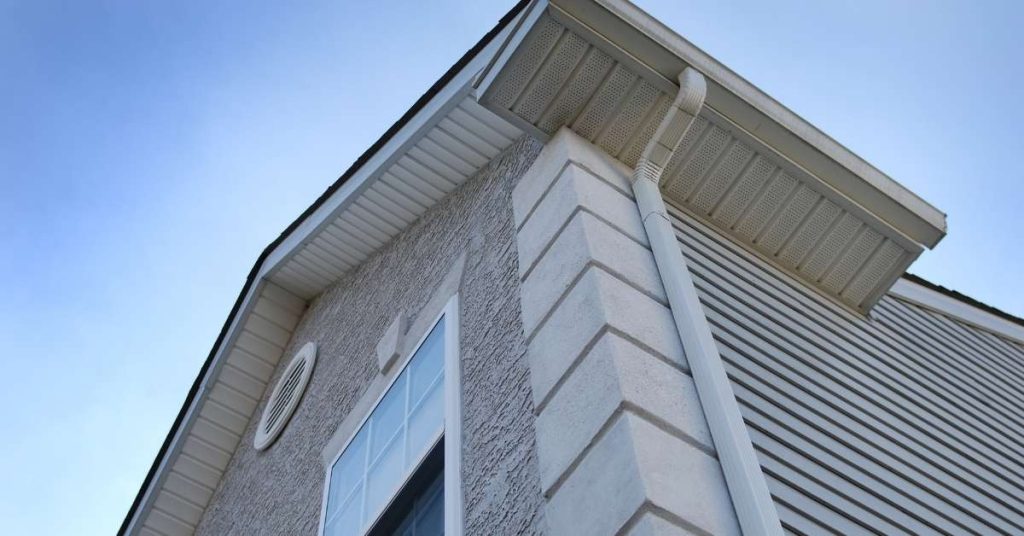
Close-up of exterior corner with stucco finish and siding

Stucco expansion gaps at slab lines: why they crack and how to detail the break

Introduction Expansion gaps at slab lines are deliberate spaces that allow concrete and stucco to move with temperature and moisture changes. They help prevent cracks by giving seams somewhere to open and close without telegraphing through the finish. Cracking often occurs when gaps are too small, poorly located, or not sealed properly over time. Detailing

Stucco expansion gaps at slab lines: why they crack and how to detail the break Read More »

Three different paintbrushes in a blue denim pocket

Stucco texturing tools and patterns: how to replicate dash, lace, and sand finishes

Introduction Stucco texturing tools and patterns refer to the tools and methods used to create dash, lace, and sand finishes on stucco surfaces. This introduction explains how different textures are achieved and what to expect during a DIY application. Start by checking local rules and manufacturer instructions for surface prep and safety. The article covers

Stucco texturing tools and patterns: how to replicate dash, lace, and sand finishes Read More »

Close-up of textured white plaster surface

Bonding agents explained: PVA vs acrylic vs plaster weld and where each fails

Introduction Bonding agents like PVA, acrylic, and plaster weld are surface glues that improve adhesion between materials. This article explains how each one works, where it tends to perform best, and the common limits you’ll run into on-site. You’ll learn practical tips for surfaces and prep so the agent can grip and cure reliably. PVA

Bonding agents explained: PVA vs acrylic vs plaster weld and where each fails Read More »

Hand applying sponge to textured plaster wall

Blending textures on old plaster walls: sand grading tricks and sponge timing

Introduction Blending textures on old plaster walls means smoothing uneven surfaces by using sand grading and sponge timing to achieve a cohesive finish. This article focuses on practical, hands-on steps you can follow in a DIY setting. You’ll balance texture retention with a softer final look while it remains within safe expectations for plaster repair.

Blending textures on old plaster walls: sand grading tricks and sponge timing Read More »

Close-up of damaged stucco wall with peeling and exposed underlying surface

Wind-driven rain on stucco walls: drainage details that matter more than thicker coats

Introduction Wind-driven rain on stucco walls is best managed through proper drainage details rather than thicker coats. This article focuses on how flashing, joints, weep screed, and surface slope influence moisture control. A DIY approach works when you follow practical steps and check manufacturer guidance. Myths about EIFS trapping moisture are common, but proper drainage

Wind-driven rain on stucco walls: drainage details that matter more than thicker coats Read More »

Closeup of red brick and gray mortar joints

Cracks along dissimilar materials in stucco: handling wood-to-masonry movement joints

Introduction Cracks along dissimilar materials in stucco occur where wood and masonry move at different rates, and require a proper movement joint. Identify where wood framing meets masonry and where movement joints are needed to allow for expansion and contraction. Keep the project practical by checking existing joints and following manufacturer or local guidance for

Cracks along dissimilar materials in stucco: handling wood-to-masonry movement joints Read More »

Stucco exterior walls with tile roof under blue sky

Stucco around electrical service: clearances, sealing, and safe mounting methods

Introduction Stucco around electrical service means installing stucco while maintaining safe clearances, sealing around components, and mounting boxes and fixtures correctly. Plan the work to keep access to service fittings and enclosures, and verify what the manufacturer and local rules require. Always check guidance from the hardware or electrical guidance for your area and follow

Stucco around electrical service: clearances, sealing, and safe mounting methods Read More »

Construction worker applying stucco to wall with trowel

Stucco in hot, dry conditions: misting schedules and stopping rapid set during troweling

Introduction Misting schedules and water control for stucco in hot, dry conditions aim to improve workability and help the plaster set without cracking. The topic covers when and how often to mist and how to manage timing during troweling. This piece is written for a practical, hands-on DIY approach. Practical curing methods and tool choices

Stucco in hot, dry conditions: misting schedules and stopping rapid set during troweling Read More »