Informative

Informative is where I post general notes and observations from working with concrete and cement-based materials.

These aren’t always step-by-step tutorials. They’re more like field notes: what’s changing in materials, what works in practice, and how to think about common problems before they happen.

If you like the “why” behind the how-to guides, you’ll probably enjoy this section.

Living room with plastered beige walls and lit fireplace

Wallpaper on plaster: sizing, repair prep, and avoiding bubbles on uneven walls

Wallpaper application on plaster walls requires proper surface preparation for even adhesion and a smooth finish. Focus on inspecting, repairing, and preparing the wall surface before applying wallpaper. This ensures minimal bubbles and a professional look, especially on uneven plaster. Begin by examining your plaster walls for cracks or loose patches. Repair these areas as […]

Wallpaper on plaster: sizing, repair prep, and avoiding bubbles on uneven walls Read More »

Person painting white window frame with brush

Painting over fresh plaster repairs: timing, pH issues, and primer selection

Introduction Painting Over Fresh Plaster Repairs Painting over fresh plaster involves applying paint to repaired plaster surfaces once they have cured sufficiently. This guide covers when to start painting after plaster repairs and what to check beforehand. Timing: Allow the plaster to cure according to its type and room conditions. Paint only when the surface

Painting over fresh plaster repairs: timing, pH issues, and primer selection Read More »

Person smoothing plaster on ceiling with trowel

Repairing plaster coves and cornices: simple molds and patch materials

Introduction Repairing plaster coves and cornices means restoring damaged decorative plaster trims by patching and reshaping them to match the original profile. It’s a hands-on DIY task that starts with careful assessment, clean work areas, and choosing the right patch materials. Take your time to match texture and edge lines before the material sets. Plan

Repairing plaster coves and cornices: simple molds and patch materials Read More »

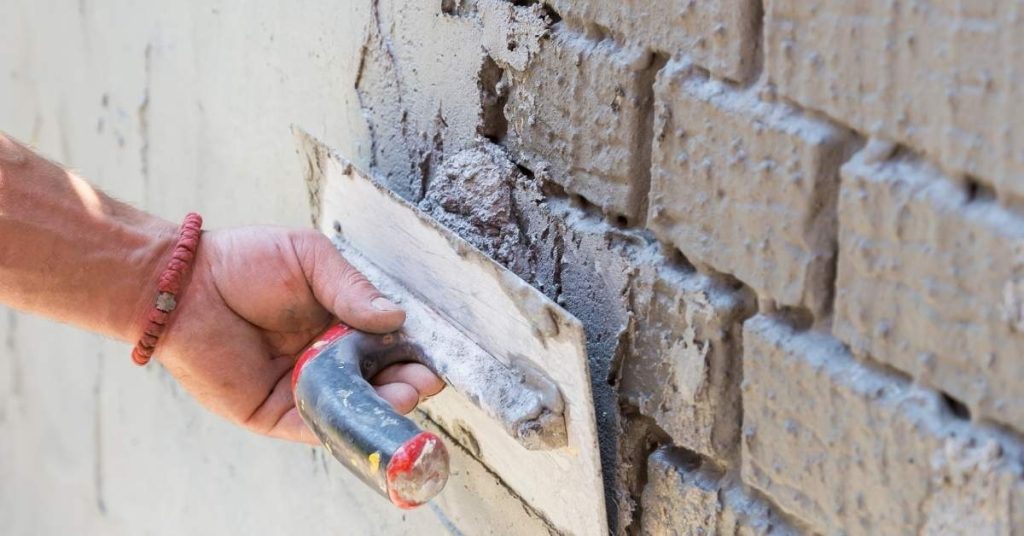
Hand applying plaster to brick wall with trowel

Cracks along baseboards in plaster walls: seasonal movement fixes and caulk choices

Introduction Cracks along baseboards in plaster walls are gaps that form where the wall shifts with seasons. These gaps are common where plaster settles or expands and contracts with humidity. Addressing them requires understanding movement and choosing a breathable sealant. Causes include seasonal movement of the plaster, framing, and humidity changes. For sealing, choose caulk

Cracks along baseboards in plaster walls: seasonal movement fixes and caulk choices Read More »

Hand holding trowel and hawk with plaster compound

Plaster soundproofing myths: what actually reduces noise without adding mass

Introduction Sound reduction without extra mass means using absorption and proper detailing to limit noise transmission through plaster walls. Many DIY myths promise big gains from extra plaster thickness, but real gains come from targeted materials and sealing. This article compares sound absorption vs soundproofing and suggests practical, budget-conscious approaches. Sound absorption buffers noise inside

Plaster soundproofing myths: what actually reduces noise without adding mass Read More »

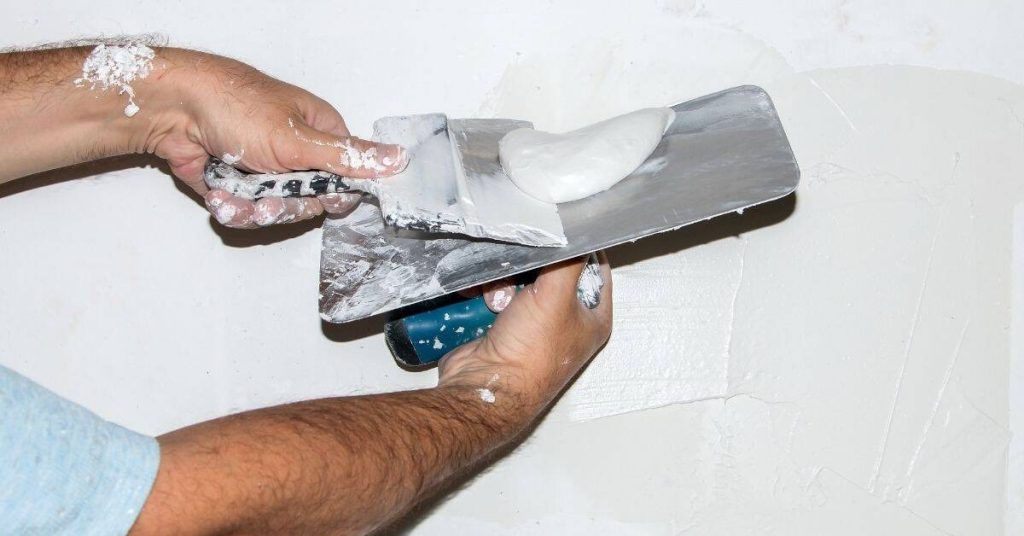
Hands applying plaster on white wall with trowel and hawk

Plaster over painted surfaces: adhesion tests and when to scuff vs strip

Introduction Adhesion of plaster to painted surfaces depends on paint type and surface condition, and you should test adhesion before proceeding. A simple adhesion check lets you decide whether you can plaster over the paint as is, need to scuff the surface, or must strip the paint first. If the surface shows good grip after

Plaster over painted surfaces: adhesion tests and when to scuff vs strip Read More »

Plasterer holding trowel with plaster close up

Filling deep holes in plaster: backing methods that prevent shrinkage and cracking

Introduction Backing methods are techniques to support a plaster fill so it doesn’t shrink or crack. They create a stable base behind the hole before applying filler. When choosing a backing, check the wall type and follow safety and product instructions from the manufacturer or local rules. Begin by cleaning the hole and exposing solid

Filling deep holes in plaster: backing methods that prevent shrinkage and cracking Read More »

Man applying plaster patch to interior wall

Dealing with nail pops in plaster: anchoring lath and patching without craters

Introduction Nail pops in plaster are raised spots where the plaster separates from the underlying lath, signaling loose fasteners or movement. Identify each pop by feel and sight, and note how many and where it occurs. Fixing starts with reattaching the lath and securing the plaster to prevent future craters. To anchor the lath, locate

Dealing with nail pops in plaster: anchoring lath and patching without craters Read More »

Hand holding trowel with white plaster compound close up

Repairing hairline plaster cracks: flexible fillers vs setting compounds

Introduction Hairline plaster cracks are small, fine fractures in plaster that generally indicate minimal movement. Choosing between flexible fillers and setting compounds depends on crack movement, plaster type, and the expected durability of the repair. This article treats the repair as a hands-on, practical task you can approach with basic preparation and care. Flexible fillers

Repairing hairline plaster cracks: flexible fillers vs setting compounds Read More »

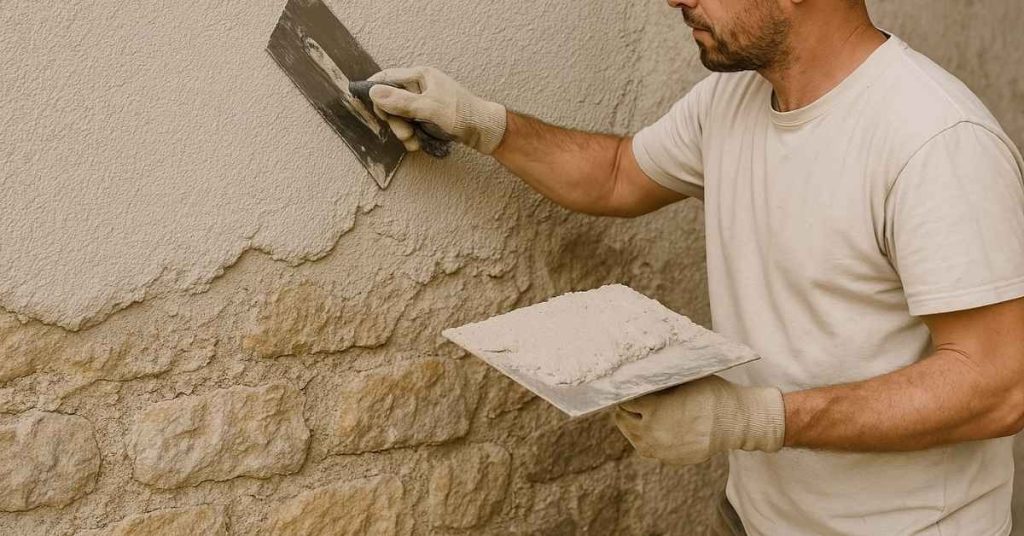
Person applying clay plaster over rough stone wall

Living with clay plaster in wet rooms: daily use, splash zones, and long-term touch-ups

Introduction Clay plaster in wet rooms is a breathable natural coating that helps manage moisture while providing a warm, tactile surface. In daily use, expect a soft, matte finish that can tolerate routine cleaning and occasional splashes. The material relies on proper backing and sealing in splash zones to perform well over time. Long-term upkeep

Living with clay plaster in wet rooms: daily use, splash zones, and long-term touch-ups Read More »