Off-Topic

Off-Topic is a holding category for posts that don’t fit the main focus of this site.

Some of these articles still get occasional traffic or answer useful side questions, but they aren’t part of my core content around concrete, plaster/stucco, and masonry. Over time, I may update, reorganize, or move posts out of this category as the site becomes more focused.

If you’re here by accident, the best place to start is the Concrete or Render/Stucco categories.

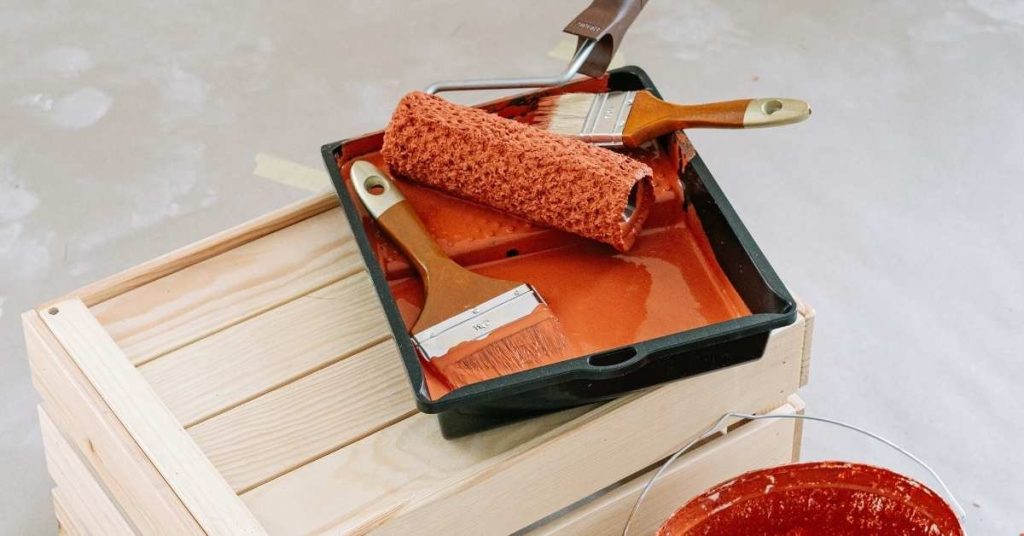
Paint brushes and roller on paint tray with orange paint

Paint Cratering: Oils, cleaners, and residue that cause defects

Introduction Paint cratering is the appearance of crater-like defects on a painted surface caused by oils, cleaners, or residue left on the material before painting. These contaminants disrupt how the paint film bonds, leaving dull spots and pinholes as it dries. In DIY work, it often happens after rushed cleaning or using unsuitable cleaners. To

Paint Cratering: Oils, cleaners, and residue that cause defects Read More »

Worker in protective gear spray painting metal beams indoors

Painting Over Powder Coat: When it’s possible and how to prep correctly

Introduction Painting over powder coat means applying paint directly on a powder-coated surface after proper prep. It can work, but only if the surface is clean, sound, and properly prepared. If you’re unsure, check the primer and paint labels for compatibility and follow local rules. Prep should start with a thorough cleaning, roughing the gloss,

Painting Over Powder Coat: When it’s possible and how to prep correctly Read More »

Worker wearing yellow helmet painting wall with roller

Painting Over Joint Compound: Priming to stop dull ‘dead spots’ on walls

Introduction Priming over joint compound means applying a primer to smooth, sealed drywall before painting to even out the surface. This helps dull spots and makes paint stick better across taped seams. Do the job with clean, dry surfaces and follow the primer label for dry times. Choose a primer designed for drywall and joint

Painting Over Joint Compound: Priming to stop dull ‘dead spots’ on walls Read More »

Worker in protective suit spraying paint on wall indoors

Indoor Spraying Without Dust: Masking and airflow that actually contain overspray

Introduction Masking and airflow control are practical ways to keep overspray from drifting inside. Good masking blocks mist at its source, and proper airflow guides it away. Set up barriers, cover floors, and plan your work path. Monitor overspray during the job and adjust masking and airflow as you go. Keep doors and openings controlled,

Indoor Spraying Without Dust: Masking and airflow that actually contain overspray Read More »

Opened can of white paint on white background

Reducing Paint Odor Indoors: Ventilation plans that work in winter

Introduction Reducing paint odor indoors means actively moving air to exchange fumes for fresher air. In winter, that means coordinating openings, fans, and timing so fumes don’t linger. Always check product labels and local rules for any ventilation warnings before you start. Plan a simple airflow path: bring in fresh air from a lower‑level opening

Reducing Paint Odor Indoors: Ventilation plans that work in winter Read More »

Hand holding paintbrush near white window frame and paint tray

Painting Over Patches: Priming so repairs disappear under raking light

Introduction Priming over patches means applying a seal coat to even out repairs so they don’t show under strong raking light. It helps blend repairs with the surrounding paint and surface texture. This is especially important on walls with uneven sheen or rough patches. Start with a clean, dry surface, lightly scuff the patched area,

Painting Over Patches: Priming so repairs disappear under raking light Read More »