Concrete

Concrete is where I keep my step-by-step guides for planning, pouring, and finishing concrete projects.

Topics include base prep, forms, reinforcement, thickness, mixing and placing, finishing, curing, sealing, and long-term durability. I also cover troubleshooting—what to do when concrete cracks, scales, dusts, or cures unevenly.

If you’re new to concrete, start with the planning and prep articles. They prevent most of the expensive mistakes.

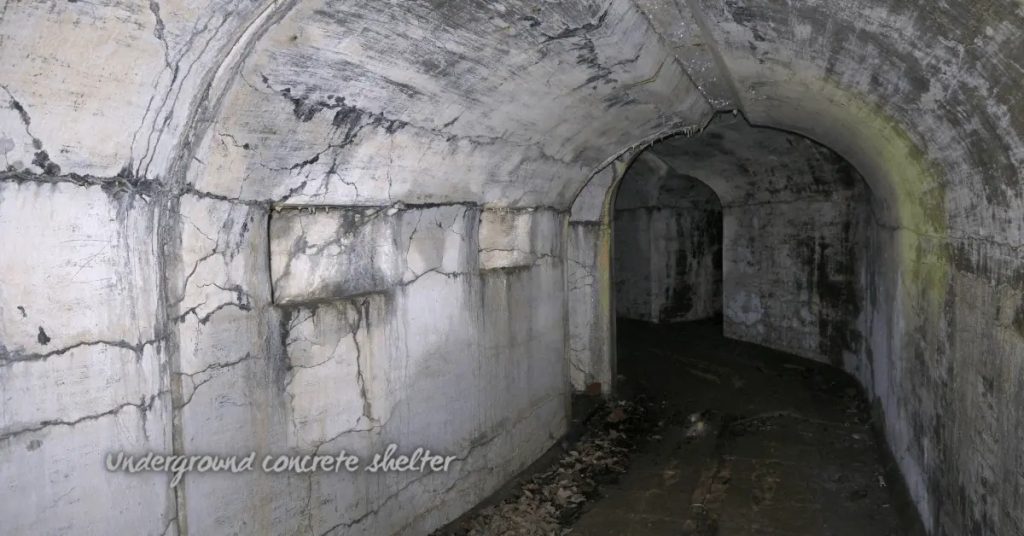
cracked concrete walls and ceiling of underground tunnel

Fixes for Worn Concrete — What to Check + Repair Options

Introduction Worn concrete is concrete that has lost surface quality or strength and should be checked and repaired rather than ignored. Look for cracks, spalling, scaling, discoloration, and any movement or moisture behind the slab. Repair options vary from clean patches and crack sealing to resurfacing, depending on how deep and widespread the wear is.

Fixes for Worn Concrete — What to Check + Repair Options Read More »

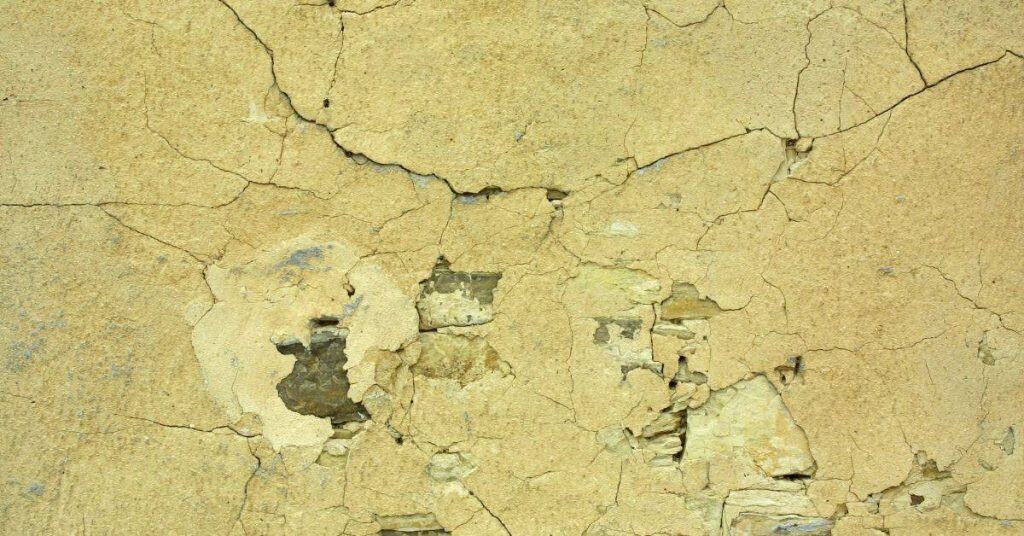
Close-up of cracked and peeling concrete wall surface

Crucial Tips for Concrete Care — Common Damage + Fixes That Last

Introduction Concrete care is keeping slabs and surfaces clean, protected, and maintained to prevent damage. Regular observation helps you spot cracks, moisture intrusion, or wear before it worsens. If you see something off, check the product label or local guidelines before acting. Fixes that last come from addressing the root cause with simple, durable steps

Crucial Tips for Concrete Care — Common Damage + Fixes That Last Read More »

Clean garage with painted concrete floor and shelving

Garage Flooring Resurfacing and Repair — Options, Prep Steps + Common Mistakes

Introduction Garage flooring resurfacing and repair is the process of refreshing the concrete floor in a garage to improve durability and appearance. It covers fixing cracks, choosing coatings, and applying new textures so the space stands up to wear. This guide will walk you through practical steps and common mistakes to avoid. Expect coatings to

Garage Flooring Resurfacing and Repair — Options, Prep Steps + Common Mistakes Read More »

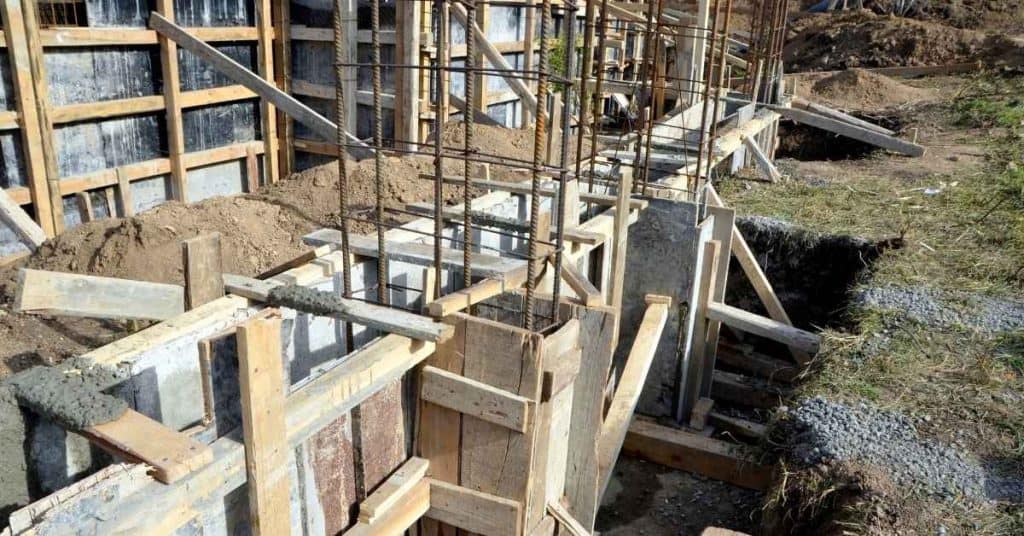
Concrete foundation walls outline a rectangular interior space on site.

A Faster Way to Square Mudsills — Steps + Fixes if It’s Out of Square

Introduction Squaring mudsills quickly means getting the sill framing true to level and true to the foundation using fast, reliable checks. You’ll use simple measurements, a square or long straightedge, and quick checks to keep the sill on plane. The idea is to move fast without sacrificing accuracy, so you can start walls on solid,

A Faster Way to Square Mudsills — Steps + Fixes if It’s Out of Square Read More »

Loose rock salt crystals on a dark surface.

Why You Shouldn’t Use Salt on Concrete — What to Know + Why It Matters

Introduction Salt should not be used on concrete because it can damage the surface over time. It can draw moisture, cause scaling, and lead to pitting in some mixes. Before you apply anything, check your product label and follow local guidelines. If you must de-ice, choose alternatives and follow the product instructions for your situation.

Why You Shouldn’t Use Salt on Concrete — What to Know + Why It Matters Read More »

Smooth concrete driveway leading to garage doors

Concrete Sealer: Protect Your Driveway — What to Check + How to Fix Failures

Introduction A concrete sealer protects a driveway from water, stains, and wear. It helps keep the surface looking clean and lasts longer with proper maintenance. Check the label for surface prep, weather window, and curing guidance before you start. If you see failures, start by cleaning the surface and removing any loose material. Patch cracks

Concrete Sealer: Protect Your Driveway — What to Check + How to Fix Failures Read More »