Concrete

Concrete is where I keep my step-by-step guides for planning, pouring, and finishing concrete projects.

Topics include base prep, forms, reinforcement, thickness, mixing and placing, finishing, curing, sealing, and long-term durability. I also cover troubleshooting—what to do when concrete cracks, scales, dusts, or cures unevenly.

If you’re new to concrete, start with the planning and prep articles. They prevent most of the expensive mistakes.

Close-up of concrete floor grinding machine on rough concrete surface

Fixing Form Lines on Exposed Concrete: Grinding, Skim Coats, and Texture Matching

Introduction Fixing form lines on exposed concrete means smoothing or concealing the raised lines left by the forms so the surface looks even. In this DIY approach, you’ll grind the lines down, skim-coat areas as needed, and texture-match the rest of the surface. Plan to work methodically, wear a dust mask, and always check the […]

Fixing Form Lines on Exposed Concrete: Grinding, Skim Coats, and Texture Matching Read More »
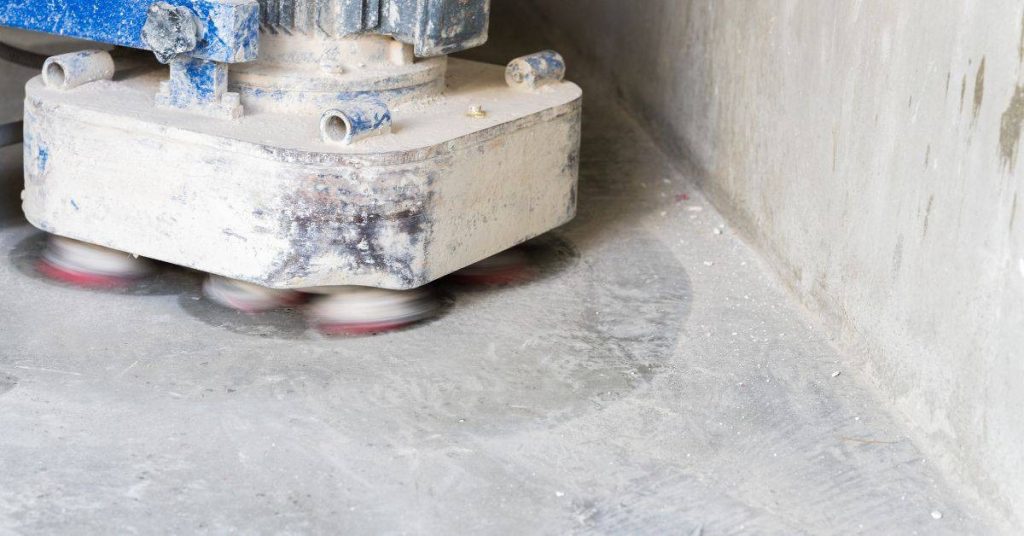
Concrete floor grinding machine smoothing surface

Fixing Birdbaths on Concrete: Grinding, Topping, and When to Re-Pour

Introduction Grinding, topping, and re-pouring are practical steps to repair and level a birdbath set in concrete. This DIY guide walks you through evaluating the damage, choosing a plan, and doing the work safely. You’ll learn what to check on materials and how to approach the job without fancy tools. Start by inspecting the existing

Fixing Birdbaths on Concrete: Grinding, Topping, and When to Re-Pour Read More »

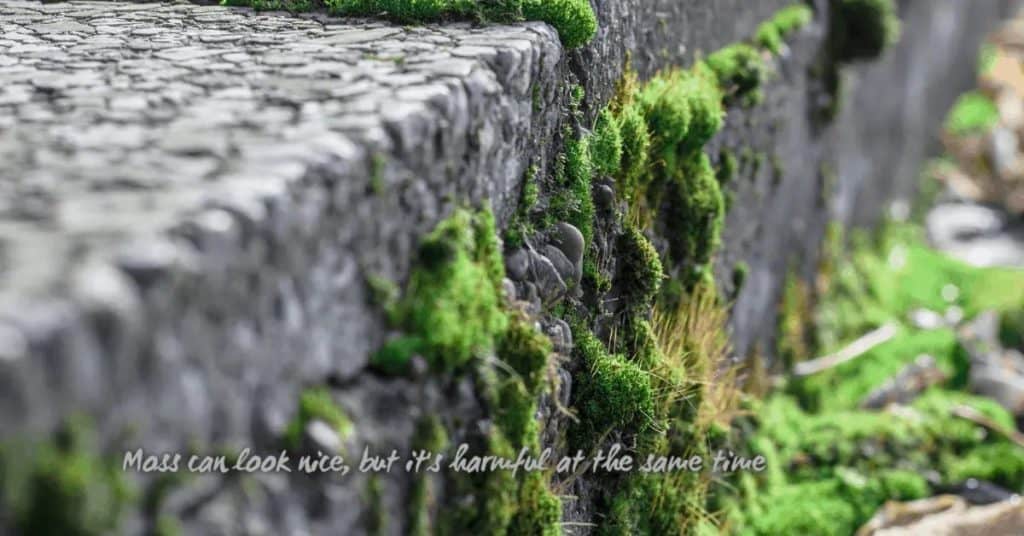
Close-up of moss growing on deteriorating concrete edge

Feather-Edge Concrete Repairs: When They Fail and Better Build-Up Methods

Introduction Feather-edge concrete repairs are a method to rebuild a thin, tapered edge on damaged concrete so it blends with the surrounding slab. This approach is hands-on and relies on proper surface prep, bonding, and gradual build-up rather than full removal. If the edge is chipped but the rest of the slab is sound, a

Feather-Edge Concrete Repairs: When They Fail and Better Build-Up Methods Read More »

Tool smoothing control joint in wet concrete slab

Control Joint Spacing: Practical Layout Rules That Reduce Random Cracks

Introduction Control joints are planned cuts in concrete to control where cracks will form. Timing matters for saw cutting; cut while the concrete has cured enough to groove, but before random cracking starts. Plan spacing and layout based on the panel sizes you’re using and how the slab will be loaded throughout its life. Strategic

Control Joint Spacing: Practical Layout Rules That Reduce Random Cracks Read More »

Rows of concrete blocks stacked on curing racks indoors

Curing Plastic Marks on Concrete: How to Avoid Blotches and Patterns

Introduction Plastic marks on cured concrete are blotches and patterns left by plastic sheets or forms during curing. They form when moisture is trapped or imprints are picked up as the surface dries. To avoid them, plan your curing approach before you pour and keep the surface free of wrinkles or tacky plastics. Preventive measures

Curing Plastic Marks on Concrete: How to Avoid Blotches and Patterns Read More »

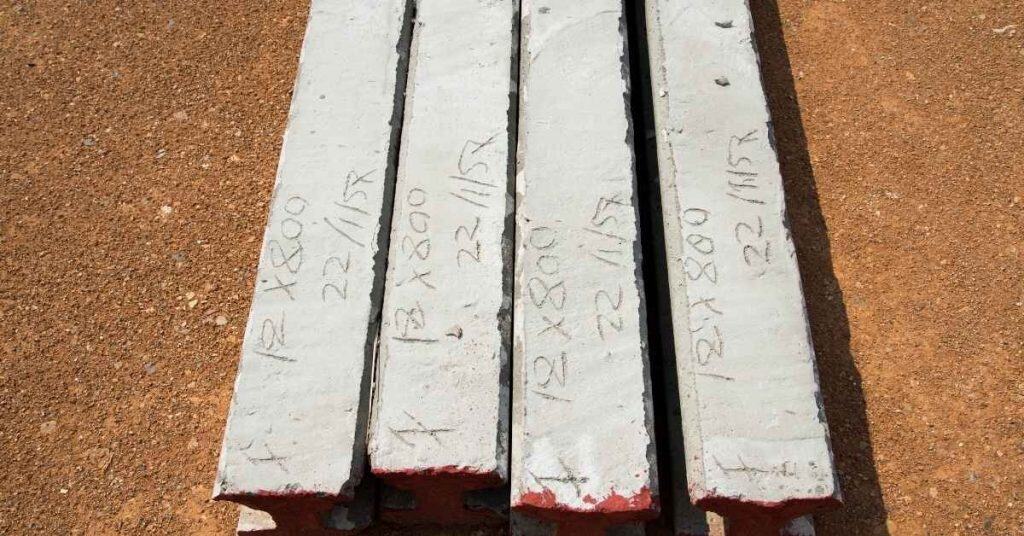
Four concrete test slabs marked with measurements lying on dirt

Concrete Water Vapor From Slabs: Easy DIY Tests Before Flooring Goes Down

Introduction Moisture testing of a concrete slab is checking how much water vapor is in the slab before you install flooring. These quick DIY checks tell you if the slab is dry enough for flooring and help you avoid issues later. Moisture movement depends on temperature, humidity, slab thickness, and curing history, so you’ll want

Concrete Water Vapor From Slabs: Easy DIY Tests Before Flooring Goes Down Read More »

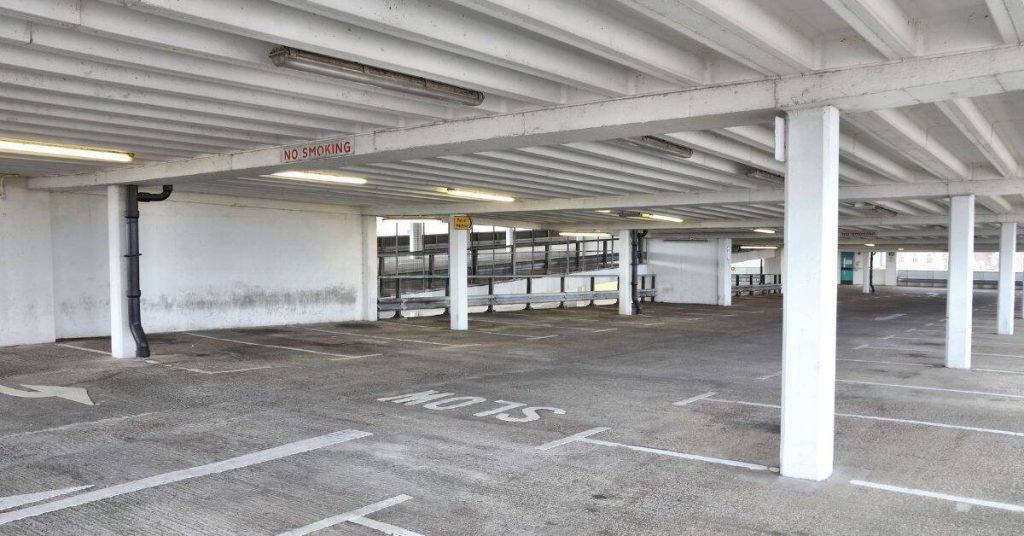
Empty concrete parking garage with support columns and ceiling beams

Concrete Shrinkage-Reducing Options: What Helps on Small DIY Pours

Introduction Shrinkage-reducing options are methods and approaches that help concrete settle with less shrinking and cracking on small pours. For DIY projects, you’ll hear about techniques like using a drier mix strategy and careful placement to control how water behaves. One common option is dry pouring, a method that aims to minimize free water and

Concrete Shrinkage-Reducing Options: What Helps on Small DIY Pours Read More »

Vintage clawfoot bathtub in white bathroom with tiled floor

Concrete Shrinkage Cracks Explained: Shrinkage, Settlement, and When to Worry

Introduction Shrinkage cracks are small splits in concrete that form as it dries and hardens. They often show up after pouring or settling, and they can run across slabs or near edges. Being aware of where they appear helps you decide if they’re a normal finish or a sign to watch closely. Identifying them means

Concrete Shrinkage Cracks Explained: Shrinkage, Settlement, and When to Worry Read More »