Concrete

Concrete is where I keep my step-by-step guides for planning, pouring, and finishing concrete projects.

Topics include base prep, forms, reinforcement, thickness, mixing and placing, finishing, curing, sealing, and long-term durability. I also cover troubleshooting—what to do when concrete cracks, scales, dusts, or cures unevenly.

If you’re new to concrete, start with the planning and prep articles. They prevent most of the expensive mistakes.

Wooden house on stilts over calm water at sunset

Superplasticizer vs Water Reducer: Which One You Actually Need for Workability

Introduction Superplasticizers and water reducers are concrete additives that improve workability without adding extra water. A superplasticizer is typically more powerful at lowering water while keeping consistency. Check product labels and manufacturer instructions to match your mix and slump goals. Both can help with flow and finishing, but they influence different concrete properties. Concrete properties […]

Superplasticizer vs Water Reducer: Which One You Actually Need for Workability Read More »
Wood block with nail standing upright on concrete surface

Superplasticizer in Concrete: What It Does and When It’s Worth It

Introduction A superplasticizer is a chemical additive that helps concrete flow more easily without adding water, improving workability for tricky pours. It lets you place and finish concrete smoother, especially in finer mixes or when you need higher slump without weakening the mix. Check the product label and follow the manufacturer’s instructions for mixing and

Superplasticizer in Concrete: What It Does and When It’s Worth It Read More »

Stacked precast concrete columns outdoors on grass

Concrete Admixtures for DIY Builders: What to Use, What to Skip, and Why

Introduction Concrete admixtures are additives used to modify how concrete behaves. They can improve workability, curing, strength, or durability, depending on the mix and project. For DIY projects, choose admixtures based on the goal, then check the label and manufacturer instructions for your specific cement and conditions. Common types include plasticizers for flow, air entrainers

Concrete Admixtures for DIY Builders: What to Use, What to Skip, and Why Read More »

Concrete stairs next to a red brick wall

Integral Waterproofing Admixtures: What They Can Do—and What They Can’t

Introduction Integral waterproofing admixtures are additives mixed into concrete to reduce water penetration from within. They work during curing and can be easier to install than external membranes, but their effectiveness depends on mix, quality, and application conditions. For DIY projects, expect they won’t fix existing cracks or damage and you still need proper concrete

Integral Waterproofing Admixtures: What They Can Do—and What They Can’t Read More »

Unfinished concrete building structure with window openings

Papercrete (Cardboard Concrete): Common Problems, Simple Tests, and Fixes That Last

Introduction Papercrete is a composite made from shredded paper or cardboard mixed with a cementitious binder to form a lightweight, workable material. It relies on the paper fibers to add bulk and some insulation, while the binder provides strength. It’s a hands-on option that varies with the exact mix, moisture, and curing conditions, so results

Papercrete (Cardboard Concrete): Common Problems, Simple Tests, and Fixes That Last Read More »

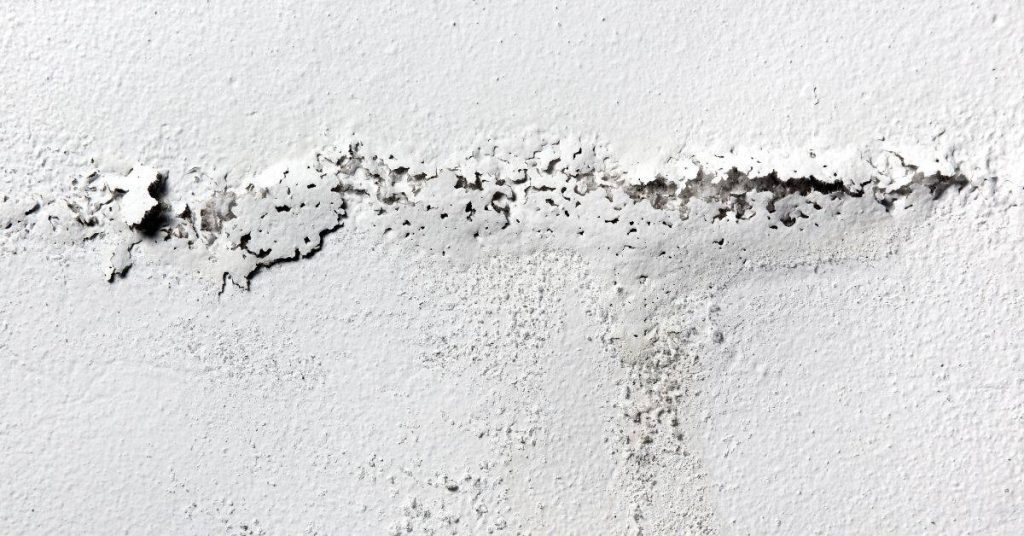
Concrete wall with peeling and damaged white paint surface

Crystalline Waterproofing for Concrete: How It Works and Where It Fails

Introduction Crystalline waterproofing is a treatment that makes concrete itself less permeable by filling its pores with crystalline compounds. It is typically applied or incorporated during construction, so the concrete blocks water intrusion rather than just coating it. This approach aims to create internal barriers that work as the concrete hydrates and cures. The mechanism

Crystalline Waterproofing for Concrete: How It Works and Where It Fails Read More »

paint roller and brush in bucket of gray coating

Negative-Side Basement Waterproofing: Coatings That Actually Hold (and Why Others Don’t)

Introduction Negative-side basement waterproofing coatings are interior wall treatments applied to the inside surface to block water from seeping in. These coatings work by forming a barrier on the wall that resists moisture that pushes inward. Choose coatings that are rated for interior use and compatible with the wall material, and always follow product labels

Negative-Side Basement Waterproofing: Coatings That Actually Hold (and Why Others Don’t) Read More »

Empty room under construction with ladder and drywall panels

Hydrophilic Waterstops: Installation Tips to Avoid Blowouts and Leaks

Introduction Hydrophilic waterstops are sealant barriers that swell when wet to block leaks in concrete joints. This article covers practical installation tips you can apply on a DIY job site. Check product labels and manufacturer instructions for exact use, prep, and curing details. There are different forms and installation approaches, so review the type you

Hydrophilic Waterstops: Installation Tips to Avoid Blowouts and Leaks Read More »

Construction worker placing foam concrete blocks on wall

Bentonite Waterstops: Controlling Swell, Preventing Gaps, and Common Mistakes

Introduction Bentonite waterstops are flexible liners embedded in concrete joints that swell when they get wet to seal the gap. They help control swelling and reduce leaks in walls, foundations, and slabs. Used in place of rigid seals, they require proper placement and overlap for a good seal. Installing bentonite waterstops involves placing the strip

Bentonite Waterstops: Controlling Swell, Preventing Gaps, and Common Mistakes Read More »

Concrete being poured into wooden formwork outdoors

Form Release Agent: How to Apply It Without Staining or Soft Spots

Introduction A form release agent is a coating applied to formwork to prevent concrete from sticking and to reduce staining. Options include water-based and solvent-based types, and the choice depends on the project, curing conditions, and safety considerations. Always read the product label and manufacturer guidance to choose the right option for your job. Apply

Form Release Agent: How to Apply It Without Staining or Soft Spots Read More »