Concrete

Concrete is where I keep my step-by-step guides for planning, pouring, and finishing concrete projects.

Topics include base prep, forms, reinforcement, thickness, mixing and placing, finishing, curing, sealing, and long-term durability. I also cover troubleshooting—what to do when concrete cracks, scales, dusts, or cures unevenly.

If you’re new to concrete, start with the planning and prep articles. They prevent most of the expensive mistakes.

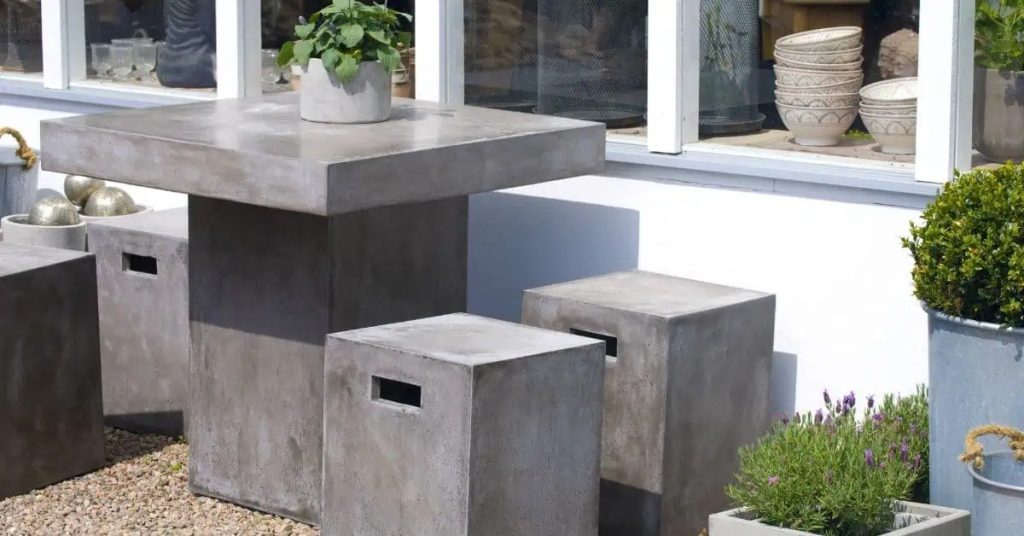
Concrete outdoor table with cube stools on gravel patio

Metakaolin for DIY Concrete Countertops: Mix Tweaks, Sealing, and Troubleshooting

Introduction Metakaolin is a pozzolanic additive that can improve the workability and durability of DIY concrete countertops. In practice, it can tighten the mix and help reduce cracking when you’re pouring custom countertops. Always follow product labels and local rules when mixing. Sealing and curing: use a proper sealer compatible with metakaolin-enhanced mixes and follow […]

Metakaolin for DIY Concrete Countertops: Mix Tweaks, Sealing, and Troubleshooting Read More »
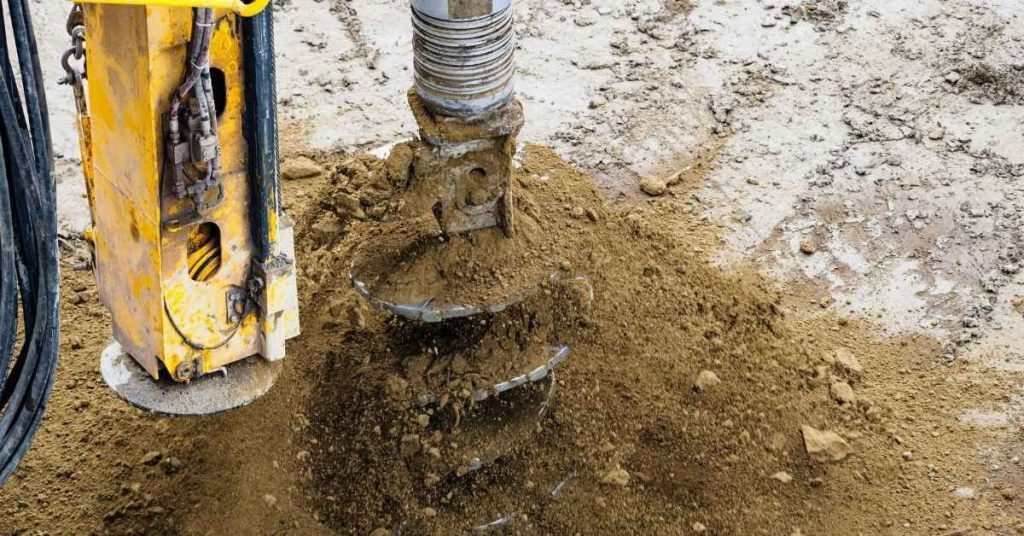
Close-up of yellow earth auger drilling into soil

Rammed Earth Garden Walls: DIY Guide to Compaction, Protection, and Durability

Introduction Rammed earth garden walls are compacted earth walls built by packing soil into forms to create solid, durable features. It’s a hands-on, DIY approach that relies on correct mix, moisture, compaction, and formwork for straight walls. Check local rules and follow manufacturer instructions for materials and safety. Historically used in traditional buildings, rammed earth

Rammed Earth Garden Walls: DIY Guide to Compaction, Protection, and Durability Read More »

Closeup of orange concrete hopper against clear blue sky

Metakaolin in Concrete: What Changes (Strength, Finish, Workability) and Best Uses

Introduction Metakaolin is a supplementary cementitious material added to concrete to modify performance. In DIY terms, you mix it with cement and aggregate to replace part of the cement, following the product label and local rules. It’s used to improve consistency and reduce shrinkage, but you should verify compatibility with your mix and jobsite conditions.

Metakaolin in Concrete: What Changes (Strength, Finish, Workability) and Best Uses Read More »

Stacked precast concrete columns outdoors on grass

SCMs for Stronger, Denser, Lower-Carbon Concrete: Metakaolin, Silica Fume, and LC3

Introduction SCMs are supplementary cementitious materials added to concrete to improve strength and density while lowering overall carbon. Metakaolin, silica fume, and LC3 are common options you might encounter in DIY mixes, each with distinct effects on workability and set. Always check product labels and manufacturer instructions, and start with small test batches to see

SCMs for Stronger, Denser, Lower-Carbon Concrete: Metakaolin, Silica Fume, and LC3 Read More »

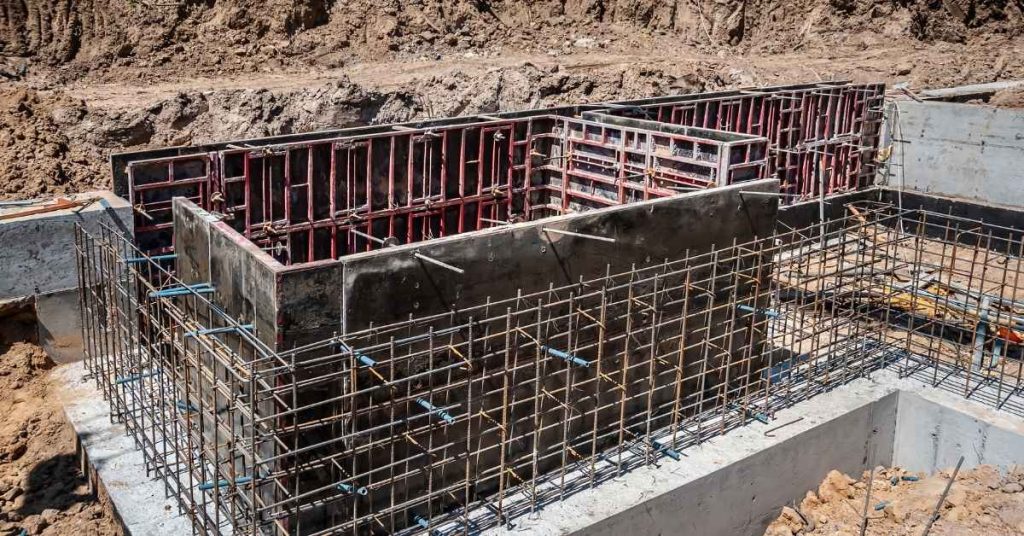
Concrete foundation with steel rebar and formwork on construction site

How to Use Hydration Stabilizers: Small Pours, Hot Weather, and Long Hauls

Introduction Hydration stabilizers are additives that help concrete stay workable and set more predictably during small pours, hot weather, or long hauls. They help manage hydration so you can pour when conditions would normally cause workability loss or early stiffening. You’ll use them by following simple mixing steps and applying the stabilizer according to the

How to Use Hydration Stabilizers: Small Pours, Hot Weather, and Long Hauls Read More »

Worker laying concrete pavers on gravel base

Hydration Stabilizer vs Retarder: What’s the Difference and Which to Choose

Introduction A hydration stabilizer is an additive that slows changes in cement hydration to keep the concrete mix workable longer. It helps maintain slump and workability without a dramatic early stiffening. Always check the product label and manufacturer instructions for proper usage, dosage, and compatibility with your mix and additives. In contrast, a conventional retarder

Hydration Stabilizer vs Retarder: What’s the Difference and Which to Choose Read More »

Red brick townhouse with windows and door under clear sky

Using Corrosion Inhibitors on Exterior Steps and Slabs: DIY Mixing and Curing Guide

Introduction Corrosion inhibitors are additives used to slow rust and protect concrete surfaces from chemical attack on exterior steps and slabs. They help form a protective film and reduce moisture-related corrosion in metal embedded parts and reinforcement. This article covers how to choose, mix, and cure when using them in a DIY setting. Choosing the

Using Corrosion Inhibitors on Exterior Steps and Slabs: DIY Mixing and Curing Guide Read More »

Empty concrete parking garage with support columns and painted lines

Corrosion Inhibitors in Garage Slabs: Dosage Mistakes, Rust Stains, and Prevention

Introduction Corrosion inhibitors in garage slabs are additives that help slow rusting of metal embedded in concrete. They work by interfering with the chemical reactions that cause oxidation when moisture and salts are present. For a DIY project, read the product label carefully to understand the intended use and dosage guidance. A common mistake is

Corrosion Inhibitors in Garage Slabs: Dosage Mistakes, Rust Stains, and Prevention Read More »

Empty unfinished room with smooth white plastered walls

Corrosion Inhibitors for Concrete: When They Matter and When They Don’t

Introduction Corrosion inhibitors for concrete are additives or treatments that slow the rusting process in embedded steel by reducing water or chloride penetration and altering the local chemistry. In plain DIY terms, they can help if you’re protecting new concrete or repairing exposed rebar, but they aren’t a substitute for proper waterproofing or crack control.

Corrosion Inhibitors for Concrete: When They Matter and When They Don’t Read More »

Concrete countertop with sink cutout and dark metal faucet

DIY Concrete Countertops with Superplasticizer: Mixing, Placement, and Finishing

Introduction DIY concrete countertops with superplasticizer are hand-poured countertop slabs that use a superplasticizer to improve flow and reduce slump. This article covers mixing, placement, and finishing in plain, hands-on terms. You’ll learn what to check on the product label, how to prep forms, and how to avoid common mistakes. Mixing, placing, and finishing require

DIY Concrete Countertops with Superplasticizer: Mixing, Placement, and Finishing Read More »