Concrete

Concrete is where I keep my step-by-step guides for planning, pouring, and finishing concrete projects.

Topics include base prep, forms, reinforcement, thickness, mixing and placing, finishing, curing, sealing, and long-term durability. I also cover troubleshooting—what to do when concrete cracks, scales, dusts, or cures unevenly.

If you’re new to concrete, start with the planning and prep articles. They prevent most of the expensive mistakes.

Blue swimming pool water next to exposed aggregate concrete edge

Capillary Break Under Slabs: Materials, Foam-Glass Options, and Edge Details That Work

Introduction A capillary break under slabs is a layer or treatment that stops water from wicking from the soil into the concrete. In plain terms, it keeps moisture away from the slab to prevent dampness and cracking. Choose a method and materials that fit your climate and slab design. Foam-glass options can be used as […]

Capillary Break Under Slabs: Materials, Foam-Glass Options, and Edge Details That Work Read More »

polished concrete floor in industrial style living room

Cellular Concrete vs Gravel Fill for Basement Floors: Cost, Performance, and Moisture Behavior

Introduction Cellular concrete is a lightweight foamed concrete option, while gravel fill is compacted crushed stone. This article compares them in terms of cost, moisture behavior, and performance for a DIY basement floor. Keep in mind that installation methods vary widely depending on local rules and material specifications. Costs depend on material and labor, and

Cellular Concrete vs Gravel Fill for Basement Floors: Cost, Performance, and Moisture Behavior Read More »

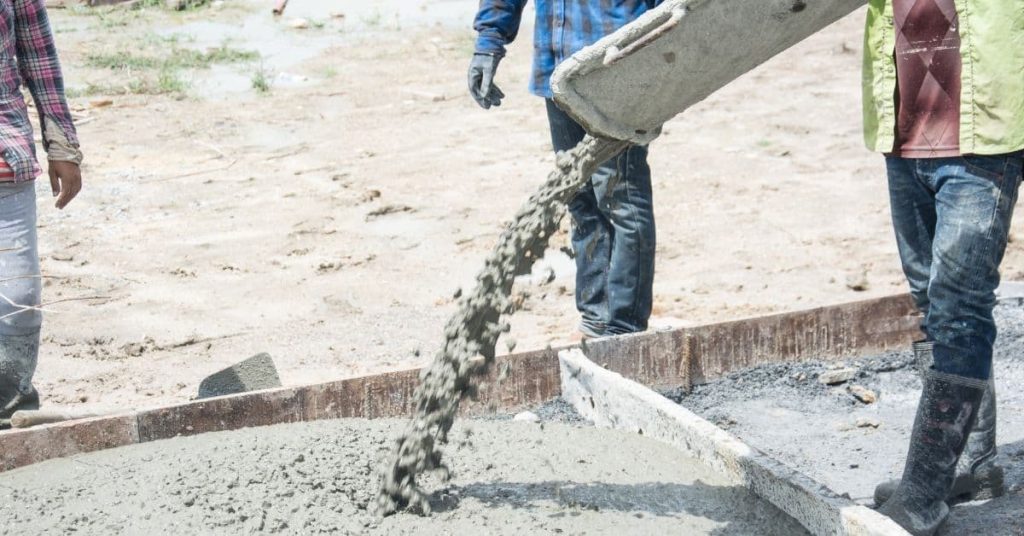
Workers pouring wet concrete into a wooden frame outdoors

Cellular Concrete Uses: Trench Backfill and Under-Slab Fill (Pros, Cons, DIY Limits)

Introduction Cellular concrete is a lightweight concrete mix used for trench backfill and under-slab fill. It is also known as foamed or aerated concrete, and it’s discussed as a DIY-friendly option with attention to local rules and product instructions. It’s not a substitute for every job, so check what your project requires first and follow

Cellular Concrete Uses: Trench Backfill and Under-Slab Fill (Pros, Cons, DIY Limits) Read More »

Concrete floor grinding machine on dusty floor surface

Foamed Concrete for Insulation: Common Failures, Protection Details, and When to Avoid It

Introduction Foamed concrete for insulation is lightweight concrete that includes air voids or foam to slow heat transfer. This article gives a practical, hands-on overview for DIY homeowners. It helps you know what to check on labels or with the manufacturer before you mix or apply it. Common failures include moisture intrusion, cracking, and poor

Foamed Concrete for Insulation: Common Failures, Protection Details, and When to Avoid It Read More »

person using power trowel on wet concrete slab

Foamed Concrete for Small DIY Planters: Mixing, Casting, and Curing

Introduction Foamed concrete can make a small cast planter easier to handle than ordinary concrete, but it is not a universal DIY recipe or a structural material. This guide is for small, ground-supported, nonstructural planters made with a specific cellular-concrete product or preformed-foam system. Use the selected product’s technical data sheet and safety data sheet

Foamed Concrete for Small DIY Planters: Mixing, Casting, and Curing Read More »

Person pressure washing concrete outdoor pathway

Pervious Concrete Maintenance: Prevent Clogging and Restore Drainage

Introduction Pervious concrete maintenance is the ongoing care you do to keep its water-draining pores open and prevent clogging. Over time, roots, sediment, and debris can fill the pores and slow drainage. This is why it needs regular cleaning and timely repairs, not a one-time fix. Compared with traditional concrete, pervious surfaces require more frequent

Pervious Concrete Maintenance: Prevent Clogging and Restore Drainage Read More »

Person pressure washing concrete patio wearing yellow boots

Pervious Concrete for Patios: Design Basics, Placement Tips, and Why It Clogs

Introduction Pervious concrete is a porous patio surface that lets rain pass through interconnected voids into a designed stone reservoir and then into soil, an underdrain, or both. It is not ordinary concrete with a different finish: the open surface, reservoir, native soil, outlet, overflow route, and maintenance all have to work together. Why it

Pervious Concrete for Patios: Design Basics, Placement Tips, and Why It Clogs Read More »

Workers pouring concrete over dense rebar on construction site

SCC vs Regular Concrete: Best Uses in Dense Rebar (and Can You DIY It?)

Introduction SCC, or self-consolidating concrete, is a flowable mix that settles around dense rebar without vibration. For DIY, this means less hammering and fewer air pockets, but you still need good formwork and clean rebar. Always check the product label and local rules for any restrictions or requirements on your project. Advantages and disadvantages depend

SCC vs Regular Concrete: Best Uses in Dense Rebar (and Can You DIY It?) Read More »

Hand holding trowel with wet concrete mixture

Shotcrete vs Hand Patching for Vertical Repairs: When Shotcrete Wins (and Why Patches Fail)

Introduction Shotcrete is a sprayed concrete repair method that builds up material quickly on vertical surfaces. Hand patches involve applying a keyed patch with mix and hand troweling, which is slower and more surface-bound. For DIY projects, shotcrete can address larger flaws, while patches rely on proper surface prep and bonding. In practice, shotcrete wins

Shotcrete vs Hand Patching for Vertical Repairs: When Shotcrete Wins (and Why Patches Fail) Read More »

Wooden formwork with rebar installed in concrete footing trenches

Headed Bars vs Hooks: Pullout Resistance, Congestion, and Footing Detailing

Introduction Headed bars provide direct pullout resistance in concrete, while hooks rely on bending and anchorage to resist withdrawal. This article compares those approaches in terms of pullout strength, congestion at the bar, and how they affect footing detailing. It keeps the discussion practical for real jobs on site. For DIY projects, plan for congestion

Headed Bars vs Hooks: Pullout Resistance, Congestion, and Footing Detailing Read More »