Concrete

Concrete is where I keep my step-by-step guides for planning, pouring, and finishing concrete projects.

Topics include base prep, forms, reinforcement, thickness, mixing and placing, finishing, curing, sealing, and long-term durability. I also cover troubleshooting—what to do when concrete cracks, scales, dusts, or cures unevenly.

If you’re new to concrete, start with the planning and prep articles. They prevent most of the expensive mistakes.

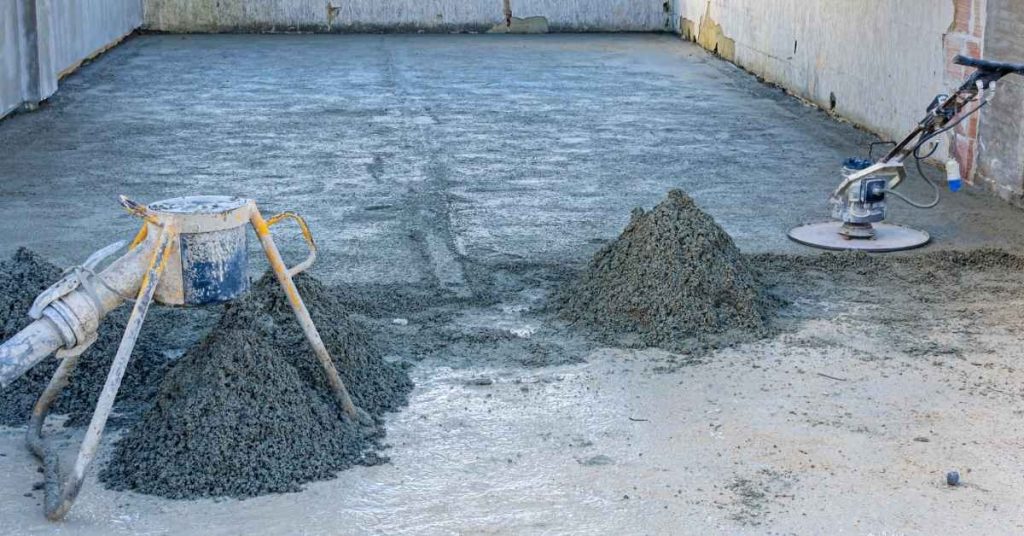
Concrete slab being poured and leveled inside a building

Pouring Footings in Wet Soil: Pumping, Mud Control, and When to Wait

Introduction Pouring footings in wet soil means you must stabilize the site first, remove water, and control mud before concrete. Assess drainage, stick to a plan for pumping, and set up barriers to keep mud from spreading. If conditions aren’t right, it’s safer to wait and check local guidance. Set up proper forms and ensure […]

Pouring Footings in Wet Soil: Pumping, Mud Control, and When to Wait Read More »
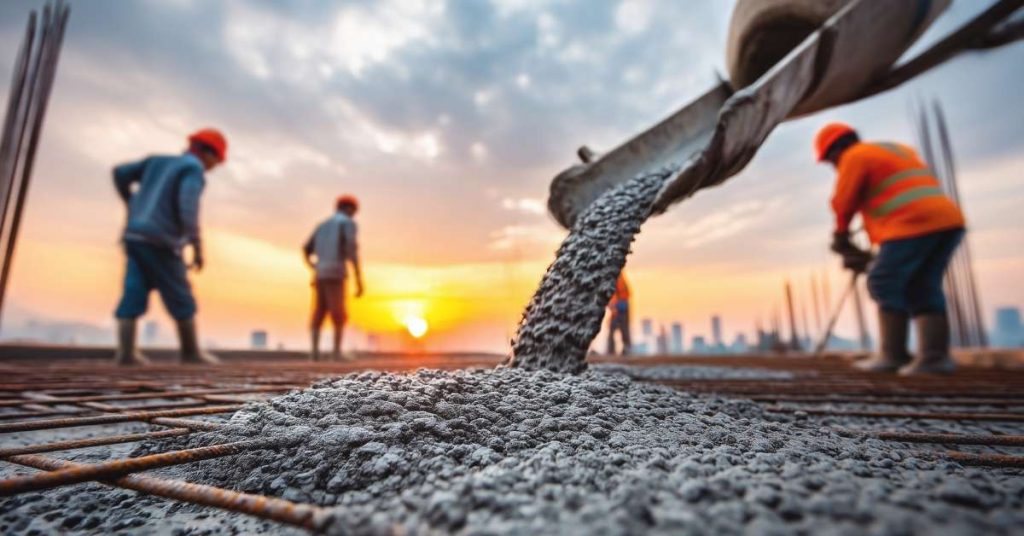
Concrete pouring over rebar grid at construction site

Sonotube Footings: Keeping Tubes Plumb and Preventing Soil Collapse

Introduction Sonotube footings are cylindrical form tubes used to shape concrete footings and keep them plumb during pour. They help prevent soil from collapsing around the pour by providing a stable, vertical mold. Before pouring, set the tubes on a solid base, check alignment with a level, and brace as needed. Sizes and installation steps

Sonotube Footings: Keeping Tubes Plumb and Preventing Soil Collapse Read More »

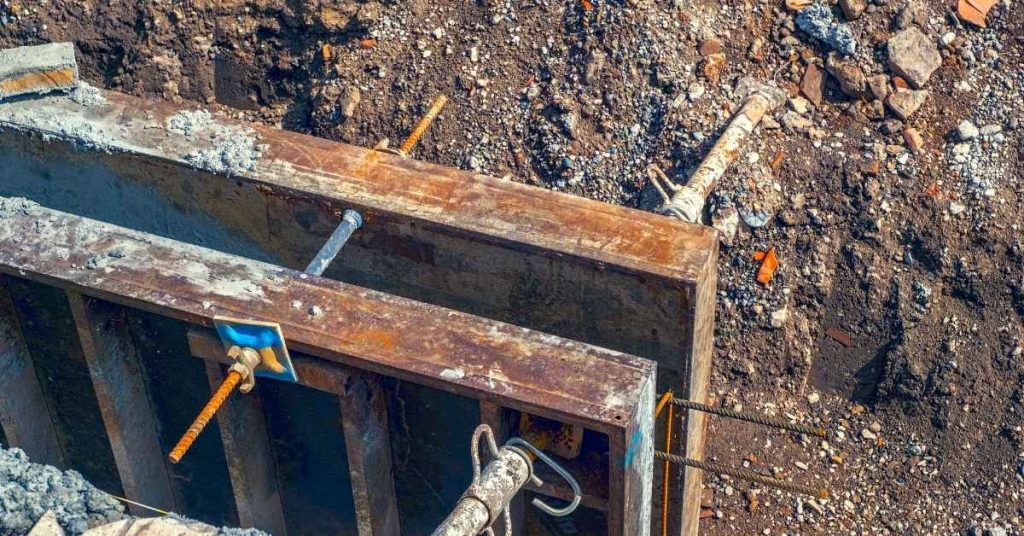
Concrete pouring from chute into wooden forms supported by gravel

Concrete Form Blowouts: Why They Happen and How to Brace Forms Properly

Introduction Concrete form blowouts happen when the formwork fails and the surrounding concrete pushes the panels outward. That failure usually comes from excess pressure during pour, weak or undersized supports, or improper form alignment. In plain terms, it’s a sign your braces and setup aren’t handling the load. To prevent it, brace the forms with

Concrete Form Blowouts: Why They Happen and How to Brace Forms Properly Read More »

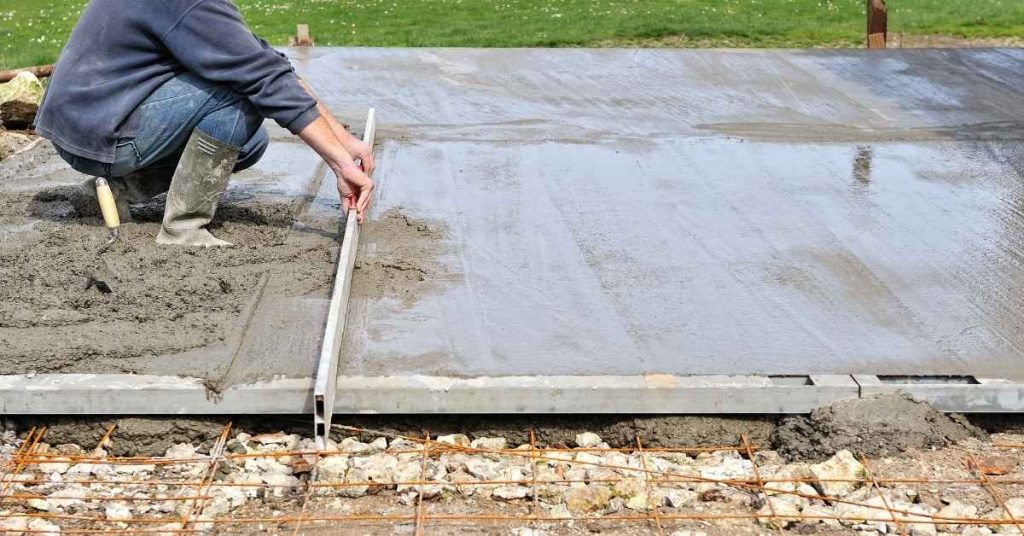
person leveling wet concrete on ground outdoors

Infrared Thermometer for Concrete: What It Can and Can’t Tell You

Introduction An infrared thermometer measures surface temperature without touching the concrete. Use it to spot cold spots, thawing edges, or rapid surface changes during curing, but it won’t reveal internal conditions. Check the device emissivity settings and read the manufacturer instructions for how to use it on concrete. For winter pours, take quick surface readings

Infrared Thermometer for Concrete: What It Can and Can’t Tell You Read More »

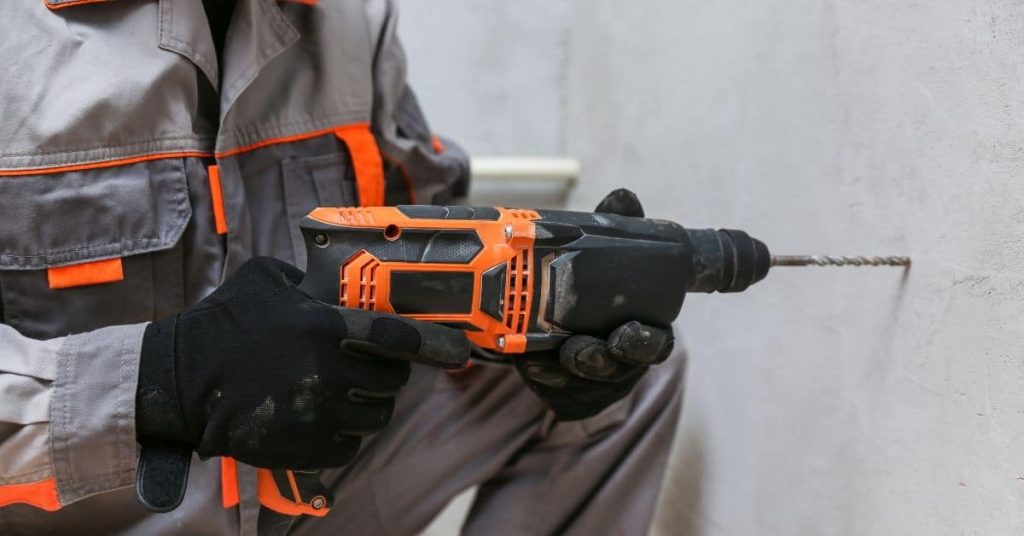
Worker drilling into concrete wall with cordless drill

Concrete Temperature Monitoring: Cheap Sensors That Help You Cure Better

Introduction Concrete temperature monitoring means tracking how hot or cold the mix stays during curing to guide when to finish and moisture cure. Affordable sensors can be embedded or attached to the surface to give real-time readings. Proper curing depends on temperature behavior, and monitoring helps catch excessive heat or slow cooling before it harms

Concrete Temperature Monitoring: Cheap Sensors That Help You Cure Better Read More »

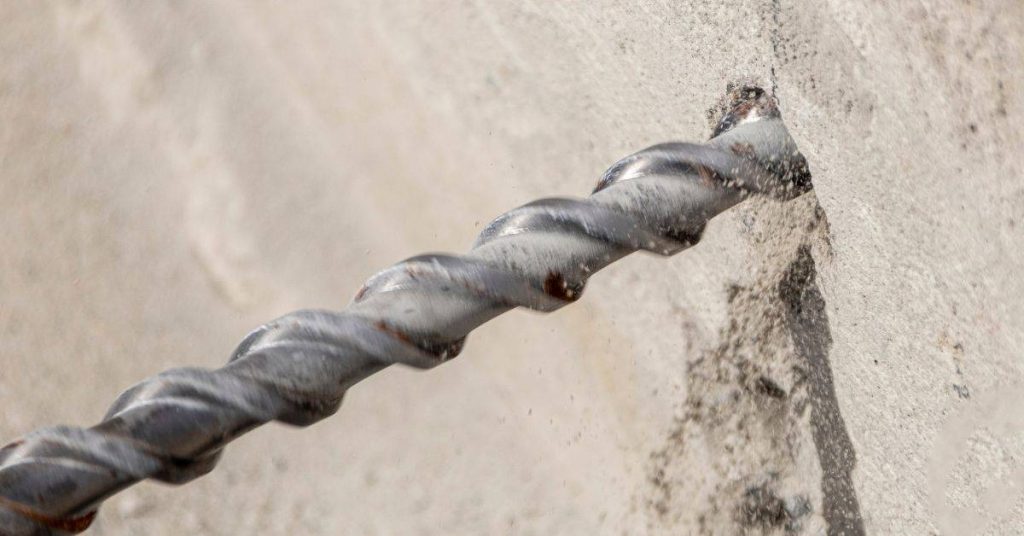
Close up of drill bit penetrating concrete surface

Drilling Rebar Dowels: How Deep to Go and How to Avoid Blowouts

Introduction Drilling rebar dowels is the process of making a hole that the steel bar can sit in securely. Key takeaways Verify embedment depth per plans and code requirements before drilling. Choose drill bits matching hole diameter and concrete hardness per label. Drill slowly with steady pressure to reduce blowouts and surface spalling risk. Clean

Drilling Rebar Dowels: How Deep to Go and How to Avoid Blowouts Read More »

modern concrete apartment building with glass balconies

Concrete Penetrating Sealer Coverage: Realistic Rates and How to Test Absorption

Introduction Concrete penetrating sealer coverage is the amount of sealer that soaks into concrete per unit area and how far it can travel from the surface. The actual coverage depends on the concrete’s porosity, age, and surface condition, as well as how you apply it. Plan for different spots on the same job and be

Concrete Penetrating Sealer Coverage: Realistic Rates and How to Test Absorption Read More »

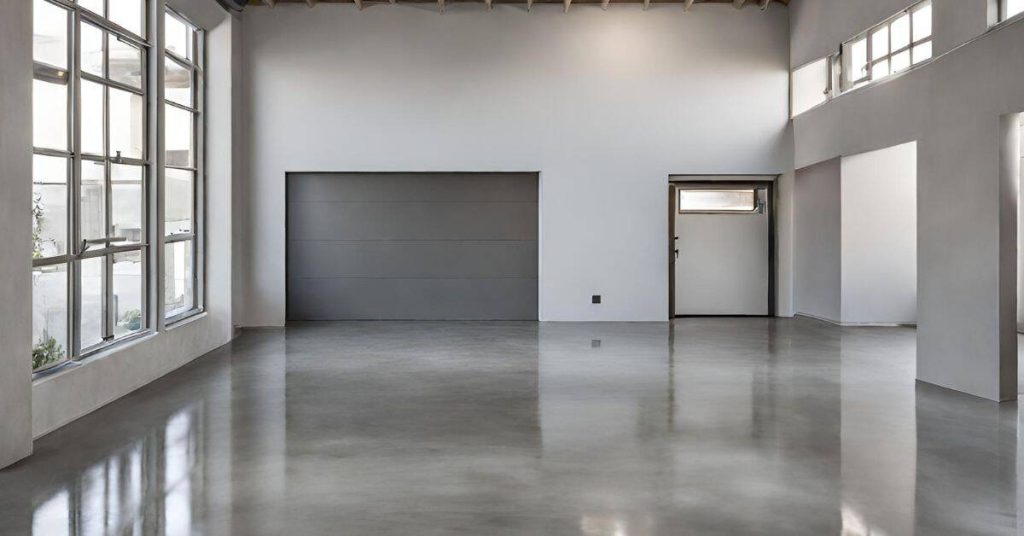
Empty room with polished concrete floor and large windows

Silane vs Siloxane Sealers: Which One Lasts Longer on Exterior Concrete

Introduction Silane and siloxane sealers are exterior concrete sealers designed to slow water intrusion and protect the surface. They differ in chemistry and how they protect the concrete, which affects longevity and maintenance. This article compares what to expect in real-world use, with practical tips for DIY projects. For durability, check the label and follow

Silane vs Siloxane Sealers: Which One Lasts Longer on Exterior Concrete Read More »

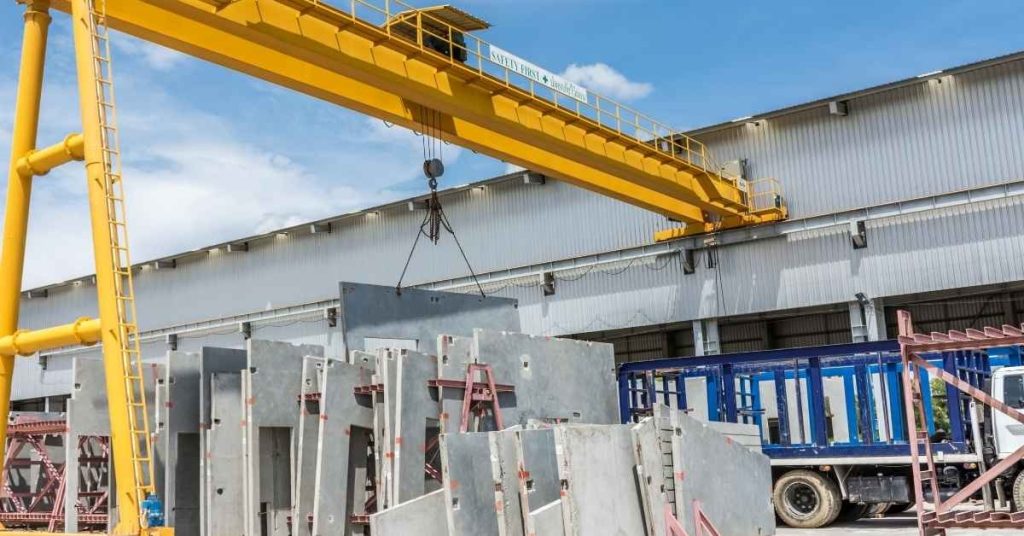
Yellow crane lifting precast concrete panels outdoors

How to Remove a Failed Acrylic Sealer From Concrete Without Etching

Introduction Removing a failed acrylic sealer from concrete without etching means lifting the film without harming the concrete surface. Do this safely with good ventilation, eye protection, and gloves, and follow the product instructions. Your choice of remover depends on the sealer type and the concrete porosity, so always check the label and local rules

How to Remove a Failed Acrylic Sealer From Concrete Without Etching Read More »