Concrete

Concrete is where I keep my step-by-step guides for planning, pouring, and finishing concrete projects.

Topics include base prep, forms, reinforcement, thickness, mixing and placing, finishing, curing, sealing, and long-term durability. I also cover troubleshooting—what to do when concrete cracks, scales, dusts, or cures unevenly.

If you’re new to concrete, start with the planning and prep articles. They prevent most of the expensive mistakes.

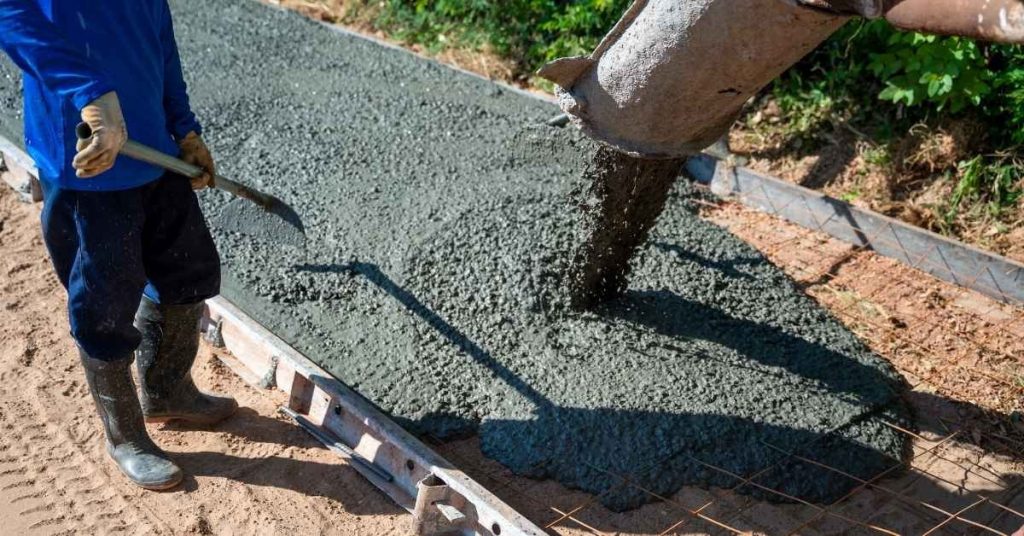
Worker pouring concrete slab with shovel and chute

Rapid Chloride Permeability (RCPT) and Alternatives: What “Low Permeability” Really Means

Introduction RCPT is a test that measures how fast chlorides pass through cured concrete. It’s a practical yardstick for judging how resistant your concrete may be to corrosion of embedded steel. This article breaks down what low permeability really means in plain language for DIY projects. We’ll cover the basic steps you’d see in an […]

Rapid Chloride Permeability (RCPT) and Alternatives: What “Low Permeability” Really Means Read More »

Modern concrete hospital building facade under blue sky

Surface Resistivity Testing: A Simple Durability Indicator for Chloride Exposure

Introduction Surface resistivity testing measures how easily electricity moves across the concrete surface to indicate how resistant the surface is to chloride ingress. As a DIY homeowner, you can view it as a quick check that helps you judge durability without tearing into the slab. Think of it as a simple, hands-on indicator you can

Surface Resistivity Testing: A Simple Durability Indicator for Chloride Exposure Read More »

Heavy soil drilling rig on grassy field near fence

Half-Cell Potential Testing: Quick Field Check for Corrosion Risk (and Common Misreads)

Introduction Half-cell potential testing is a quick field check that estimates the likelihood of corrosion on embedded steel by measuring electrical potential at the surface. It’s a screening tool, not a crystal ball, and results should be used with other observations. Always follow the device instructions and local rules when you perform it. To perform

Half-Cell Potential Testing: Quick Field Check for Corrosion Risk (and Common Misreads) Read More »

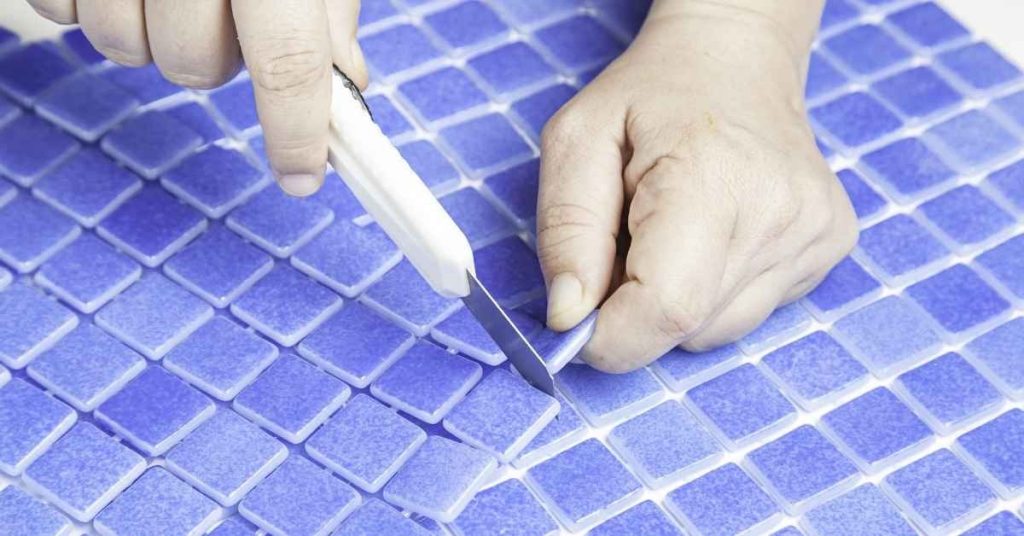
Hands cutting small blue glass mosaic tiles with a knife

Using Crushed Glass as Aggregate: ASR Risk, Mitigation, and Surface Finish

Introduction Crushed glass as aggregate is using recycled glass pieces as the rock substitute in concrete. There is an alkali-silica reaction risk with crushed glass, which varies with glass type, particle size, and the concrete mix. Always check product labels, supplier instructions, and local rules for ASR guidance and suitability. Mitigation strategies include choosing less

Using Crushed Glass as Aggregate: ASR Risk, Mitigation, and Surface Finish Read More »

Stacked hollow core concrete slabs outdoors

Recycled Concrete Aggregate (RCA) for Slabs: Gradation, Water Demand, and Pop-Out Risk

Introduction RCA for slabs is crushed concrete from demolished pavement or structures that you reuse as aggregate. You’ll typically screen and wash it to remove fines before it finds a place in a slab mix. Use it where the mix and compaction are appropriate and check local rules. Gradation and water demand depend on how

Recycled Concrete Aggregate (RCA) for Slabs: Gradation, Water Demand, and Pop-Out Risk Read More »

Exterior of house with stucco finish and tiled roof

Glass Pozzolan vs Fly Ash: Performance, Finish, and Supply Realities in 2026

Introduction Glass pozzolan and fly ash are supplementary cementitious materials that can boost concrete performance when used properly. They can improve strength development, workability, and finish quality, but results depend on the mix, curing, and finished surface. Always check the product label and follow manufacturer instructions and local rules for compatibility with your cement and

Glass Pozzolan vs Fly Ash: Performance, Finish, and Supply Realities in 2026 Read More »

Person drilling into white rigid foam insulation board

Air Detrainers and Defoamers: When Foam Kills Strength in High-Admixture Mixes

Introduction Air detrainers and defoamers are additives that limit and break surface foam in high-admixture concrete mixes. They work by reducing surface tension so trapped air can escape before hardening. Always check labels and manufacturer instructions for proper usage and dosing ranges. Foam in high-admixture mixes can be caused by rapid air entrapment, improper mixing,

Air Detrainers and Defoamers: When Foam Kills Strength in High-Admixture Mixes Read More »

Electric drill mixing cement in bucket outdoors

Viscosity-Modifying Admixtures (VMA): Stopping Segregation in Flowable Mixes

Introduction Viscosity-modifying admixtures (VMAs) help concrete stay workable without segregating. They slow down the mix’s tendency to separate into heavy cement slurry and lighter aggregate. Use them when you plan long pours, thick slurries, or hot weather. Choose a VMA based on the mixer and concrete type, and follow the label directions. Test a small

Viscosity-Modifying Admixtures (VMA): Stopping Segregation in Flowable Mixes Read More »

Stacked precast concrete hollow core slabs outdoors

Internal Curing With Lightweight Aggregate: Reducing Shrinkage in Thin Slabs and Countertops

Introduction Internal curing with lightweight aggregate is a method that uses porous, low-density aggregate inside the mix to keep moisture available for hardening. This approach helps manage moisture in thin slabs and countertops as they cure, especially when you’re working with limited thickness. Always follow the material instructions and local rules to ensure proper use.

Internal Curing With Lightweight Aggregate: Reducing Shrinkage in Thin Slabs and Countertops Read More »

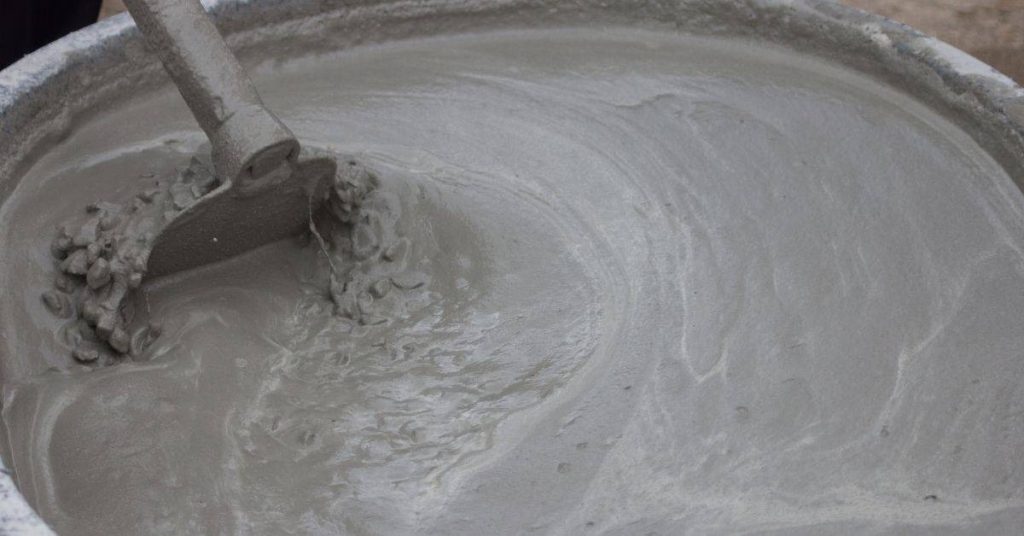
Trowel mixing wet cement mortar in a large container

Shrinkage-Compensating Cement: Where It Shines, Detailing Rules, and DIY Reality

Introduction Shrinkage-compensating cement is a concrete mix designed to offset shrinkage as it cures. In DIY projects, it helps reduce cracking on slabs and pads. Use it when you expect movement or large flat surfaces; check product instructions for mixing and cure guidance. For rules and specifications, follow the manufacturer’s directions and any local rules.

Shrinkage-Compensating Cement: Where It Shines, Detailing Rules, and DIY Reality Read More »