Concrete

Concrete is where I keep my step-by-step guides for planning, pouring, and finishing concrete projects.

Topics include base prep, forms, reinforcement, thickness, mixing and placing, finishing, curing, sealing, and long-term durability. I also cover troubleshooting—what to do when concrete cracks, scales, dusts, or cures unevenly.

If you’re new to concrete, start with the planning and prep articles. They prevent most of the expensive mistakes.

Worker spraying cement plaster on interior wall

Aluminate Cement Systems: Compatibility Traps With Portland Cement Repairs

Introduction Aluminate cement systems can clash with Portland cement repairs because their chemistries and hydration behave differently. That mismatch can affect bonding, crack resistance, and how the repair ages in real-world use. In practical terms, you want to know if the two systems will stick together over time and cope with the environment around your […]

Aluminate Cement Systems: Compatibility Traps With Portland Cement Repairs Read More »

Cracked white mortar on red brick wall in sunlight

Latex (SBR) Modifiers in Repair Mortars: Strength Gains vs Breathability Losses

Introduction Latex (SBR) modifiers are synthetic rubber additives used in repair mortars to improve flexibility and adhesion. They help the mortar resist cracking as concrete moves, but they can reduce breathability if overused. Always check the product label and manufacturer instructions for recommended usage and cure expectations. In textile-reinforced mortars (TRMs), SBR modifiers can boost

Latex (SBR) Modifiers in Repair Mortars: Strength Gains vs Breathability Losses Read More »

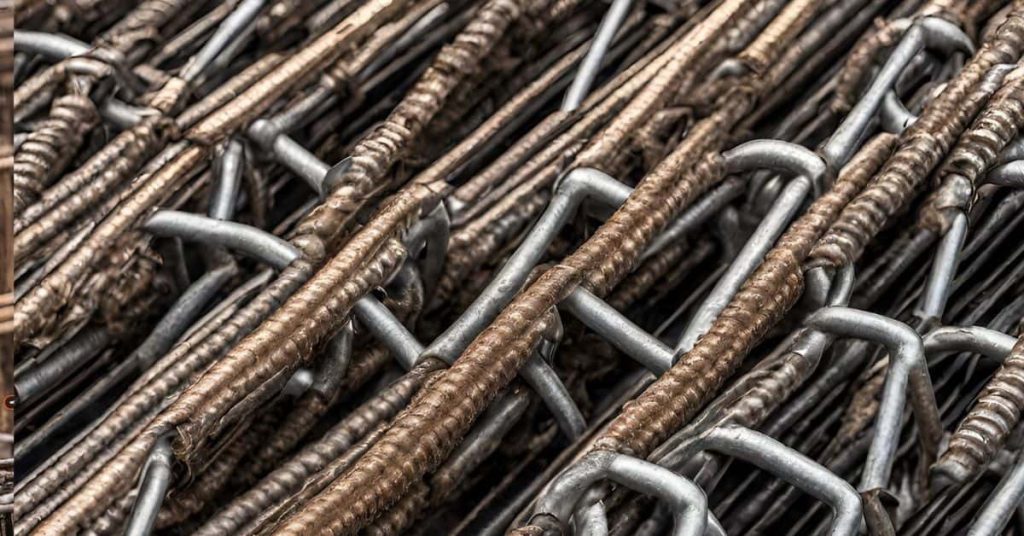
Close-up of rusted steel rebar with metal ties

Steel Microfibers in Overlays: When They Outperform Rebar Mesh

Introduction Steel microfibers in overlays are tiny reinforcement fibers mixed into concrete to control cracking and improve durability, often replacing some needs for traditional rebar mesh. They disperse with the mix and can reduce crack widths, making overlays tougher for DIY projects. For a DIY job, compare them to rebar mesh in terms of installation

Steel Microfibers in Overlays: When They Outperform Rebar Mesh Read More »

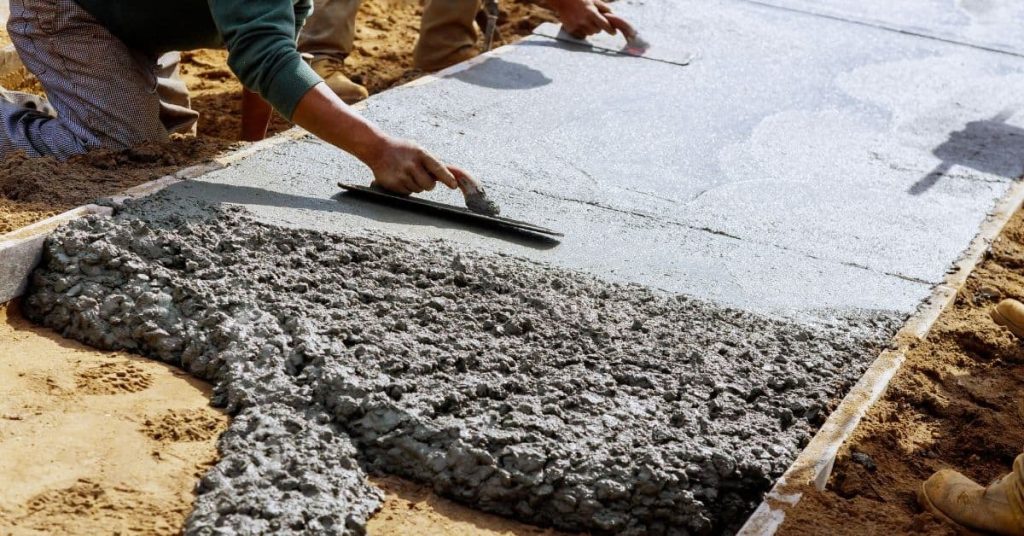
Hands smoothing wet concrete with trowels on a slab

Basalt Fibers vs Polypropylene Fibers: Crack Control, Finishing, and Cost Tradeoffs

Introduction Basalt fibers and polypropylene fibers are two concrete add-ons that help crack control and finishing, with different costs and handling requirements. In practice, the choice comes down to how you mix, place, and finish the concrete, plus how much you’re willing to pay for long-term durability. Always check the manufacturer instructions and local rules

Basalt Fibers vs Polypropylene Fibers: Crack Control, Finishing, and Cost Tradeoffs Read More »

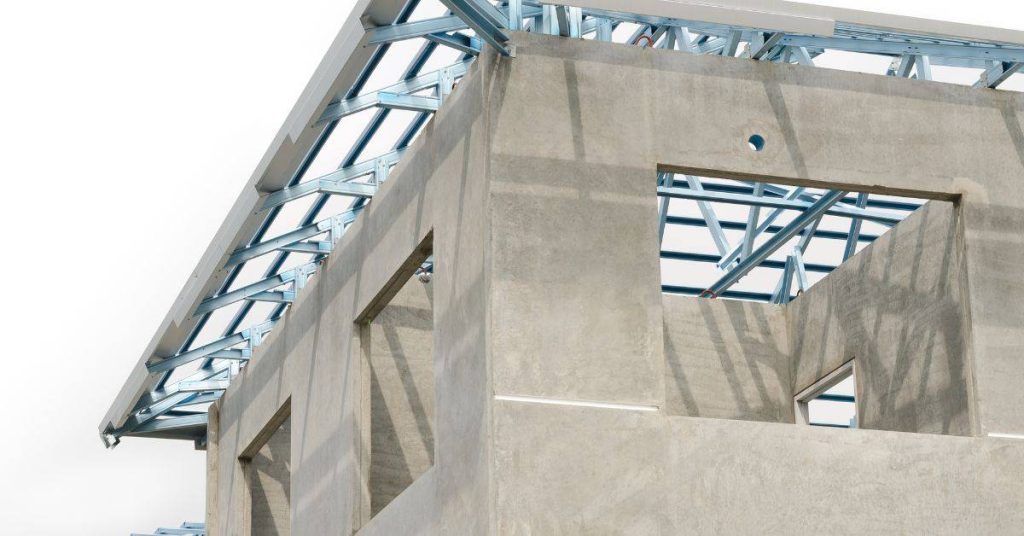
Concrete precast wall under metal roof framework construction site

Water Quality for Concrete: Chlorides, Sulfates, and Why ‘Clean’ Isn’t Always Safe

Introduction Water quality for concrete means using water free of contaminants that can weaken or damage the mix. Chlorides and sulfates in water can affect set, strength, and durability, so test or check labels and manufacturer guidance. In DIY terms, treat water like part of the recipe you must verify before mixing. There are standards

Water Quality for Concrete: Chlorides, Sulfates, and Why ‘Clean’ Isn’t Always Safe Read More »

Close-up of cracked gray concrete surface with visible fissures

Concrete Surface Profile Comparators: Choosing CSP Without Over-Grinding

Introduction CSP stands for Concrete Surface Profile, and it describes how rough or smooth a concrete surface is. Choosing the right CSP helps coatings and overlays grip well, without grinding away too much material. This article keeps it practical for DIYers and focuses on getting the profile right without overdoing it. The ICRI CSP scale

Concrete Surface Profile Comparators: Choosing CSP Without Over-Grinding Read More »

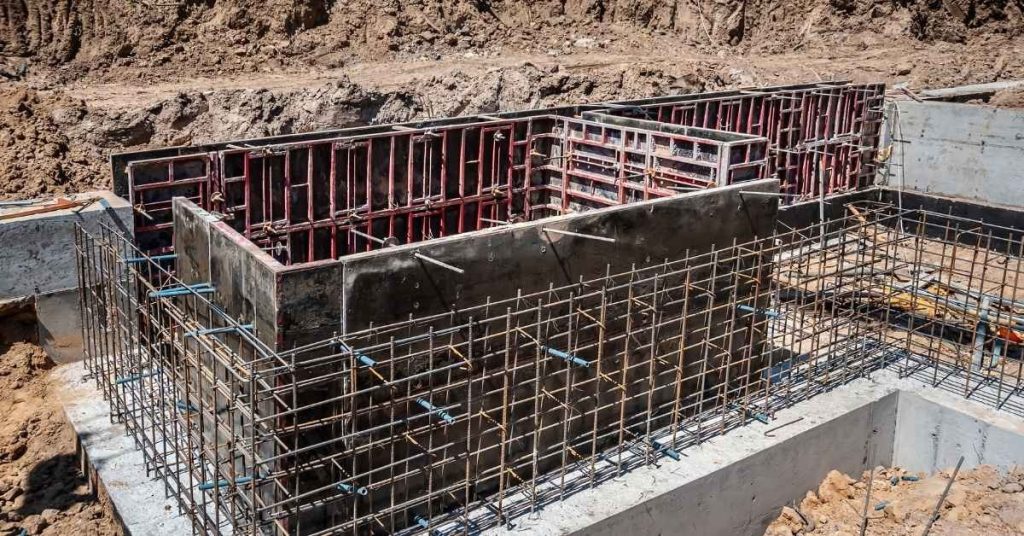
Concrete formwork with exposed rebar at construction site

Concrete Density Checks for DIY Mixes: Bucket Method, Yield, and Spotting a Bad Batch

Introduction Concrete density checks are simple tests that help you verify that your mix has the right solids-to-water balance. The bucket method uses measured volumes of fresh concrete to estimate yield and consistency, then you compare it to what you expect from your mix. If the results seem off, check the label and follow manufacturer

Concrete Density Checks for DIY Mixes: Bucket Method, Yield, and Spotting a Bad Batch Read More »

Hands smoothing wet concrete with trowels on a slab

Hot Water vs Warm Aggregates: The Better Way to Control Set Time in Cold Weather

Introduction Warm water or heated aggregates are practical options to influence how quickly concrete sets in cold weather. In chilly conditions, using warmer inputs helps the mix cure more reliably and can shorten the time to workable strength. Always check product labels and local rules to confirm what is allowed and what ranges are appropriate

Hot Water vs Warm Aggregates: The Better Way to Control Set Time in Cold Weather Read More »

Hands tying rebar with pliers over gravel base

Carbonation Depth Mapping Across a Slab: Why One Test Spot Isn’t Enough

Introduction Carbonation depth mapping across a slab is the practice of measuring how far carbonation has penetrated the concrete across different spots. This helps you see where the concrete is more or less exposed to carbonation, not just at one point. In plain terms, you’re looking for variations rather than a single number. Why one

Carbonation Depth Mapping Across a Slab: Why One Test Spot Isn’t Enough Read More »