Concrete

Concrete is where I keep my step-by-step guides for planning, pouring, and finishing concrete projects.

Topics include base prep, forms, reinforcement, thickness, mixing and placing, finishing, curing, sealing, and long-term durability. I also cover troubleshooting—what to do when concrete cracks, scales, dusts, or cures unevenly.

If you’re new to concrete, start with the planning and prep articles. They prevent most of the expensive mistakes.

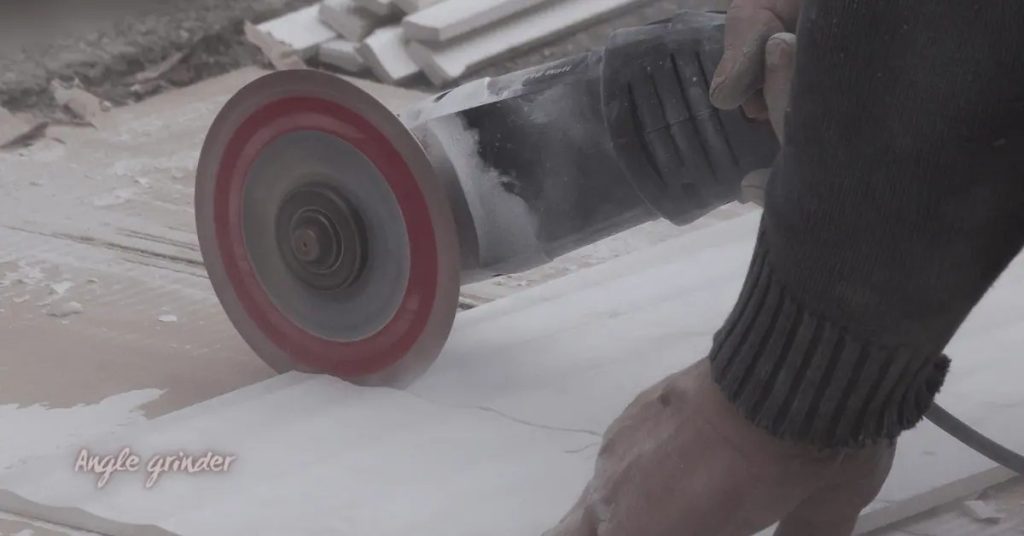
Angle grinder cutting a concrete surface with dust

Accelerator + Superplasticizer Interactions: The Combo That Can Flash Set

Introduction Accelerators and superplasticizers are concrete admixtures that, when used together, can cause rapid hardening or flash set. This article explains how their interaction can change workability and set times in DIY mixes. Always check product labels and follow manufacturer instructions for compatibility. In the field, watch for signs of quick stiffening and plan your […]

Accelerator + Superplasticizer Interactions: The Combo That Can Flash Set Read More »

Concrete driveway with brick border and grass lawn

Schmidt Rebound Hammer Test on Concrete: Calibration, Limits, and DIY Interpretation

Introduction A Schmidt rebound hammer test measures surface hardness to estimate concrete strength. For DIY projects, calibration matters and you should follow the tool’s manufacturer instructions and any local requirements when taking readings. Surface preparation and how you strike the test hammer affect results, and there are clear limits to what an in-place reading can

Schmidt Rebound Hammer Test on Concrete: Calibration, Limits, and DIY Interpretation Read More »

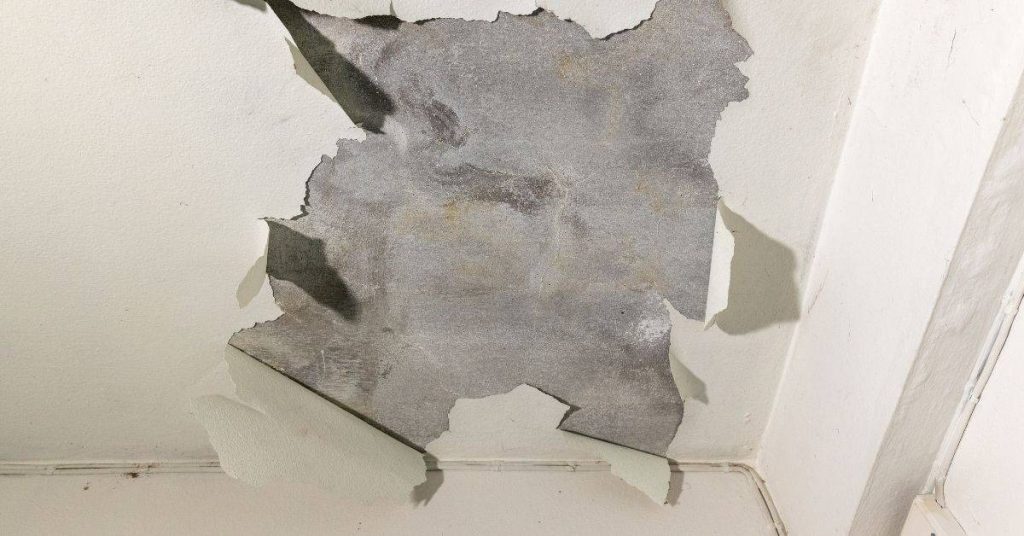
Concrete ceiling with peeling white paint

Ultrasonic Pulse Velocity (UPV) for Concrete: What It Can Detect and What It Can’t

Introduction UPV testing uses high-frequency sound pulses sent through concrete to gauge its internal quality. The basic idea is that faster, cleaner pulses indicate fewer defects, while slow or scattered signals hint at voids, cracks, or poor bonding. Use this as a quick sanity check on conditions, and always consult the equipment’s instructions and local

Ultrasonic Pulse Velocity (UPV) for Concrete: What It Can Detect and What It Can’t Read More »

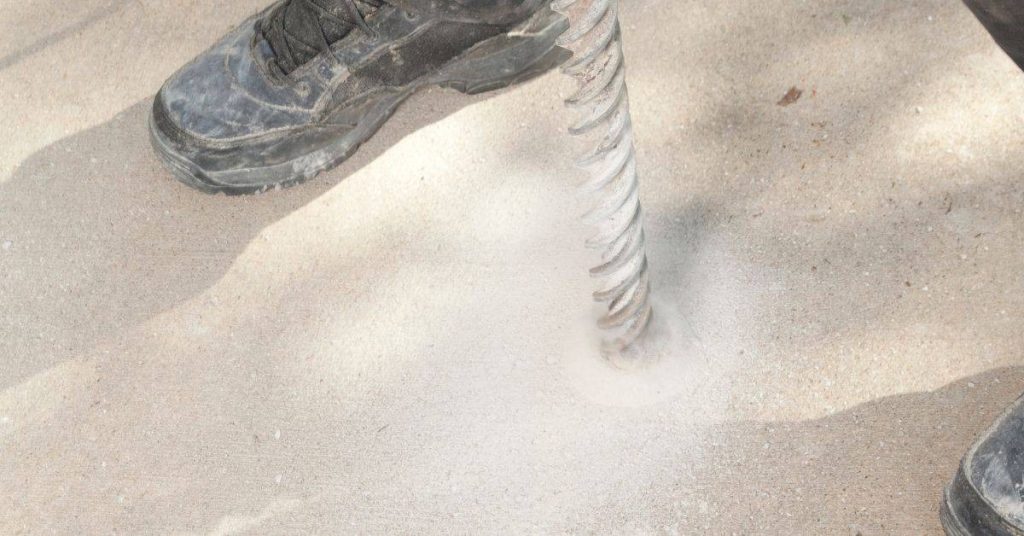
Close-up of drill bit boring into concrete with worker's boots

Concrete Core Sampling 101: Where to Drill, How to Patch, and What Labs Can Tell You

Introduction Concrete core sampling is the process of extracting a small cylindrical sample from a hardened slab or wall to inspect its strength, composition, and condition. This is a hands-on task that you may tackle in simple projects, but you should plan for proper safety, access, and documentation, and verify local rules and requirements before

Concrete Core Sampling 101: Where to Drill, How to Patch, and What Labs Can Tell You Read More »

Paintbrush with white paint against white background

Mixing Pigments With White vs Gray Cement: Controlling Undertone and Saturation

Introduction Pigments are color additives you mix into cement to change its look, and using white or gray cement sets the undertone you’ll work from. In practice, you’ll notice white cement tends to brighten and cool things, while gray gives a neutral base that can lean warm or cool depending on the pigment. Start with

Mixing Pigments With White vs Gray Cement: Controlling Undertone and Saturation Read More »

Close-up of modern glass curtain wall on building exterior

Glass Fiber Dosing Math for GFRC: Converting Manufacturer Specs Into Real Batch Weights

Introduction Glass fiber dosing math for GFRC is converting manufacturer fiber dosage specs into concrete batch weights. Keep it practical by translating those specs into the actual amounts you mix on site. Tailor the math to your batch size and keep logs of what you add. Getting the fiber dosage right affects how strong and

Glass Fiber Dosing Math for GFRC: Converting Manufacturer Specs Into Real Batch Weights Read More »

Close-up of fibrous gray insulation material texture

Perlite and Vermiculite Concretes: Lightweight Fills, Insulation Value, and Crush Limits

Introduction Perlite and vermiculite concretes are lightweight mixes made with expanded mineral fillers that increase porosity in cement. They can help reduce weight and add some insulation value for fills, beds, or non-structural applications. Check the product label for how they’re intended to be used and what the mix recommends for your project. In DIY

Perlite and Vermiculite Concretes: Lightweight Fills, Insulation Value, and Crush Limits Read More »

Outdoor metal water faucet dripping water drops

Integral Waterproofing Powders vs Liquid Admixtures: What Changes in the Mix Water

Introduction Integral waterproofing powders are dry admixtures added to the concrete mix to bond with cement and block water paths. Liquid admixtures, on the other hand, are poured or stirred in with the water to change how the mix behaves and how water moves through the concrete. In short, powders stay in the cement matrix

Integral Waterproofing Powders vs Liquid Admixtures: What Changes in the Mix Water Read More »

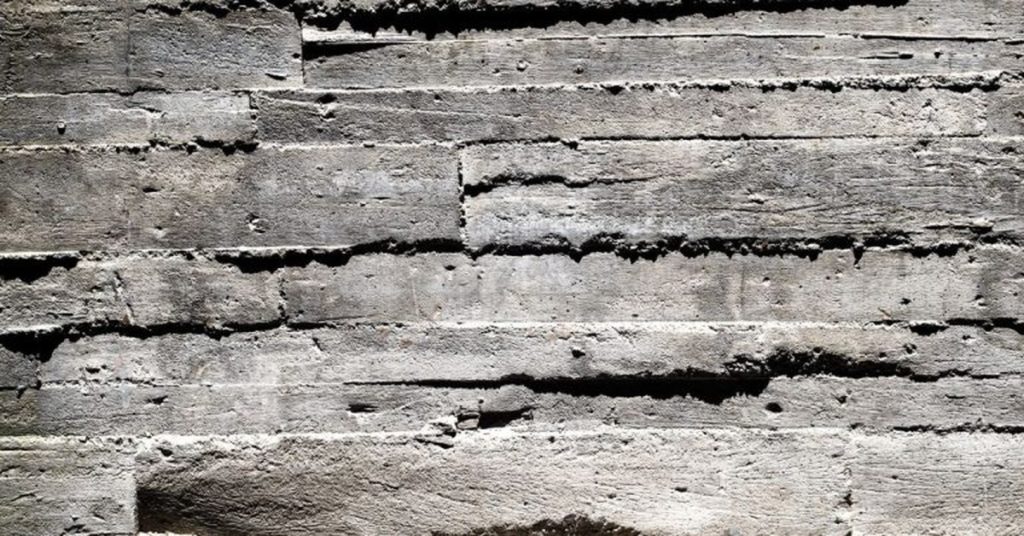
Close-up of rough concrete wall with wood formboard texture

Hydrated Lime in Concrete Mixes: Workability, Finish, and Strength Effects

Introduction Hydrated lime is a dry powder added to concrete to adjust texture and binding. In DIY mixes, it can improve workability and long-term texture, but it also changes setting behavior. Check the product label and local guidelines before use. It can influence finish quality and how smoothly you can trowel or pour. Lime affects

Hydrated Lime in Concrete Mixes: Workability, Finish, and Strength Effects Read More »