Concrete

Concrete is where I keep my step-by-step guides for planning, pouring, and finishing concrete projects.

Topics include base prep, forms, reinforcement, thickness, mixing and placing, finishing, curing, sealing, and long-term durability. I also cover troubleshooting—what to do when concrete cracks, scales, dusts, or cures unevenly.

If you’re new to concrete, start with the planning and prep articles. They prevent most of the expensive mistakes.

Close up of worker smoothing fresh concrete slab with float

Basement Slab Vapor Drive in Winter: Why ‘Dry’ Floors Still Push Moisture Into Coatings

Introduction Basement slab vapor drive in winter is moisture moving through concrete from the ground, even when floors feel dry. In cold weather, capillary action and ground moisture can push water into coatings, sealing layers, and corner joints. This is a practical, hands-on issue you can see by checking for damp spots and efflorescence along […]

Basement Slab Vapor Drive in Winter: Why ‘Dry’ Floors Still Push Moisture Into Coatings Read More »

Close-up of concrete wall with cracking and peeling surface

Repairing Leaking Cold Joints at Slab-to-Wall: Why Surface Caulk Fails and Better Methods

Introduction A leaking cold joint at slab-to-wall is water intrusion at the bond between a concrete slab and the wall caused by gaps or cracks near the joint. This article explains why surface caulk often fails and what better repair approaches look like for DIY work. Identify leaks by looking for damp patches near the

Repairing Leaking Cold Joints at Slab-to-Wall: Why Surface Caulk Fails and Better Methods Read More »

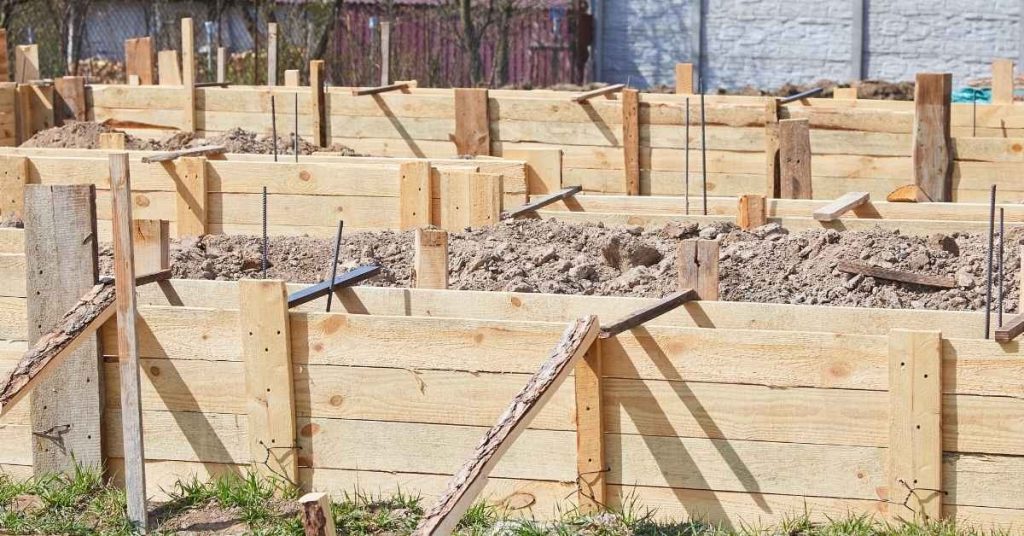
Wooden formwork for concrete retaining wall construction

Concrete Retaining Walls: Waterproofing, Drainage Rock, and Preventing Hydrostatic Blowouts

Introduction Concrete retaining walls are structures that hold back soil and must stay dry and stable. To do that, waterproofing and proper drainage are essential, along with backfill and proper reinforcement. Without addressing hydrostatic pressure, the wall can leak, bow, or fail over time. There are several waterproofing options worth considering, and you should follow

Concrete Retaining Walls: Waterproofing, Drainage Rock, and Preventing Hydrostatic Blowouts Read More »

Freshly poured wet concrete slab inside an unfinished room

Preventing Efflorescence From New Concrete: Water Sources, Curing, and Breathable Protection

Introduction Efflorescence is the white, powdery or crusty mineral deposit that appears on concrete when water moves minerals to the surface. It happens when moisture inside the slab or plaster carries soluble salts to the surface as it evaporates. Identify sources of moisture—wet curing, rain exposure, groundwater, or humid environments—and understand that surface coatings can

Preventing Efflorescence From New Concrete: Water Sources, Curing, and Breathable Protection Read More »

Red brick house exterior with two garage doors and chimney

Drainage for Exterior Stairs and Landings: Small Grading Tweaks That Prevent Icy Sheets

Introduction Drainage for exterior stairs and landings means shaping and directing water away so the surfaces stay safe and dry. Keep a clear slope away from the door and across each tread, and use simple edging or a shallow path to guide water toward a drain or into the surrounding ground. Check your local rules

Drainage for Exterior Stairs and Landings: Small Grading Tweaks That Prevent Icy Sheets Read More »

Wooden formwork and rebar cages for concrete column construction

Concrete Stair Stringer Pockets: Forming and Patching Without Weak Cold Joints

Introduction Stringer pockets in concrete stairs are recessed areas that receive the stair stringers so the stairs sit solidly. This article covers how to form and patch them without creating weak cold joints. You’ll do this with basic forms, timing, and careful patching. Plan ahead, check form fit, and keep joints clean and well-tied when

Concrete Stair Stringer Pockets: Forming and Patching Without Weak Cold Joints Read More »

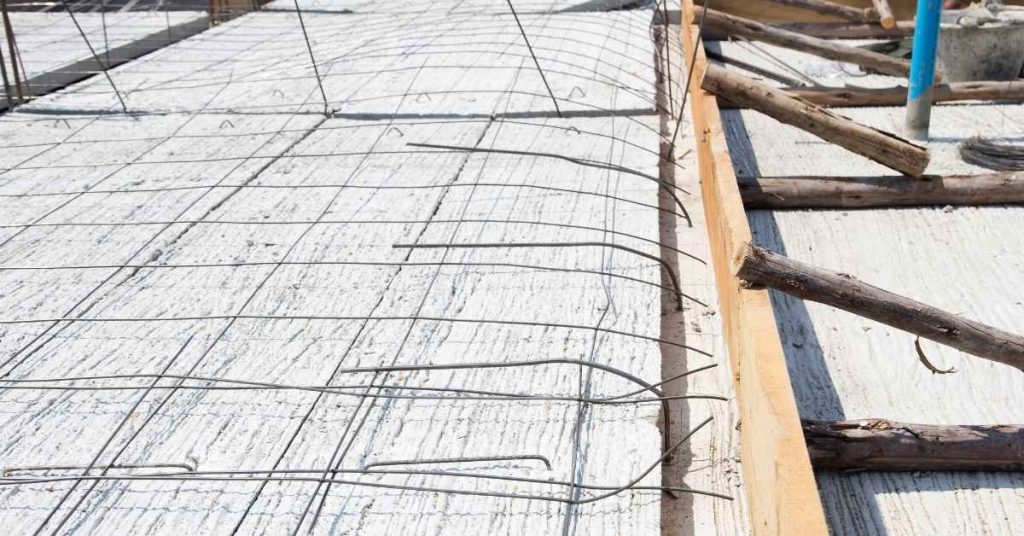
Concrete slab form with wire rebar grid and bent dowels

How to Tie Slab Reinforcement Into a Footing: Dowels, Hooks, and Keeping Cover Correct

Introduction Tieing slab reinforcement into a footing means securely connecting the steel in the footing to the steel in the slab so the two act as a single unit. Use dowels or hooks to link the bars where the slab meets the footing, and keep them clean, straight, and properly aligned. Always tie with the

How to Tie Slab Reinforcement Into a Footing: Dowels, Hooks, and Keeping Cover Correct Read More »

curved stamped concrete patio next to garden bed

Cutting Control Joints in Stamped Concrete: Timing, Blade Choice, and Avoiding Ragged Edges

Introduction Cutting control joints in stamped concrete is about planning when to cut, choosing the right blade, and making clean edges to prevent cracks. Get your timing right by planning ahead before you stamp, so the concrete has the strength needed when joints are cut. Always check manufacturer instructions and local rules for any timing

Cutting Control Joints in Stamped Concrete: Timing, Blade Choice, and Avoiding Ragged Edges Read More »

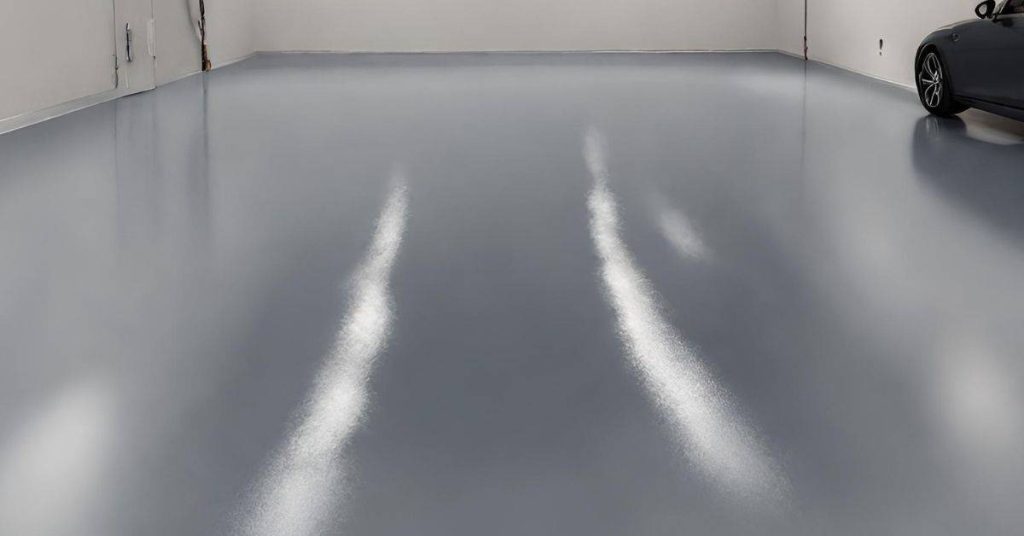
Smooth gray epoxy coated concrete garage floor with car

Epoxy Injection vs Polyurethane Injection for Cracks: Choosing Based on Movement and Moisture

Introduction Epoxy and polyurethane injections are two concrete crack repair options, chosen based on movement and moisture. Epoxy cures into a stiff bond ideal for solid, non-moving cracks, while polyurethane stays more flexible to absorb tiny shifts. Always check the product label and local rules before committing to one method. In terms of practical differences,

Epoxy Injection vs Polyurethane Injection for Cracks: Choosing Based on Movement and Moisture Read More »