Concrete

Concrete is where I keep my step-by-step guides for planning, pouring, and finishing concrete projects.

Topics include base prep, forms, reinforcement, thickness, mixing and placing, finishing, curing, sealing, and long-term durability. I also cover troubleshooting—what to do when concrete cracks, scales, dusts, or cures unevenly.

If you’re new to concrete, start with the planning and prep articles. They prevent most of the expensive mistakes.

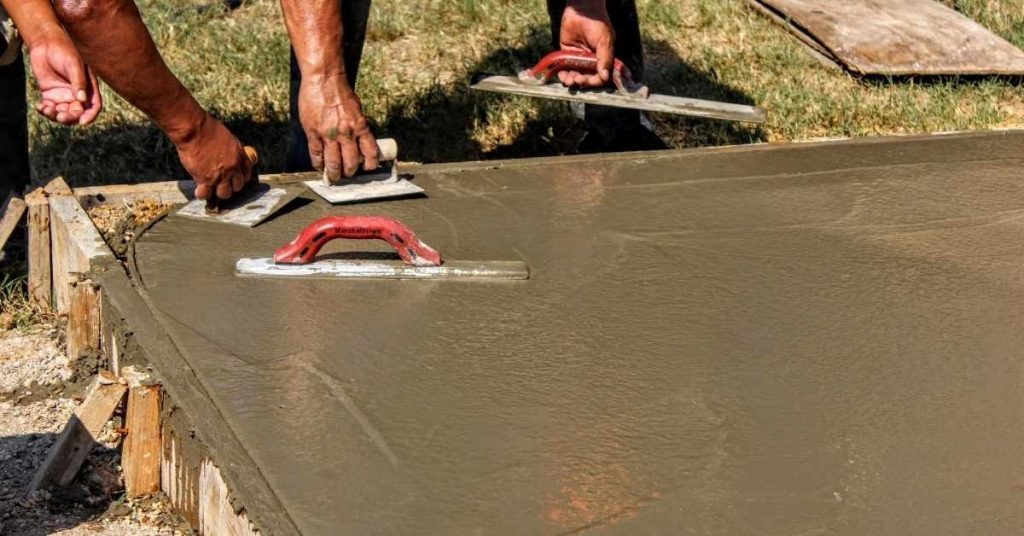
Hands smoothing wet concrete with trowels on outdoor slab

Breaking in a new concrete trowel: edge prep so you don’t leave tracks everywhere

Introduction Edge prep for a new concrete trowel means ensuring the blade edge is clean and true so your finish tracks are minimal. Keep metal free of nicks and burrs, and verify the edge sits straight against the handle. If the edge isn’t true, check the manufacturer’s guidance on bevels and sharpening before proceeding. Begin […]

Breaking in a new concrete trowel: edge prep so you don’t leave tracks everywhere Read More »

Concrete driveway ramp with horizontal saw-cut joints

Blending tooled and saw-cut concrete joints: making last-minute changes look intentional

Introduction Blending tooled and saw-cut concrete joints means intentionally combining hand-worked joints with later-cut joints to create a varied, cohesive joint pattern. This approach requires planning the joint locations and finishing texture so appearance looks deliberate. Keep in mind the different tools and methods affect edge quality, so confirm your plan before you cut. Before

Blending tooled and saw-cut concrete joints: making last-minute changes look intentional Read More »

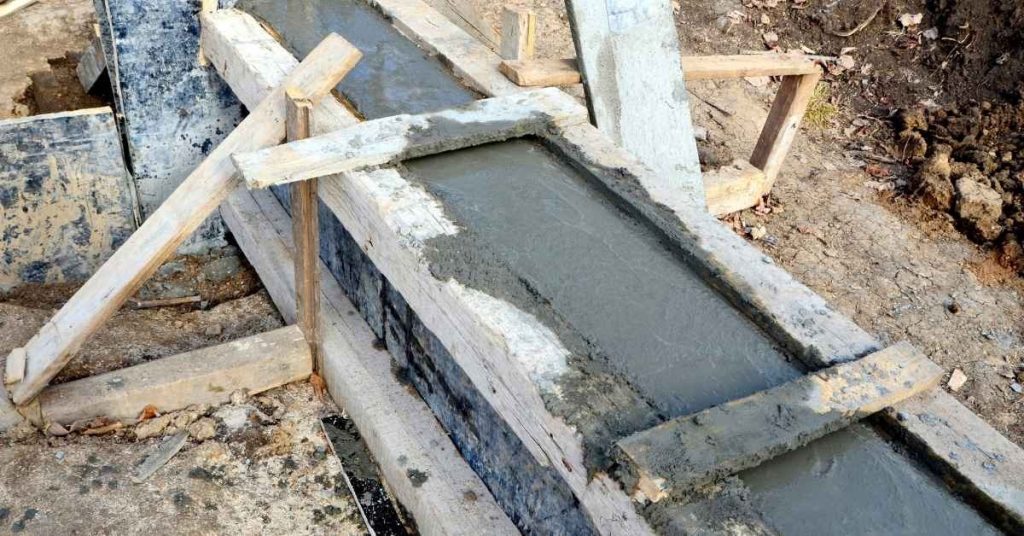
Fresh concrete poured in wooden formwork at construction site

Concrete vibrator mistakes in DIY forms: honeycombing, blowouts, and how to avoid them

Introduction Honeycombing and blowouts are defects in concrete caused by improper compaction. This article explains how to spot these issues and why they happen in DIY pours. We’ll cover how to use a vibrator correctly and what to check to avoid problems. Identify honeycombing by looking for voids, exposed aggregate, and a rough, porous surface

Concrete vibrator mistakes in DIY forms: honeycombing, blowouts, and how to avoid them Read More »

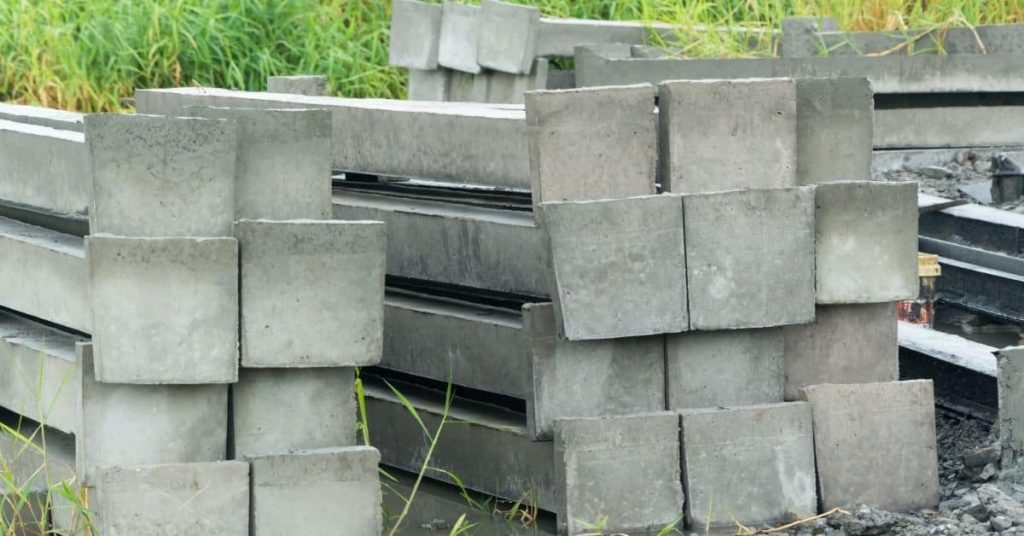
Stacked precast concrete columns outdoors on grass

Choosing a concrete form-release agent: what stains, what doesn’t, and how to apply evenly

Introduction A concrete form-release agent is a coating applied to forms to prevent concrete from sticking. Common types include liquid sprays or pours and powder blends, and the right choice depends on the form material, project size, and local guidance. Apply evenly according to the product instructions and consider timing to avoid gaps or buildup.

Choosing a concrete form-release agent: what stains, what doesn’t, and how to apply evenly Read More »

Worker pouring liquid concrete on ground wearing safety vest and gloves

Rain during concrete finishing: rescue steps that avoid permanent scaling and streaks

Introduction Rain during concrete finishing is when rain hits the surface while concrete is still finishing, risking a poor surface. This article shares practical steps to limit damage and keep the finish looking even. It covers how weather affects curing and what to check before you proceed. If rain arrives, assess the surface and consider

Rain during concrete finishing: rescue steps that avoid permanent scaling and streaks Read More »

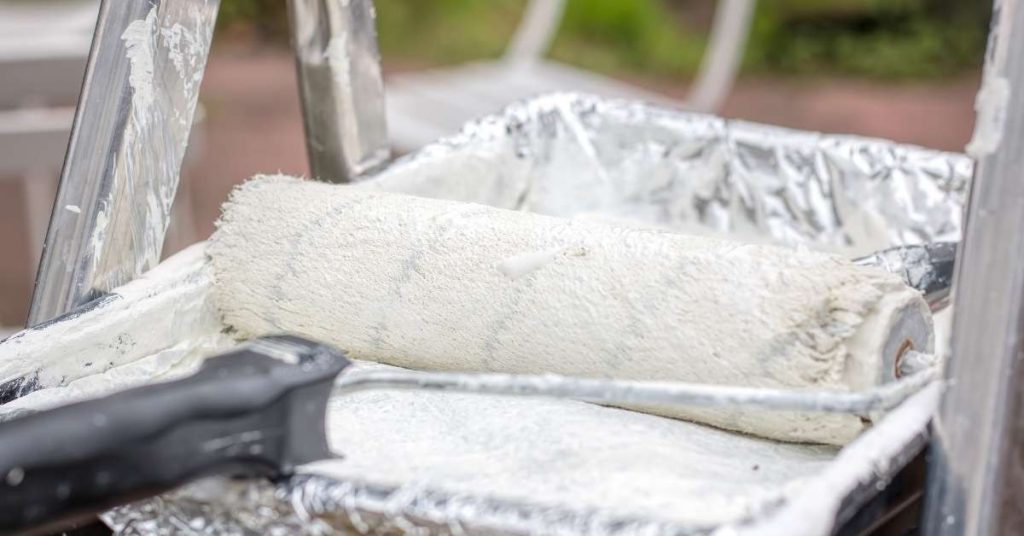
White paint roller resting in paint tray on ladder

Budget moisture tests for concrete coatings: what homeowners can trust without pro meters

Introduction Budget moisture tests for concrete coatings are simple, low-cost checks homeowners can use to gauge whether a floor is dry enough for coating. Be aware surface-based tests, like calcium chloride tests, only measure surface moisture and can mislead if conditions aren’t right. Always check manufacturer guidance and consider timing relative to temperature and humidity

Budget moisture tests for concrete coatings: what homeowners can trust without pro meters Read More »

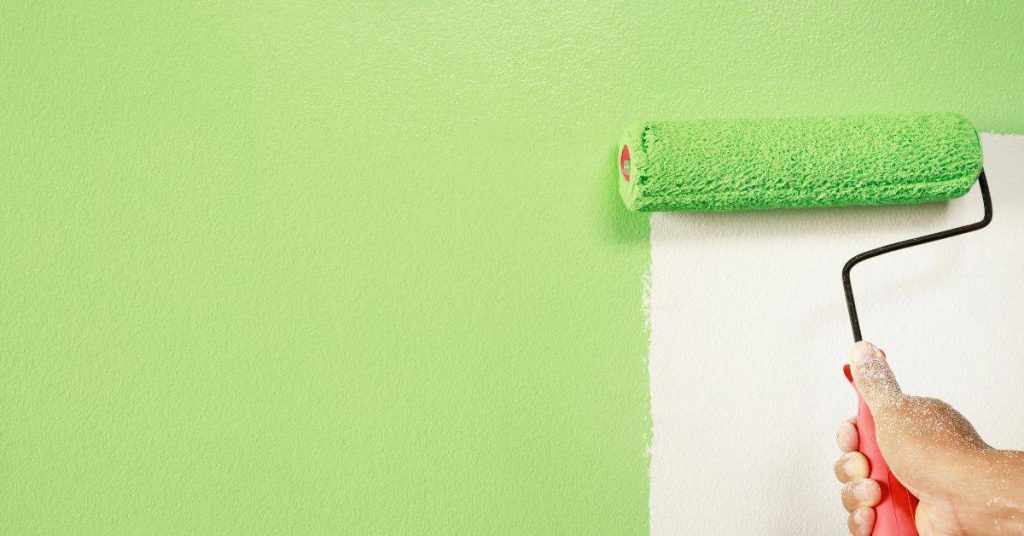
Hand using green paint roller on white textured wall

Testing concrete pH before you paint: simple strip tests and what the numbers really mean

Introduction Testing concrete pH before you paint tells you how acidic or basic the surface is. This helps you choose the right prep steps and paint compatibility. A simple strip test can give you a quick read and reduce guesswork. There are a few common types of pH test strips that you can use on

Testing concrete pH before you paint: simple strip tests and what the numbers really mean Read More »

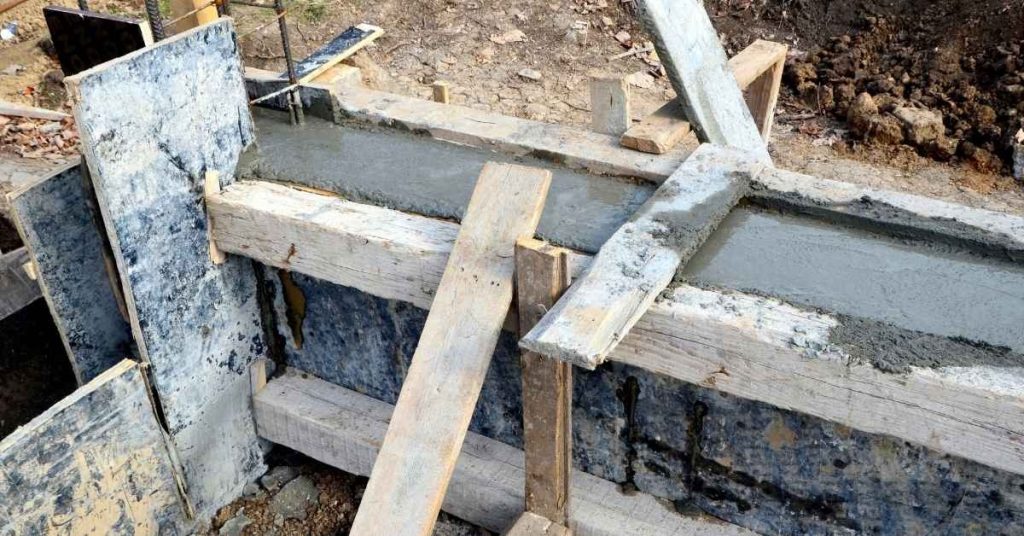
Wooden concrete forms filled with wet concrete at construction site

Setting concrete forms dead straight: stringline tricks and corner squareness checks

Introduction Setting concrete forms dead straight means aligning the formwork so the edges stay true and parallel, using stringlines and corner checks. Start with a clear plan for measuring and placing the forms, and keep a simple layout to guide edges, corners, and cleats. Check squareness at key points with a stringline, a level, and

Setting concrete forms dead straight: stringline tricks and corner squareness checks Read More »

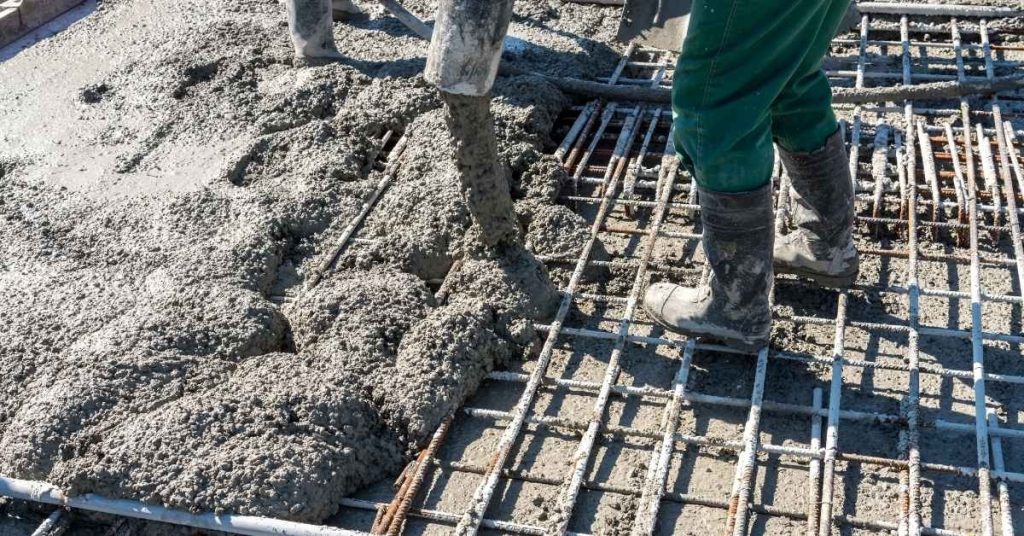
Worker pouring concrete over steel rebar grid

Rebar lap splice failures in DIY concrete work: real-world examples and how to avoid them

Introduction A rebar lap splice failure happens when the overlap between reinforcing bars does not transfer load effectively, weakening the concrete. This article explains real-world examples and practical checks you can perform to avoid it in DIY work. You’ll learn how to spot common mistakes and fix them before the concrete sets. Key factors to

Rebar lap splice failures in DIY concrete work: real-world examples and how to avoid them Read More »

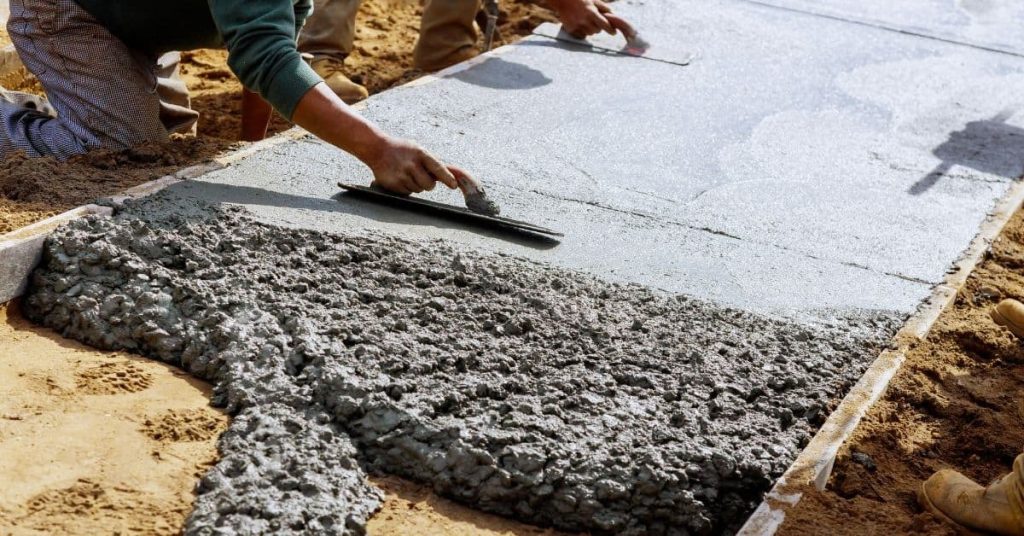
Workers smoothing fresh concrete slab with finishing tools

Retrofitting concrete slab edge insulation on small patios and entries: details that actually fit

Introduction Concrete Slab Edge Insulation Retrofit Retrofitting concrete slab edge insulation enhances thermal performance by adding insulation around exposed edges of existing slabs. This improves comfort in small patios and entryways year-round by reducing heat loss. Before proceeding, assess current edges, drainage, and any moisture concerns. Integrate chosen edge insulation with surrounding framing, slabs, and

Retrofitting concrete slab edge insulation on small patios and entries: details that actually fit Read More »