Concrete

Concrete is where I keep my step-by-step guides for planning, pouring, and finishing concrete projects.

Topics include base prep, forms, reinforcement, thickness, mixing and placing, finishing, curing, sealing, and long-term durability. I also cover troubleshooting—what to do when concrete cracks, scales, dusts, or cures unevenly.

If you’re new to concrete, start with the planning and prep articles. They prevent most of the expensive mistakes.

Concrete countertop with integrated sink and black faucet

How to Avoid Rebar Shadowing on Thin Countertops: Cover, Pigment, and Sealing Strategies

Introduction Rebar shadowing on thin countertops happens when embedded metal rebar or mesh shows through the surface. This article explains practical ways to prevent that by using proper cover, pigment strategy, and sealing steps. Always verify manufacturer instructions and local rules for materials and installation before you start. Cover techniques focus on keeping the metal […]

How to Avoid Rebar Shadowing on Thin Countertops: Cover, Pigment, and Sealing Strategies Read More »
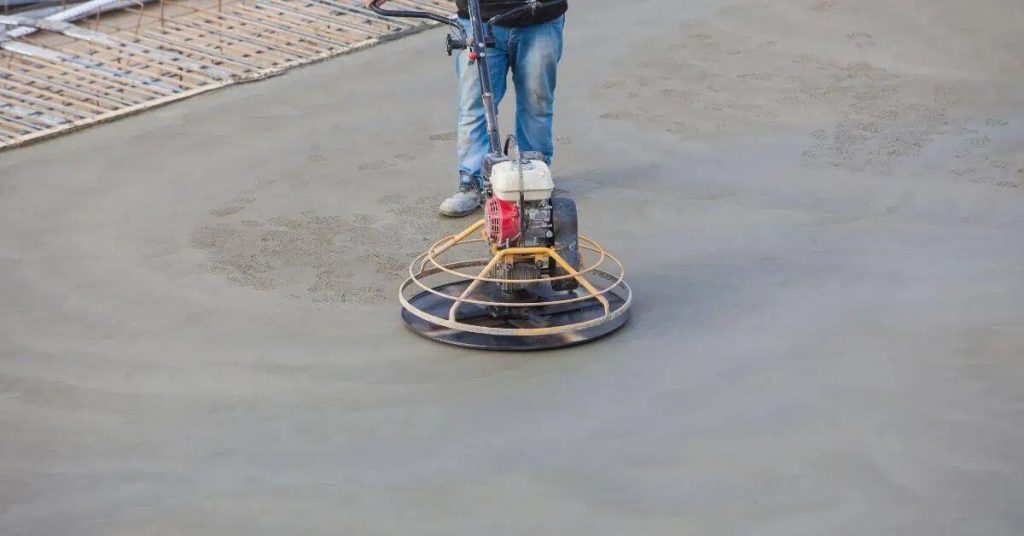
Person operating power trowel on fresh concrete surface

Concrete Finishing at High Altitude: Evaporation Spikes, Set Time Changes, and Curing Adjustments

Introduction Concrete finishing at high altitude means adjusting your process and materials to account for thinner air and changing weather so the slab cures properly and finishes stay intact. Keep the surface protected from rapid evaporation by scheduling pours for cooler parts of the day, covering with appropriate material soon after finishing, and watching wind

Concrete Finishing at High Altitude: Evaporation Spikes, Set Time Changes, and Curing Adjustments Read More »

fresh concrete partially poured on rough surface

Using Burlap for Wet Curing: How to Keep It Wet Without Staining the Surface

Introduction Burlap can be used to keep concrete moist during curing without staining the surface when applied correctly. This method relies on evenly saturated burlap laid over the fresh pour and kept moist. Check the burlap material and manufacturer guidance for suitability and any surface protection needs. Choose burlap that is plain and untreated, and

Using Burlap for Wet Curing: How to Keep It Wet Without Staining the Surface Read More »

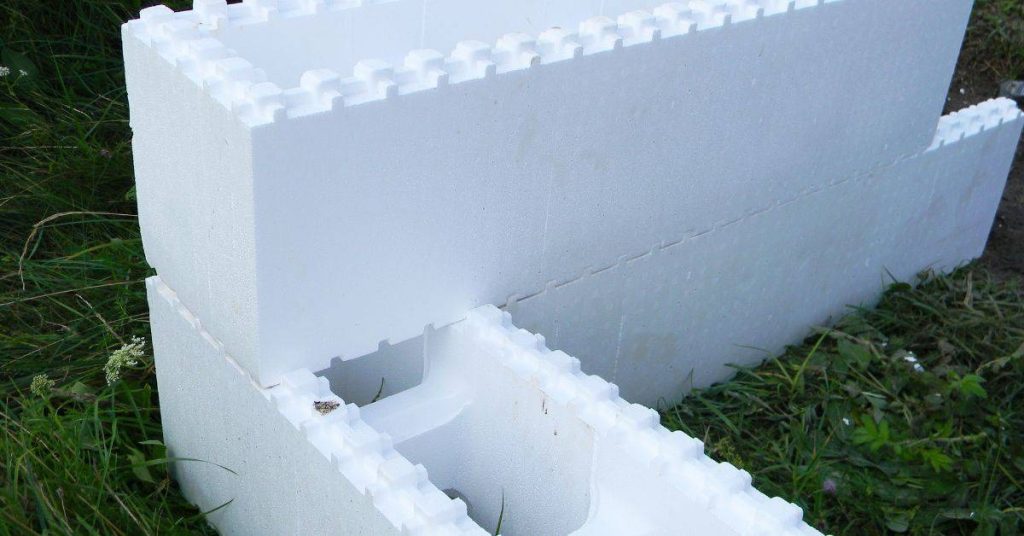
White insulated concrete forms stacked outside on grass

Curing Blankets and Insulated Tarps: Preventing Early Freeze Without Overheating

Introduction Curing blankets and insulated tarps are coverings used to shield soil and plants from early freezing while preventing overheating. In DIY terms, you can drape them over beds and secure edges with stakes or weights. Check the label for how to vent on sunny days and what materials breathe, so you don’t trap too

Curing Blankets and Insulated Tarps: Preventing Early Freeze Without Overheating Read More »

black wooden double entry doors with small window panes

Saw-Cut Timing With Early-Entry Saws: When They Beat a Standard Saw

Introduction Early-entry saws let you start a cut sooner than a standard saw. This approach aims to save time and reduce waiting around for equipment or setup. Keep in mind you must check safety and jobsite rules before changing timing. Plan your sequence, set up blades, and keep steady progression to avoid overheating or mistakes.

Saw-Cut Timing With Early-Entry Saws: When They Beat a Standard Saw Read More »

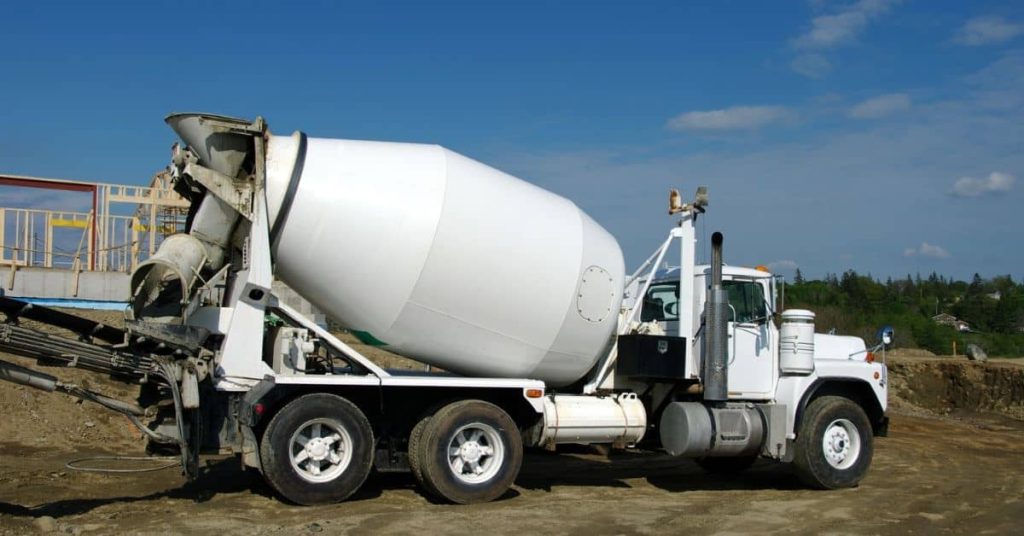
White concrete mixer truck at a construction site

Cold-Weather Mixing Station Setup: Keeping Water, Bags, and Tools Above Freezing

Introduction Cold-Weather Mixing Station Setup means keeping water, bags, and tools above freezing. In practice, you’ll set up a small, sheltered area and plan for material handling so everything stays usable in cold weather. Frost resistance of bags, containers, and tools is worth confirming before you set up the station. Check the product labels or

Cold-Weather Mixing Station Setup: Keeping Water, Bags, and Tools Above Freezing Read More »

Three construction workers discussing a building plan indoors

Hot-Weather ‘Shade Plan’ for Pours: Tents, Misting, and Wind Screens That Don’t Backfire

Introduction A hot-weather shade plan for pours uses tents, misting, and wind screens to control heat and evaporation. Set up coverings to cut direct sun and keep the mix from drying too fast, but avoid creating stagnant air that slows curing. Check local rules and product labels for placement and safety. Use tents tall enough

Hot-Weather ‘Shade Plan’ for Pours: Tents, Misting, and Wind Screens That Don’t Backfire Read More »

Smooth polished concrete floor reflecting windows and lights

Concrete Finishing for Broom Direction: Traction vs Cleanability Tradeoffs

Introduction Concrete finishing for broom direction is the texture you create when you drag a broom across fresh concrete to set a pattern. This defines how much traction you get and how easy it is to clean. Keep it simple and work with what your slab can tolerate—no gimmicks. Broom patterns range from tight, firm

Concrete Finishing for Broom Direction: Traction vs Cleanability Tradeoffs Read More »

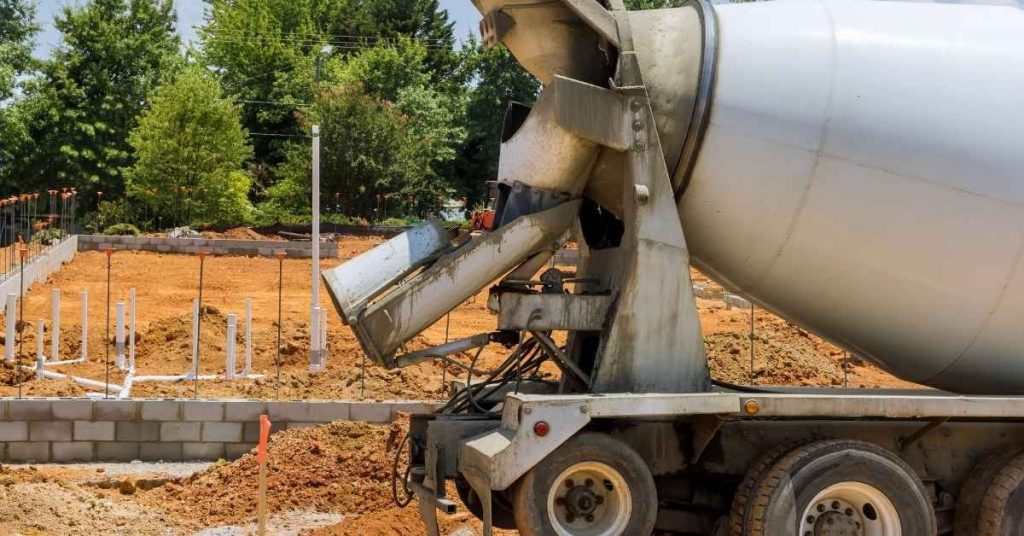
Concrete mixer truck pouring foundation at construction site

Concrete on Expansive Soils: Subbase Choices That Reduce Seasonal Heave

Introduction A subbase is the layer beneath a concrete pavement that provides support and a leveled, dry foundation. It helps distribute loads, control settlement, and keep the surface from shifting as soils move. For expansive soils, choosing the right subbase means considering drainage, compaction, and how moisture affects soil volume. Think of subbase choices as

Concrete on Expansive Soils: Subbase Choices That Reduce Seasonal Heave Read More »