Concrete

Concrete is where I keep my step-by-step guides for planning, pouring, and finishing concrete projects.

Topics include base prep, forms, reinforcement, thickness, mixing and placing, finishing, curing, sealing, and long-term durability. I also cover troubleshooting—what to do when concrete cracks, scales, dusts, or cures unevenly.

If you’re new to concrete, start with the planning and prep articles. They prevent most of the expensive mistakes.

Two workers pouring concrete into wooden formwork outdoors

Pouring Concrete in Two Lifts: Cold Joint Risks and How to Make the Interface Strong

Introduction Pouring concrete in two lifts means placing concrete in one lift, pausing, and then adding a second lift later, which creates a joint between pours. That joint, or cold joint, can be weaker if the surfaces don’t bond well or if the second pour doesn’t integrate with the first. Understanding how this joint forms […]

Pouring Concrete in Two Lifts: Cold Joint Risks and How to Make the Interface Strong Read More »
Empty wheelbarrow resting on concrete surface

Concrete Near Downspouts: Slopes, Splash Blocks, and How to Stop Undermining

Introduction Concrete near downspouts needs proper slope and splash protection to prevent water from undermining the footing. Gutters and splash blocks channel roof runoff away from the foundation and concrete edge. This article explains what splash blocks are, why they matter, and how to position them so water moves away from the wall. Choosing a

Concrete Near Downspouts: Slopes, Splash Blocks, and How to Stop Undermining Read More »

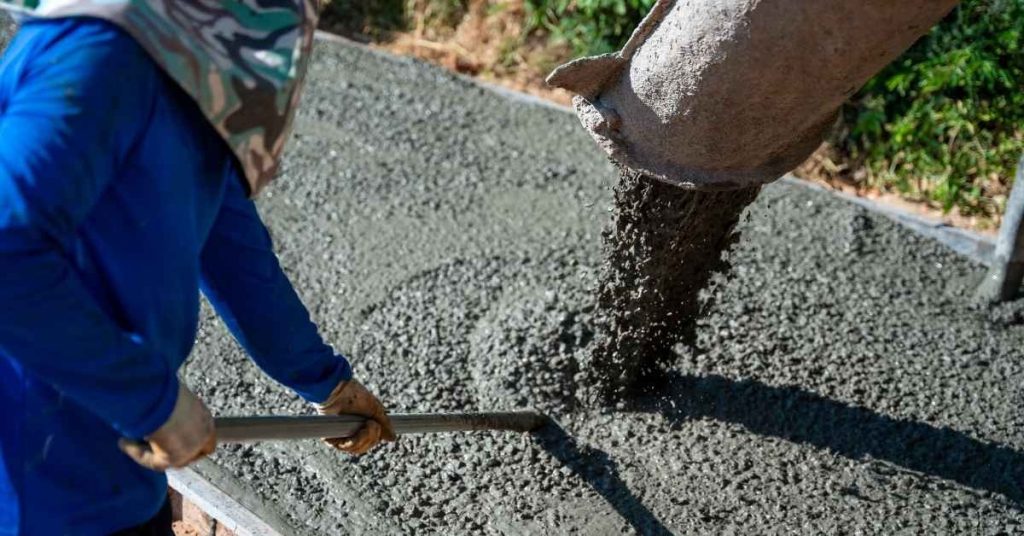
Worker pouring concrete into outdoor slab frame

Concrete on Fill Dirt: Settlement Risk Tests You Can Do With a Post Hole

Introduction Settlement tests for concrete on fill dirt help you assess how a post hole may settle after the concrete cures. Using a simple post hole, you can observe movement and identify if extra reinforcement or different fill is needed. These checks keep the project honest and give you practical results you can act on.

Concrete on Fill Dirt: Settlement Risk Tests You Can Do With a Post Hole Read More »

Worker pouring concrete over steel rebar reinforcement grid

Working Concrete Around Reinforcement: How to Place Without Creating Voids Under Rebar

Introduction Properly placing and supporting rebar before pouring concrete prevents voids. This is the core idea behind working concrete around reinforcement. Keeping the bar(s) elevated and centered helps the concrete bond and carry load. Use appropriate spacers or chairs to hold rebar at the right height and position. Make sure the bars are clean, tied

Working Concrete Around Reinforcement: How to Place Without Creating Voids Under Rebar Read More »

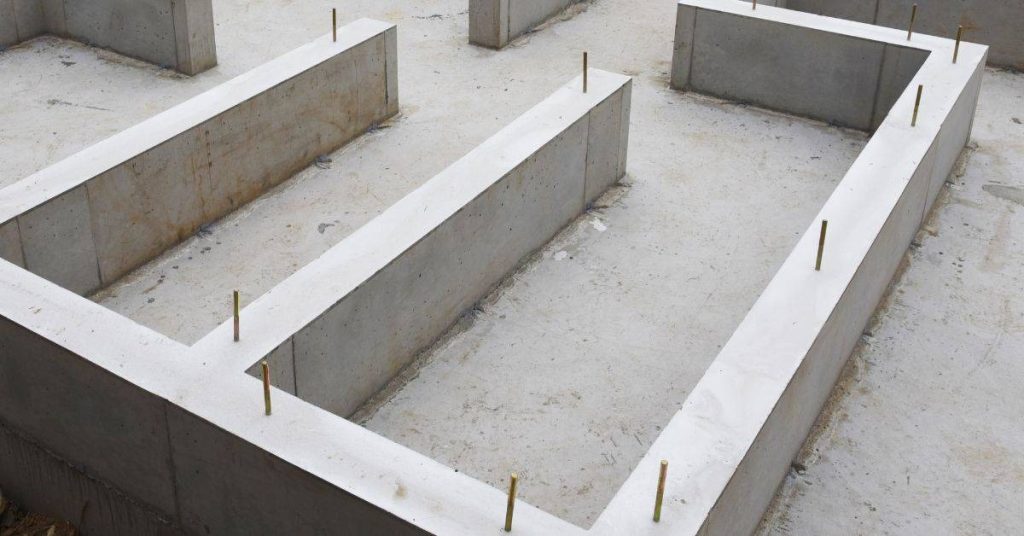
concrete foundation forms with embedded rods on construction site

Making a Simple Concrete Strike-Off for Small Forms: Straightness Checks and Setup Tips

Introduction A concrete strike-off is a simple flat guide used to level fresh concrete so the top surface stays true across small forms. It helps you check straightness and control the final height with the form you are using. Keep the setup clean and checked for levelness as you pour. You will need a straight

Making a Simple Concrete Strike-Off for Small Forms: Straightness Checks and Setup Tips Read More »

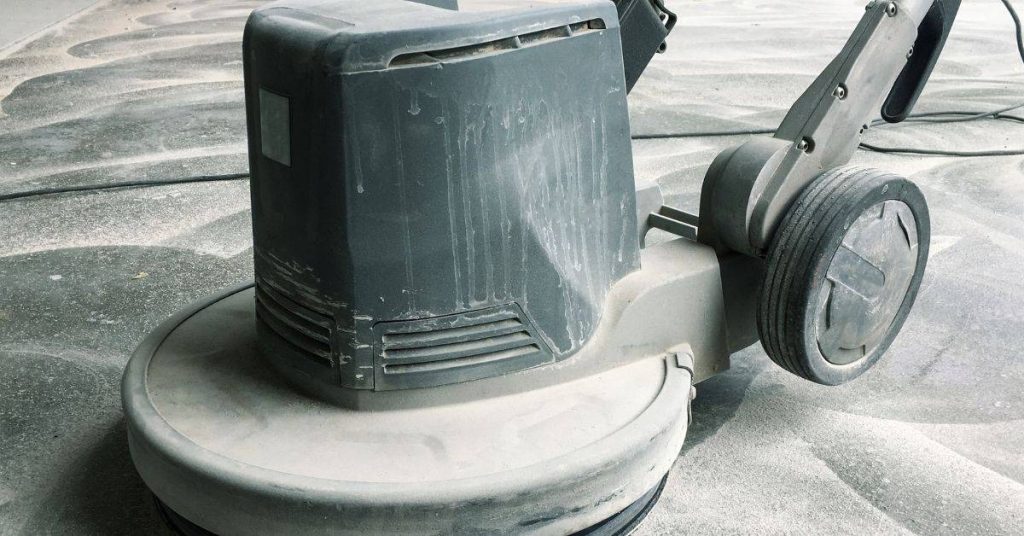
Concrete floor grinding machine on concrete surface

Concrete Trowel Blade Burnishing: When It Makes a Floor Stronger and When It Creates Dark Swirls

Introduction Concrete trowel blade burnishing is the act of using a trowel blade on a fresh slab to seal the surface and tighten the paste, which can harden the floor but may leave dark swirl marks if done too aggressively. In practice, it can give a slick finish and extra density when conditions are right,

Concrete Trowel Blade Burnishing: When It Makes a Floor Stronger and When It Creates Dark Swirls Read More »

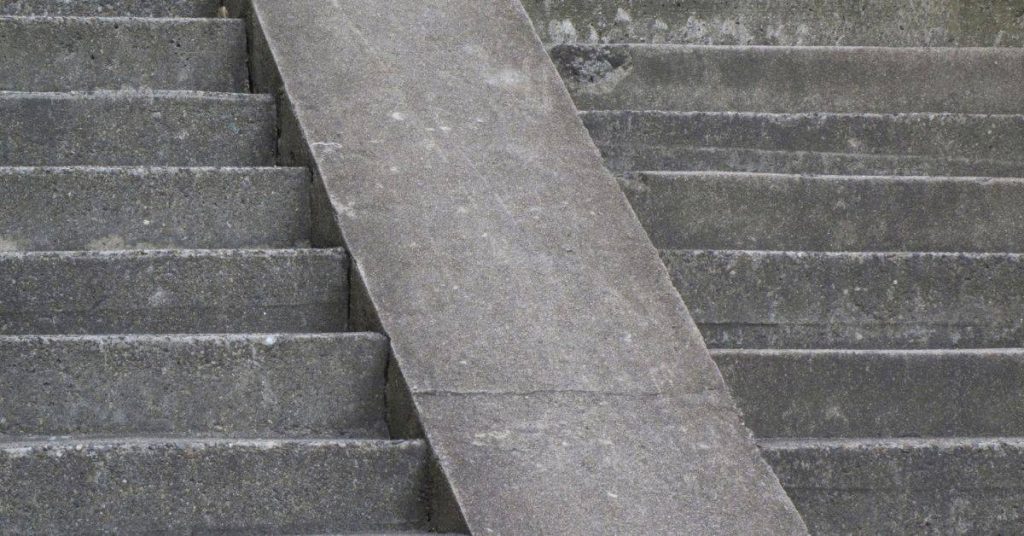
Concrete stairs with a smooth concrete ramp in the middle

Finishing Concrete Along Stairs and Steps: Clean Risers, Tight Corners, and No Ragged Edges

Introduction Finishing concrete along stairs and steps means smoothing and shaping risers and treads to remove ridges and achieve clean, even faces. This work uses hand tools and careful edging to keep joints tight and consistent along each stair edge. The goal is a safe, neat look that lasts without ragged edges. Start by outlining

Finishing Concrete Along Stairs and Steps: Clean Risers, Tight Corners, and No Ragged Edges Read More »

Cordless drill next to scattered box of screws on wood surface

How to Make Temporary Wet Screed Rails: Pipe, Wood, and Why Some Methods Leave Weak Lines

Introduction Temporary wet screed rails are temporary guides used to shape a wet concrete screed with straight edges. They can be made from pipes or boards that are set level and supported to leave clean, even lines. This intro covers how to choose materials and set up without leaving weak spots. What you do next

How to Make Temporary Wet Screed Rails: Pipe, Wood, and Why Some Methods Leave Weak Lines Read More »

Concrete formwork with rebar and metal anchors in soil

Setting Wedge Anchors in Weak Concrete: When They Spin and Better Options

Introduction Wedge anchors spin in weak concrete when the anchor’s wedging action can’t grab solid material. That spinning often means the fastener won’t hold the load you expect. In practice, it’s a sign the substrate or hole preparation isn’t up to the task. If they spin, stop and check that the hole size and depth

Setting Wedge Anchors in Weak Concrete: When They Spin and Better Options Read More »

Above ground pool with ladder in backyard

Concrete on Frost-Heave-Prone Ground: DIY Drainage Fixes Before You Pour

Introduction Concrete on frost-prone ground needs drainage and subgrade prep to resist heave. In plain terms, moisture and freezing soil can push concrete upward if the ground isn’t managed. Check your local rules and follow manufacturer guidance for soil prep and drainage when planning a pour. A proper base and a simple drainage path help

Concrete on Frost-Heave-Prone Ground: DIY Drainage Fixes Before You Pour Read More »