Concrete

Concrete is where I keep my step-by-step guides for planning, pouring, and finishing concrete projects.

Topics include base prep, forms, reinforcement, thickness, mixing and placing, finishing, curing, sealing, and long-term durability. I also cover troubleshooting—what to do when concrete cracks, scales, dusts, or cures unevenly.

If you’re new to concrete, start with the planning and prep articles. They prevent most of the expensive mistakes.

Wood framing and studs in residential construction interior

Honeycombing in small walls: fixable vs structural and when to call an engineer

Introduction Honeycombing in concrete is gaps or voids that appear where the material didn’t fill around the forms or reinforcement. It often shows up as rough pockets in small walls and can be caused by improper compaction, bad mix proportions, or formwork issues. The big concern is how it affects strength and durability, especially in […]

Honeycombing in small walls: fixable vs structural and when to call an engineer Read More »
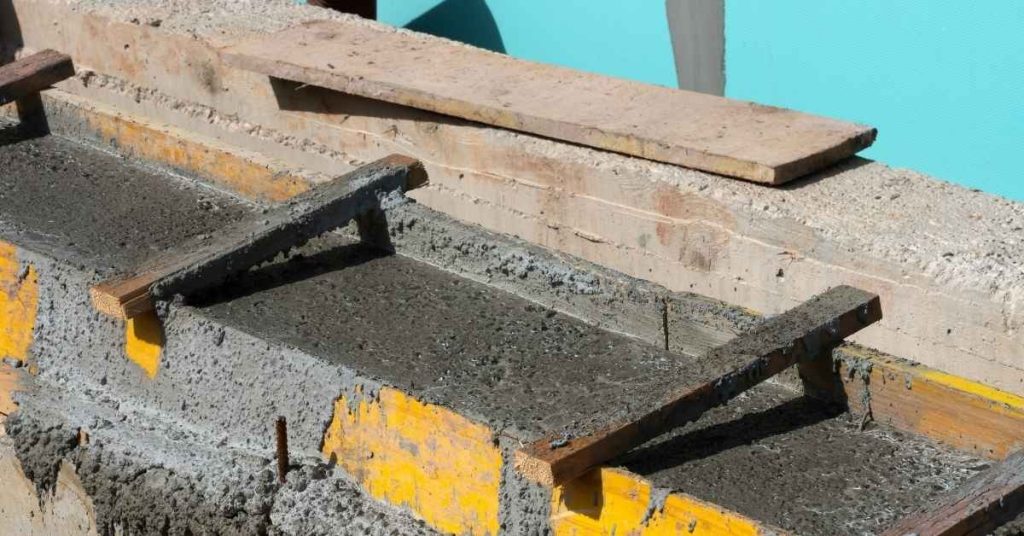
Fresh concrete poured into wooden formwork sections

Rock pockets on formed faces: prevention during pour and durable cosmetic repairs

Introduction Rock pockets on formed faces are voids left behind when concrete doesn’t fully fill the form, showing up as visible dimples or craters. Prevention starts at form setup, proper vibration, and keeping the form clean so the pour fills evenly. Check for tight joints, correct slump, and adequate consolidation during the pour. For durable

Rock pockets on formed faces: prevention during pour and durable cosmetic repairs Read More »

Snow-covered precast concrete beams stacked outdoors

Clean Concrete Door Threshold Curbs: Isolation Joints and Waterproof Transition Details

Introduction A clean concrete door threshold curb is a raised, sealed transition at a doorway that isolates joints and redirects water. For installation, choose a waterproofing membrane that can bridge the joint between curb and slab, and follow the manufacturer’s surface prep and cure guidance. Architectural details matter—use proper edging, transitions, and compatible sealants, and

Clean Concrete Door Threshold Curbs: Isolation Joints and Waterproof Transition Details Read More »

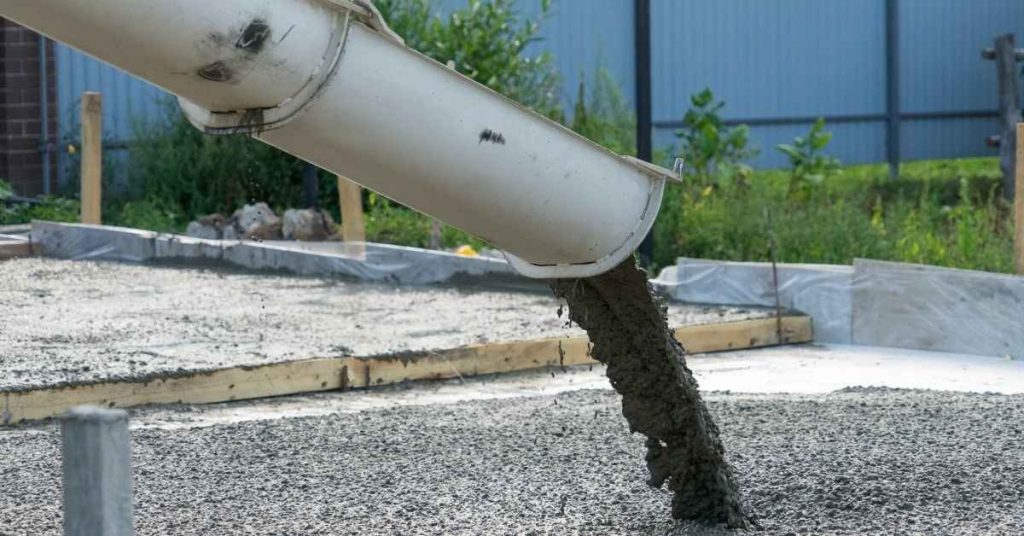
Concrete pouring from chute onto prepared slab foundation

Concrete Conduit Stubs: Sleeves, Depth, and Keeping Everything Plumb During the Pour

Introduction Concrete conduit stubs are short sections of conduit that extend into a slab or wall through sleeves to keep electrical wiring protected and aligned. Sleeves guide the conduit through the concrete and help maintain a clean finish. This introduction covers how to plan for burial, sleeves, and keeping things plumb as you pour. When

Concrete Conduit Stubs: Sleeves, Depth, and Keeping Everything Plumb During the Pour Read More »

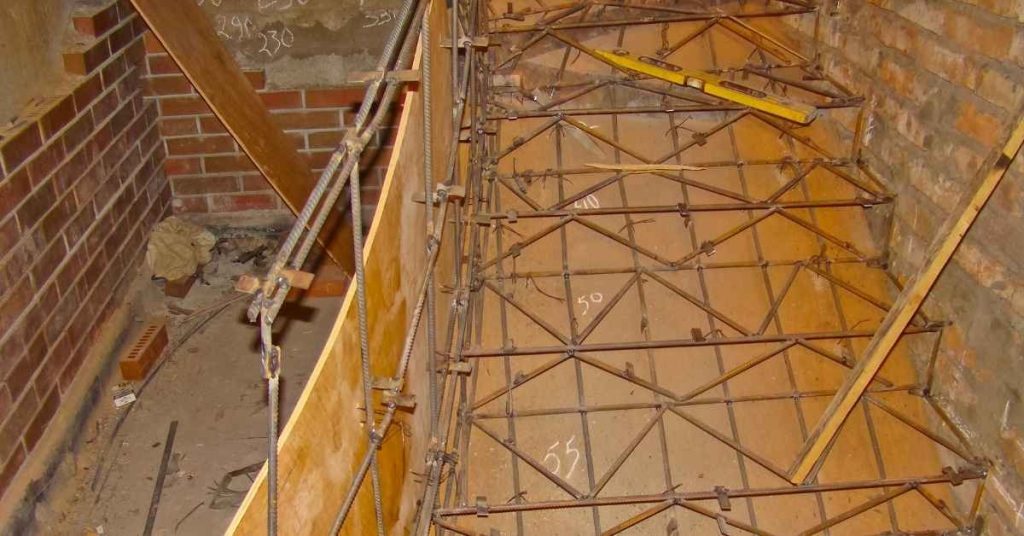
Steel rebar framework assembled inside wooden concrete formwork

Rebar Cover in Concrete for Small Pours: Chairs, Spacers, and Keeping Steel Centered

Introduction Rebar cover in concrete for small pours means placing steel reinforcing bars with a protective concrete layer to prevent moisture and corrosion. Work safely by understanding basic rebar handling, clean space, and proper cutting and tying practices. Always check local rules and manufacturer instructions for any required clearances or protection. Chairs and spacers are

Rebar Cover in Concrete for Small Pours: Chairs, Spacers, and Keeping Steel Centered Read More »

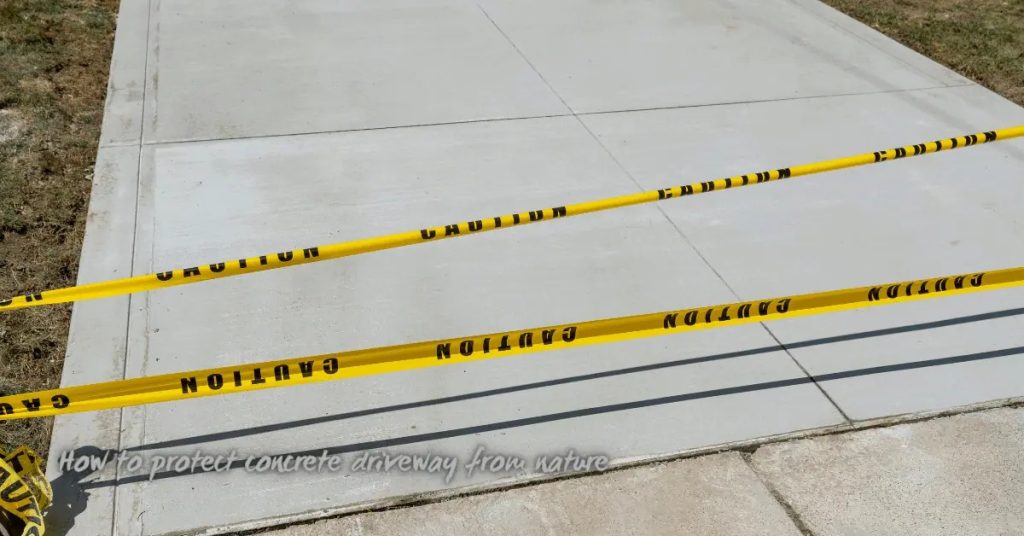
Concrete driveway section blocked by yellow caution tape

Concrete Vapor Barrier Seams and Penetrations: Tape, Patches, and “Oops” Fixes

Introduction A concrete vapor barrier seam is the joined, airtight edge where barrier material meets itself or a patch. Tape and patches are used to seal these seams, and proper technique means clean surfaces, careful pressure, and following the material’s instructions. Penetrations like pipes or conduits must be sealed carefully at the edge where they

Concrete Vapor Barrier Seams and Penetrations: Tape, Patches, and “Oops” Fixes Read More »

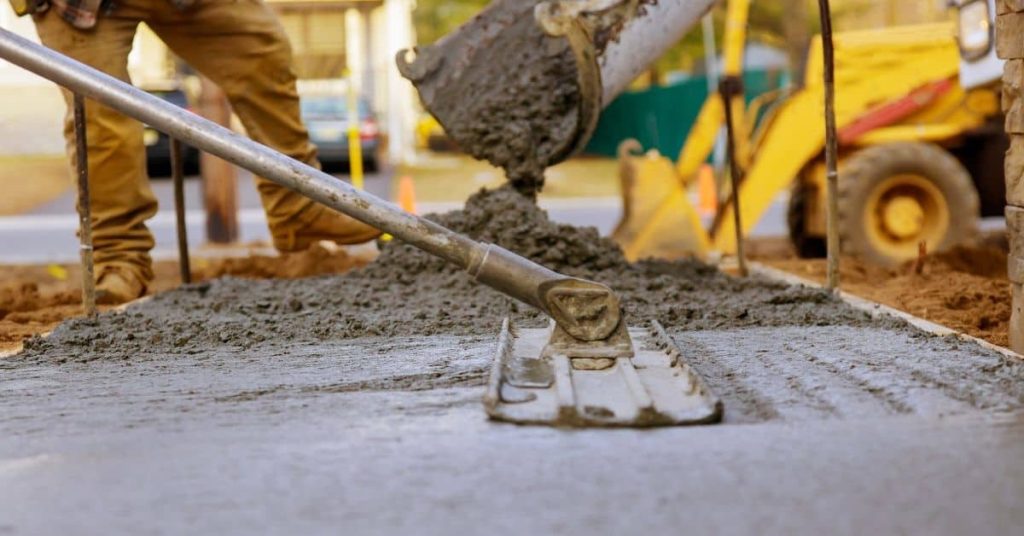
Worker leveling wet concrete with screed tool

DIY Compaction Checks Before Concrete: Moisture, Pass Counts, and Simple Field Tests

Introduction Compaction checks before pouring concrete means testing how tightly the soil is packed and how wet it is to see if it’s ready for formwork. Getting this right helps prevent settling, cracks, and uneven slabs. In this article, we’ll cover moisture checks, visible pass counts, and quick field tests you can do on site.

DIY Compaction Checks Before Concrete: Moisture, Pass Counts, and Simple Field Tests Read More »

Freshly poured smooth wet concrete slab inside a building

Concrete Slab Curling on Small Pours: How to Measure It and Prevent the Next One

Introduction Curling is when a concrete slab lifts in the middle as it cures. Causes include moisture differences, improper edge drying, and uneven shrinkage during curing. On small pours, wind and heat shifts can worsen the effect. To measure curling, check for a ridge or gap at the edges by placing a straightedge across the

Concrete Slab Curling on Small Pours: How to Measure It and Prevent the Next One Read More »

Concrete beam skeleton frame under clear blue sky

Stopping Leaks at Concrete Cold Joints: Injection Options and Negative-Side Coatings

Introduction A concrete cold joint is a seam that forms when pours stop and then resume, creating a potential weak point where water can seep through. Leaks at these joints happen when the joint isn’t bonded or sealed well enough, especially under pressure or through capillary paths. For a DIY approach, this article covers practical

Stopping Leaks at Concrete Cold Joints: Injection Options and Negative-Side Coatings Read More »