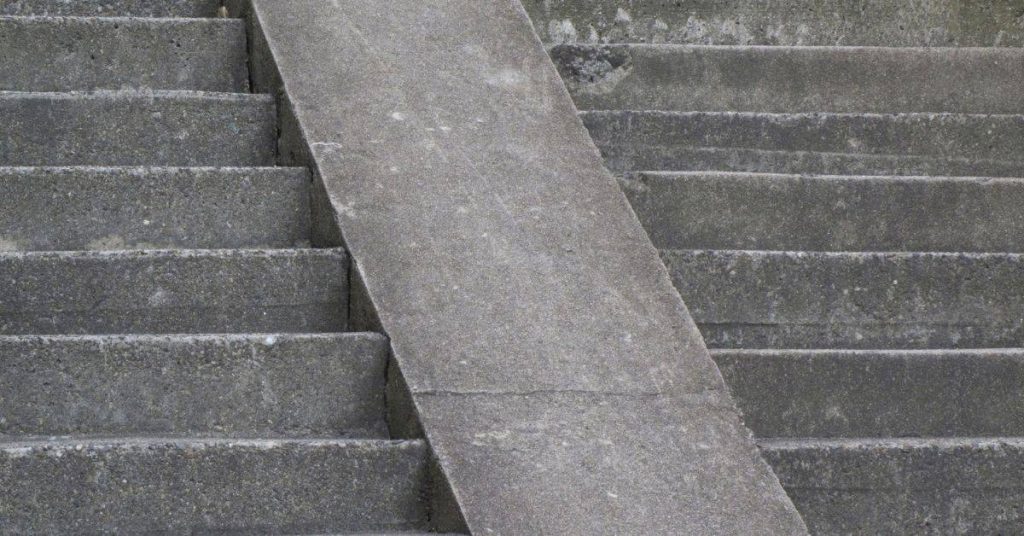
Concrete stairs with a smooth ramp in the middle

Concrete Scaling in Winter: Why the surface flakes and how to stop it

Introduction Concrete scaling in winter is when the top layer peels or flakes off because cold weather, moisture, and repeated freezing push water in and out. Cold temperatures slow curing and make water move through the surface, so you see scaling more on sidewalks, driveways, and slabs that get wet. Watch for slick, rough patches […]

Concrete Scaling in Winter: Why the surface flakes and how to stop it Read More »
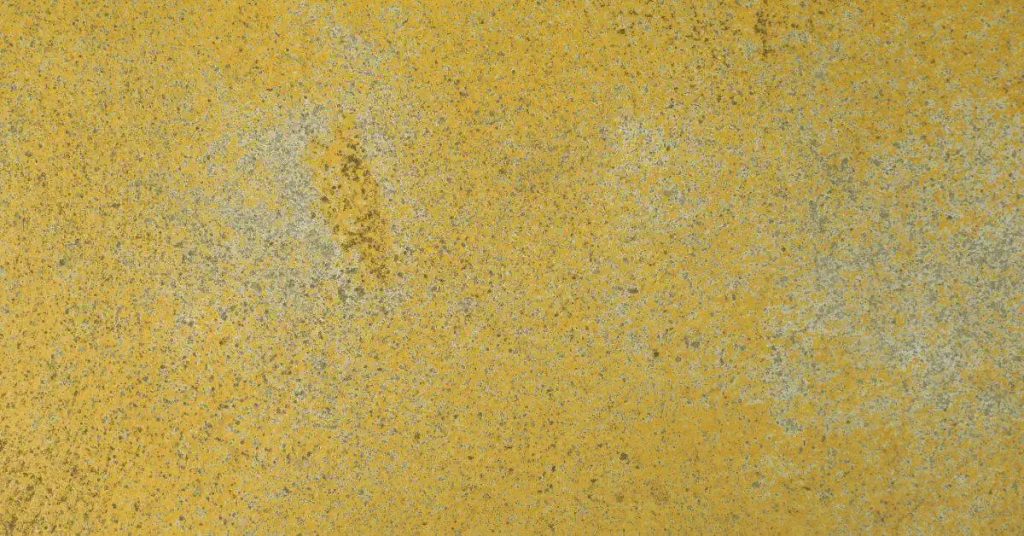
yellow stained concrete surface with varying texture

Concrete Surface Delamination: Causes, diagnosis, and repair that lasts

Introduction Delamination is the surface layer of concrete peeling or separating from the underlying concrete, creating a patchy, hollow feel. It often shows up as a dull patch that may flake or sound hollow when tapped. Lightly tapping suspect areas can help you spot where the top lift isn’t bonded well. To diagnose, look for

Concrete Surface Delamination: Causes, diagnosis, and repair that lasts Read More »

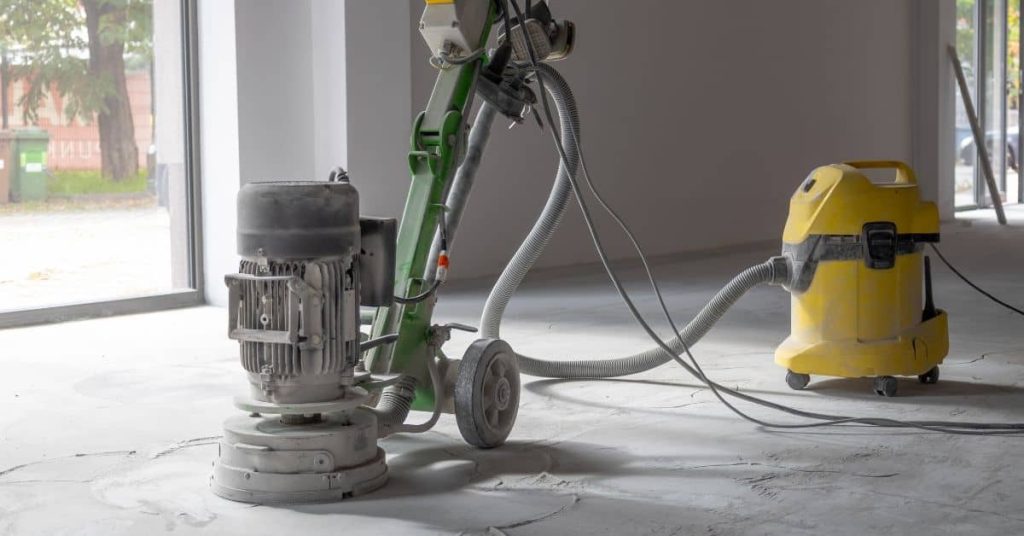
Concrete floor grinder connected to yellow vacuum cleaner

Bugholes on Formed Concrete: Vibration, release agents, and mix tweaks that help

Introduction Bugholes on formed concrete are small air cavities that mar the surface after form removal. They happen from trapped air, sticky release agents, or improper vibration. In DIY work, you can reduce them by adjusting how you vibrate, how you release the form, and how you mix your concrete. Use the right vibration technique

Bugholes on Formed Concrete: Vibration, release agents, and mix tweaks that help Read More »

Concrete outdoor table with matching square stools and plants

Broadcast Sand on Concrete: When it helps traction and when it makes a mess

Introduction Broadcasting sand on concrete is the practice of spreading loose sand across a surface to improve traction. It can help when the surface is slick, but it can also track into the house and create a mess if overdone. Best times to broadcast sand are when the surface is dry and conditions won’t quickly

Broadcast Sand on Concrete: When it helps traction and when it makes a mess Read More »

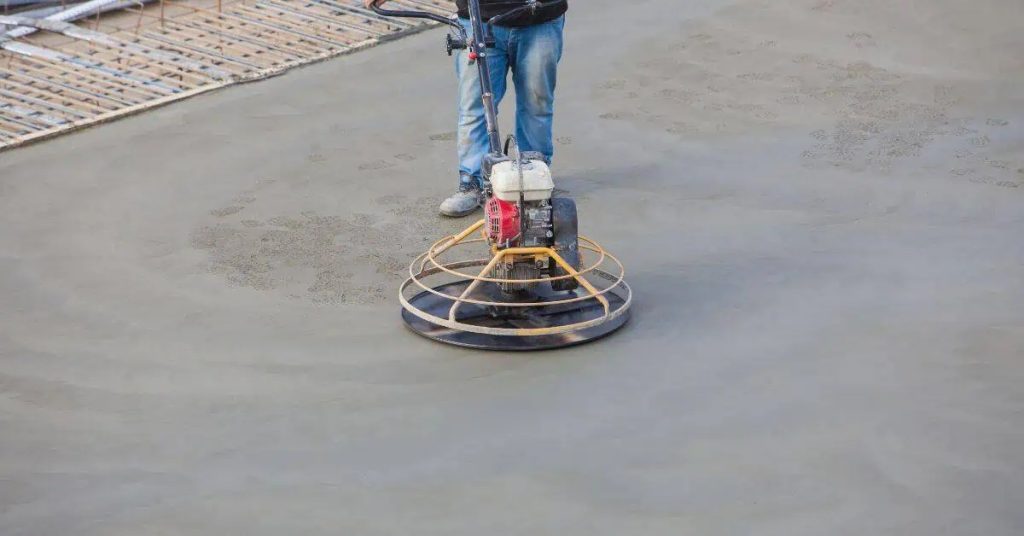
Worker using power trowel to smooth fresh concrete slab

Concrete Finishing Timing: When to start floating and when to stop troweling

Introduction Floating and troweling are concrete finishing steps that shape and smooth the surface. You start floating after the concrete begins to stiffen and can hold its edge, then you move to troweling to achieve a smooth, even finish. Stop troweling when the surface looks uniform and has the desired sheen, without overworking it. Always

Concrete Finishing Timing: When to start floating and when to stop troweling Read More »

Blue paint roller over open paint can

How Long Concrete Takes to Cure: Real timing for sealing, painting, and loads

Introduction Curing is the period when fresh concrete hardens and gains strength as it dries. For DIY projects, you can start light use only after it has set enough to bear light foot traffic. Temperature and moisture drive this process, and the method you use to cure will affect the outcome. Full curing takes time

How Long Concrete Takes to Cure: Real timing for sealing, painting, and loads Read More »