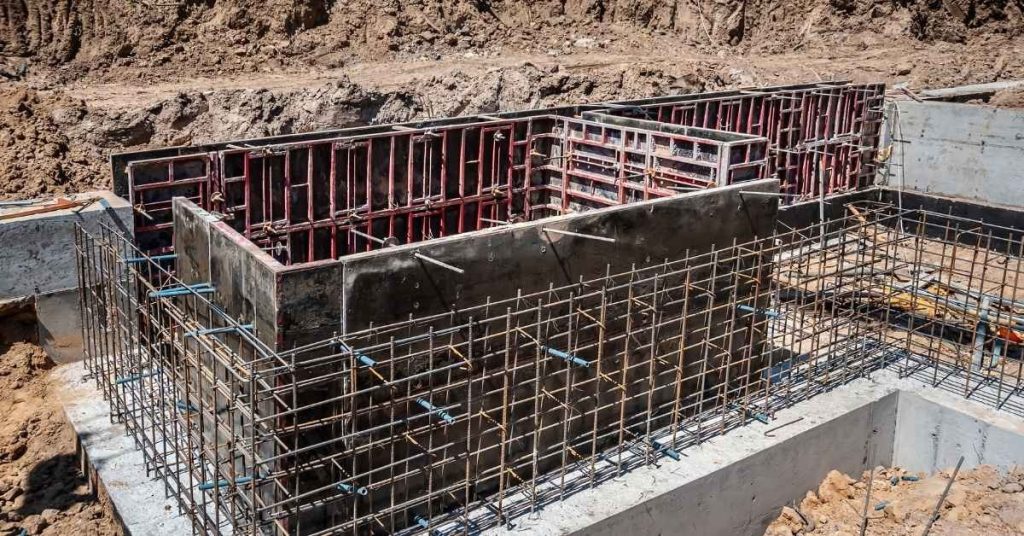
Concrete formwork with exposed rebar at construction site

Concrete Density Checks for DIY Mixes: Bucket Method, Yield, and Spotting a Bad Batch

Introduction Concrete density checks are simple tests that help you verify that your mix has the right solids-to-water balance. The bucket method uses measured volumes of fresh concrete to estimate yield and consistency, then you compare it to what you expect from your mix. If the results seem off, check the label and follow manufacturer […]

Concrete Density Checks for DIY Mixes: Bucket Method, Yield, and Spotting a Bad Batch Read More »
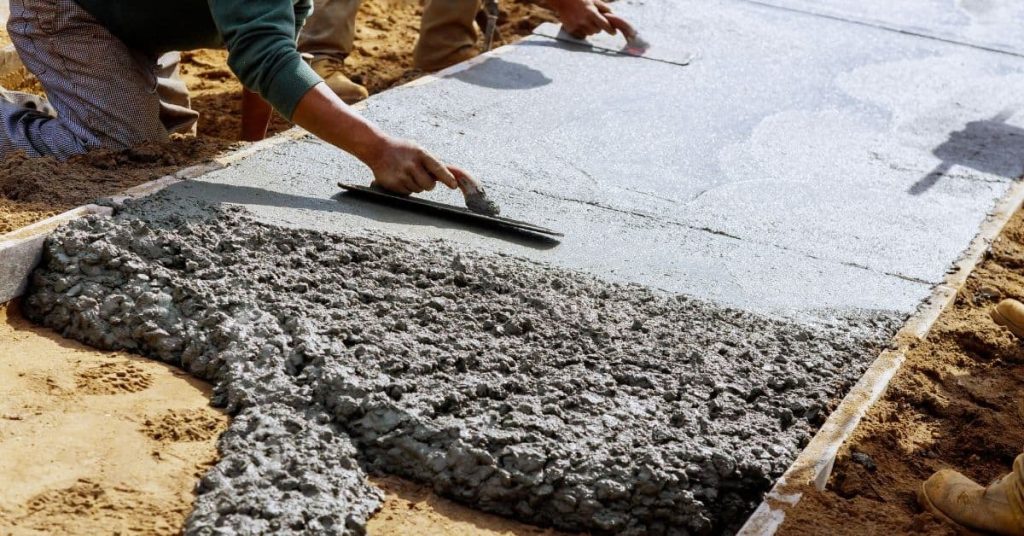
Hands smoothing wet concrete with trowels on a slab

Hot Water vs Warm Aggregates: The Better Way to Control Set Time in Cold Weather

Introduction Warm water or heated aggregates are practical options to influence how quickly concrete sets in cold weather. In chilly conditions, using warmer inputs helps the mix cure more reliably and can shorten the time to workable strength. Always check product labels and local rules to confirm what is allowed and what ranges are appropriate

Hot Water vs Warm Aggregates: The Better Way to Control Set Time in Cold Weather Read More »

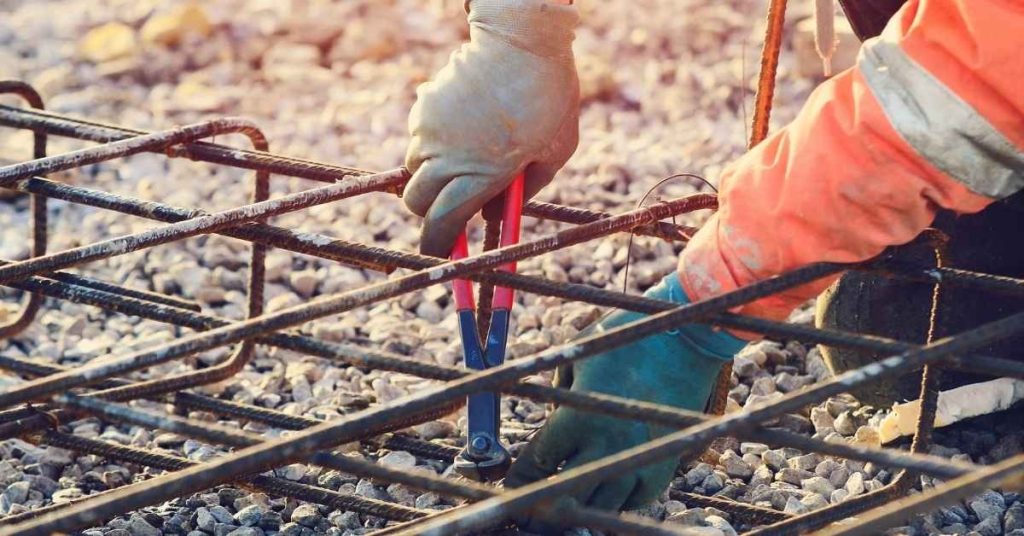
Hands tying rebar with pliers over gravel base

Carbonation Depth Mapping Across a Slab: Why One Test Spot Isn’t Enough

Introduction Carbonation depth mapping across a slab is the practice of measuring how far carbonation has penetrated the concrete across different spots. This helps you see where the concrete is more or less exposed to carbonation, not just at one point. In plain terms, you’re looking for variations rather than a single number. Why one

Carbonation Depth Mapping Across a Slab: Why One Test Spot Isn’t Enough Read More »

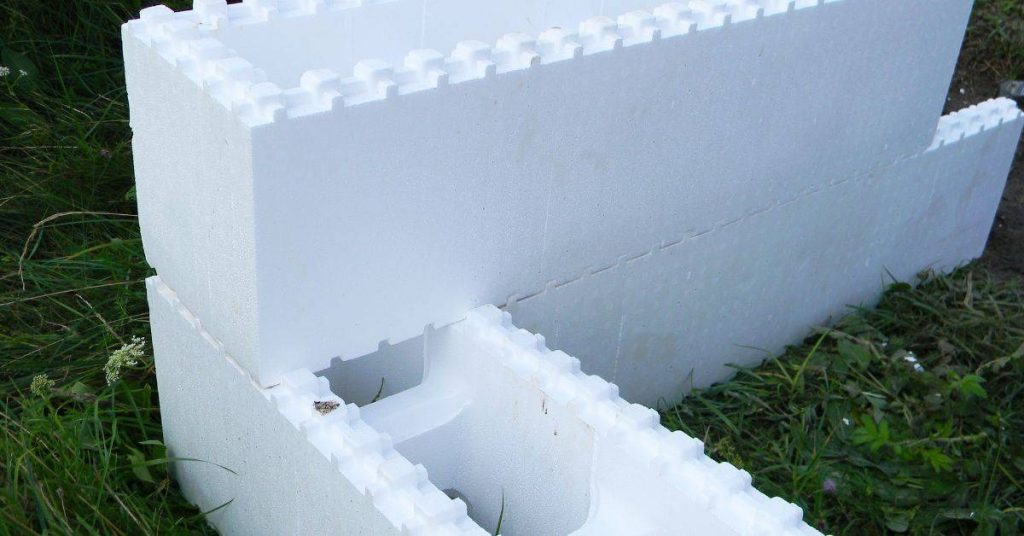
White insulated concrete forms stacked on grass outdoors

Measuring Concrete Cover in the Field: Why “Close Enough” Causes Long-Term Spalls

Introduction Measuring concrete cover accurately means checking how far the rebar or embedded metal sits from the surface, instead of guessing and hoping it’s close enough. In practice, small errors in this measurement can lead to long-term problems like spalling or cracking under load and weather. For DIY work, treat cover as a real detail

Measuring Concrete Cover in the Field: Why “Close Enough” Causes Long-Term Spalls Read More »

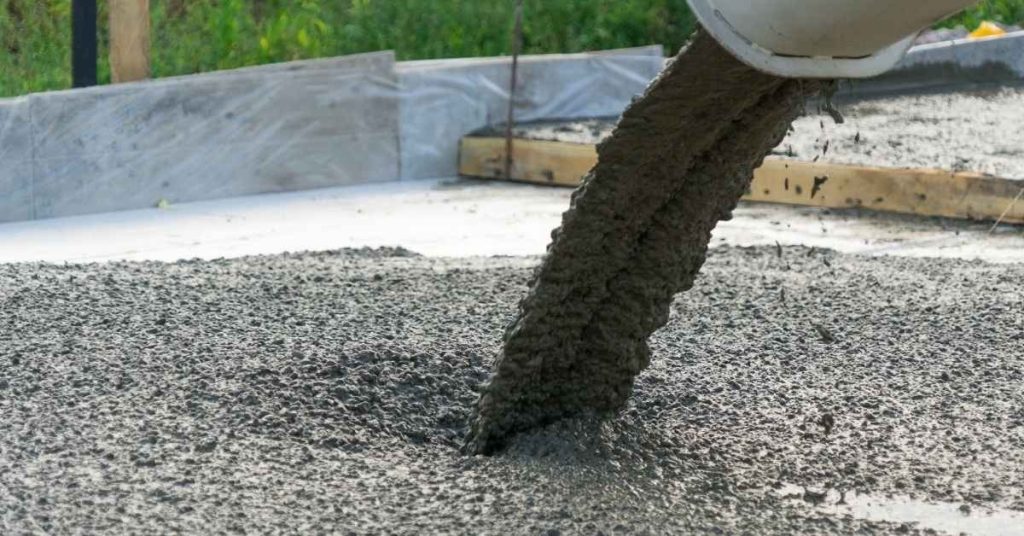
Fresh concrete pouring onto a slab outdoors

Concrete Alkali-Silica Reaction (ASR) Spot Checks: Symptoms That Mimic Other Failures

Introduction ASR is a chemical reaction in concrete between alkalis and reactive silica in aggregates that can lead to slow expansion and cracking. In the field, it can look like cracking, blistering, or powdery patches that mimic other problems. Understanding these symptoms helps you tell whether you might be dealing with ASR or something else.

Concrete Alkali-Silica Reaction (ASR) Spot Checks: Symptoms That Mimic Other Failures Read More »

Front exterior of a brick house with windows and green shrubs

Salt Scaling Risk Test for Exterior Slabs: Simple Field Clues Before Winter Hits

Introduction Salt scaling risk on exterior slabs is the tendency for surface flaking and crumbling when moisture is drawn into the top layer and then freezes. This simple field check helps you spot potential damage before winter hits. If you see rough patches or powdery material forming, that can signal trouble. Signs to watch in

Salt Scaling Risk Test for Exterior Slabs: Simple Field Clues Before Winter Hits Read More »

Empty white plastered room with concrete floor and doorway

Diagnosing Honeycombing in Formed Walls: Severity Grading and Repair Thresholds

Introduction Honeycombing in formed walls is a condition where voids and rough cement gaps appear on the surface, signaling poor compaction and near-surface voids. For DIY homeowners, identify it by a spongy or crumbling feel, visible voids, and a rough, uneven finish. Addressing it depends on how widespread it is and whether the inner steel

Diagnosing Honeycombing in Formed Walls: Severity Grading and Repair Thresholds Read More »

paint brush lying on concrete floor partially painted red tiles

Concrete Surface Contamination Tests: Oil, Silicone, Curing Compound, and Why Water Bead Tests Mislead

Introduction Concrete surface contamination tests tell you whether a surface is clean enough for bonding by revealing any residual oils, silicones, or waxes. For epoxy or other adhesives, you must verify cleanliness requirements with the product label and local rules, because expectations vary. If unsure, follow a basic check: a dry, dust-free feel and a

Concrete Surface Contamination Tests: Oil, Silicone, Curing Compound, and Why Water Bead Tests Mislead Read More »

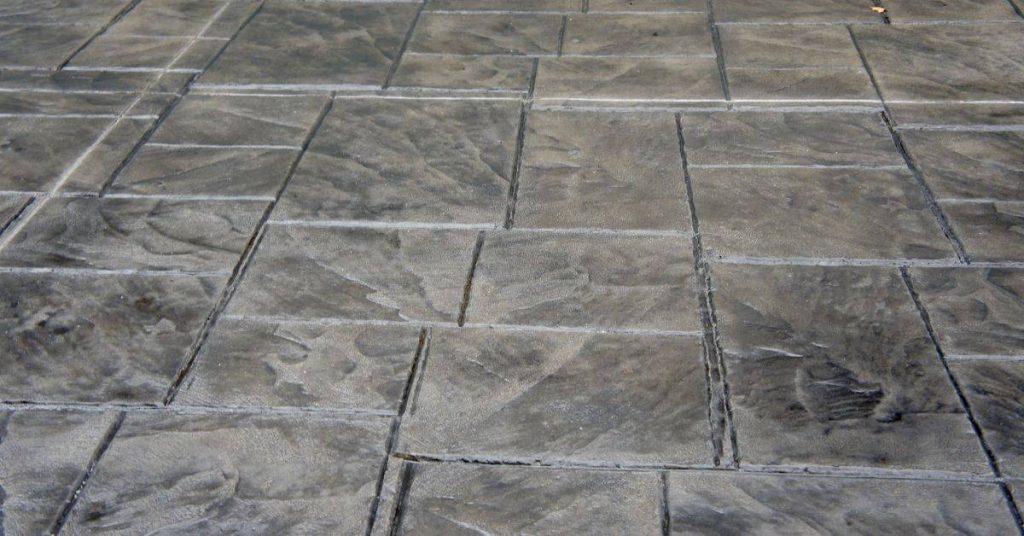
Stamped concrete patio surface with rectangular patterns

Dye Penetrant for Hairline Cracks in Concrete: Finding What You Can’t See

Introduction Dye penetrant testing is a simple non-destructive method to reveal hairline cracks in concrete that you can’t see with the naked eye. This article explains what it is, how it works at a DIY level, and what you can safely check yourself. You’ll get a plain, hands-on look at when to consider this method

Dye Penetrant for Hairline Cracks in Concrete: Finding What You Can’t See Read More »