Close-up of modern glass curtain wall on building exterior

Glass Fiber Dosing Math for GFRC: Converting Manufacturer Specs Into Real Batch Weights

Introduction Glass fiber dosing math for GFRC is converting manufacturer fiber dosage specs into concrete batch weights. Keep it practical by translating those specs into the actual amounts you mix on site. Tailor the math to your batch size and keep logs of what you add. Getting the fiber dosage right affects how strong and […]

Glass Fiber Dosing Math for GFRC: Converting Manufacturer Specs Into Real Batch Weights Read More »
Close-up of fibrous gray insulation material texture

Perlite and Vermiculite Concretes: Lightweight Fills, Insulation Value, and Crush Limits

Introduction Perlite and vermiculite concretes are lightweight mixes made with expanded mineral fillers that increase porosity in cement. They can help reduce weight and add some insulation value for fills, beds, or non-structural applications. Check the product label for how they’re intended to be used and what the mix recommends for your project. In DIY

Perlite and Vermiculite Concretes: Lightweight Fills, Insulation Value, and Crush Limits Read More »

Outdoor metal water faucet dripping water drops

Integral Waterproofing Powders vs Liquid Admixtures: What Changes in the Mix Water

Introduction Integral waterproofing powders are dry admixtures added to the concrete mix to bond with cement and block water paths. Liquid admixtures, on the other hand, are poured or stirred in with the water to change how the mix behaves and how water moves through the concrete. In short, powders stay in the cement matrix

Integral Waterproofing Powders vs Liquid Admixtures: What Changes in the Mix Water Read More »

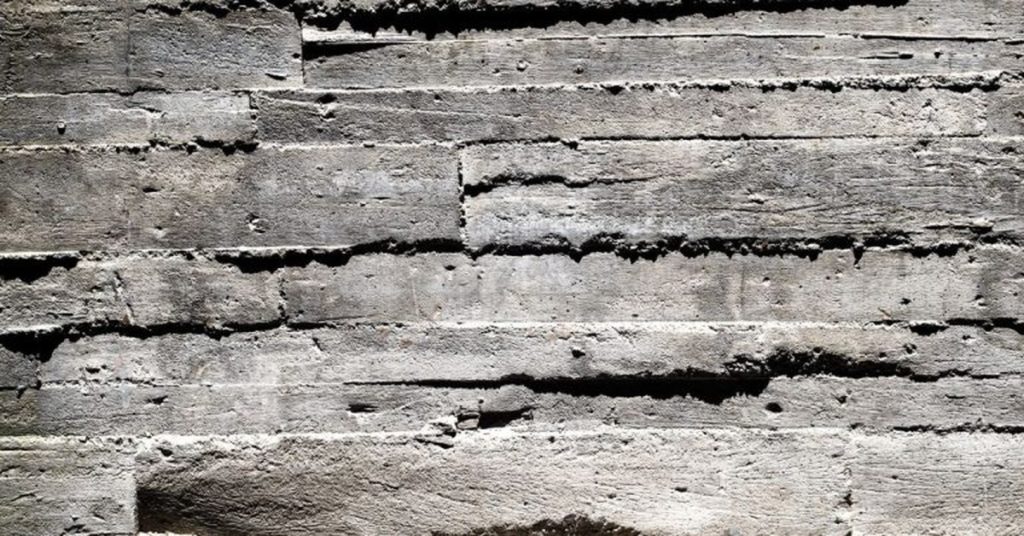
Close-up of rough concrete wall with wood formboard texture

Hydrated Lime in Concrete Mixes: Workability, Finish, and Strength Effects

Introduction Hydrated lime is a dry powder added to concrete to adjust texture and binding. In DIY mixes, it can improve workability and long-term texture, but it also changes setting behavior. Check the product label and local guidelines before use. It can influence finish quality and how smoothly you can trowel or pour. Lime affects

Hydrated Lime in Concrete Mixes: Workability, Finish, and Strength Effects Read More »

Worker spraying cement plaster on interior wall

Aluminate Cement Systems: Compatibility Traps With Portland Cement Repairs

Introduction Aluminate cement systems can clash with Portland cement repairs because their chemistries and hydration behave differently. That mismatch can affect bonding, crack resistance, and how the repair ages in real-world use. In practical terms, you want to know if the two systems will stick together over time and cope with the environment around your

Aluminate Cement Systems: Compatibility Traps With Portland Cement Repairs Read More »

Cracked white mortar on red brick wall in sunlight

Latex (SBR) Modifiers in Repair Mortars: Strength Gains vs Breathability Losses

Introduction Latex (SBR) modifiers are synthetic rubber additives used in repair mortars to improve flexibility and adhesion. They help the mortar resist cracking as concrete moves, but they can reduce breathability if overused. Always check the product label and manufacturer instructions for recommended usage and cure expectations. In textile-reinforced mortars (TRMs), SBR modifiers can boost

Latex (SBR) Modifiers in Repair Mortars: Strength Gains vs Breathability Losses Read More »

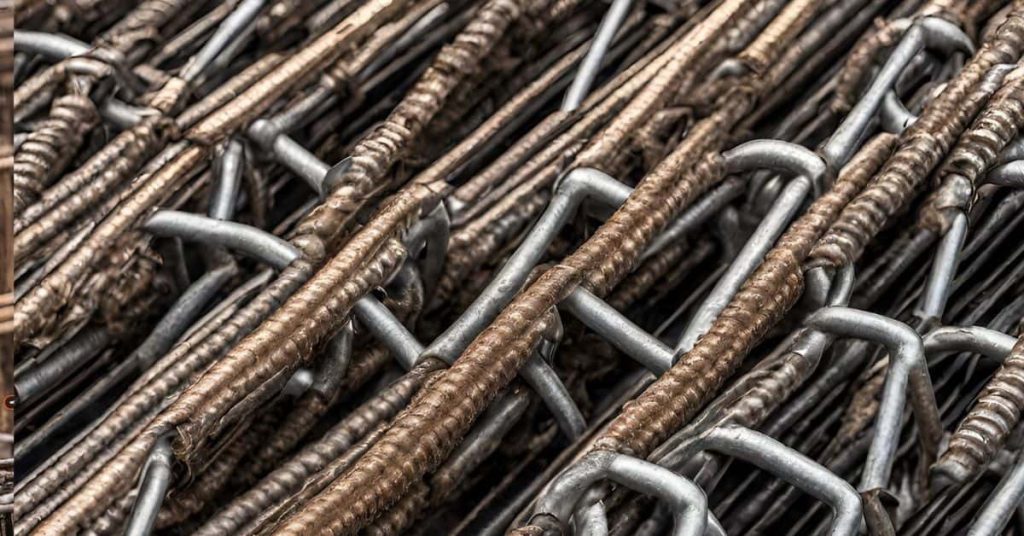
Close-up of rusted steel rebar with metal ties

Steel Microfibers in Overlays: When They Outperform Rebar Mesh

Introduction Steel microfibers in overlays are tiny reinforcement fibers mixed into concrete to control cracking and improve durability, often replacing some needs for traditional rebar mesh. They disperse with the mix and can reduce crack widths, making overlays tougher for DIY projects. For a DIY job, compare them to rebar mesh in terms of installation

Steel Microfibers in Overlays: When They Outperform Rebar Mesh Read More »

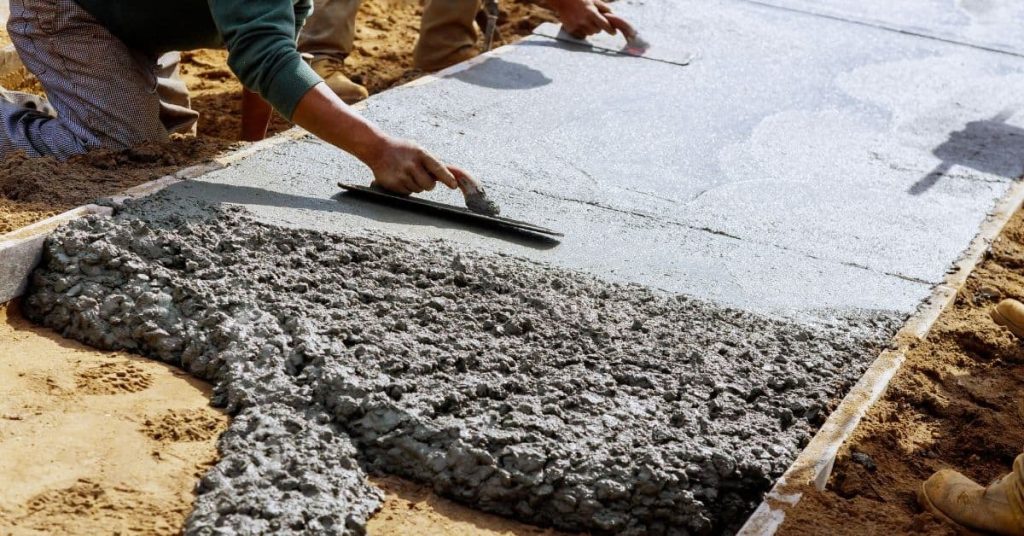
Hands smoothing wet concrete with trowels on a slab

Basalt Fibers vs Polypropylene Fibers: Crack Control, Finishing, and Cost Tradeoffs

Introduction Basalt fibers and polypropylene fibers are two concrete add-ons that help crack control and finishing, with different costs and handling requirements. In practice, the choice comes down to how you mix, place, and finish the concrete, plus how much you’re willing to pay for long-term durability. Always check the manufacturer instructions and local rules

Basalt Fibers vs Polypropylene Fibers: Crack Control, Finishing, and Cost Tradeoffs Read More »

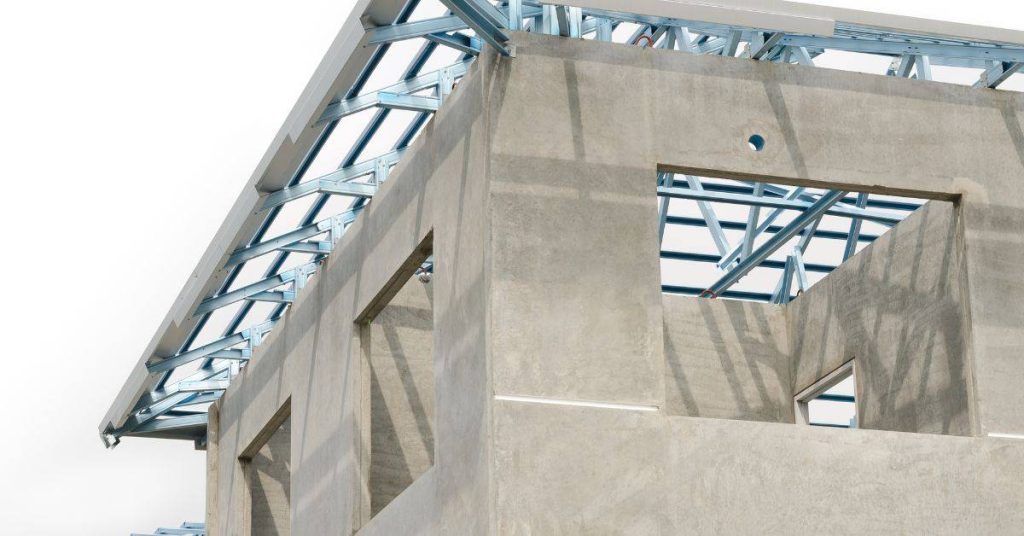
Concrete precast wall under metal roof framework construction site

Water Quality for Concrete: Chlorides, Sulfates, and Why ‘Clean’ Isn’t Always Safe

Introduction Water quality for concrete means using water free of contaminants that can weaken or damage the mix. Chlorides and sulfates in water can affect set, strength, and durability, so test or check labels and manufacturer guidance. In DIY terms, treat water like part of the recipe you must verify before mixing. There are standards

Water Quality for Concrete: Chlorides, Sulfates, and Why ‘Clean’ Isn’t Always Safe Read More »

Close-up of cracked gray concrete surface with visible fissures

Concrete Surface Profile Comparators: Choosing CSP Without Over-Grinding

Introduction CSP stands for Concrete Surface Profile, and it describes how rough or smooth a concrete surface is. Choosing the right CSP helps coatings and overlays grip well, without grinding away too much material. This article keeps it practical for DIYers and focuses on getting the profile right without overdoing it. The ICRI CSP scale

Concrete Surface Profile Comparators: Choosing CSP Without Over-Grinding Read More »