Man patching plaster on white ceiling with trowel

Patching Vertical Surfaces Overhead: Mixes, Bonding, and Sag Control

Introduction Patching vertical surfaces overhead means repairing overhead concrete with a patching mix to restore a flat surface. Use a mix rated for overhead bonding and follow the product label for prep and cure. Work from bottom to top as needed, and plan for potential sag during setting. Bonding strength and sag control come from […]

Patching Vertical Surfaces Overhead: Mixes, Bonding, and Sag Control Read More »

Concrete support columns under a waterfront bridge

Repairing Honeycombed Columns: Inject, Patch, or Rebuild? A Decision Tree

Introduction Repairing honeycombed columns means deciding whether to inject materials, patch the surface, or rebuild the column core. It’s a practical call based on how severe the damage looks and whether the structure still carries load safely. Always assess the condition with your eyes and a quick test, then check product labels and local rules

Repairing Honeycombed Columns: Inject, Patch, or Rebuild? A Decision Tree Read More »

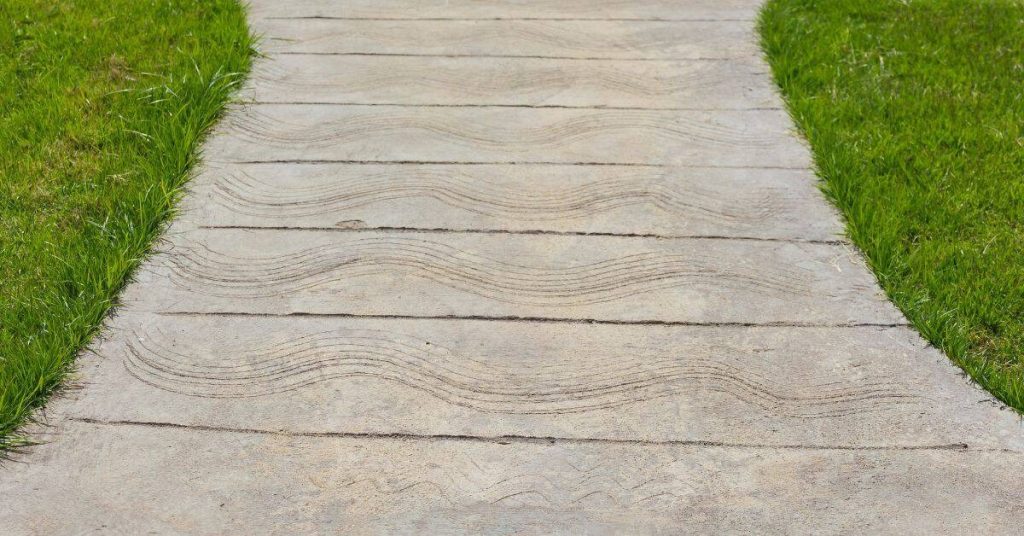
Concrete pathway with wave texture and green grass sides

Concrete Repair in Sulfate Soils: Material Selection That Won’t Turn to Mush

Introduction Concrete repair in sulfate soils means choosing repair materials that resist sulfate attack so the patch doesn’t crumble. Always check the product label and manufacturer instructions for sulfate resistance and compatible cementitious systems. If in doubt, confirm with local rules and test methods, and avoid mixes that aren’t specifically rated for sulfate exposure. Plan

Concrete Repair in Sulfate Soils: Material Selection That Won’t Turn to Mush Read More »

Concrete ceiling with patched spalling areas

Polymer-Modified Repair Mortars in Freeze–Thaw Zones: When Polymer Helps and When It Hurts

Introduction Polymer-modified repair mortars are cement mixes that use polymers to improve adhesion and cohesiveness in damaged concrete. In DIY jobs near freeze–thaw cycles, they can help keep cracks from reopening if applied to a clean, prepped surface. Always read the product label for mixing ratios, cure time, and any temperature guidance before starting. Polymers

Polymer-Modified Repair Mortars in Freeze–Thaw Zones: When Polymer Helps and When It Hurts Read More »

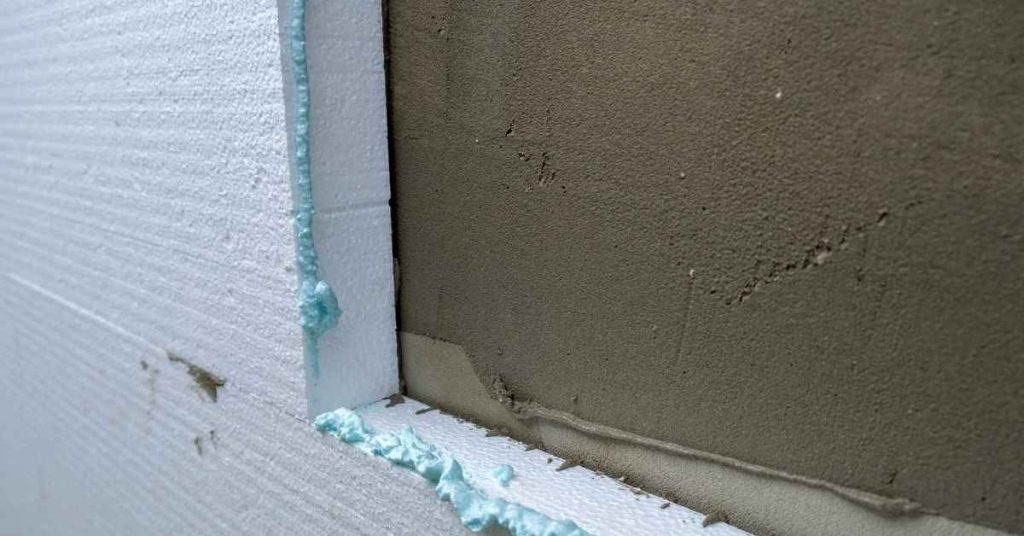
Close-up of foam insulation and repair mortar edge

Feather-Edge Rules for Repair Mortars: Minimum Thickness by Product Type

Introduction Feather-edge thickness for repair mortars is the minimum thickness you should aim for at the feathered edge of a repair, as defined by the product you choose. Because different products have different requirements, always check the label and the manufacturer instructions for the exact minimum. If in doubt, consult local rules or a pro

Feather-Edge Rules for Repair Mortars: Minimum Thickness by Product Type Read More »

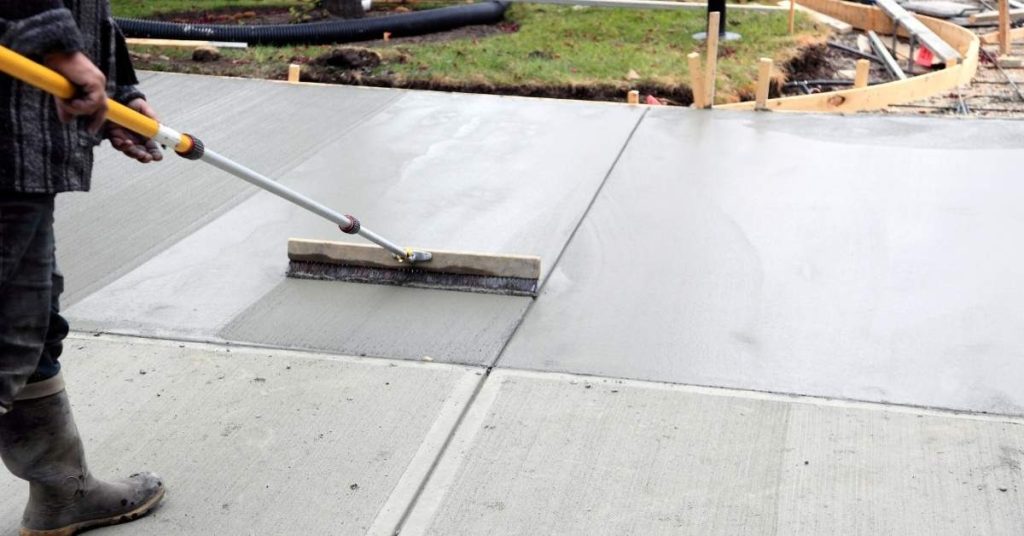
Person using concrete broom on wet concrete sidewalk

Reprofiling Worn Broom Finish: Thin Overlay vs Cut-and-Replace

Introduction Reprofiling worn broom finish means restoring a broom-textured concrete surface by either applying a thin overlay or replacing the affected slab. The approach you choose hinges on how deep the damage is, how flat you need it, and what your budget allows. Before you mix anything, focus on proper surface prep, crack clearing, and

Reprofiling Worn Broom Finish: Thin Overlay vs Cut-and-Replace Read More »

Close up of concrete floor grinding machine in use

Fixing Trip Hazards on Sidewalks: Grinding Limits, Overlay Risks, and Code-Ish Thresholds

Introduction Trip hazards on sidewalks are uneven or crowned surfaces that can snag a foot and cause a fall. For a DIY approach, start by evaluating where and how the surface is out of plane and plan gentle corrections rather than drastic reshaping. Keep changes modest, clearly mark the area, and work in daylight to

Fixing Trip Hazards on Sidewalks: Grinding Limits, Overlay Risks, and Code-Ish Thresholds Read More »

Close-up of a large crack in concrete slab surface

Concrete Crack Stitching With Staples: When It Works and How to Detail It

Introduction Concrete crack stitching with staples is a method that uses staples and epoxy to bridge and reinforce cracks in concrete. It’s most practical for non-structural cracks where movement is limited and the surface is accessible. Check product labels and local rules for epoxy and staple kit compatibility before starting. Typical materials to have on

Concrete Crack Stitching With Staples: When It Works and How to Detail It Read More »

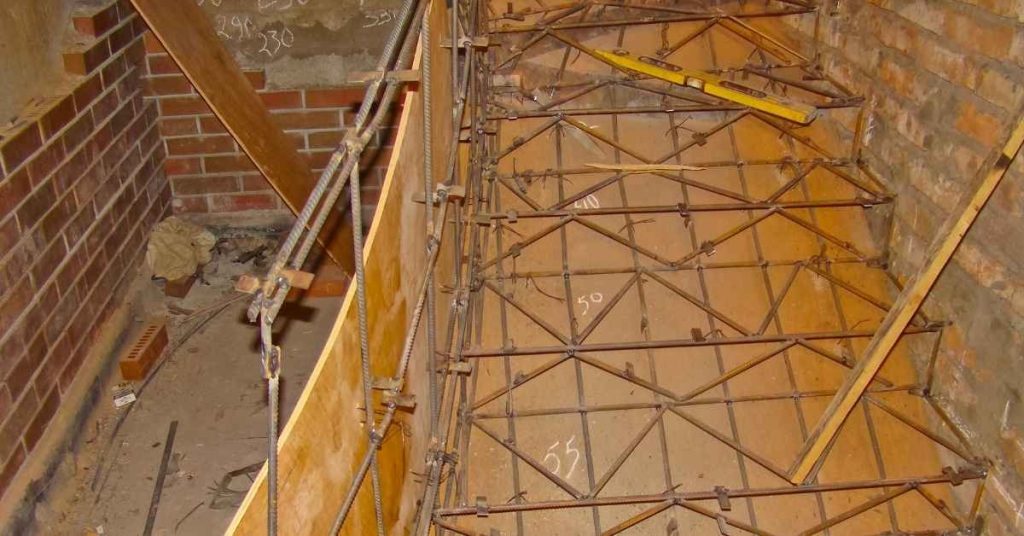
Concrete formwork with rebar inside brick walls

How to Write a Concrete Repair ‘Diagnosis Report’ for Your Own Projects: Photos, Measurements, and Decisions

Introduction A concrete repair diagnosis report is a simple, practical summary that defines what’s wrong, what you measure, and what you plan to fix. It guides your Photo-log, measurements, and observations into a clear set of next steps. Keep it grounded in what you can see, feel, and verify on the job site, with concrete

How to Write a Concrete Repair ‘Diagnosis Report’ for Your Own Projects: Photos, Measurements, and Decisions Read More »

Worker pouring concrete mix over steel rebar grid

DIY Grout-Style Mixes vs True Concrete: When High Sand Content Is Actually Stronger

Introduction Grout-style mixes with high sand content differ from true concrete in composition and how they cure. In some cases, more sand can bulk up the mix and feel stronger, but that doesn’t mean it works the same as real concrete in every situation. Always check the product label and manufacturer guidance to confirm sand

DIY Grout-Style Mixes vs True Concrete: When High Sand Content Is Actually Stronger Read More »