Hands applying plaster on wall with trowel

Gypsum Plaster Over Lime Plaster: Compatibility, Primers, and Preventing Debonding

Introduction Gypsum plaster over lime plaster is the practice of applying gypsum-based plaster on top of lime-based plaster to create a smooth, finished surface. Compatibility comes down to surface prep, the right primer, and following each material’s instructions. Before you start, check that the lime is fully set and not actively chalking, and plan a […]

Gypsum Plaster Over Lime Plaster: Compatibility, Primers, and Preventing Debonding Read More »

Hand applying white plaster with metal putty knife

Lime Putty Storage and Aging: What ‘Mature’ Lime Changes in Workability and Strength

Introduction Aging lime putty changes its workability and strength with time. Store it in breathable containers and keep it from direct moisture and temperature swings. In practice, older lime can feel different to work with than fresh material; check the manufacturer’s storage guidance for specifics. What you notice in the mix tells you how mature

Lime Putty Storage and Aging: What ‘Mature’ Lime Changes in Workability and Strength Read More »

Close-up of decorative plaster floral relief pattern

Sgraffito on Lime Plaster: Layering Colors, Cutting Timing, and Protecting the Artwork

Introduction Sgraffito on lime plaster is a decorative technique where you scrape away a colored top layer to reveal a contrasting color beneath. It relies on careful layering of lime plaster and pigment, followed by controlled cutting to create that contrast. Make sure you verify weather conditions, surface preparation, and product instructions before starting. Start

Sgraffito on Lime Plaster: Layering Colors, Cutting Timing, and Protecting the Artwork Read More »

Hand applying white plaster with metal putty knife

Scagliola Basics: Making Faux-Marble Plaster Panels and Sealing Them for Real Use

Introduction Scagliola is a plaster technique used to imitate marble. Key takeaways Choose faux-marble panels when you want durable, low-maintenance decorative plaster. Prepare substrate with clean, sound surface and proper moisture management. Use sharp tools and steady mixing with PPE to avoid texture inconsistencies. Marbling requires even color distribution; test small panels before full cast.

Scagliola Basics: Making Faux-Marble Plaster Panels and Sealing Them for Real Use Read More »

Worker applying stucco to exterior wall wearing gloves and jacket

Stucco at Electrical Meter Bases and Service Conduits: Flashing Blocks, Sealant Joints, and Water Management

Introduction Flashing blocks, sealant joints, and water management around electrical meter bases and service conduits keep moisture from penetrating the wall. This is a hands-on task that combines proper flashing, sealant application, and grading to shed water away from the entry points. Get the basics right before you pull stucco or sealant and check product

Stucco at Electrical Meter Bases and Service Conduits: Flashing Blocks, Sealant Joints, and Water Management Read More »

Textured blue stucco wall with recessed section

Retrofitting Drainage Behind Barrier Stucco: What’s Realistic and What’s Wishful Thinking

Introduction Retrofitting drainage behind barrier stucco means creating a practical path for moisture to escape from behind the stucco without compromising the wall. Start with a careful visual check of the barrier, flashing, and any visible weep gaps, then plan based on your wall type and conditions. Always verify with manufacturer instructions and local rules

Retrofitting Drainage Behind Barrier Stucco: What’s Realistic and What’s Wishful Thinking Read More »

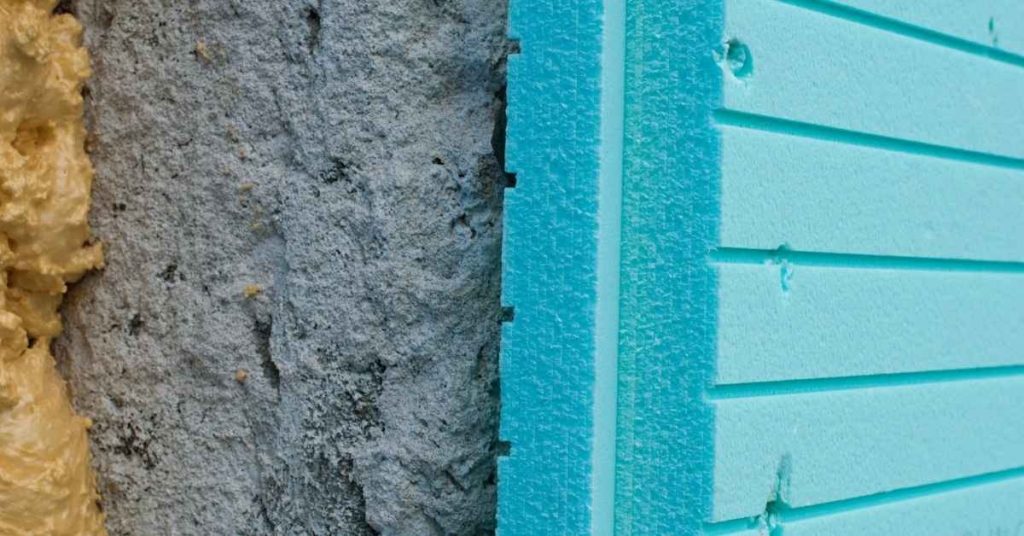
Close-up of blue foam insulation board and rough stucco surface

EIFS Below-Grade Terminations: Why Foam Near Soil Fails and Safer Transition Details

Introduction EIFS below-grade terminations are where the exterior foam and finish system meet the soil and must be protected from moisture. In practice, foam right at the soil line tends to fail when moisture wicks in or freeze-thaw cycles push against it. Check the product label and local building guidelines for approved details, and adapt

EIFS Below-Grade Terminations: Why Foam Near Soil Fails and Safer Transition Details Read More »

Close-up of stucco render partially covering fiberglass mesh

EIFS Impact Damage Prevention: Mesh Weights, Additional Layers, and Vulnerable Zone Detailing

Introduction EIFS impact damage prevention means using proper mesh weights, extra applications, and careful detailing in vulnerable zones to resist impact. As a DIYer, you’ll focus on securing the base coat mesh, adding layers as allowed, and outlining high-risk areas. Always check the product label and local rules for what’s allowed. Start by identifying vulnerable

EIFS Impact Damage Prevention: Mesh Weights, Additional Layers, and Vulnerable Zone Detailing Read More »

Weathered pink stucco wall with discoloration and patches

Stucco at Deck Ledger Boards: Integrating Flashing, Tape Membranes, and Drainage Space

Introduction This article explains how to install stucco around a deck ledger by using flashing, tape membranes, and a drainage space. It covers practical, hands-on steps you can take to keep water out and prevent damage. It keeps the process straightforward and doable for a DIY project. Check manufacturer instructions and local codes for flashing

Stucco at Deck Ledger Boards: Integrating Flashing, Tape Membranes, and Drainage Space Read More »

Slate roof with metal flashing under golden sky

Window Head Flashing Behind Stucco: Drip Caps, End Dams, and How to Stop Head Leaks

Introduction Window head flashing behind stucco is a weatherproofing detail that directs water at the top of the window away from the opening. It often relies on drip caps, end dams, and proper sealing to shed water behind the stucco rather than into the wall. When you’re working, look for gaps, torn flashing, or loose

Window Head Flashing Behind Stucco: Drip Caps, End Dams, and How to Stop Head Leaks Read More »