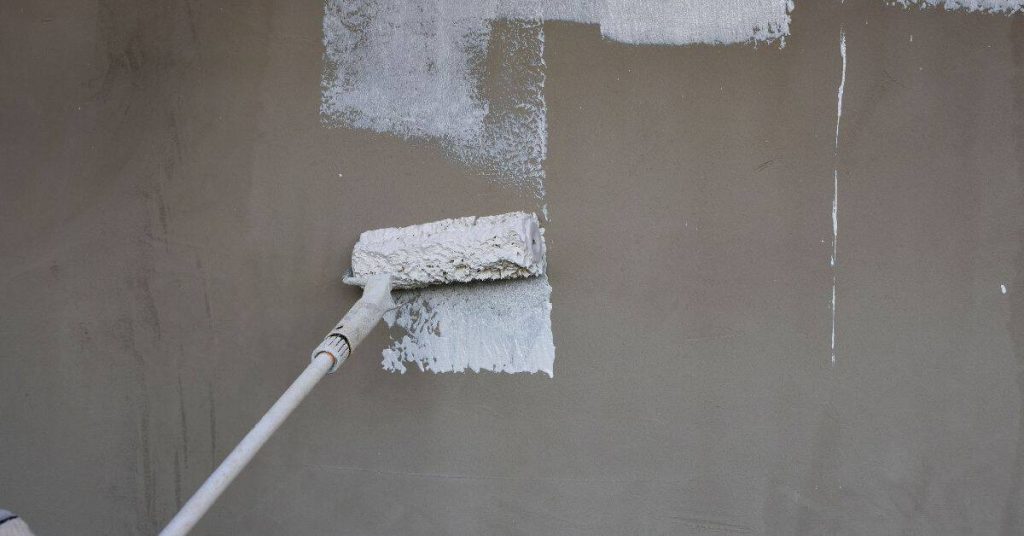
Paint roller applying white paint on brown stucco wall

Elastomeric Paint Over Hard Coat Stucco: When It Bridges Cracks and When It Blisters

Introduction Elastomeric paint over hard coat stucco is a flexible coating designed to bridge small cracks in the surface. It can improve weather resistance but may blister if the surface is dirty, damp, or improperly prepped. Proper prep and careful application are essential to a durable coat. Preparation and proper application are key to avoiding […]

Elastomeric Paint Over Hard Coat Stucco: When It Bridges Cracks and When It Blisters Read More »

Person spraying paint on white interior wall wearing protective gear

Painting Stucco After Patch Repairs: Timing, Primers, and Avoiding Halo Rings

Introduction Painting stucco after patch repairs means applying a fresh coat once patched areas have fully cured to protect and blend with the rest of the wall. Treat the patched spots as part of the surface and plan for color uniformity across the whole wall. Avoid rushing the cure; follow product labels and local rules

Painting Stucco After Patch Repairs: Timing, Primers, and Avoiding Halo Rings Read More »

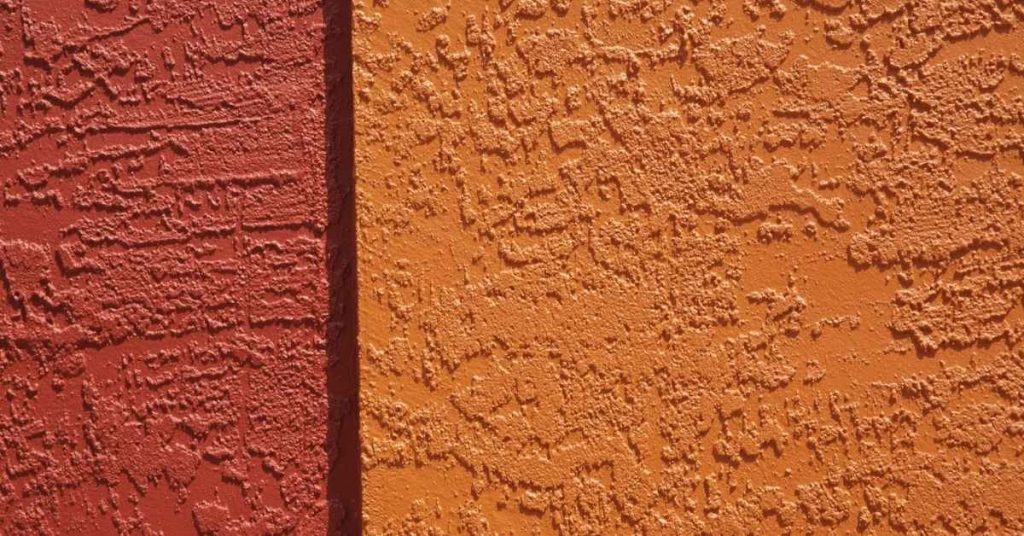
Close-up of two different colored stucco wall sections with textured surface

Color Matching Stucco Repairs in Shade vs Sun: Why It Looks Different and How to Test

Introduction Color matching stucco repairs varies between shade and sun, because lighting changes how pigments look. Natural light shifts perception and can make colors appear lighter or darker in different conditions. Test patches in both areas and compare them under the same conditions you’ll live with day to day. When testing, check colors in sun

Color Matching Stucco Repairs in Shade vs Sun: Why It Looks Different and How to Test Read More »

Close-up of light gray rough stucco texture

Stucco Texture Matching on Large Patches: How to Avoid ‘Panel’ Look in Sunlight

Introduction Texture matching on large stucco patches is about blending new material with the existing surface so it doesn’t read as separate panels when sunlight hits it. Work in manageable areas, keep the texture consistent, and feather the edges so the changeover isn’t obvious. If you see a mismatch, adjust trowel pressure, use a compatible

Stucco Texture Matching on Large Patches: How to Avoid ‘Panel’ Look in Sunlight Read More »

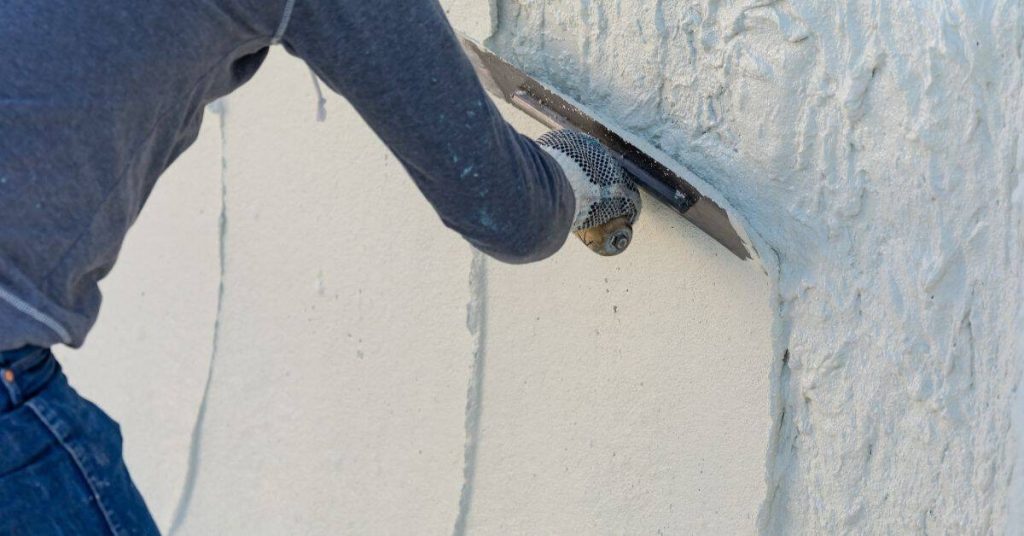
Person applying stucco texture to exterior foam wall

Stucco + Exterior Foam Additions: Transition Details That Keep Drainage Paths Open

Introduction This approach combines stucco with exterior foam to manage drainage and keep water from standing against the foundation. It adds an insulating layer outside the wall and creates a smooth receiver for the stucco finish. You’ll want to plan how drainage paths remain open while the layers are installed and sealed. For DIY work,

Stucco + Exterior Foam Additions: Transition Details That Keep Drainage Paths Open Read More »

Residential exterior wall with stucco finish and windows

Mounting Hose Reels on Stucco: Blocking, Fasteners, and Sealing Without Crushing the Finish

Introduction Mounting hose reels on stucco requires careful blocking, fasteners, and sealing to protect the finish. This article walks you through practical steps that respect the surface and the underlying structure. You’ll learn how to prep, choose safe fasteners, and avoid crushing the texture. Understanding stucco composition and the wall behind it helps you pick

Mounting Hose Reels on Stucco: Blocking, Fasteners, and Sealing Without Crushing the Finish Read More »

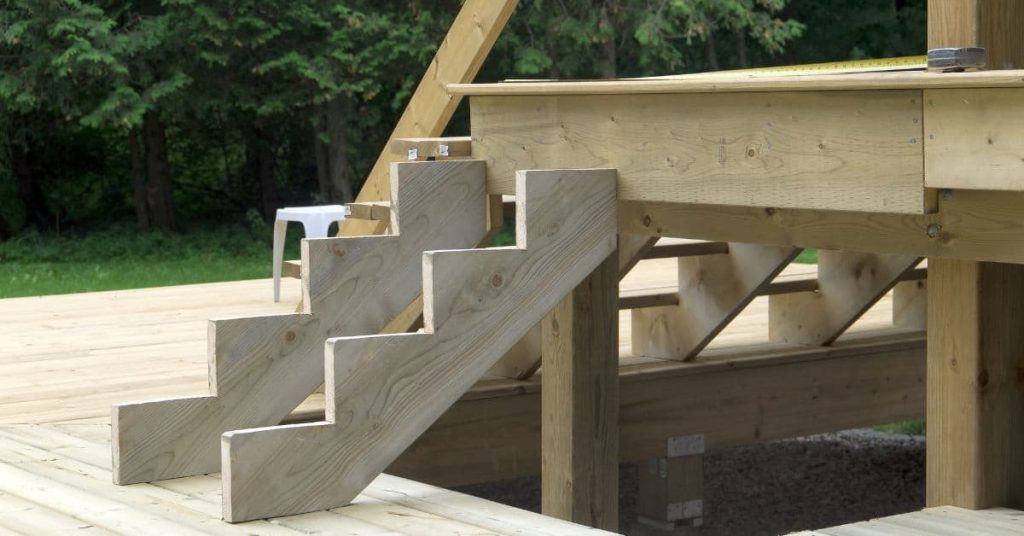
Wooden stair stringers attached to deck frame outdoors

Stucco Around Deck Ledger Boards: Waterproofing Details That Don’t Rely on Caulk

Introduction Stucco around a deck ledger boards is a method to seal and protect the joint where the deck meets the house. It relies on proper transitions and flashing rather than relying on caulk as the main waterproofing tool. The goal is to keep water from getting behind the stucco and into the wall cavity.

Stucco Around Deck Ledger Boards: Waterproofing Details That Don’t Rely on Caulk Read More »

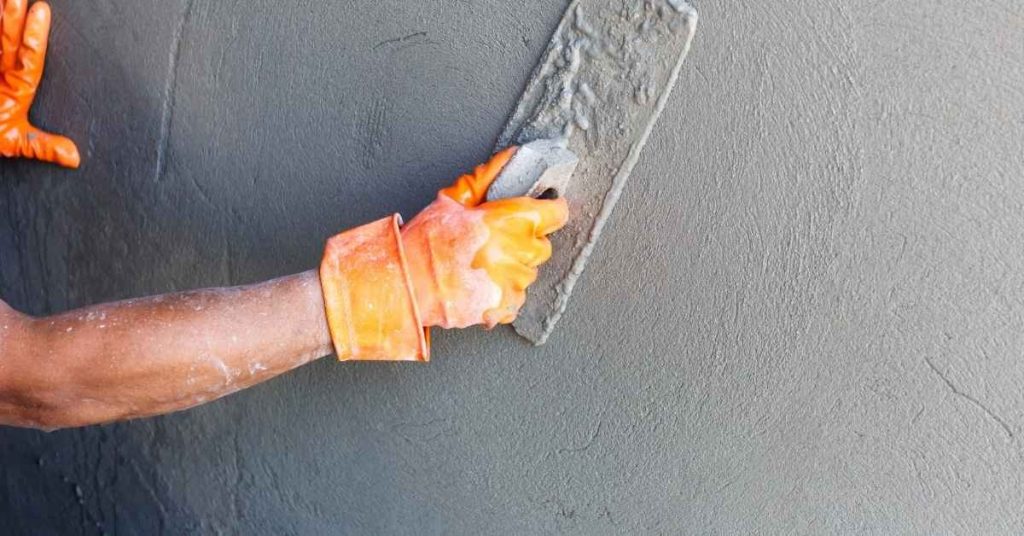
Hand wearing orange gloves smoothing gray stucco with trowel

Stucco Expansion Joints at Additions: Detailing Differential Movement Without Water Traps

Introduction Expansion joints in stucco at additions accommodate differential movement between the new addition and the existing structure while avoiding water traps. Plan for joints at the connection and detail how the joint will be filled and flashed without creating water traps. This article keeps the language plain and focuses on practical steps you can

Stucco Expansion Joints at Additions: Detailing Differential Movement Without Water Traps Read More »

White stucco coated brick wall texture close-up

Stucco Control Joint Layout: Where They Belong and Why Random Cracks Follow Bad Layout

Introduction Control joints in stucco are deliberate gaps that guide where cracks will form, instead of letting random cracks run everywhere. They serve as a planned break for movement due to temperature, moisture, and framing shifts. Placement guidelines depend on factors like height, openings, and changes in plane; check manufacturer instructions for specifics. Use appropriate

Stucco Control Joint Layout: Where They Belong and Why Random Cracks Follow Bad Layout Read More »

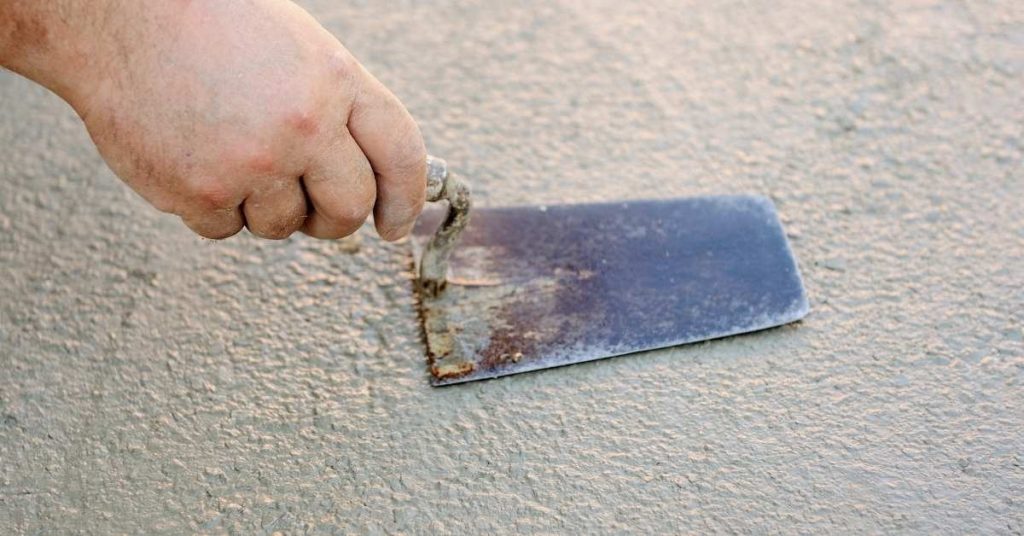
Hand holding trowel smoothing wet stucco surface

Repairing Stucco Control Joints: When to Reseal vs Replace the Accessory

Introduction Repairing stucco control joints means deciding whether to reseal the joint or replace the accessory. This article helps you assess condition and choose the practical path for a DIY project. You’ll find plain-language steps to reseal or replace without guesswork. Watch for signs like wide cracks, loose trim, or staining that suggest movement or

Repairing Stucco Control Joints: When to Reseal vs Replace the Accessory Read More »