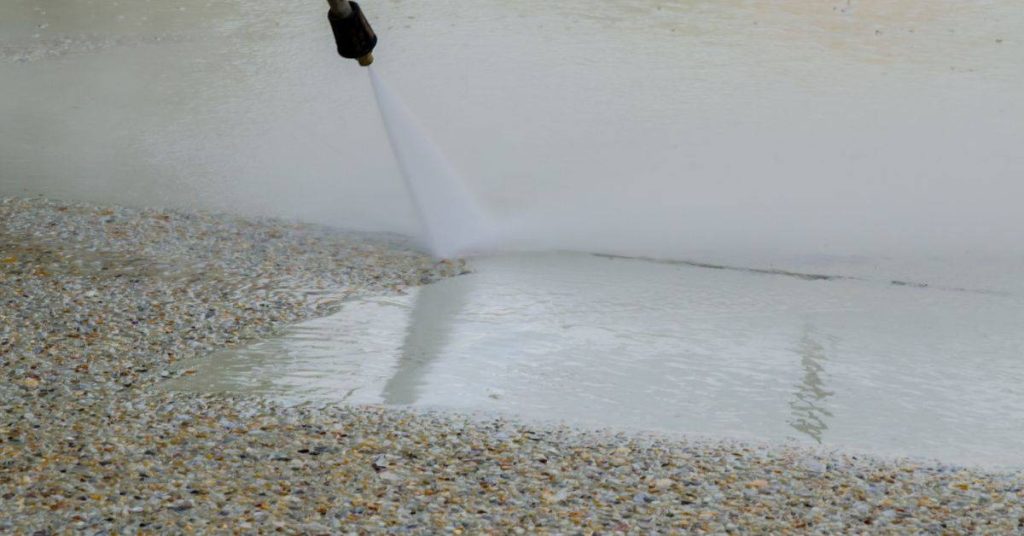
Pressure washing exposed aggregate concrete surface

Exposed Aggregate Repair Patches: Blending Stone Size and Washing Timing to Match

Introduction Exposed aggregate repair patches involve matching the look of the existing surface by using stone-size blends and controlled washing timing. This article gives a practical, hands-on view for DIYers on how to prep, bond, and patch exposed aggregate without a full resurfacer. We’ll cover how to choose the right aggregate size, how to wash […]

Exposed Aggregate Repair Patches: Blending Stone Size and Washing Timing to Match Read More »
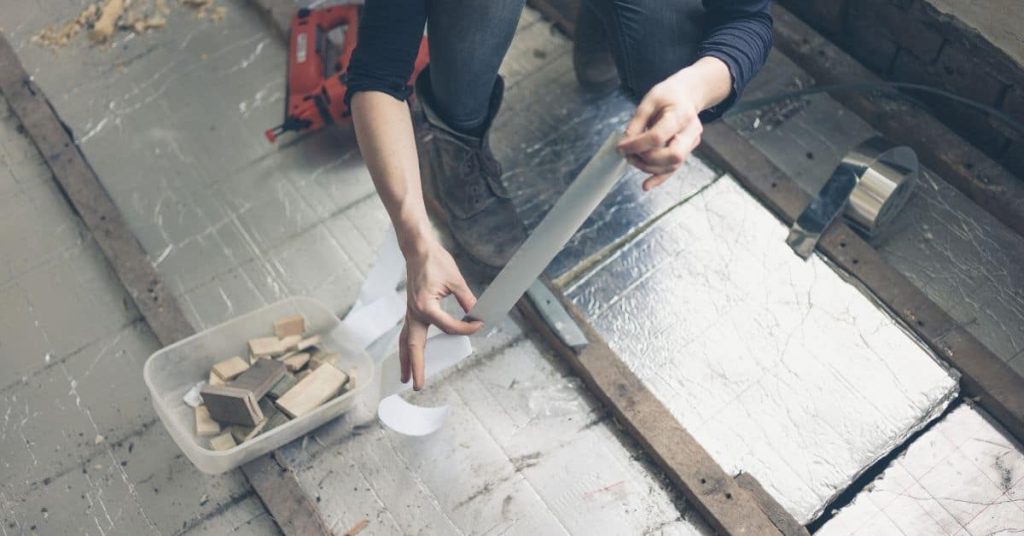
Person installing reflective foil insulation on floor

Frost-Protected Shallow Foundations (FPSF) for Small Slabs: Insulation Layout and Drainage Basics

Introduction Frost-Protected Shallow Foundations (FPSF) are a way to keep concrete slabs from freezing by using insulation and careful drainage. As a DIYer, you’ll want to plan insulation under and around the slab edge and maintain a continuous layer. Always check local rules and product instructions for how to install and transition between insulation and

Frost-Protected Shallow Foundations (FPSF) for Small Slabs: Insulation Layout and Drainage Basics Read More »

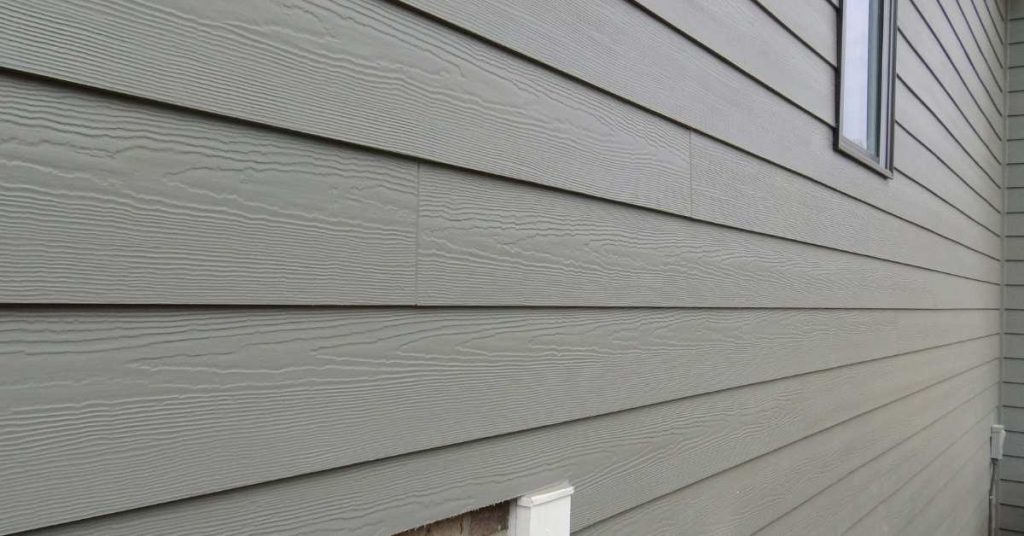
Close-up of beige fiber cement siding on house exterior

Fiber Dispersion Tricks: Preventing Clumps Without Overmixing and Entraining Air

Introduction Fiber dispersion tricks are techniques to evenly distribute reinforcing fibers in a concrete mix without forming clumps or introducing excess air. The goal is a smooth, consistent mix that holds fibers where they belong. Follow the manufacturer’s guidance on when and how to add fibers to avoid guessing. Start by following the fiber label

Fiber Dispersion Tricks: Preventing Clumps Without Overmixing and Entraining Air Read More »

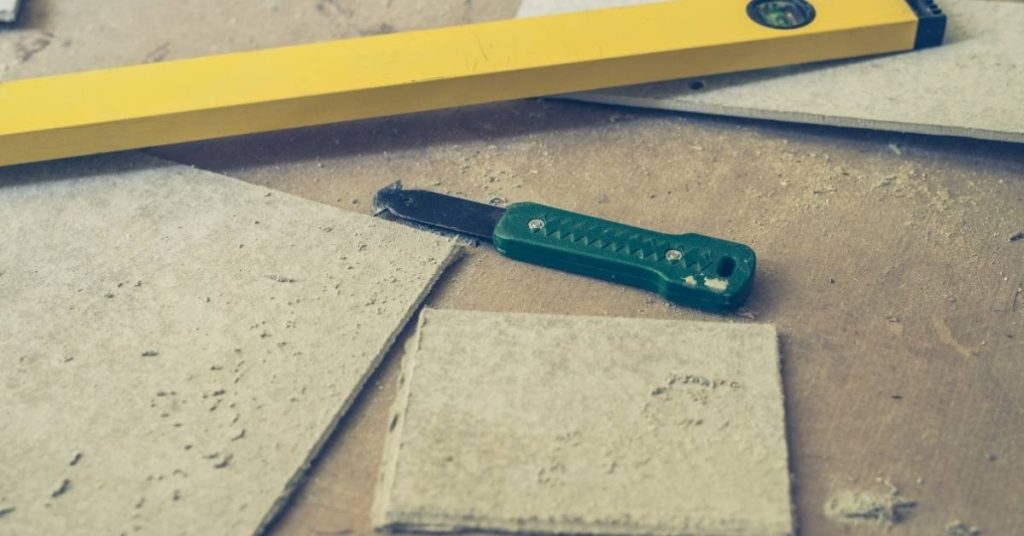
Yellow level tool and green cutting knife on concrete board pieces

Cement Shelf-Life Reality: How Storage Conditions Change Set Time and Strength

Introduction Cement shelf-life is the window during which stored cement stays workable and can reach intended strength when mixed. Storage conditions like moisture, temperature, and how long it sits affect how fast it sets and how strong the final pour will be. In practice, poor storage tends to shorten set time and reduce final strength.

Cement Shelf-Life Reality: How Storage Conditions Change Set Time and Strength Read More »

Vinyl plank flooring pieces and tools on concrete floor

Supplementary Cementitious Materials for Efflorescence Control: What Actually Reduces Salts

Introduction Supplementary Cementitious Materials reduce efflorescence by limiting the salts that migrate to the surface. They work with the cement mix to slow water movement and bind minerals. In DIY terms, think of them as additives that help the concrete breathe less and stay drier. Efflorescence is the white, powdery salt that shows up on

Supplementary Cementitious Materials for Efflorescence Control: What Actually Reduces Salts Read More »

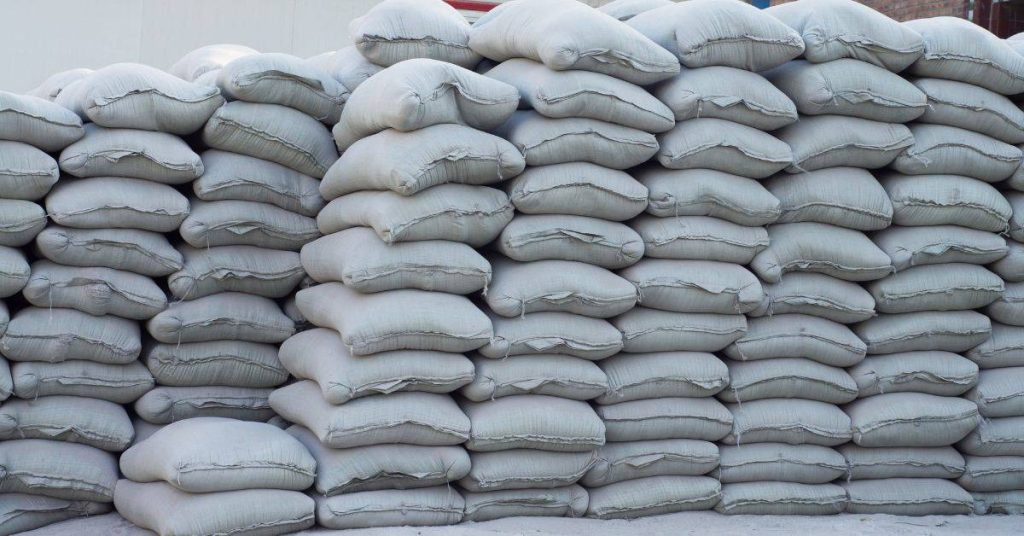
Stacked white bags in an outdoor storage area

Salt-Resistant Mixes for Marine Exposure: Cement Type, SCMs, and Cover Strategy

Introduction Salt-resistant concrete is a mix designed to resist salt intrusion and corrosion when used in marine or coastal exposure. In practical terms, that means choosing the right cement options and adding SCMs to slow down salt-related damage. Always check product labels and manufacturer instructions for suitability in salty environments and follow local rules for

Salt-Resistant Mixes for Marine Exposure: Cement Type, SCMs, and Cover Strategy Read More »

Person using level tool on wooden form outdoors

Anti-Washout Admixtures for Underwater or Wet-Form Repairs: Niche, but Useful

Introduction Anti-washout admixtures are additives that help concrete stay in place underwater or in wet forms. They slow water loss and improve cohesion so the mix doesn’t segregate. Use only as directed on the product label and by local rules. Pick a product that is rated for underwater or wet-form use, and read the label

Anti-Washout Admixtures for Underwater or Wet-Form Repairs: Niche, but Useful Read More »

Blue painted wooden doors with visible horizontal paint streaks

Why Paint Gets Sticky Behind Doors: Soft Films, Plasticizers, and Blocking Prevention

Introduction Sticky paint behind doors is when the film stays soft and tacky after it dries. That softness can come from plasticizers in the paint and a finish that cures slowly in tight spaces. Heat, humidity, and being pressed between door frames can make the film stay sticky longer. To prevent or fix it, read

Why Paint Gets Sticky Behind Doors: Soft Films, Plasticizers, and Blocking Prevention Read More »

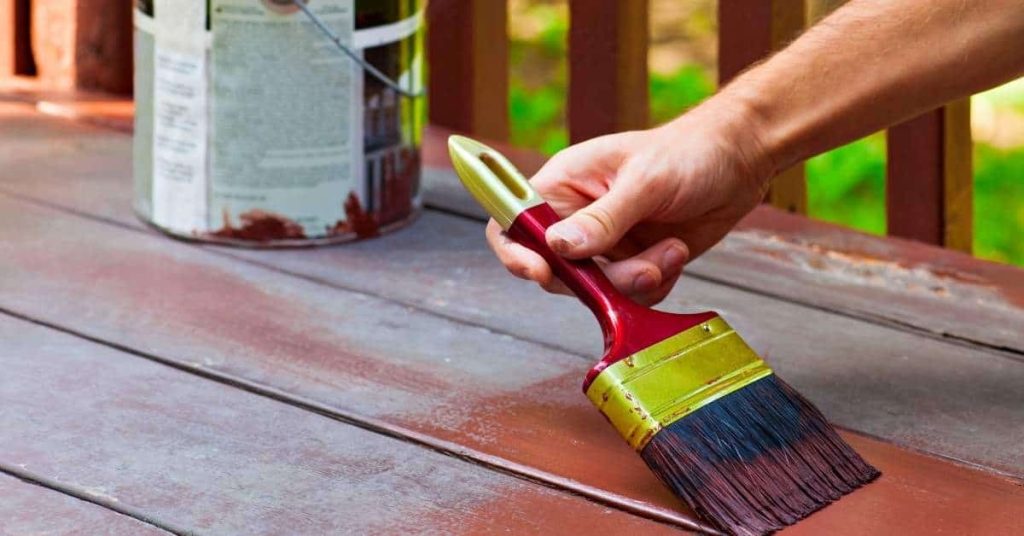
Hand painting wooden deck with red paint and brush

How to Paint When Nights Are Cold: Dew, Condensation, and Why Morning Painting Sometimes Fails

Introduction Cold nights create dew and condensation that can sabotage paint adhesion. If you paint when surfaces are damp or the surface is cooling through the night, you risk cloudy finishes and peeling. This article explains practical checks and timing to avoid those problems. To plan smartly, check the forecast and test surfaces for moisture

How to Paint When Nights Are Cold: Dew, Condensation, and Why Morning Painting Sometimes Fails Read More »