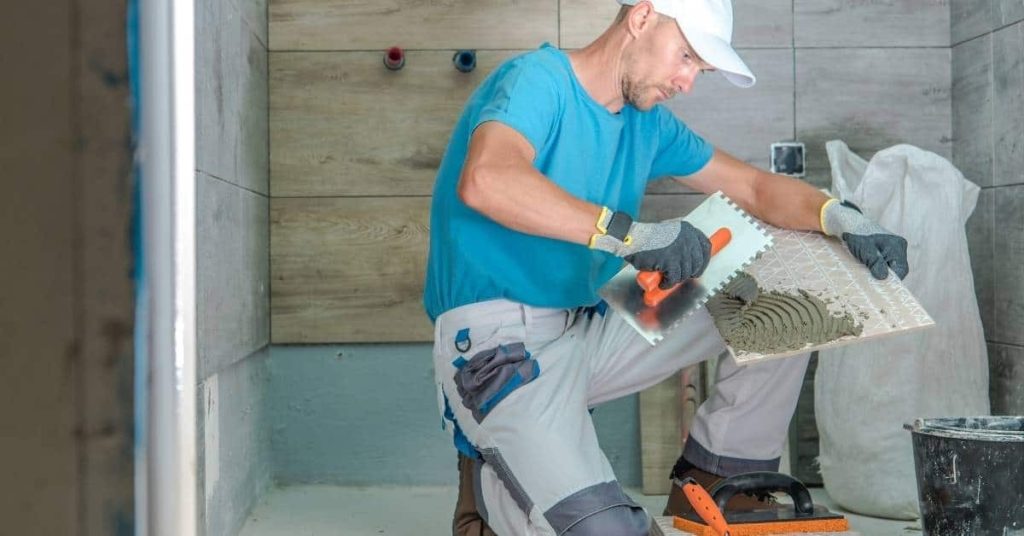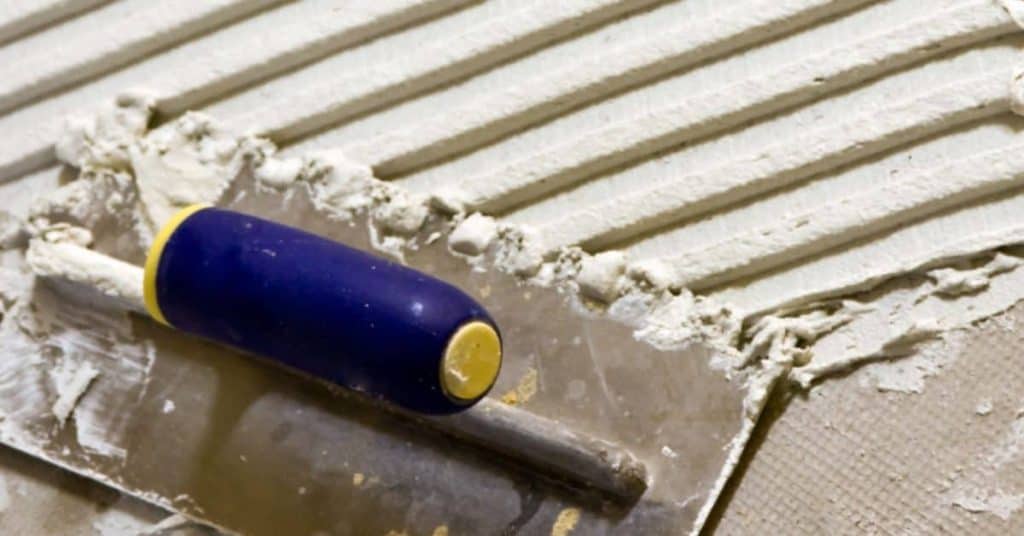
Notched trowel spreading adhesive on surface

Mastic Vs Thinset for Backsplashes: Where Mastic Is Safe and Where It Fails

Introduction Mastic is a flexible, premixed adhesive that some DIYers use for lightweight backsplashes. Thinset is a cement-based mortar that needs mixing and longer cure times. For most reliable backsplashes, you should check manufacturer guidance and local rules before choosing. Key takeaways Mastic is easier for small, dry layouts but unsuitable for wet areas. Thinset […]

Mastic Vs Thinset for Backsplashes: Where Mastic Is Safe and Where It Fails Read More »
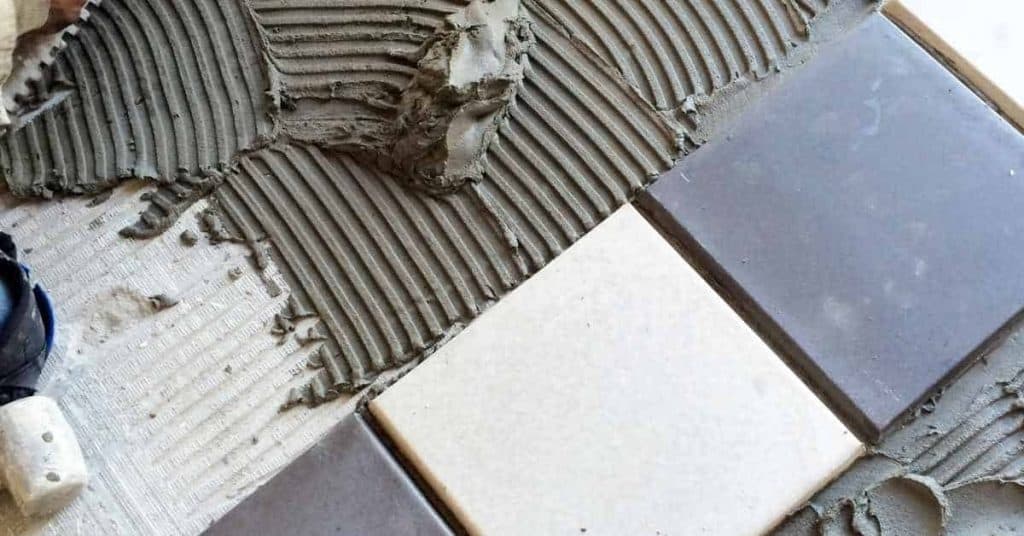
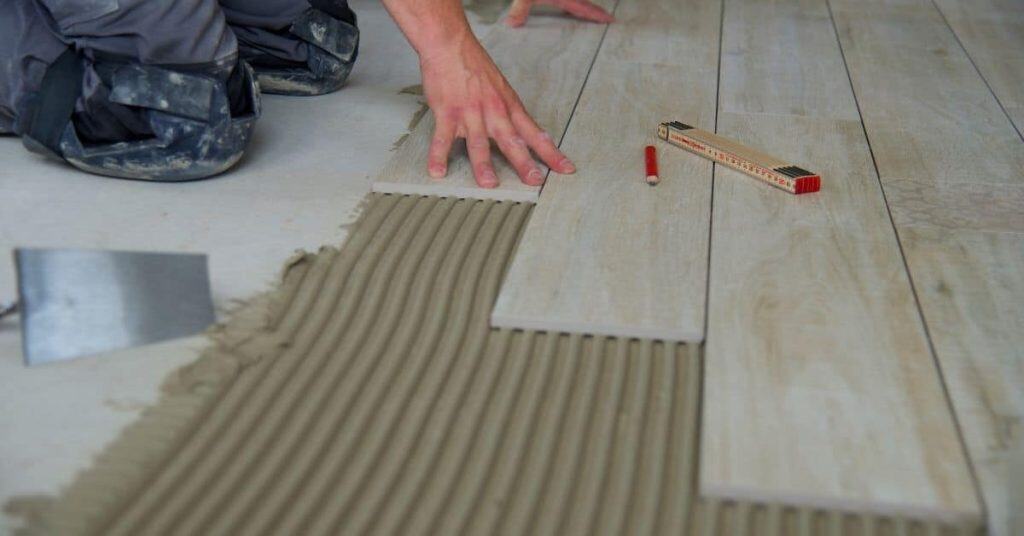
Hand placing wood-look floor tile on ridged thinset mortar

How to Check Thinset Coverage Properly (Pull Tests and What to Look For)

Introduction Thinset coverage means verifying that the adhesive layer fully backs the tile with no gaps or voids. Pull tests involve gently testing a tile to feel for a solid bond. Check for consistent contact across edges and center, and note any hollow spots. When you test, ensure tiles stay flat and firmly seated during

How to Check Thinset Coverage Properly (Pull Tests and What to Look For) Read More »

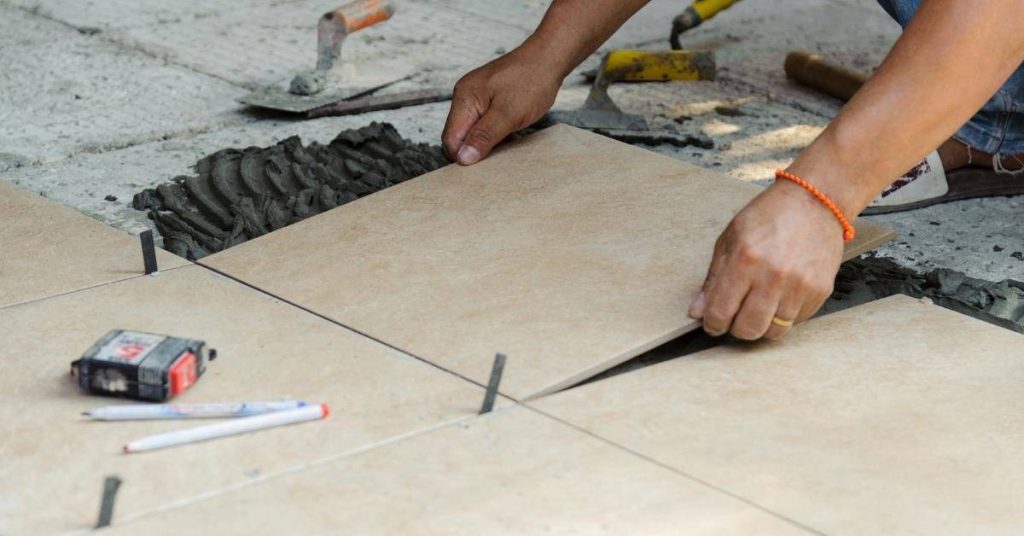
Hands placing beige floor tiles with black spacers between them

Tile Spacers Vs Wedges Vs Leveling Systems: What Each Actually Does

Introduction Tile spacers, wedges, and leveling systems are tools to keep tiles aligned and at a consistent height while you set them. They each serve different roles in the job, and using the right one helps prevent lippage and misalignment. Trust the product label and manufacturer instructions for how to install and use them on

Tile Spacers Vs Wedges Vs Leveling Systems: What Each Actually Does Read More »

person grouting slate floor tiles with bucket nearby

Tile Layout Math: Avoiding Slivers and Awkward Cuts Around Doorways

Introduction Tile layout math is the practical planning you do to place tiles so doorway cuts aren’t awkward. This approach helps you spot where full tiles fit and where a cut will be needed closer to entryways. Check local guidelines and the tile manufacturer’s instructions for any specific requirements. Start with a dry layout on

Tile Layout Math: Avoiding Slivers and Awkward Cuts Around Doorways Read More »

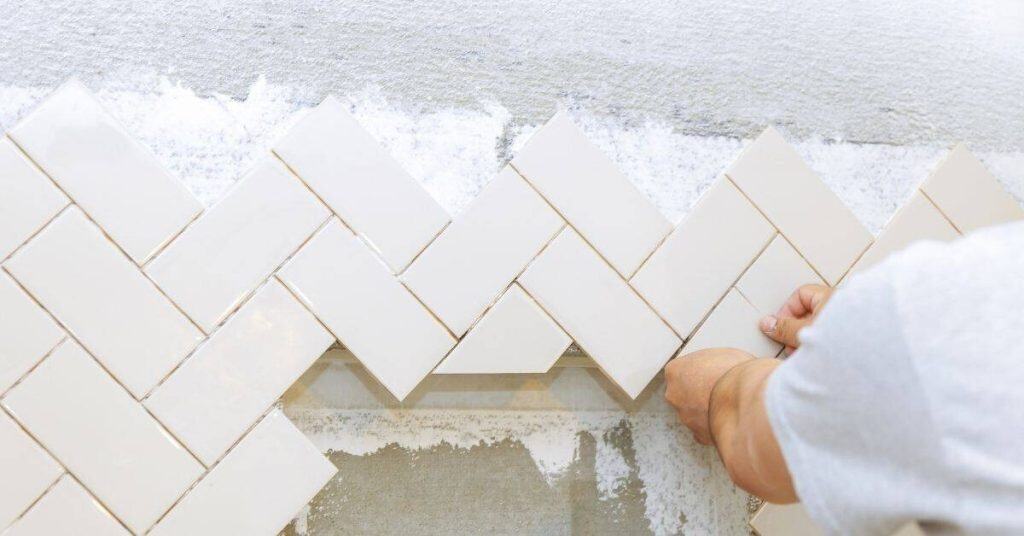
Hands placing white rectangular tiles in herringbone pattern

How to Find the “Money Line” for Tile Layout (Reference Lines That Save You)

Introduction The money line is a primary reference line you establish from a starting edge to guide tile layout. It helps you keep the pattern centered and saves adjustments later. Check your layout with straightedge checks and confirm your starting points before you set adhesive. To find it, pick a clean starting edge, snap a

How to Find the “Money Line” for Tile Layout (Reference Lines That Save You) Read More »

Person installing large-format floor tiles with spacers

How Flat Is Flat Enough for Large-Format Tile? Simple DIY Checks

Introduction Flatness means the surface is level enough for the tile to sit without rocking. For large-format tile, you’re looking for a smooth plane free of noticeable high spots and dips. If you find trouble spots, plan to adjust with patches, self-leveling compound, or correct substrate issues after checking manufacturer instructions. You’ll want to walk

How Flat Is Flat Enough for Large-Format Tile? Simple DIY Checks Read More »

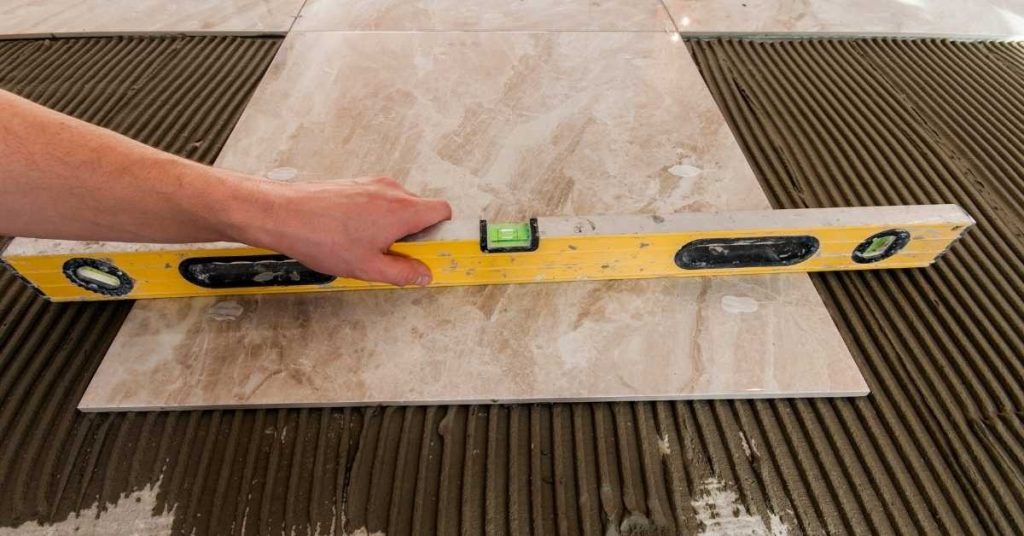
Rubber mallet and level on concrete floor with tiles

Tile Substrate Checklist: What Must Be Flat, Solid, and Clean Before You Start

Introduction Your tile substrate must be flat, solid, and clean before you start. That means checking for levelness, firm backing, and a dust-free surface. If you find problems, fix them before laying tile. -None>Check the substrate with a straightedge or level and use the right patching or leveling products as directed on the label. Sweep

Tile Substrate Checklist: What Must Be Flat, Solid, and Clean Before You Start Read More »