Freshly poured self-leveling concrete floor with a spiked roller

Self-leveling overlays: dams, primers, and stopping pinholes and ripples

Introduction Self-leveling overlays are a flowable floor topping that settles itself to create a flat, smooth surface. This article covers dams, primers, and ways to stop pinholes and ripples in a DIY setup. Always follow the product label and local rules for mixing and curing. Quality control and temperature management matter to avoid early cracks […]

Self-leveling overlays: dams, primers, and stopping pinholes and ripples Read More »
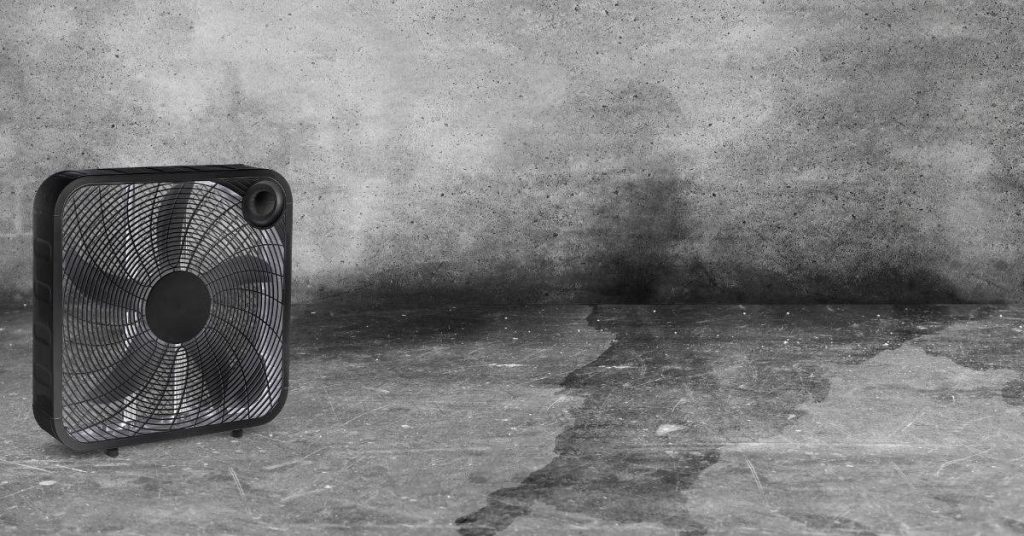
black box fan on concrete floor with dark moisture stains on wall and floor

Overlay vs full replacement: a decision guide based on movement, moisture, and thickness

Introduction Overlay vs full replacement is a choice between patching a deck with an overlay or tearing it out and rebuilding, based on movement, moisture, and thickness. For overlays, assess whether the existing concrete can accept an overlay without excessive cracking or movement, and follow manufacturer instructions and local rules. If movement is high or

Overlay vs full replacement: a decision guide based on movement, moisture, and thickness Read More »

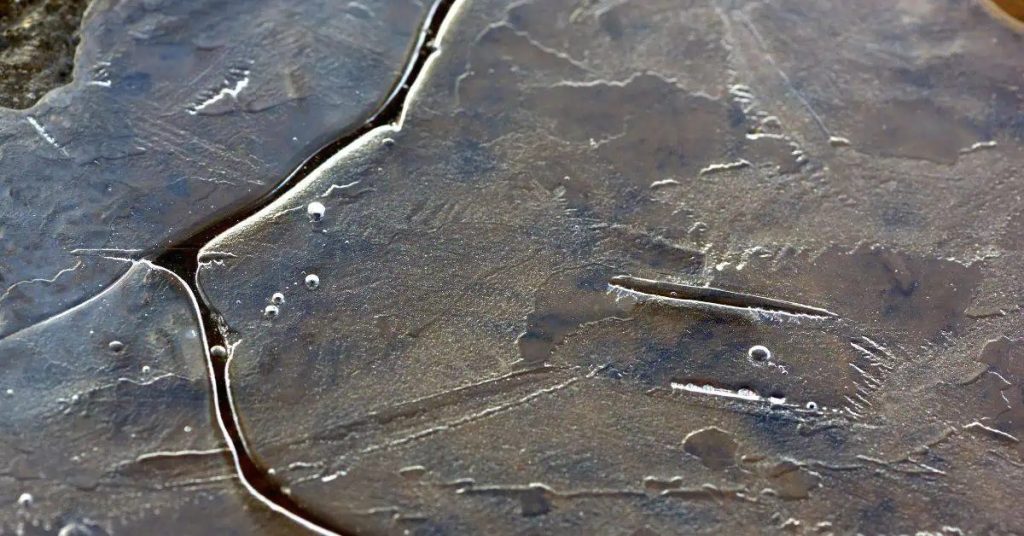
Closeup of cracked frozen soil surface with ice coatings

Freeze-thaw on brick patios: bedding, drainage, and joint fill that survives

Introduction Freeze-thaw on brick patios means water trapped in bedding, drainage, and joints can crack or lift bricks when temperatures swing below and above freezing. This article covers how to select bedding, manage drainage, and fill joints so a DIY patio can survive those cycles. You’ll focus on simple checks you can do before you

Freeze-thaw on brick patios: bedding, drainage, and joint fill that survives Read More »

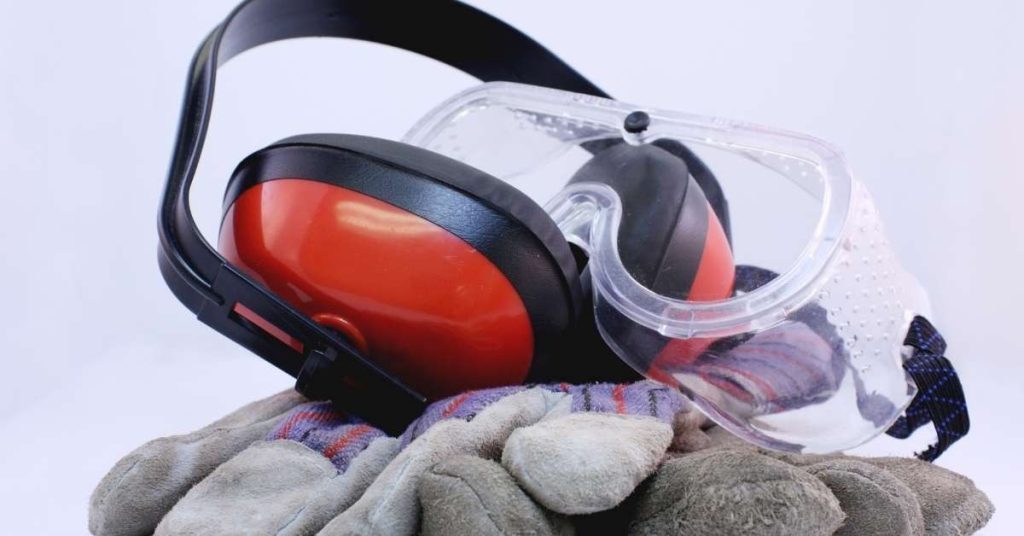
earmuffs safety glasses and work gloves on white background

Bonding to old work: scarify vs grind vs acid (and why acid often disappoints)

Introduction Scarify, grind, or acid etch are methods to roughen old concrete to improve bonding for new toppings. Scarifying uses a rotating drum or blade to chip away the surface and create a rough profile, while grinding removes material with a diamond blade to level the surface. Acid etching chemically bites into the surface but

Bonding to old work: scarify vs grind vs acid (and why acid often disappoints) Read More »

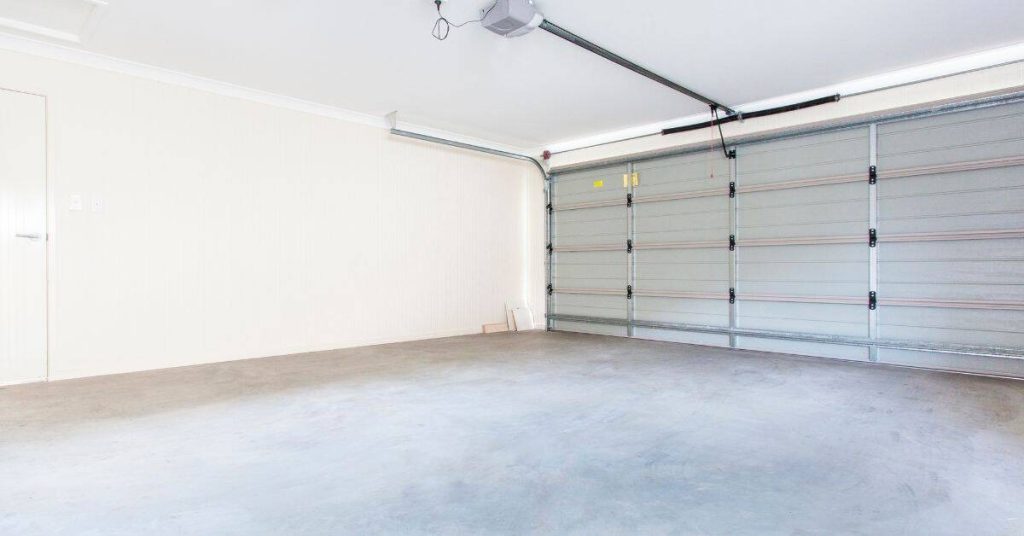
Empty garage with concrete floor and closed metal door

Dusty garage slabs: when sweeping and densifiers help and when resurfacing is the only fix

Introduction Dusty garage slabs are concrete floors that shed fine dust from the surface as you walk on them. Causes include worn surface, moisture, and exposure to chemicals or abrasion from vehicles and tools. Keeping the area swept and free of grit helps you see how bad the dust problem is and what needs doing

Dusty garage slabs: when sweeping and densifiers help and when resurfacing is the only fix Read More »

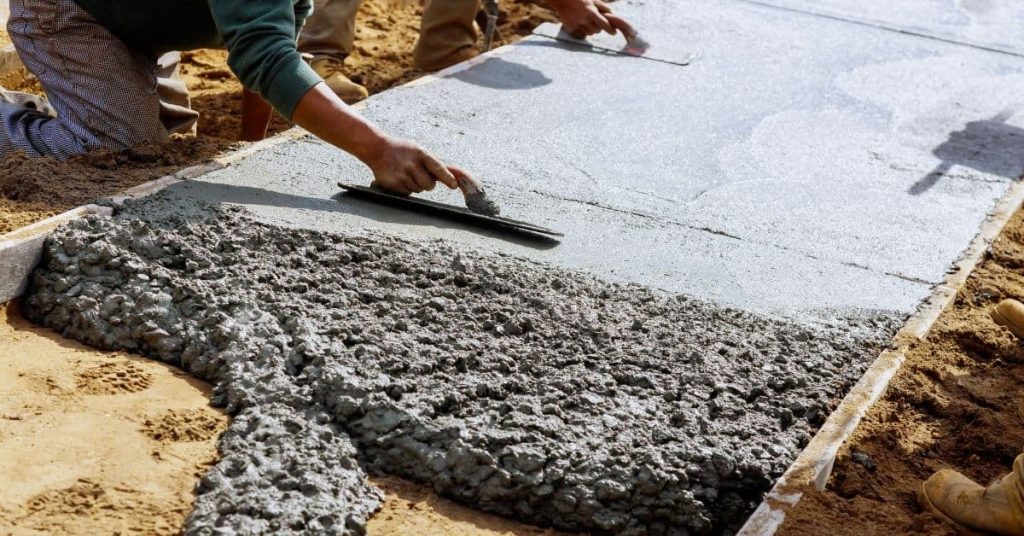
Workers finishing fresh concrete slab with hand trowels

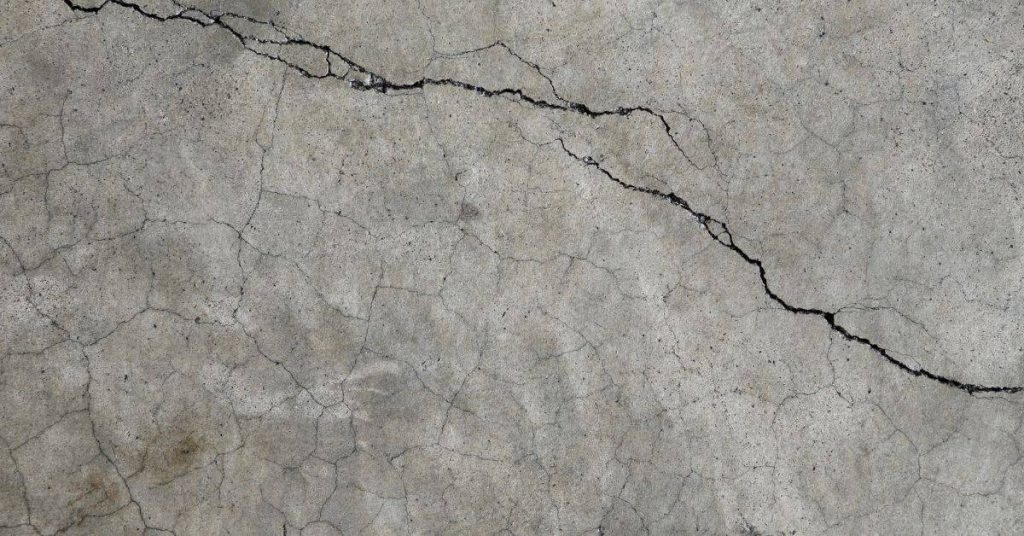
Crazing and hairline map cracks: over-finishing clues and how to keep it subtle

Introduction Crazing and hairline map cracks are very fine, web-like cracks that run across the surface of concrete or plaster. They often look like a spiderweb or tiny branching lines and can appear after finishing when the surface dries unevenly. These marks aren’t structural failure, but they do affect the look and texture of a

Crazing and hairline map cracks: over-finishing clues and how to keep it subtle Read More »

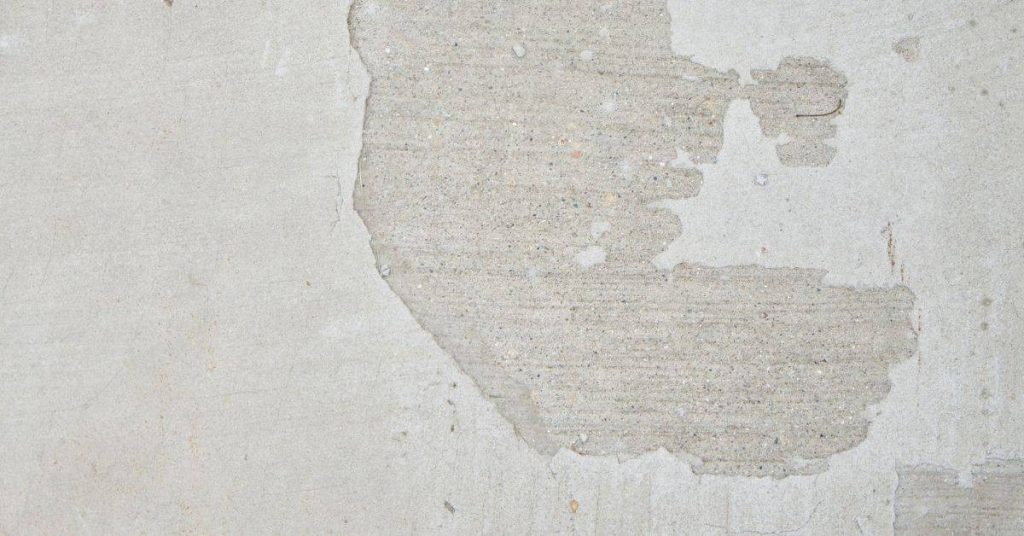
Concrete surface with visible edge spalling damage

Edge spalling at joints: why it happens and how to detail joints to stop it

Introduction Edge spalling at joints is when the concrete at the joint edge chips or flakes away. It happens from weather, freeze-thaw cycles, or movement that stresses the edge near the joint. When this shows up, it can ruin the look and invite moisture. To detail joints for durability, start by cleaning the joint and

Edge spalling at joints: why it happens and how to detail joints to stop it Read More »

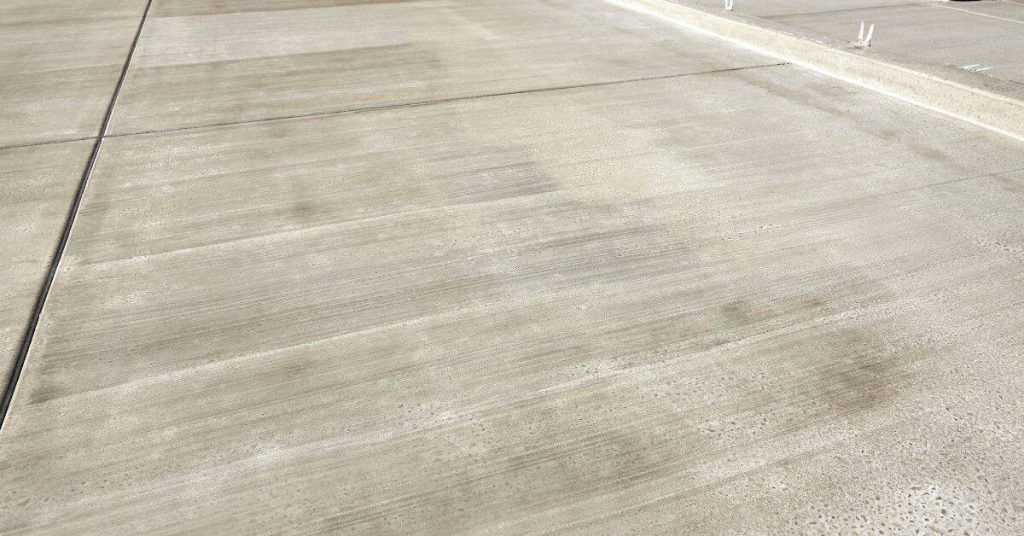
Close-up of a concrete driveway slab with control joints

Air-entrained concrete for driveways and steps: real freeze–thaw failures and how to avoid them

Introduction Air-entrained concrete uses air bubbles added during mixing to resist freeze–thaw damage. For driveways and steps, this helps the surface survive cycles of freezing and thawing without cracking. Check the product label and manufacturer instructions to understand the recommended air content for your project. Keep the mix cool to cure evenly, protect fresh concrete

Air-entrained concrete for driveways and steps: real freeze–thaw failures and how to avoid them Read More »