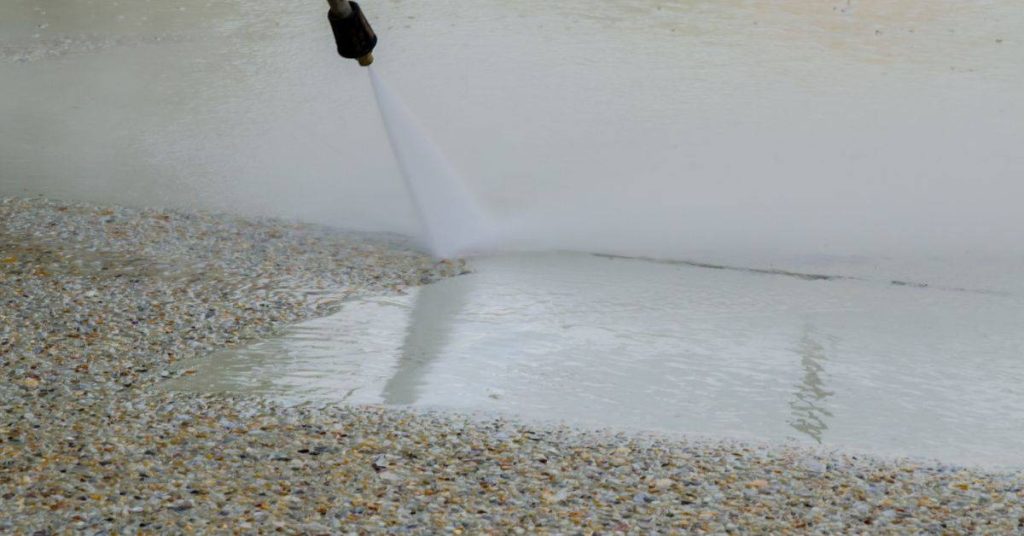
pressure washer cleaning exposed aggregate concrete surface

Concrete Countertop Mix Design for DIY: Step-by-Step Timeline and Duration Guide

Introduction Planning a concrete countertop project involves careful timing to ensure the best results. From mix design to curing, each step takes specific time commitments. This guide walks you through the timeline and duration of key processes, helping you plan your DIY project efficiently. Let’s dive into the step-by-step timeline, so you know exactly what […]

Concrete Countertop Mix Design for DIY: Step-by-Step Timeline and Duration Guide Read More »

Close-up of concrete expansion joint tooling with fresh concrete

Concrete Expansion Joint Sealants: Step-by-Step Application Timeline

Introduction Applying concrete expansion joint sealants is a crucial step in protecting your concrete surfaces from damage caused by movement and weathering. Understanding the timeline of this process helps you plan your project more effectively. Whether you’re working on a DIY project or managing a construction site, knowing how long each stage takes ensures that

Concrete Expansion Joint Sealants: Step-by-Step Application Timeline Read More »

Workers on suspended scaffold painting exterior building wall

Stucco Cure Time Before Painting: A Simple Calendar That Prevents Blistering

Introduction Stucco cure time before painting is the period you wait for the material to dry and chemically set enough to accept paint without trapping moisture. In plain jobsite terms, that means letting the stucco go from soft, damp, or lime-rich to stable and dry according to the product instructions before anyone brushes on paint.

Stucco Cure Time Before Painting: A Simple Calendar That Prevents Blistering Read More »

Closeup of a cracked white stucco wall surface

Choosing Elastomeric Coatings for Stucco: When They Help and When They Trap Moisture

Introduction Elastomeric coatings are thick, flexible paint-like products designed to bridge small cracks in stucco and shed water, but they work only when the wall is dry, well-prepared, and compatible with the substrate. Think of them as a weatherproof skin that can help stop rain infiltration on sound stucco but can trap moisture if applied

Choosing Elastomeric Coatings for Stucco: When They Help and When They Trap Moisture Read More »

Close-up of beige textured stucco wall surface

Silicate Mineral Paint on Stucco: Breathability, Prep, and Why It Bonds Differently

Introduction Silicate mineral paint is a water-based, mineral-bound finish that bonds chemically to masonry and remains vapor-permeable. It soaks into and reacts with mineral substrates rather than sitting on top like many organic paints, which is why it behaves differently on stucco. For a DIYer that means fewer film failures but you need the right

Silicate Mineral Paint on Stucco: Breathability, Prep, and Why It Bonds Differently Read More »

close-up of weathered pink stucco wall with some peeling

Fog Coating Stucco Explained: When a Thin Coat Beats a Full Repaint

Introduction Fog coating stucco is a very thin skim of paint-like material applied over existing stucco to even out color and hide minor texture issues without stripping and redoing the whole surface. Think of it as a light cosmetic refresh rather than a full repaint or re-stucco, useful when the substrate is sound but tired-looking.

Fog Coating Stucco Explained: When a Thin Coat Beats a Full Repaint Read More »

Hands holding a stud finder and marking a wall with a pencil

Stucco Efflorescence That Keeps Returning: Moisture Path Checks and Long-Term Fixes

Introduction Stucco efflorescence that keeps returning is a salt deposit left when moisture repeatedly migrates through stucco and evaporates, and the fix starts with finding and stopping the moisture paths. Look for leaks, poor flashing, grade or drainage issues, and moisture sources inside the wall assembly; check product labels and manufacturer instructions for compatible sealers

Stucco Efflorescence That Keeps Returning: Moisture Path Checks and Long-Term Fixes Read More »

Bucket of mortar with trowel amid stacked cardboard boards.

Thinset Coverage Troubleshooting: Spotting Starved Ridges, Dry Joints, and Trowel Problems Before Grout

Introduction Thinset coverage troubleshooting is the on‑site check to find areas where adhesive is too thin, has dry joints, or shows trowel-related defects before you grout. Think of it as walking the job, tapping tiles, and lifting a few to confirm full contact and correct buttering technique. Fixing issues now saves rework and loose tiles

Thinset Coverage Troubleshooting: Spotting Starved Ridges, Dry Joints, and Trowel Problems Before Grout Read More »

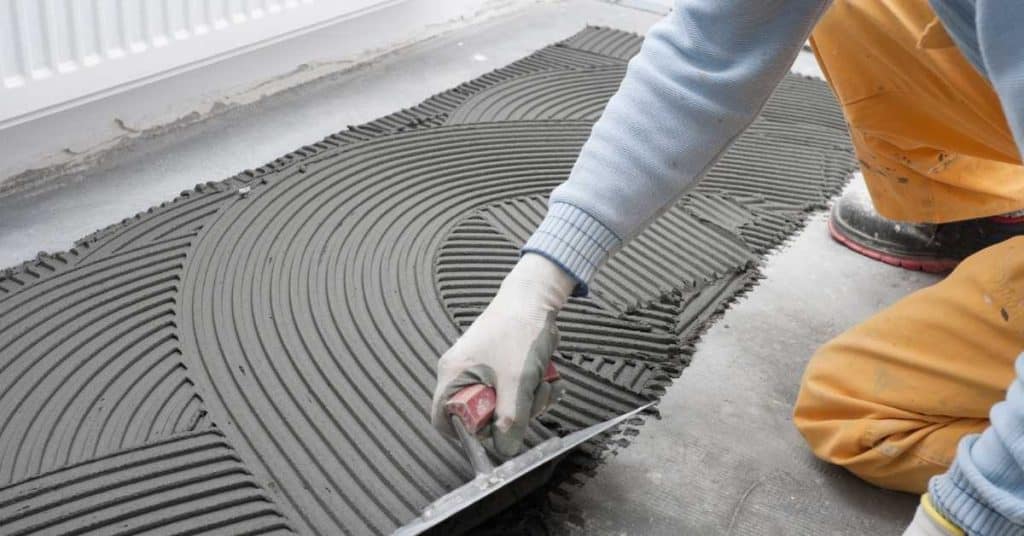
Person spreads thinset using a notched trowel, creating circular ridges.

Tile Leveling Systems Mistakes: When Clips Cause Lippage, Hollow Spots, or Wasted Time

Introduction Tile leveling systems are tools meant to hold tiles flat during setting, but when used wrong the clips and wedges can create lippage, hollow spots, or waste time. In plain terms: wrong clip placement, uneven mortar, or over-tightening are the usual culprits. This piece tells you what to watch for and how to think

Tile Leveling Systems Mistakes: When Clips Cause Lippage, Hollow Spots, or Wasted Time Read More »

Worker installing drywall ceiling panel with cordless drill

Ceiling Drywall Without a Lift: Panel Control Tricks, Temporary Bracing, and Safer Cutting Sequences

Introduction Ceiling drywall without a lift means using hand techniques, temporary bracing, and smart cutting sequences to hold and fasten panels safely when you don’t have mechanical help. This is about controlling the panel, supporting it temporarily, and cutting in the right order so you don’t fight sag or drop a sheet. Think like a

Ceiling Drywall Without a Lift: Panel Control Tricks, Temporary Bracing, and Safer Cutting Sequences Read More »