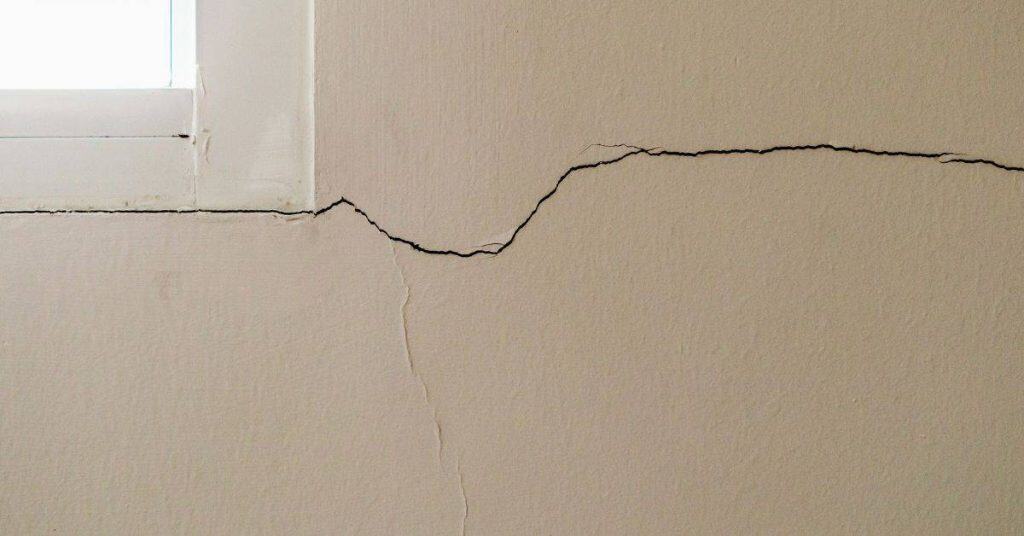
Wall with a long crack near a window frame

Plaster Cracks That Keep Coming Back: Movement Checks, Mesh Options, and Control-Joint Alternatives

Introduction Plaster cracks that keep coming back are usually signs of ongoing movement—either structural, thermal, or moisture-related—rather than a one-off surface failure. In plain terms: fix the movement first, then choose a flexible joint compound or mesh to bridge how much movement you expect and follow the product label for prep and cure times. Check […]

Plaster Cracks That Keep Coming Back: Movement Checks, Mesh Options, and Control-Joint Alternatives Read More »

Aluminum ladder next to paint cans and roller on wooden floor

Prepping Glossy Surfaces for Paint Adhesion: Bond Tests, Sanding Grits, and When Deglossers Fail

Introduction Prepping glossy surfaces for paint adhesion means removing or disrupting the shiny layer and testing the bond before committing—either by sanding, using a chemical deglosser, or combining both with the right primer. You can sometimes skip aggressive sanding if a proper deglosser and an adhesion-promoting primer are compatible with the substrate, but check product

Prepping Glossy Surfaces for Paint Adhesion: Bond Tests, Sanding Grits, and When Deglossers Fail Read More »

Man drilling into drywall while another man observes

Solo Drywall Hanging Without Damage: Carry Techniques, Corner Protection, and Smarter Staging

Introduction Solo drywall hanging without damage means using carry techniques, corner protection, and staging strategies that let one person move, lift, and position panels while controlling edges and corners to avoid dents and cracks. I’ll show practical ways to carry sheets, shield vulnerable corners, and set up the work area so you can work alone

Solo Drywall Hanging Without Damage: Carry Techniques, Corner Protection, and Smarter Staging Read More »

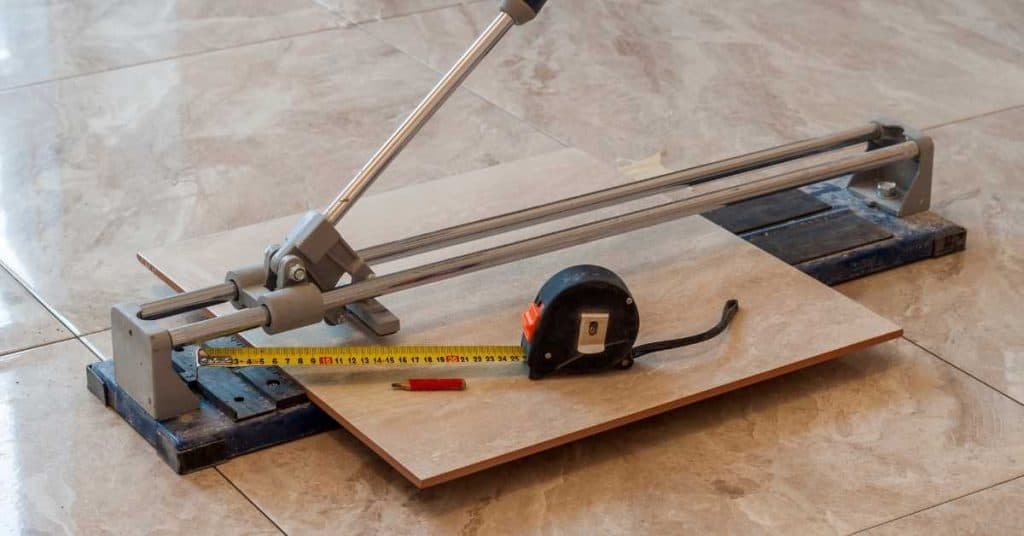
Tile cutter with tape measure and pencil on tiled floor

Tile Layout “Money Line” Mistakes: How to Avoid Skinny Cuts at Doorways, Niches, and Focal Walls

Introduction “Money line” in tile layout means the primary straight reference you use to place tiles so you avoid tiny, ugly slivers at doorways, niches, and focal walls. It’s the on-site line you snap, test-fit, and adjust before you mortar so your visible edges end up full and balanced. Think like a foreman: set the

Tile Layout “Money Line” Mistakes: How to Avoid Skinny Cuts at Doorways, Niches, and Focal Walls Read More »

Gloved hands connect electrical wires to a wall switch box.

Cutting Drywall for Electrical Boxes: Fast Templates, Router Settings, and How to Fix Overcuts Cleanly

Introduction Cutting drywall for electrical boxes means marking the box outline, cutting a neat opening, and adjusting if you nick too much so the box stays secure and the finish looks right. Think like a tradesperson: use a reliable method for layout, steady cutting tools, and check the box and device for fit before you

Cutting Drywall for Electrical Boxes: Fast Templates, Router Settings, and How to Fix Overcuts Cleanly Read More »

Pressure washer cleaning wooden deck surface

Painting After Pressure Washing: How to Tell When Siding and Masonry Are Truly Dry Enough to Prime

Introduction “Dry enough” means the surface has lost visible and tactile moisture and any trapped dampness that would prevent primer from bonding; test by touch, absorbency checks, and following product label guidance. Look for no surface sheen, no dark patches, and no water beading when you flick or blot the material, and when in doubt,

Painting After Pressure Washing: How to Tell When Siding and Masonry Are Truly Dry Enough to Prime Read More »

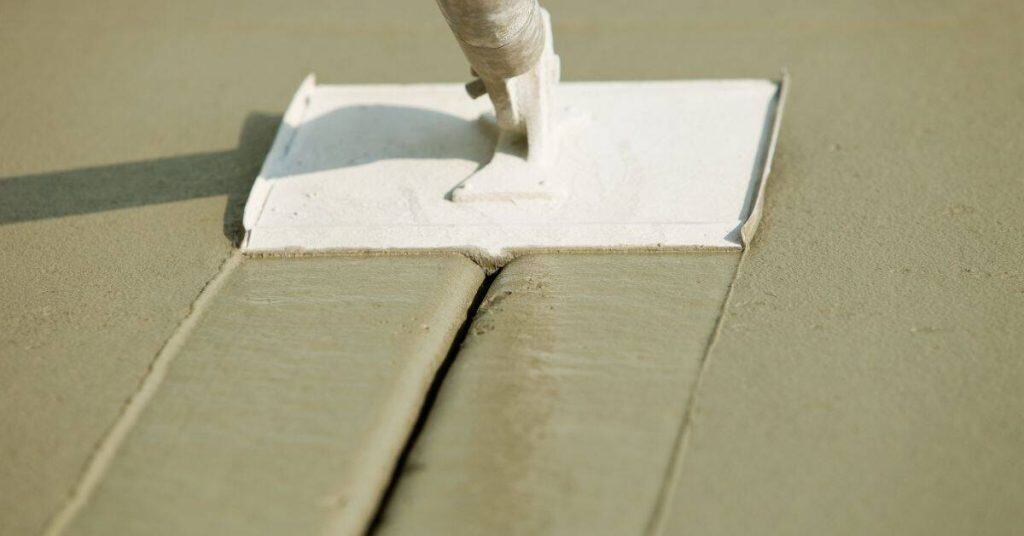
Concrete finishing tool smoothing joint line in wet concrete

Concrete Joint Failures Explained: What Goes Wrong When Control Joints Are Missing, Too Shallow, or Cut Too Late

Introduction Concrete joint failures happen when control joints are missing, too shallow, or cut too late, allowing random cracking and edge spalling instead of directing where the slab will split. In plain jobsite terms: if you don’t plan joint locations, don’t cut them deep enough, or wait too long, the slab will crack where it

Concrete Joint Failures Explained: What Goes Wrong When Control Joints Are Missing, Too Shallow, or Cut Too Late Read More »

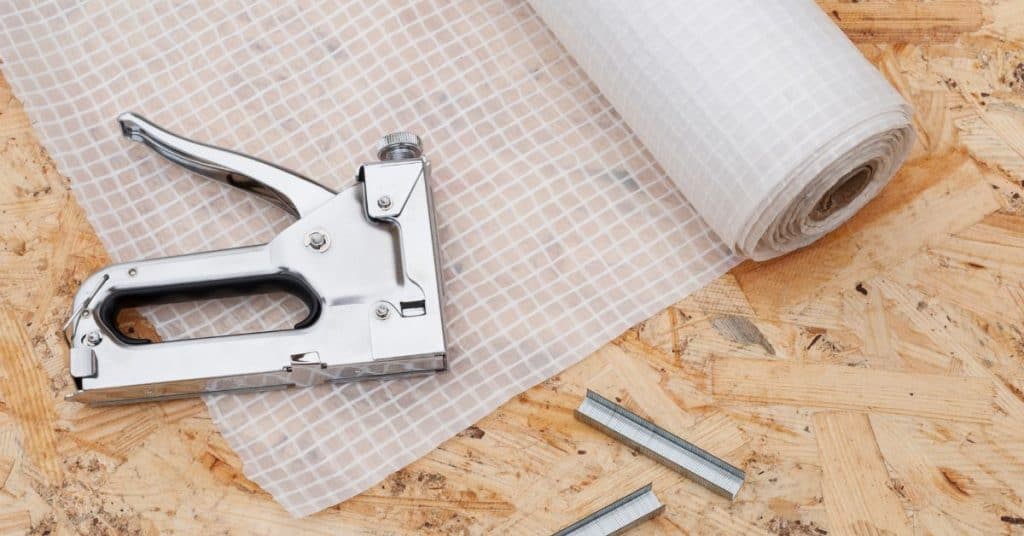
Staple gun beside roll of vapor barrier on plywood.

Vapor Barrier Under Slabs: How to Patch Tears, Seal Penetrations, and Avoid Moisture Bypass

Introduction A vapor barrier under a slab is a continuous sheet of material placed on the ground to stop water vapor from rising into the concrete; it needs to be intact, sealed at overlaps and penetrations, and taped or repaired when torn. Think practical: choose the right class of material for your project and check

Vapor Barrier Under Slabs: How to Patch Tears, Seal Penetrations, and Avoid Moisture Bypass Read More »

Radon Rough-In vs Full Mitigation Under New Slabs: Planning Vent Paths Before the Pour

Introduction Radon rough-in means running piping and electrical raceways into the slab area now so you can add a full mitigation fan and finish the system later; full mitigation means installing the active fan, routing the exhaust and testing after the slab and interior are complete. This gives you a choice at pour time: save

Radon Rough-In vs Full Mitigation Under New Slabs: Planning Vent Paths Before the Pour Read More »

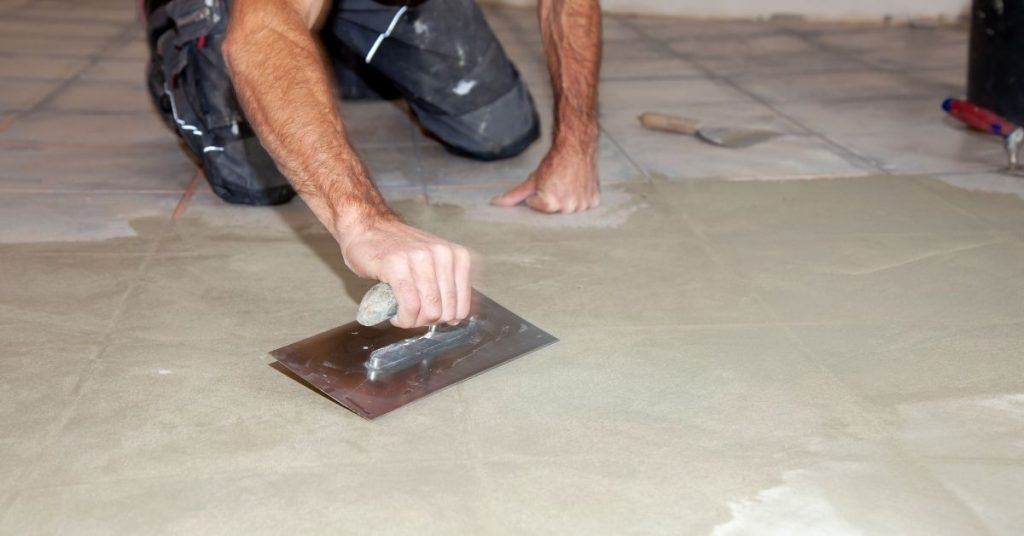
Trowel spreads leveling compound over floor during bathroom prep

Self-Leveling Compound Prep on “Problem Subfloors”: Primers, Seams, and Edge Dams That Stop Leaks

Introduction Self-leveling compound prep on problem subfloors means getting a board-backed surface ready so the liquid compound spreads and cures without running into gaps or flaking off. Think practical steps: pick a primer the compound maker recommends, seal seams and penetrations so water and dust won’t break the bond, and build temporary edge dams where

Self-Leveling Compound Prep on “Problem Subfloors”: Primers, Seams, and Edge Dams That Stop Leaks Read More »