Modern living room with gray concrete floor and gray sofa

Concrete Dyes vs Stains: UV Fade Reality and Best Uses Indoors vs Out

Introduction Concrete dyes are colorants that penetrate or bind to the surface for vivid, often translucent color, while stains are chemical or pigment treatments that change color through a reaction or surface coating; pick the product by reading the label and manufacturer instructions for your exact material. In plain jobsite terms: dyes usually give brighter, […]

Concrete Dyes vs Stains: UV Fade Reality and Best Uses Indoors vs Out Read More »

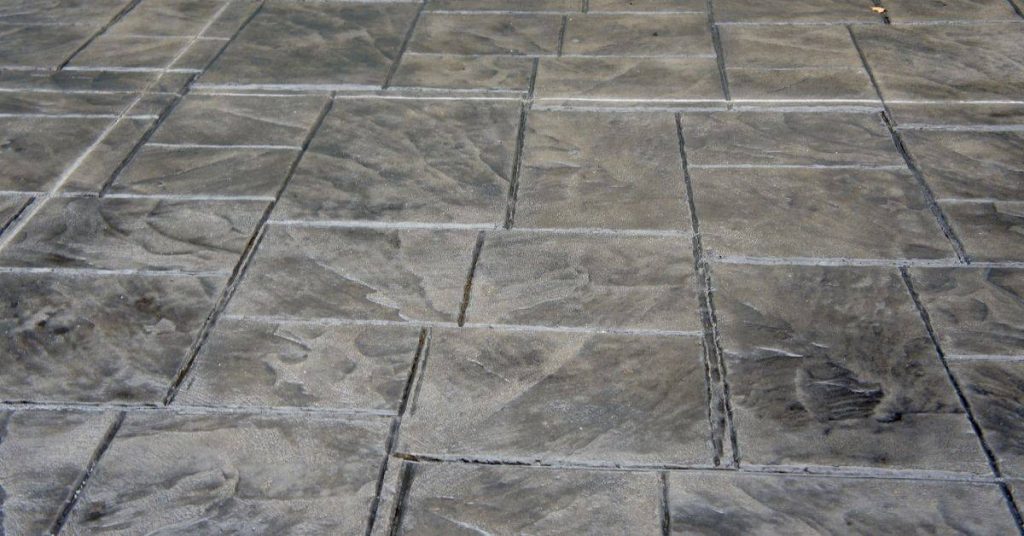
Stamped concrete patio surface with uneven stain blotches

Concrete Stain Blotchiness: Why Porosity Changes and How to Even It Out

Introduction Concrete stain blotchiness is when the color looks uneven because the slab soaks up stain at different rates. It happens because porosity varies across the surface from finishing, curing, contaminants, or patchwork. You can reduce it by cleaning, profiling, and using appropriate primers or application methods—check product labels and manufacturer instructions for compatibility. For

Concrete Stain Blotchiness: Why Porosity Changes and How to Even It Out Read More »

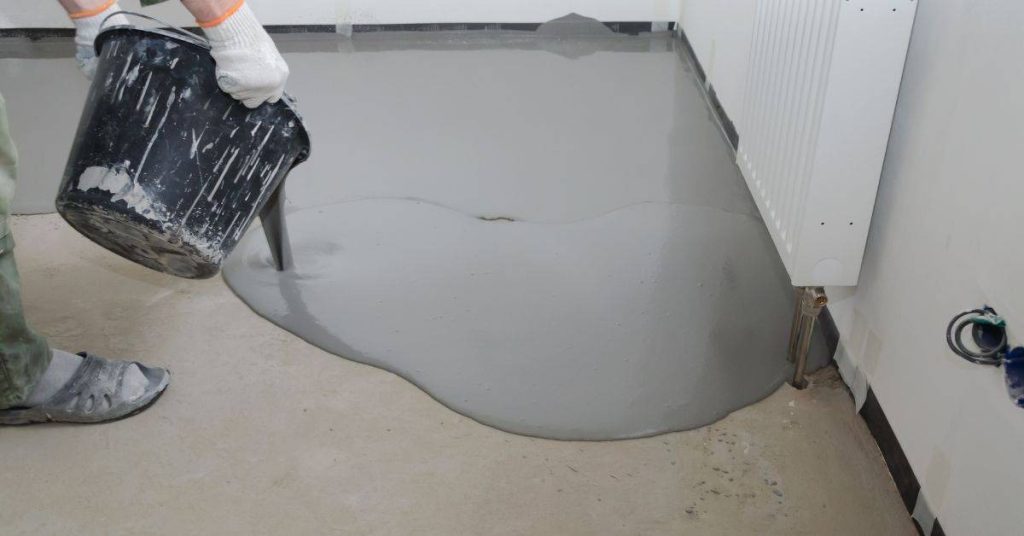
Person pouring gray self-leveling compound on concrete floor

Self-Leveling Overlay Over Concrete: Primer Steps That Stop Debonding

Introduction Self-leveling overlay over concrete is a pourable cement-based or polymer-modified material that evens a slab, and the right primer and prep are what stop it from debonding. Before you mix anything, clean and mechanically profile the slab, repair cracks and holes, and read the overlay and primer instructions for recommended substrates and pot life.

Self-Leveling Overlay Over Concrete: Primer Steps That Stop Debonding Read More »

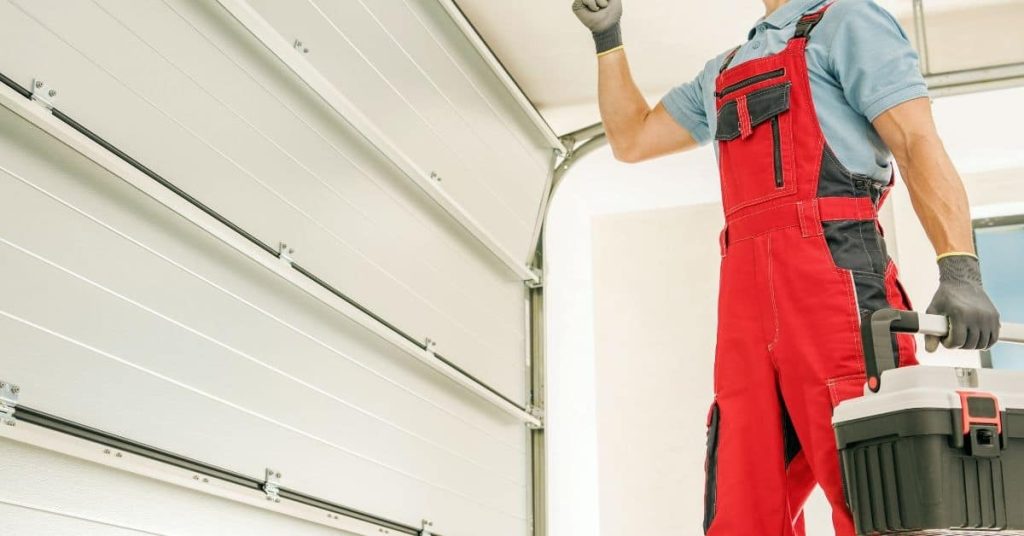
Worker in red overalls holding a toolbox in a garage

Shot Blasting Alternatives for DIY Prep: What Actually Works in a Garage

Introduction Shot blasting alternatives for DIY garage prep are practical mechanical or chemical methods you can do without industrial equipment; think grinders, diamond pads, acid etch, or degreasing depending on what the slab needs. In plain terms: grinding or diamond-sanding removes coatings and profile, chemicals etch and clean, and heavy degreasers strip oil—check product labels

Shot Blasting Alternatives for DIY Prep: What Actually Works in a Garage Read More »

Close-up of concrete floor grinding machine in use

Grinding vs Scarifying for Concrete Prep: Choosing the Right Texture for Coatings

Introduction Grinding means removing surface material with rotating diamond wheels to smooth or level concrete, while scarifying uses a drum of carbide cutters to aggressively cut grooves and remove heavy coatings; pick grinding for light profiling and scarifying for fast, deep removal. This is a practical, hands-on choice: think about how much material you must

Grinding vs Scarifying for Concrete Prep: Choosing the Right Texture for Coatings Read More »

Hand using float tool smoothing fresh concrete joint

Polyurethane Crack Sealants in Concrete: Joint Prep, Backer Rod, and Tooling Tips

Introduction Polyurethane crack sealant is a flexible caulk used to fill and seal concrete joints and cracks to keep water and debris out while allowing movement. For a good DIY result, clean the joint, set an appropriate backer rod if the crack is deep or wide, and follow the sealant manufacturer’s instructions for temperature, priming,

Polyurethane Crack Sealants in Concrete: Joint Prep, Backer Rod, and Tooling Tips Read More »

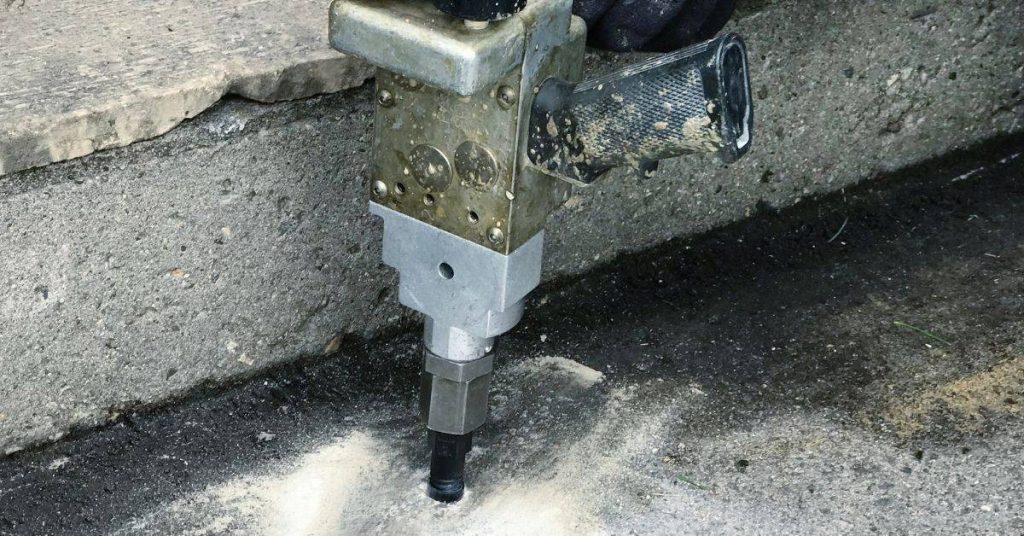
Close-up of concrete injection repair tool on cracked concrete

Epoxy Crack Injection Basics: When It’s Structural and When Flexible Sealants Are Better

Introduction Epoxy crack injection is a method that bonds and restores load-bearing concrete when a crack is clean, stable, and dry, while flexible sealants are better for cracks that move or need to keep out water without carrying structural loads. Think of epoxy like a hard glue for structural repair and polyurethane or silicone as

Epoxy Crack Injection Basics: When It’s Structural and When Flexible Sealants Are Better Read More »