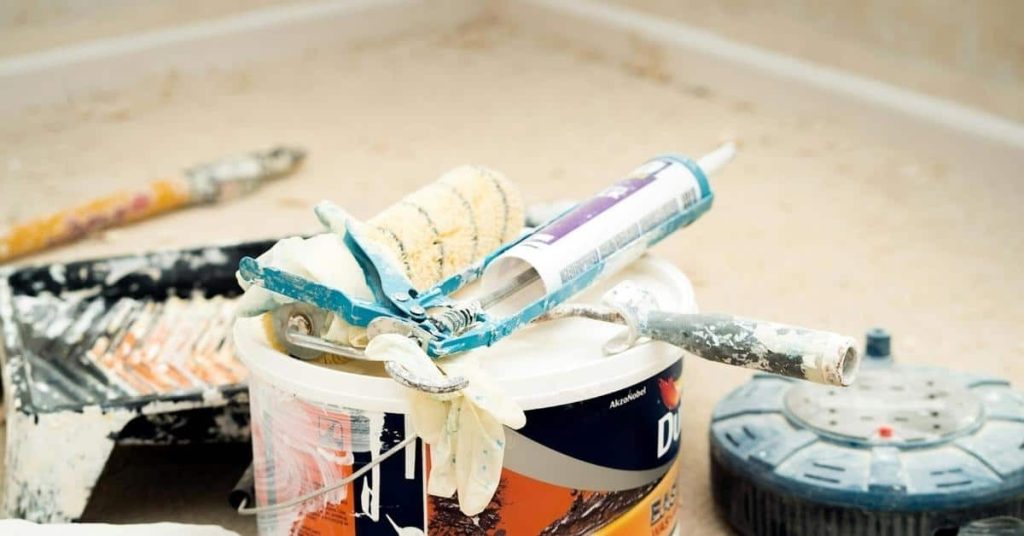
paint roller caulk gun paint bucket and paint tray on floor

Heat Guns vs Infrared Paint Removal: Speed, Risk, and Where Each Wins

Introduction Heat guns are handheld tools that soften paint with directed hot air while infrared paint removers heat a surface more evenly without open flames; choose by what you need to remove and the risks you can manage. For small, detailed work a heat gun gives control; for larger flat areas infrared can speed things […]

Heat Guns vs Infrared Paint Removal: Speed, Risk, and Where Each Wins Read More »
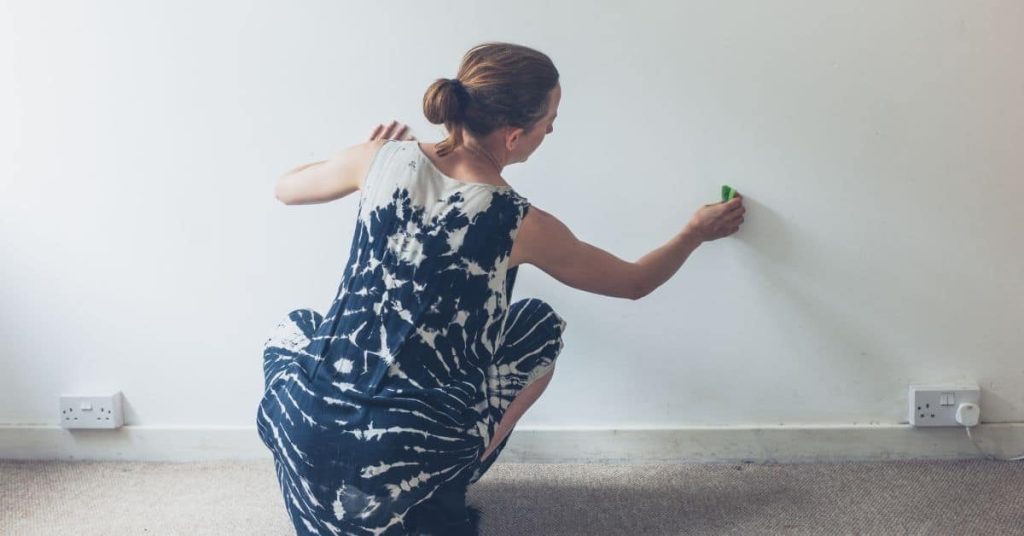
Woman scraping paint from white interior wall

Removing Paint From Masonry: Chemical Strippers vs Grinding and How to Avoid Scarring

Introduction Removing paint from masonry means choosing between chemicals that soften coatings and mechanical grinding that abrades them, and the right choice depends on the paint type, the masonry surface, and how careful you need to be to avoid damage. For a DIYer that often means weighing slower, gentler chemical strippers against faster, more aggressive

Removing Paint From Masonry: Chemical Strippers vs Grinding and How to Avoid Scarring Read More »

Hand painting wooden cabinet door with blue paint roller

Painting Over Old Limewash: Identification, Neutralization, and Best Primers

Introduction Painting over old limewash can be a challenge due to its unique composition and properties. This guide will help you identify, neutralize, and prime your limewashed surfaces for successful painting. Key takeaways Identify limewash by chalky finish, mineral content, and matte, breathable film. Test adhesion with scrape and moisture penetration before priming. Contain dust,

Painting Over Old Limewash: Identification, Neutralization, and Best Primers Read More »

Person painting interior wall with roller

Painting Over Chalkboard Paint: Bonding and How to Stop ‘Ghosting’

Introduction Painting over chalkboard paint means getting new paint to stick and look even without the old writing ghosting through; it requires cleaning, proper priming, and the right topcoat. In practice that means remove chalk residue, test adhesion, and choose a primer compatible with both the chalkboard surface and your finish. If you’re unsure which

Painting Over Chalkboard Paint: Bonding and How to Stop ‘Ghosting’ Read More »

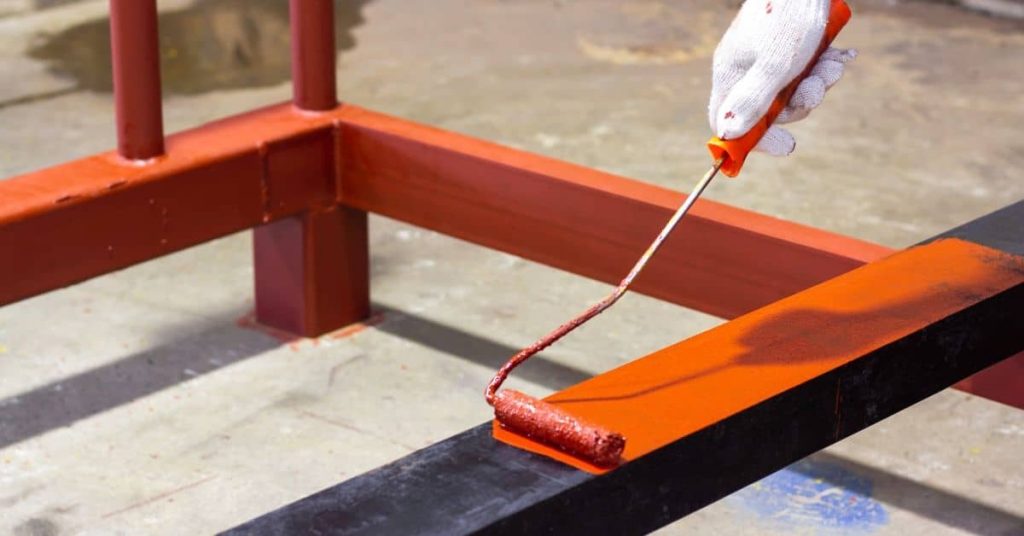
Hand painting metal structure with red paint roller

Painting Behind Radiators: Tools, Edge Control, and Heat-Cycle Considerations

Introduction Painting behind radiators means prepping a tight, hot-prone area so paint adheres and edges stay clean while you work around pipes and fins. It’s a hands-on job of turning off heat, protecting floors and fins, and using the right tools and edge control to reach back surfaces without making a mess. Check paint and

Painting Behind Radiators: Tools, Edge Control, and Heat-Cycle Considerations Read More »

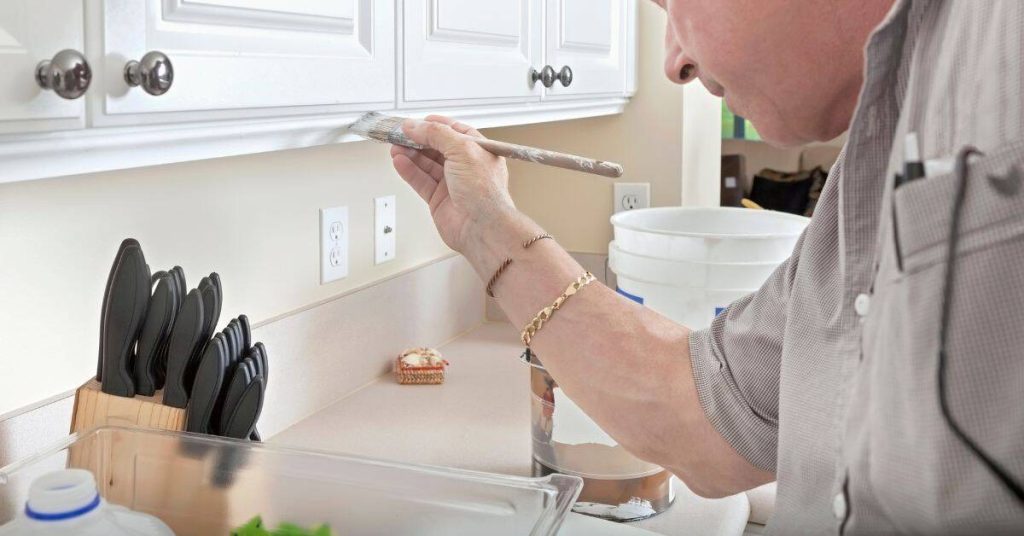
Person painting white kitchen cabinets with brush

Kitchen Paint Durability: Scrub Ratings, Sheens, and Grease-Contamination Prep

Introduction Kitchen paint durability means how well paint stands up to scrubbing, moisture, and greasy hands over time; choose products and prep methods that resist wear and wipe clean. For a DIY job, that means matching paint sheen and scrub rating to the room’s use and tackling grease and dirt before you paint. If you’re

Kitchen Paint Durability: Scrub Ratings, Sheens, and Grease-Contamination Prep Read More »

Hand rolling blue paint onto white wall with paint roller

Bathroom Paint Systems: When ‘Mildew-Resistant’ Paint Isn’t Enough

Introduction “Mildew-resistant” paint is a product label that means the coating resists surface mold under normal conditions, but it isn’t a full waterproofing or mold-removal system. In a bathroom that gets heavy steam or has leaks, the paint alone can fail; check product labels and manufacturer instructions to understand limits and recommended substrate prep. A

Bathroom Paint Systems: When ‘Mildew-Resistant’ Paint Isn’t Enough Read More »

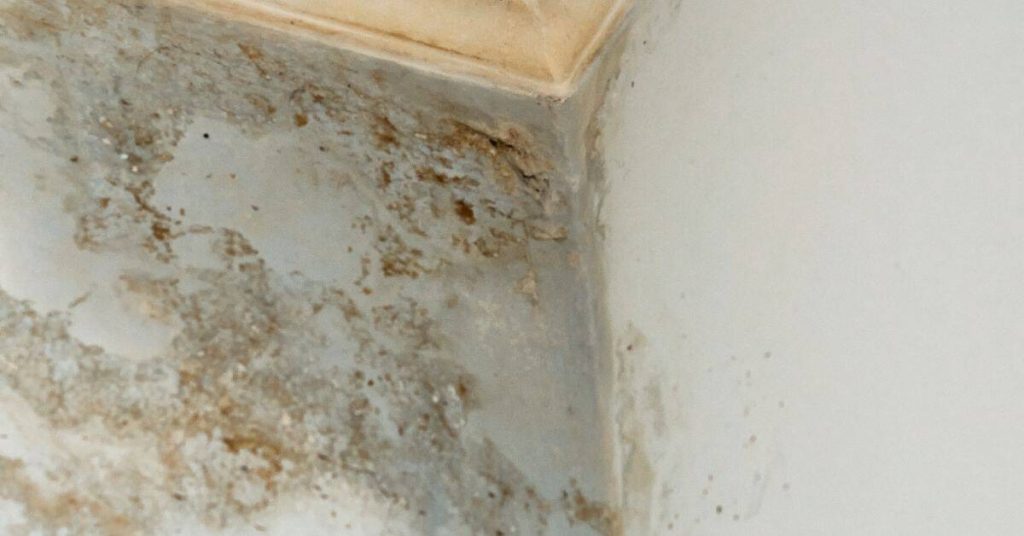
Wall corner with visible mold and water damage stains

Repainting After Mold Remediation: Drying Targets, Primers, and Mildew-Resistant Topcoats

Introduction Repainting after mold remediation means waiting until the surface is fully dry, priming any repaired or stained areas, and finishing with a mildew-resistant topcoat chosen for the substrate. Do the drying check yourself and follow product label instructions for primer and paint compatibility. Treat it like a site repair: clean, dry, prime, then topcoat.

Repainting After Mold Remediation: Drying Targets, Primers, and Mildew-Resistant Topcoats Read More »

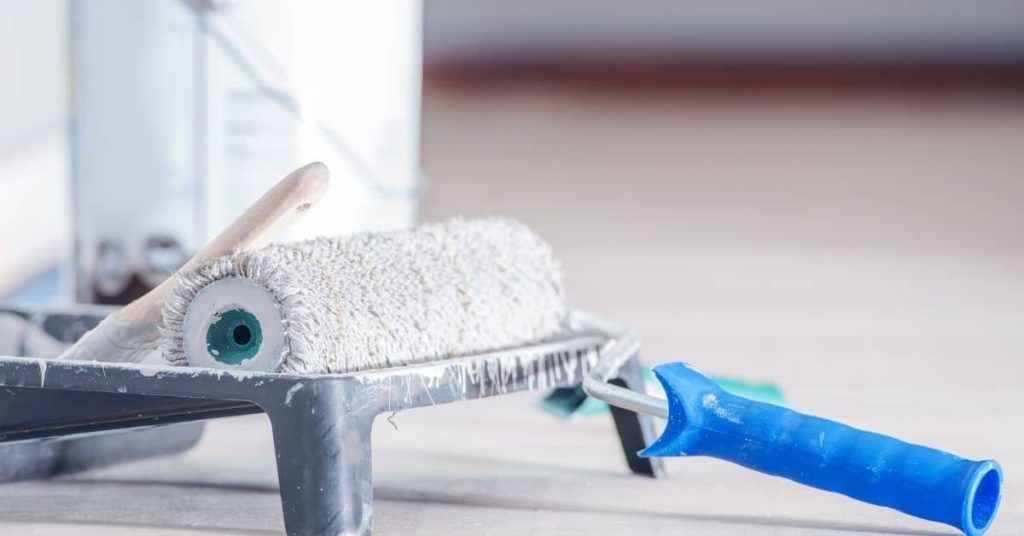
Paint roller with blue handle resting on paint tray

How to Load a Roller Correctly: Coverage, Splatter Control, and Avoiding Dry Roll

Introduction Loading a roller correctly means getting enough paint into the nap so it lays down an even coat without dripping or running. Think of it like charging a sponge: dip, roll out on the tray until it’s saturated but not shedding, and work in manageable sections so you keep the roller loaded. This prevents

How to Load a Roller Correctly: Coverage, Splatter Control, and Avoiding Dry Roll Read More »