Open metal gate with stone pillars and green landscape

How to Store Bagged Concrete: Moisture Damage, Shelf Life, and Best Practices

Introduction Storing bagged concrete means keeping the bags dry, off the ground, and protected so the mix remains usable when you need it. Moisture damage is the big risk, since humidity or leaks can turn dry premixed concrete clumps or weaken the mix. Check the bag labels and manufacturer instructions for any shelf life guidance, […]

How to Store Bagged Concrete: Moisture Damage, Shelf Life, and Best Practices Read More »
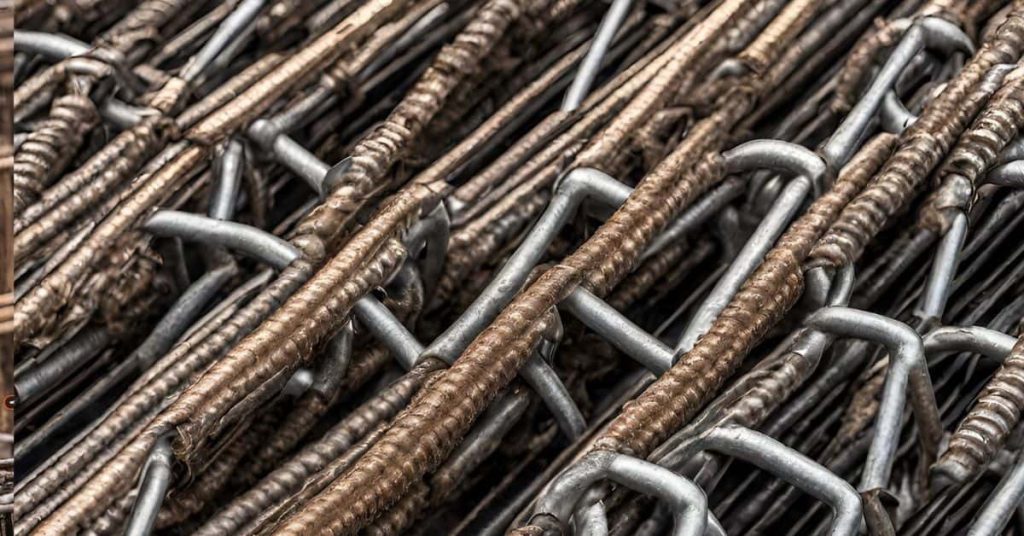
Close-up of galvanized steel rebar bundles tied with metal wires

Galvanized Rebar: Pros, Cons, and Compatibility with Repair Mortars

Introduction Galvanized rebar is steel reinforcing bar coated with zinc to resist rust. In DIY projects, that coating matters for longevity in moist concrete, but you still need to follow local rules and manufacturer guidance. When you’re tying it into repair work, consider how the galvanized surface will interact with repair mortars and what to

Galvanized Rebar: Pros, Cons, and Compatibility with Repair Mortars Read More »

Worker tying rebar with pliers on gravel base

Epoxy-Coated Rebar: When It Helps—and When It Hurts Bond

Introduction Epoxy-coated rebar is steel reinforcing bar coated with epoxy to resist moisture and corrosion. It’s used in concrete projects where moisture or soil contact is expected. Think of it as a protective shell for rebar in harsher environments. Transport and handling can be different from galvanized bars, so plan how you load, carry, and

Epoxy-Coated Rebar: When It Helps—and When It Hurts Bond Read More »

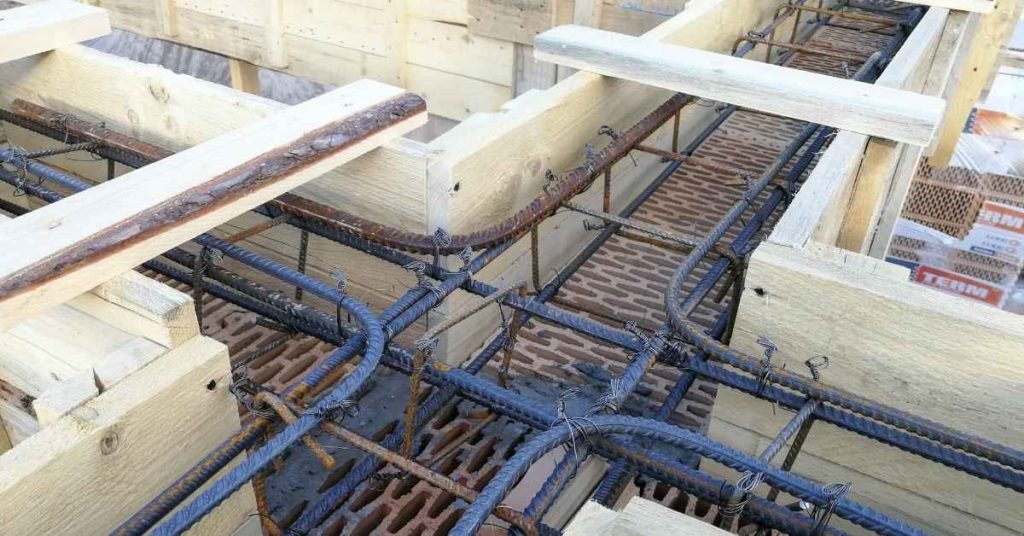
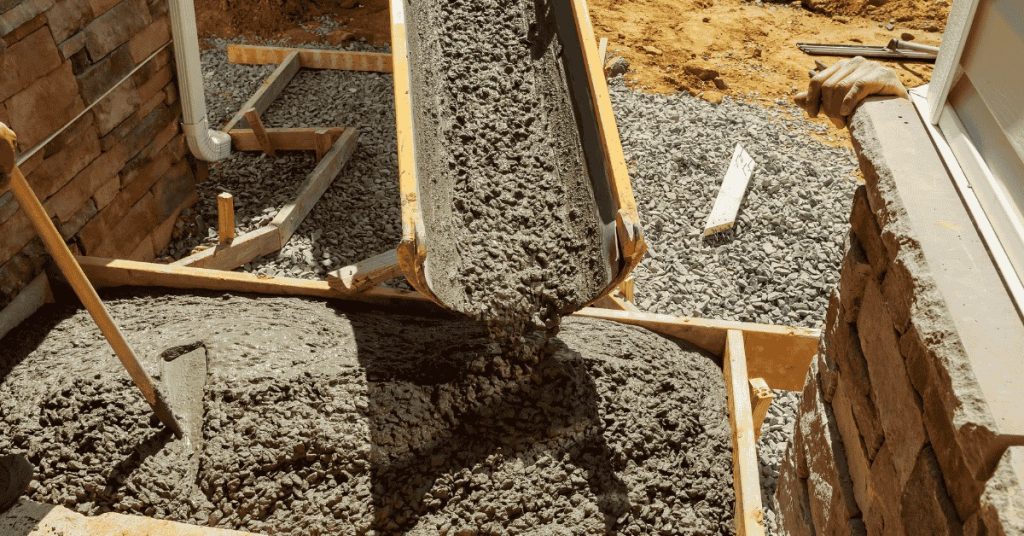
Worker pouring concrete over steel rebar grid footing

Rebar Lap Splices: Simple Rules to Avoid Short Laps in DIY Footings

Introduction A rebar lap splice is the overlapping of two reinforcing bars to transfer load from one bar to the next. In footings, this overlap helps continue the reinforcement where bars end. Check local rules and manufacturer guidance for any required overlap length or placement specifics. Make sure you place bars with proper alignment and

Rebar Lap Splices: Simple Rules to Avoid Short Laps in DIY Footings Read More »

Smooth light gray concrete wall surface with faint texture

Finishing Fiber-Reinforced Concrete: How to Avoid “Hairy” Fibers at the Surface

Introduction Hairy fibers at the surface happen when fibers protrude from the concrete finish. This surface issue is usually caused by how the mix is placed and how fibers are distributed during finishing. Work with the goal of keeping fibers below the surface as you strike off and trowel. Synthetic fibers can help with crack

Finishing Fiber-Reinforced Concrete: How to Avoid “Hairy” Fibers at the Surface Read More »

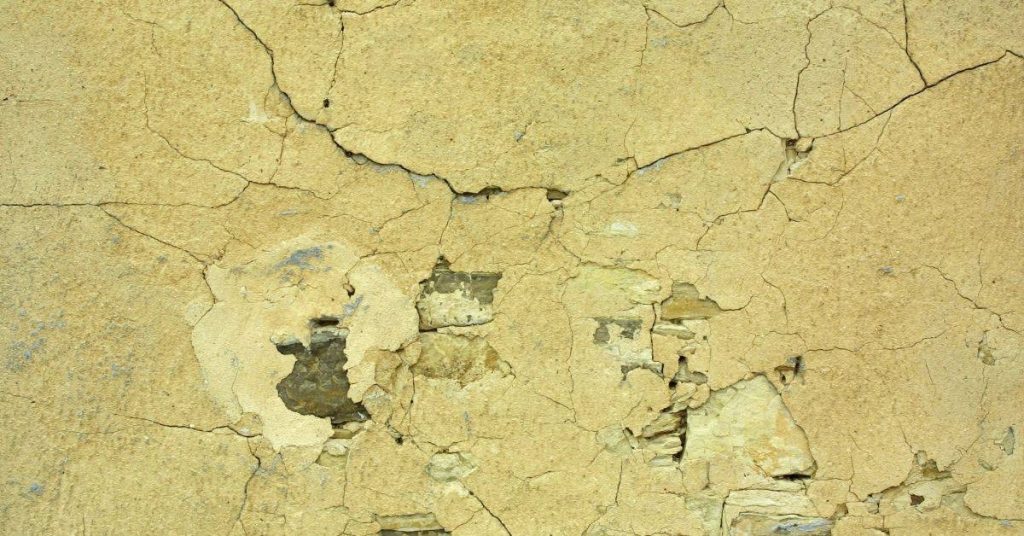
Close-up of cracked and deteriorated concrete wall surface

Microfiber vs Macro Fiber in Concrete: Which to Use (and When)

Introduction Microfibers are ultra-fine fibers added to concrete to improve toughness and crack control. Macro fibers are coarser, longer fibers that help bridge larger cracks and add toughness. For DIY projects, the choice depends on the expected loads and how much cracking you want to limit. In practice, microfibers are mixed at small doses to

Microfiber vs Macro Fiber in Concrete: Which to Use (and When) Read More »

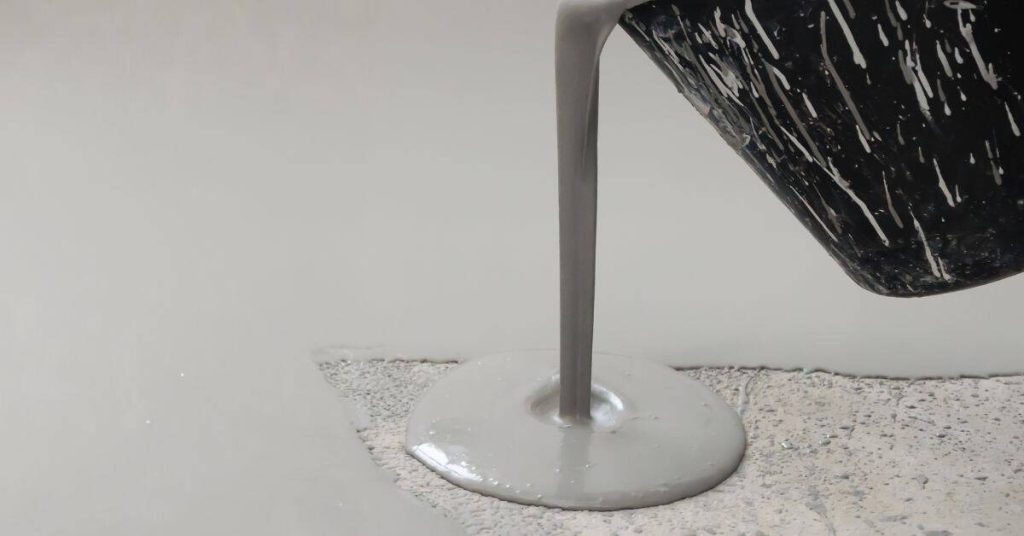
Gray liquid concrete being poured from bucket onto surface

Concrete Isolation Joints: Where to Place Them Around Walls and Columns

Introduction An isolation joint is a gap that lets the concrete slab move independently from walls and columns to prevent cracking. In this article we cover where to put them around walls and columns in a DIY-friendly way, not a textbook. Check local rules and manufacturer instructions for placement guidance. Geotechnical soil conditions and reports

Concrete Isolation Joints: Where to Place Them Around Walls and Columns Read More »