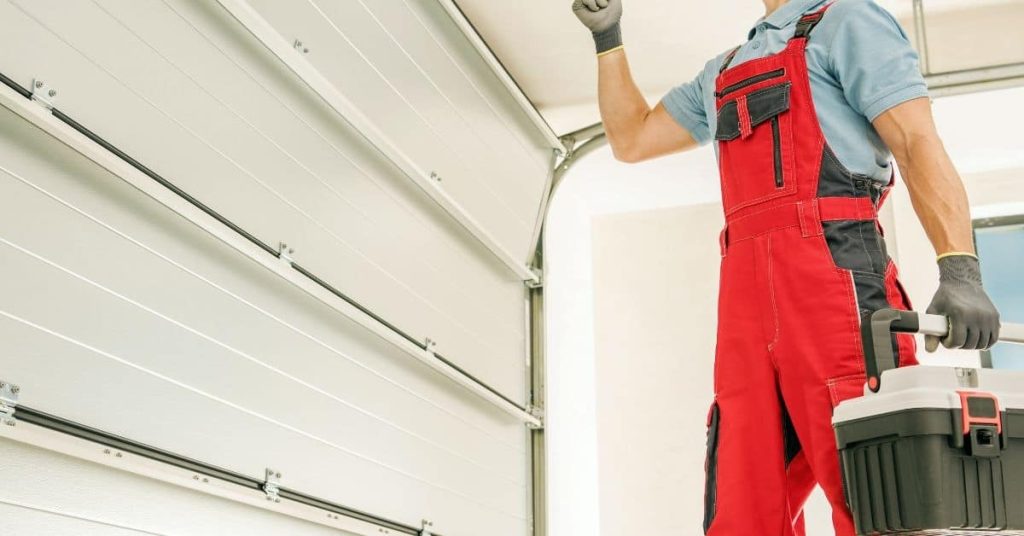
Worker in red overalls holding toolbox near garage door

Slab Insulation at Garage Door: Thermal Break Details That Actually Fit

Introduction A thermal break is a gap or barrier that reduces heat transfer between the concrete slab and the garage door opening. This introduction explains how slab insulation at the door area helps curb drafts and heat loss in plain, hands-on terms. We’ll keep it practical and avoid tech-heavy jargon so you can plan a […]

Slab Insulation at Garage Door: Thermal Break Details That Actually Fit Read More »

Workers pouring concrete over steel rebar on construction site

Monolithic Slab Thickened Edge: Layout, Rebar, and Insulation Details

Introduction A monolithic slab thickened edge is a single concrete slab with a wider edge around the perimeter to act as part of the structural footing. It combines layout, reinforcement, and thermal details in one pour for a simpler, continuous structure. In plain terms, you’re planning the edge thickness, where the rebar goes, and how

Monolithic Slab Thickened Edge: Layout, Rebar, and Insulation Details Read More »

Worker using power trowel on fresh concrete slab

Concrete Finishing in Wind: Evaporation Control and Burn Risks

Introduction Concrete finishing in wind means shaping and smoothing concrete while wind speeds pull moisture away, increasing surface evaporation. Wind can cause rapid surface drying and burn risks if you rush finishing actions. Work with small batches, plan timing, and watch the surface for signs of drying. Use evaporation control methods such as misting, shade,

Concrete Finishing in Wind: Evaporation Control and Burn Risks Read More »

Hand tool smoothing a concrete slab surface outdoors

Concrete Dust Control: HEPA Vac Basics for Grinders and Cutters

Introduction HEPA vacuums are high‑efficiency cleanup tools that trap fine concrete dust while you grind or cut. They help reduce airborne dust exposure and keep your work area cleaner, especially when paired with the grinder or cutter you’re using. Use them with care, following the tool’s setup steps and maintaining the filter and hose connection

Concrete Dust Control: HEPA Vac Basics for Grinders and Cutters Read More »

Close-up of drill bit covered in reddish dust on powder surface

Shot Blasting for DIY? Rental Options, Dust Control, and When It’s Worth It

Introduction Shot blasting is a surface preparation method that uses high-velocity abrasive to clean and roughen a surface. For DIY projects, you can rent equipment and compare how it fits your time, budget, and safety plan. Always check the operator’s manual and local rules for ventilation and containment before you start. There are walk-behind, self-propelled,

Shot Blasting for DIY? Rental Options, Dust Control, and When It’s Worth It Read More »

Close-up of rough textured concrete surface showing small pebbles

Concrete Surface Profile (CSP): What It Means and How to Achieve It

Introduction CSP, or Concrete Surface Profile, is the roughness pattern of a freshly poured concrete surface that helps coatings grab hold. It describes how the top layer is prepared to receive a finish. You’ll influence it by how you treat the surface during finishing and, if needed, with light grinding or etching to adjust texture.

Concrete Surface Profile (CSP): What It Means and How to Achieve It Read More »

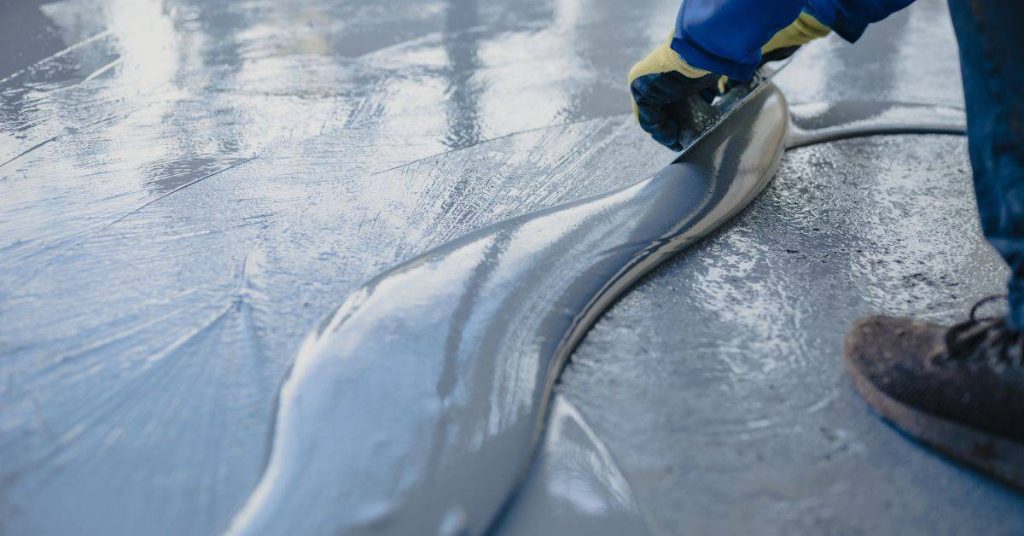
Worker applying grey epoxy floor coating with gloved hand

Primer for Overlays: Acrylic vs Epoxy (Choosing the Right System)

Introduction Acrylic and epoxy primers are two common options for preparing concrete overlays, each with distinct behavior and work styles. Acrylic primer typically dries faster and tolerates some movement, while epoxy primer tends to offer greater adhesion and chemical resistance. Look at the label for cure times, substrate compatibility, and any recommendations for overlays to

Primer for Overlays: Acrylic vs Epoxy (Choosing the Right System) Read More »

Rusty rebar grid and foam insulation panels in concrete form

Concrete Cover Requirements: What “Cover” Means and How to Measure It

Introduction Concrete cover is the distance from the outer surface of the concrete to the embedded steel or other reinforcement. In DIY terms, it protects steel from moisture and corrosion and helps the structure resist fire. Check the manufacturer’s instructions or local rules for any minimums. To measure cover, use a tape, ruler, or a

Concrete Cover Requirements: What “Cover” Means and How to Measure It Read More »