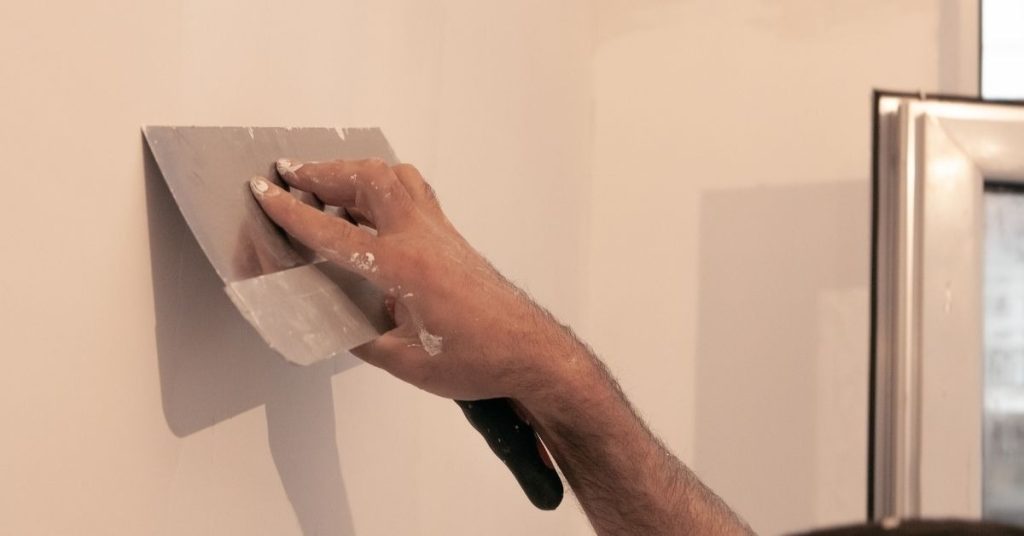
Close-up of dusty white plaster wall texture

Priming Dusty Plaster: Sealing chalky walls so paint actually bonds

Introduction Priming dusty plaster means applying a compatible primer to seal chalky surfaces so paint can properly adhere. This helps the surface hold onto new paint and reduces peeling. Check the primer label for suitability with plaster and ensure the wall is clean and dust-free before applying. If in doubt, consult the product instructions and

Priming Dusty Plaster: Sealing chalky walls so paint actually bonds Read More »

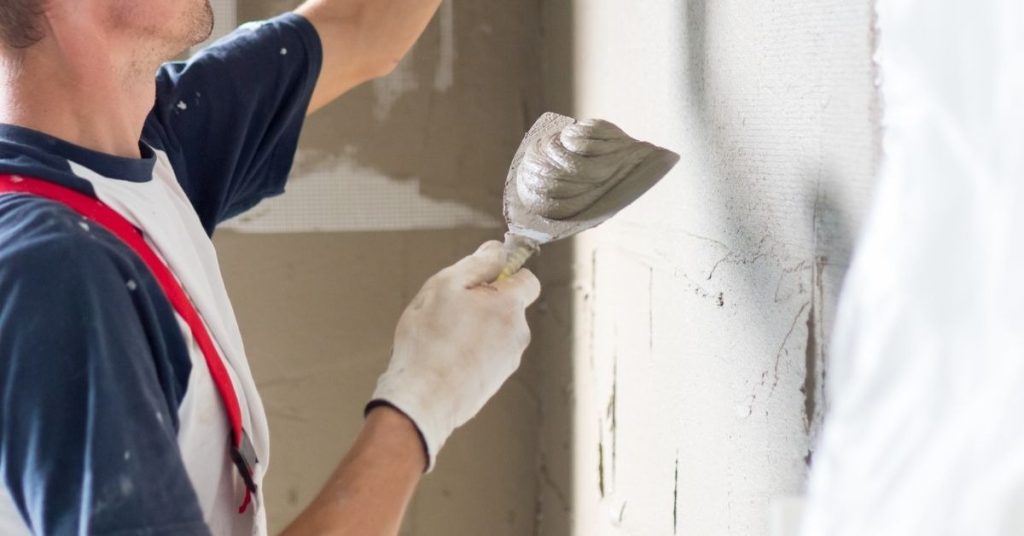
Person applying plaster to a wall using a trowel

Matching Wall Texture After Plaster Repairs: Tools and timing that blend

Introduction Matching wall texture after plaster repairs means blending new texture with existing wall so the repaired area looks seamless. The goal is a finish that doesn’t draw attention to the repair. Keep the approach practical and unobtrusive, focusing on a natural transition rather than a perfect patch. You’ll need the right tools and the

Matching Wall Texture After Plaster Repairs: Tools and timing that blend Read More »

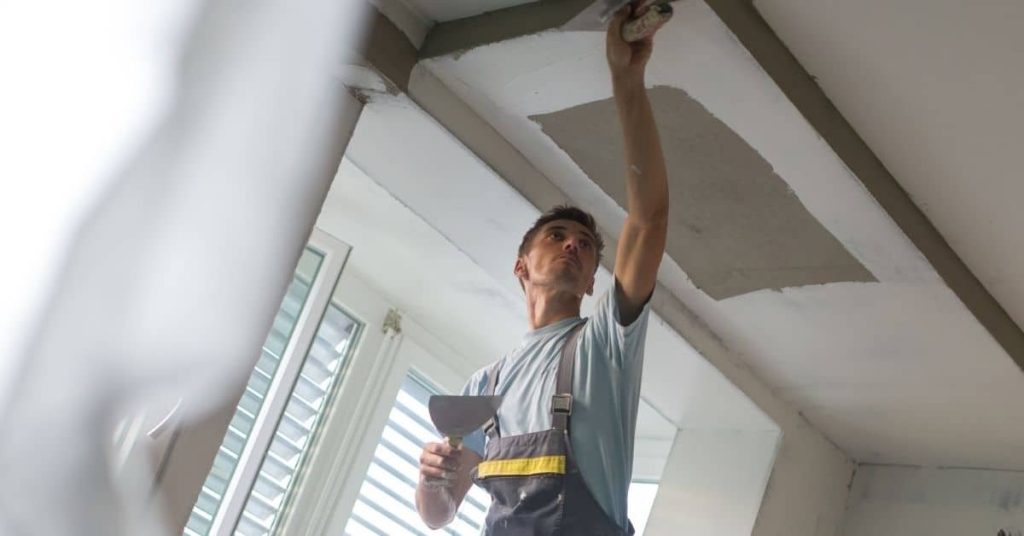
Blue ladder in room with patched plaster walls

Baseboard Removal on Plaster: Patching without ripping out keys

Introduction Baseboard removal on plaster means carefully taking off the trim without damaging the plaster or its backing keys. It’s a hands-on task that requires gentle prying, small cuts with a utility knife, and patience. Plan to protect the wall surface and reuse or replace the trim as needed. Patching after removal focuses on backfilling

Baseboard Removal on Plaster: Patching without ripping out keys Read More »

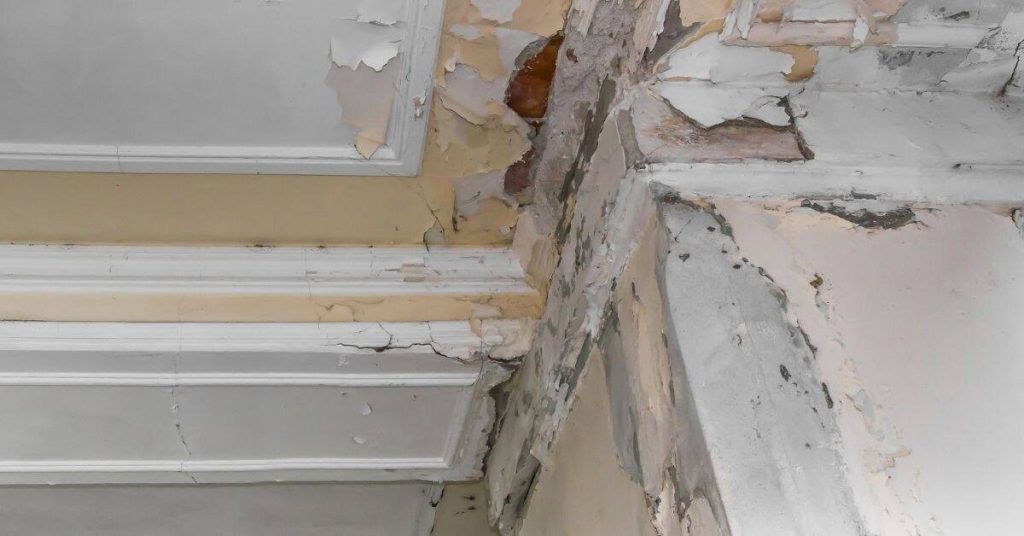
Close-up of cracked and peeling plaster ceiling with crown molding

Water-Damaged Plaster: What to remove, what to dry, and what to rebuild

Introduction Water-damaged plaster needs to be removed, dried, and rebuilt in a practical, step-by-step way. You’ll determine what to remove, what to dry, and what to replace based on how far the damage has spread. This article keeps the tone hands-on and avoids fluffy theory. Start by inspecting the area to judge how much material

Water-Damaged Plaster: What to remove, what to dry, and what to rebuild Read More »

Cracked plaster corner with yellow and white walls

Salt Damage in Plaster: Stopping recurring powder and flaking on masonry walls

Introduction Salt damage in plaster is when mineral salts from the masonry migrate into the plaster and cause powdering and flaking. This often happens as moisture moves through the wall and brings salts to the surface, weakening adhesion. The fix starts with locating the moisture source and choosing a repair approach that fits the wall

Salt Damage in Plaster: Stopping recurring powder and flaking on masonry walls Read More »