

Introduction
Blending tooled and saw-cut concrete joints means intentionally combining hand-worked joints with later-cut joints to create a varied, cohesive joint pattern. This approach requires planning the joint locations and finishing texture so appearance looks deliberate. Keep in mind the different tools and methods affect edge quality, so confirm your plan before you cut.
Before cutting or tooling, prepare the site and protect surrounding areas to control dust and debris. Understand the basic options for concrete cutting and tool selection to match your project goals. Check manufacturer guidance and local rules for any limitations, and verify what to check on the material and edge finishes.
Key takeaways
- Assess project goals to blend tooled and saw-cut joints for intentional look.
- Check control joint placement early; plan transitions during final layout and pours.
- Select compatible tools and blades; match depth, spacing, and finish between joints.
- Prepare the slab surface, cure considerations, and dust control before cutting.
- Safety: wear eye protection, hearing protection, and monitor for kickback.
- Evaluate cost implications and when professional help is warranted for complex transitions.
- Inspect finished joints for uniform appearance and signs of cracking or displacement.
Table of Contents
- Introduction
- Key takeaways
- Why Blend Tooled and Saw-Cut Joints?
- Understanding Control Joints, Tooled Joints, and Saw-Cut Basics
- Quick Planning and Decision Checklist for Last-Minute Changes
- Tools, Materials, and Material Specs to Check
- Site Preparation and Safety for Cutting and Joint Finishing
- Techniques for Seamless Transitions Between Tooled and Saw-Cut Joints
- Common Mistakes, Costs, and When to Hire a Professional
- Post-Work Evaluation, Maintenance, and Signs You Need Repair
- Conclusion
- FAQ
Why Blend Tooled and Saw-Cut Joints?
Blending tooled and saw-cut joints offers practical benefits that help manage late changes without creating obvious seams. The approach improves crack control by distributing movement more evenly across the joint system and can accommodate transitions between masonry work or flooring surfaces. When planned thoughtfully, blending reduces the visual impact of reworking joints and helps keep transitions cohesive with surrounding finishes.
Aesthetic alignment hinges on matching joint depth, texture, and edge treatment to surrounding concrete surfaces and existing forms. The choice between blended joints and pure tool-cut or saw-cut depends on context, timing, and finished appearance. Implementing blending techniques such as filler, feathering, or light grinding requires careful criteria, surface prep, and surface testing to ensure the result reads as deliberate rather than improvised.
Aesthetic vs. Structural Priorities
When blending tooled and saw-cut concrete joints, it’s crucial to balance aesthetic appeal with structural integrity.
Appearance: Matching joint depth, texture, and edge treatment creates visual continuity with surrounding finishes. This helps late changes blend seamlessly into the existing design.
Crack Control: Blending joints improves crack control by distributing stress evenly across the surface. This reduces visible seams and maintains structural integrity even when last-minute changes are needed.
Common Scenarios Prompting Last-Minute Changes
Last-minute changes often arise due to unforeseen site conditions, design modifications, or unexpected slabs.
Design Changes: Blending allows for quick adjustments when design elements are altered late in the construction process. It helps maintain visual continuity and reduces disruption.
On-Site Conditions: Unforeseen site conditions may necessitate changes to concrete placement or slab sizes. Blended joints can accommodate these on-site adjustments, making them less noticeable.
Unexpected Slabs: If additional slabs are needed due to unexpected requirements, blending allows these late additions to integrate more smoothly into the existing layout.
Understanding Control Joints, Tooled Joints, and Saw-Cut Basics
Control joints, tooled joints, and saw-cut joints each have distinct meanings and on-site visual cues. Keep definitions simple: control joints manage cracking; tooled joints are surface-defined grooves created during finishing; saw-cut joints are cleanly cut after placement. Recognize these cues quickly to avoid miscommunication during install and inspection.
Use cases follow general patterns: slabs often rely on control joints to direct movement, sidewalks may favor saw-cut joints for precise spacing, and timing relative to curing influences performance. Placement guidelines cover basic considerations for depth, alignment, and consistency to ensure joints function as intended and appear purposeful. When options overlap, blended-appearance strategies can bridge last-minute changes while maintaining structural integrity.
How saw-cutting works and when to use it
Saw-cutting involves using a diamond blade-equipped slab saw to create precise, straight joints in concrete slabs. This method is particularly useful for late-stage joint placement, allowing for better control over cracking patterns and aesthetic consistency.
When to use saw-cutting: Saw-cutting is ideal when you need to place joints after the slab has gained sufficient strength (typically around 50% of final), ensuring minimal damage to the slab. It’s also useful for creating deep, precise joints in thick slabs.
Pro tip: Always ensure your saw blade is clean, sharp, and suitable for the type of concrete being cut to prevent binding or breaking.
Tooled joints: technique and visual characteristics
Hand tooled joints are formed using a tool with a floating blade, creating unique finishes that can blend imperfections in the concrete surface.
- Floating Blade: A straight-edged tool with a flexible blade that creates a smooth, even joint finish. Tip: Regularly check and adjust the blade’s depth to maintain consistent joints.
- Bull-nosed Tool: Creates a rounded joint profile, useful for reducing tripping hazards on sidewalks or other high-traffic areas.
- Square Nose Tool: Produces a 90-degree angle joint, ideal for slabs with clean, sharp edges.
- V-Groove Tool: Forms a V-shaped groove in the joint, adding visual interest and helping to direct water runoff.
- Rentable Tools: Many tooled joint tools can be rented or borrowed, providing cost-effective options for infrequent use. Pro tip: Always inspect rental tools before use to ensure they’re in good working condition.
Quick Planning and Decision Checklist for Last-Minute Changes
Identify who must approve a last-minute blending decision and set a concise decision deadline to keep the schedule intact. The goal is to blend joints intentionally or defer with a documented rationale that protects both performance and finish quality. Clarify ownership early to reduce back-and-forth and rework risk.
Rapid risk flags help guide action: look for major cracking, uneven surfaces, excessive moisture, or recent temperature shifts that complicate a blend. If such signs are present, slowing down and documenting a planned deferment may be safer than rushing a compromise joint. Keep notes ready for the decision path chosen and the justification behind it.
On-site visual checkpoints
Before making any decisions, perform a quick on-site inspection to assess the current state of your concrete slab.
- Surface condition: Inspect for significant cracking, unevenness, laitance, or contamination that could affect bond quality. If observed, consider deferring blend until cause is addressed.
- Existing joint layout: Verify joint spacing and saw-cut depth match plans. Check if any joints are already set or have forms in place. Incorrect layout may lead to weakened joints or tripping hazards.
- Reinforcement exposure: Briefly assess for any exposed reinforcement. Unexpected elements could cause structural issues.
- Slab age and cure status: Confirm slab is old enough and sufficiently cured for blending. Check recent load exposure. Inadequate curing may result in weakened joints.
- Moisture content: Assess surface moisture levels and check for bleed water issues. Excessive moisture can compromise bond strength.
- Temperature swings: Note any recent temperature fluctuations that could affect curing. Rapid temperature changes may cause cracking or weakening.
- Form conditions: Check if forms are properly set and secure. Unstable forms can lead to uneven slabs or joint misalignment.
- Load-bearing considerations: Ensure changes won’t violate code or warranty terms regarding load-bearing capacity. Violations may result in structural issues or voided warranties.
Quick rule: Document all findings and rationale, update stakeholders on any changes to plan.
Who to call and when to pause work
Knowing when to consult an engineer or stop work is crucial for maintaining safety and structural integrity.
- Unexpected reinforcement exposure: If exposed reinforcement is detected, pause work immediately. Consult an engineer before proceeding. Unanticipated reinforcement may cause structural concerns.
- Major cracking: If significant cracks are observed, pause work and notify the project manager and engineer for assessment. Major cracking could indicate serious structural issues.
- Load concerns: If there are signs of excessive loading or potential overloading, pause work and consult an engineer. Overloading can lead to slab failure.
- Uneven slab: If the slab is uneven or out of level, pause work and assess the cause with your project manager. Unevenness may indicate underlying structural issues.
- High moisture content: If surface moisture levels are excessively high, pause work until conditions improve. Consult an engineer if unsure about proceeding. Excessive moisture can compromise bond strength and curing.
- Temperature extremes: If temperatures are extremely hot or cold, pause work if blending is not feasible within acceptable curing timelines. Consult an engineer for guidance. Extreme temperatures may affect curing and bond strength.
Quick rule: Always document the reason for pausing work, update stakeholders on action taken, and expected resolution.
Tools, Materials, and Material Specs to Check
Confirm blade types and compatibility for concrete cutting and scoring, including whether dry or wet cutting is appropriate and any RPM guidance from manufacturer data. Verify that the chosen blade will achieve the desired depth and finish without excessive chatter or failure. If in doubt, review the label and datasheet before proceeding.
Review saw options, power sources, and dust-control requirements to match the site conditions. Outline jointing tools and finish options, and consider how blade choice will influence joint depth and width. Check sealants and repair materials for compatibility with both joint types and confirm curing or substrate prep needs according to labels and manufacturer instructions.
Tools and materials checklist
To effectively blend tooled and saw-cut concrete joints, ensure you have the right tools and consumables on-site. Here’s a list to check:
- Diamond or Carbide-Tipped Blades: For cutting and scoring concrete. Verify blade type compatibility with your saw and confirm RPM limits and wet/dry cutting suitability.
- Concrete Saw (Handheld or Walk-Behind): Choose based on job size and depth requirements. Consider power source and dust control needs.
- Jointing Tools: Groovers, routers, or abranets for finishing joints. Select blades that match your desired joint depth, width, and alignment.
- Sealants (Urethane/Polyurea): To protect joints from moisture and debris. Ensure compatibility with concrete substrate and expected temperature/humidity conditions.
- Repair Materials (Epoxy/Cementitious Patches): For filling and repairing joints. Check for compatible materials that match your substrate and application needs.
Material specs and standards explained
Choosing the right materials is crucial for successful blending of tooled and saw-cut concrete joints. Here are key material specifications to check:
- Joint Sealants: Review product datasheets and local codes to ensure compatibility with your substrate and expected temperature/humidity conditions. Avoid sealants that can crack, stain, or have weak bond strength.
- Concrete Mixtures: Verify opening sizes, mixing instructions, and any installation constraints according to the manufacturer’s guidelines. Follow industry standards for consistent results.
- Concrete Blades: Confirm blade type compatibility with your saw and check RPM limits and wet/dry cutting suitability. Incorrect blades can cause damage or poor cuts.
- Joint Fillers: Ensure joint fillers are compatible with your concrete substrate and application conditions. Incompatible fillers may lead to cracking or discoloration.
- Adhesives: When using repair materials, confirm the adhesive’s compatibility with your substrate and expected environmental conditions. Weak adhesion can result in failed repairs.
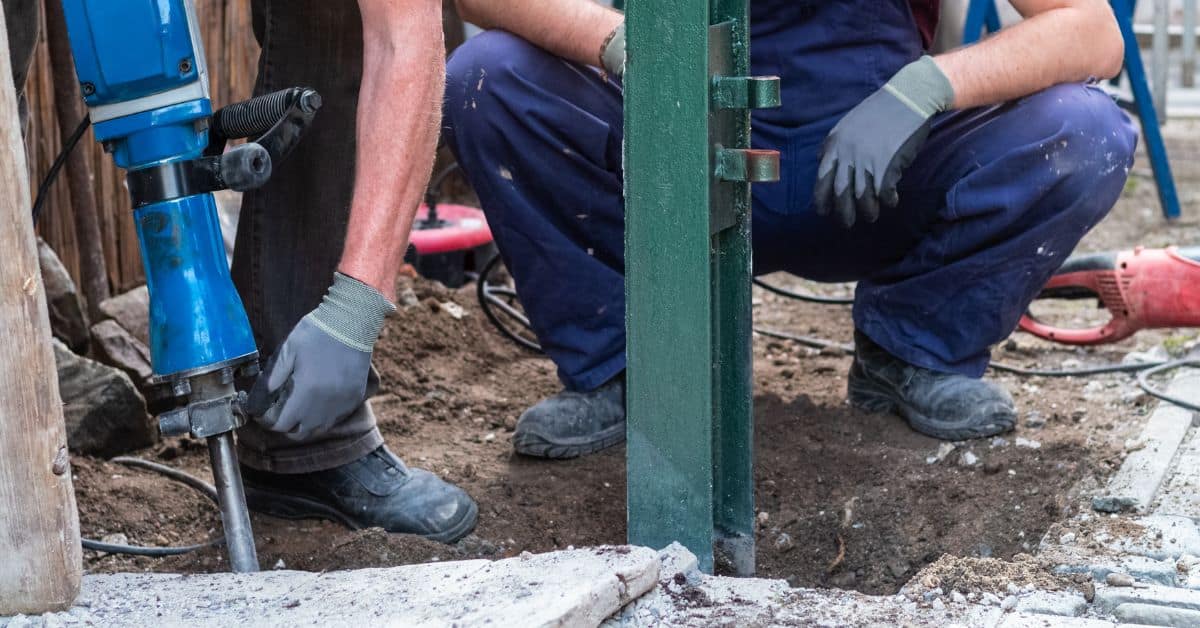
Site Preparation and Safety for Cutting and Joint Finishing
Prepare the work area by cleaning the surface and marking the joint lines clearly while protecting adjacent finishes from splatter or damage. A thorough prep reduces rework by ensuring joints start true and clean. Have a clear plan for surface protection during cutting and finishing to maintain existing aesthetics.
Improve safety through dust control and proper PPE. Use eye and face protection, respirators or dust masks, hearing protection, gloves, and sturdy footwear as appropriate. Establish barriers and signage to keep nonessential personnel out of the work zone and to minimize rework due to debris or damage.
Preparing the slab and surrounding area
Begin by ensuring clear access for your saws and finishing tools. Remove any debris or obstacles from the work area.
Use a straight edge and a marker to clearly define the cut/joint lines on the surface of the concrete. This will serve as your guide during the cutting process.
Protect adjacent surfaces from splatter or damage using edge protectors, painter’s tape, or masking film. Ensure proper overlap to prevent staining or chipping of nearby finishes.
Safety precautions and dust control
Wear appropriate personal protective equipment (PPE), including eye/face protection, respirators or dust masks, hearing protection, and sturdy footwear.
Implement dust control measures such as using water spray or dust suppression systems to minimize airborne particles. Consider local exhaust ventilation or PPE with respirators for added protection.
Temporarily barricade the work area to limit access and prevent accidents. Ensure that all utilities in the vicinity have been properly located and marked before starting any cutting operations.
Techniques for Seamless Transitions Between Tooled and Saw-Cut Joints
The key point is to make transitions read as intentional by aligning depth, width, and profile between tooled and saw-cut joints, and by matching finishes and feathering at the seam. Use templates or edging to keep groove depth and rake consistent as transitions occur, and plan finish textures to blend broom, stamp, and trowel marks. When depth or width varies, feather the edges and consider using a grinder carefully for small corrections before sealing.
This matters for DIY results because visible seams undermine quality and can require rework. Plan a workflow with test patches, mock-ups, and field checks under critical lighting, and stake precision by checking depth with a straight edge or feeler gauge as a pro would. Quick check/cue: run your hand along the joint to assess depth and width, and choose a sealing strategy that uses compatible sealants to minimize visible seams; document the sequence for reproducibility and be prepared to adjust if transitions look abrupt.
Matching depth, width, and profile
To create seamless transitions between tooled and saw-cut joints, it’s crucial to match their dimensions and edge profiles. Begin by measuring the depth, width, and profile of existing joints.
Use templates or edging tools during cutting and tooling to maintain consistency. If exact matching is impossible due to slab variations, adjust your technique to create a consistent appearance across transitions using feathering or strategic use of sealants.
Regularly inspect transition areas at critical lighting angles to ensure depth, width, and profile consistency. If depth or width is significantly off, re-measure and re-cut joints. For minor profile inconsistencies, lightly grind or tool edges.
Concealing imperfections after cutting
Minor inconsistencies at transitions can be disguised to maintain the appearance of intentional, uniform joints. Lightly rake or brush joints to remove minor imperfections and apply color-matched sealants sparingly and evenly.
Closely inspect transition areas for any inconsistencies in depth, width, or profile. If they are minor, use light grinding, raking, brushing, or color-matched sealants to disguise them. For significant inconsistencies, re-cut or re-tool the joint and consider using surface treatments to create a consistent appearance.
Avoid over-polishing, which can remove too much material and compromise joint integrity. Re-cut or re-tool as necessary to maintain joint strength and aesthetics.
Common Mistakes, Costs, and When to Hire a Professional
Common mistakes include mistimed execution, misalignment, inconsistent depths, or material incompatibilities that reveal the blend. Recognize how these issues appear in the finished surface and adjust plans accordingly before continuing. Addressing these early reduces costly rework.
Costs related to rework and delays can accumulate quickly when joints fail to perform or align visually. Use a clear decision framework to decide between DIY salvage and professional assistance, especially where complex chemistries or structural concerns are involved. Vetting professionals and securing multiple quotes with clear scope and warranties helps protect the project.
Typical errors and how to avoid them
To ensure high-quality finished concrete joints, it’s crucial to be aware of common mistakes and how to prevent them.
- Inconsistent joint spacing: Ensure regular intervals by marking the slab before cutting. Check spacing visually during cutting.
- Incorrect depth: Verify blade depth settings and check regularly during cutting. If depth varies significantly, recheck measurements and adjust.
- Improper finishing: Inspect tooling regularly. If finishing is inconsistent or subpar, retrain operators, replace worn tools, or adjust tooling settings.
- Misaligned joints: Use a straight edge to check alignment during cutting. Adjust as needed.
Address issues promptly to minimize rework and maintain project schedule.
Hiring pros: what to expect and questions to ask
When hiring professionals, expect them to provide realistic quotes based on a clear understanding of the project scope. Verify their credentials and clarify expectations to avoid surprises.
Get multiple quotes and compare them. Ask about their licensing, insurance, references, methods, warranties, and the scope of work. If complex concrete chemistries or structural concerns are present, prioritize hiring a professional with relevant experience. For tight deadlines, consider hiring a professional to ensure timely completion.
Document decisions, brief the contractor clearly on project intent, and maintain open communication throughout the process to minimize disputes.
Post-Work Evaluation, Maintenance, and Signs You Need Repair
Perform a structured inspection after finishing, looking for cracks, spalling, discoloration, edge raggedness, and any changes in joint width at transitions. A tactile check can reveal subtle movement that a visual pass misses. Schedule the evaluation after a cure period and compare against the intended plan.
Monitor performance indicators such as ponding, trip hazards, and moisture intrusion at joints. Implement routine maintenance like cleaning and sealing as appropriate for the joint system, and document findings to guide future repairs or resealing cycles. Use established triggers to decide when DIY fixes are sufficient or when to call in a professional for remediation.
Visual checkpoints and performance indicators
After blending your concrete joints, it’s crucial to inspect them for any signs of distress or damage. Use this checklist to guide you.
- Cracks: Check for new cracks, especially those that are wide or growing. Hairline cracks may not require immediate attention but should be monitored.
- Joint separation: Inspect joint widths to ensure they haven’t changed significantly. Widening joints could indicate movement or settlement.
- Spalling: Look for flaking, chipping, or breaking off of the concrete surface. This can be a sign of deterioration.
- Settlement: Check if the slab has settled unevenly, creating dips or high spots that weren’t there before.
- Water intrusion: Inspect for any signs of water or moisture at joints. This can lead to further damage over time.
- Ponding or runoff: Observe how water sits on the surface after rain or when hosing down. Excessive ponding may indicate a problem with drainage.
- Trip hazards: Ensure there are no unexpected changes in level that could cause trips or falls.
- Hollow or hollow-sounding joints: Tap the joint with a hammer to listen for a hollow sound. This can indicate delamination.
Quick rule: Perform regular, quick visual checks for signs of distress or damage. Conduct a thorough visual and tactile inspection after the concrete has cured.
Assess Damage Severity
Not all observed issues require immediate repair. Some can be monitored for progression or changes over time. Here’s how to assess damage severity:
- Minor issues: Hairline cracks and slight joint separation may not warrant immediate repair. Monitor these closely, re-evaluating every 3 to 6 months. If they remain minor, continue monitoring. If they worsen, consider repair.
- Significant damage: Large separations, edge lifting, visible hollow areas, or spalling indicate more serious problems. These should be evaluated by a professional for immediate repair. Even if you decide to monitor, regular re-evaluation is crucial to prevent further deterioration.
Documentation and tracking: Establish a maintenance/inspection schedule and track outcomes over time. This helps gauge the effectiveness of repairs and ensures timely intervention when necessary.
Conclusion
Blending tooled and saw-cut joints succeeds when you prioritize safety, test changes, and a measured approach to durability and appearance. Staying focused on small trials and clear transitions helps you avoid costly mistakes and keeps the project progressing with confidence.
Proceed with a simple checklist: confirm the concrete area is suitable for the planned joint blend, verify tool settings and material compatibility, perform a test cut or tooled section in a less visible spot, check the edges for clean transitions, and document any adjustments before proceeding across the full area. Follow the rough order of plan, prep, test, execute, and evaluate, pausing if the results do not meet your required appearance or performance.
Common mistakes to avoid include rushing the cuts or finishes, failing to test a small area first, and ignoring surface prep or curing considerations that affect joint performance. Safety rules to follow are to wear the right PPE, keep blades and tools in good condition, maintain stable footing, and cut or tool only on dry, properly prepared surfaces. If you encounter uncertainty about substrate conditions, joint spacing, or material compatibility, stop and verify with labels, manufacturer instructions, or local rules before proceeding.
If the project requires complex transitions or you face uncertain substrate conditions, consider hiring a professional before pushing ahead. In most situations, careful planning, small tests, and disciplined execution will leave you with joints that look intentional and perform reliably, giving you a strong finish you can stand by. Stay methodical, safety-minded, and confident as you complete the work.
FAQ
What are common concrete cutting techniques and how do they differ?
Common techniques include hand-held cutting and track-guided sawing. Each method offers different depth control, straightness, and surface impact. Check manufacturer guidance for the tool and blades you plan to use.
When should you consider slab sawing in a DIY project?
Slab sawing is useful for cutting across flat concrete slabs to create clean, straight joints or openings. It is most practical when you need long, continuous cuts with consistent depth. Verify the site conditions and access before proceeding, and follow safety and blade manufacturer instructions.
How should you prepare the site for concrete drilling and cutting?
Protect surrounding surfaces, remove debris, and establish a safe work zone. Ensure proper dust control and ventilation if indoors. Consult tool labels and local guidelines for recommended PPE and setup requirements.
What are the benefits of different concrete sawing types, and how do you choose?
Sawing types vary in depth control, cut quality, and speed. Choose based on required precision, thickness, and access. Always refer to blade specifications and tool instructions, and consider site conditions before choosing a method.